 By
By 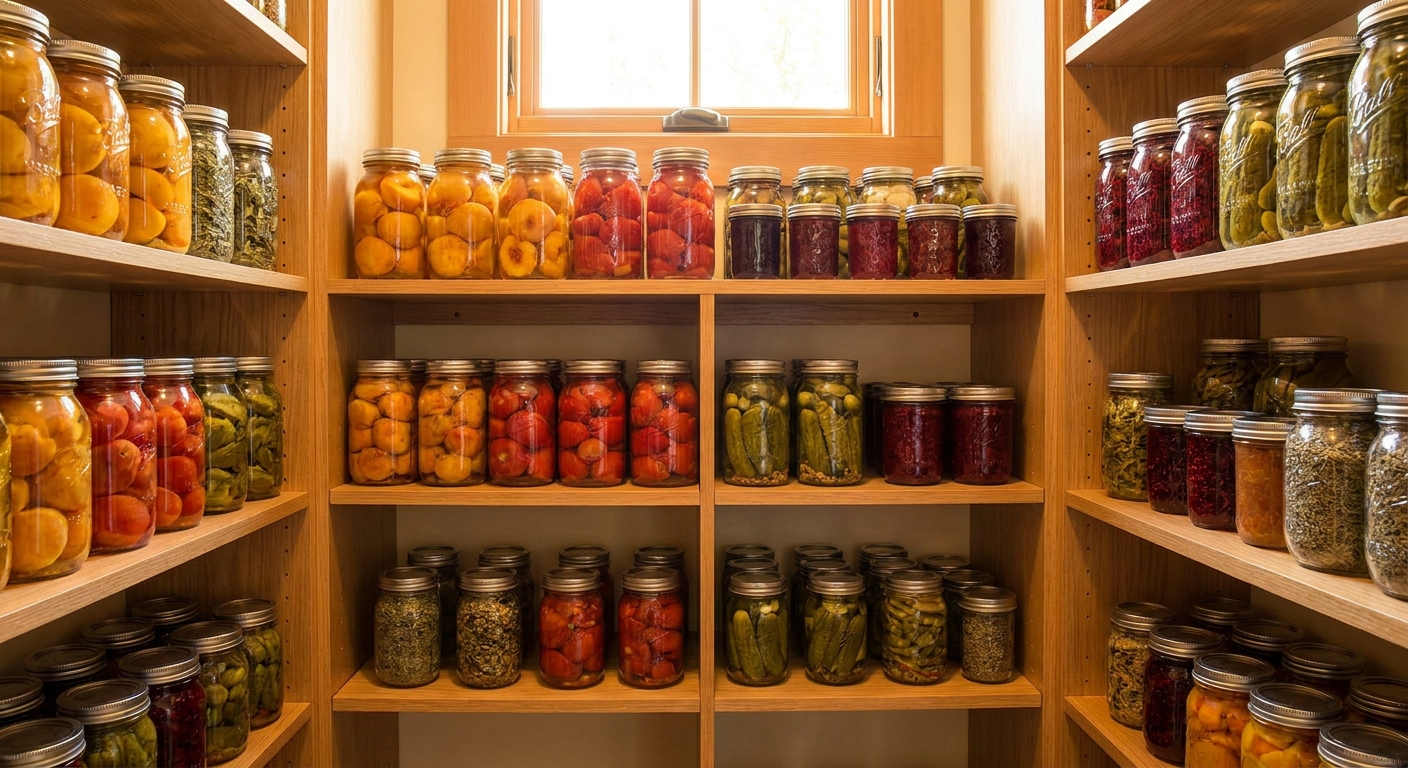
Understanding the Evolution of Food Preservation Methods
The quest to preserve food is as old as civilization itself, driven by the fundamental need to survive and thrive. In 1795, Napoleon Bonaparte recognized this critical need by offering a substantial prize for a new method to preserve food for his armies. This challenge was ultimately met in 1809 by Nicolas Appert, whose revolutionary canning process laid the groundwork for many of the food preservation methods we still rely on today.
In our modern world, food spoilage remains a significant challenge, leading to immense waste and financial strain for households and industries alike. The average American household wastes a considerable amount of food each year, contributing to environmental concerns and missed opportunities for savings.
This article will explore the historical journey of food preservation, delve into traditional and cutting-edge techniques available in 2026, and uncover the profound benefits that extend far beyond simply keeping food from spoiling. By understanding and implementing effective food preservation methods, you can save money, reduce waste, enhance food security, and even unlock new culinary adventures.
A Journey Through Time – Key Milestones in Preserving Food
From ancient salting and smoking to Appert's pioneering work, humanity has continuously sought innovative ways to extend the life of edibles. Appert's method, involving heating food in sealed glass bottles, was a breakthrough that prevented microbial growth long before the science was fully understood.
The mid-19th century brought further advancements. In 1858, John L. Mason patented the iconic Mason jar, making home canning accessible and efficient for countless families. A few years later, in 1864, Louis Pasteur's groundbreaking discovery of the relationship between microorganisms and food spoilage provided the scientific basis for many preservation techniques, including pasteurization itself.
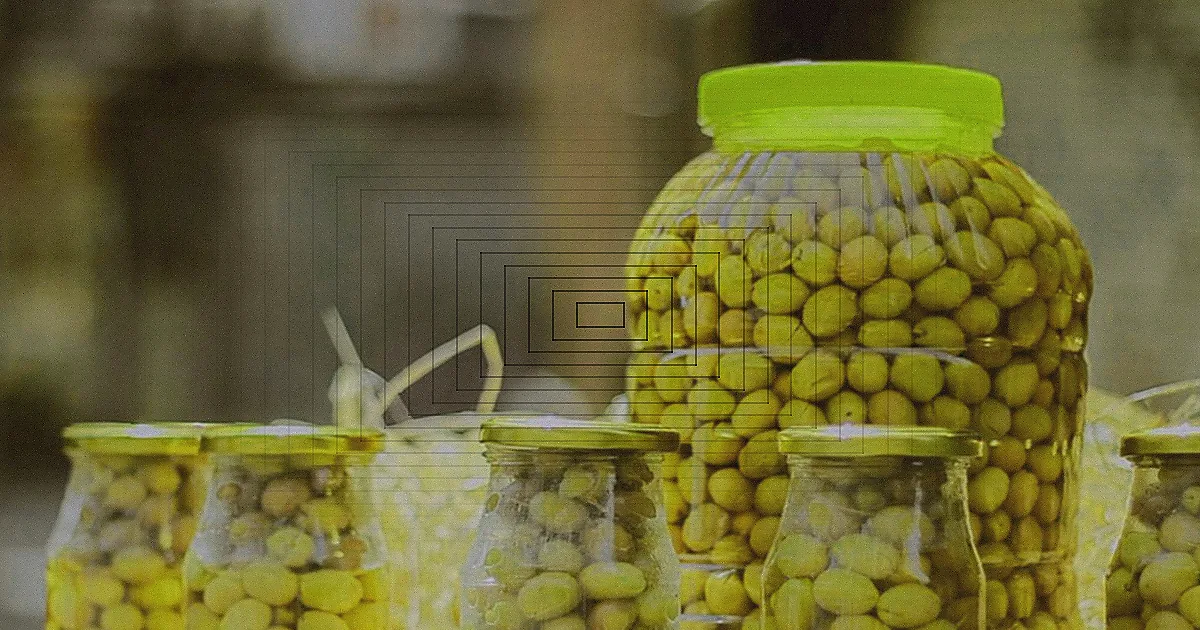
The early 20th century saw another significant innovation with Alexander H. Kerr patenting the two-piece disposable metal canning lid in 1915. These foundational food preservation methods, initially developed for practicality and necessity, continue to be indispensable tools in our kitchens today.
Read also: Think Easy Seafood Recipes Are a Myth? Try These Tonight
| Event | Year |
|---|---|
| Napoleon offers preservation prize | 1795 |
| Nicolas Appert wins prize for canning | 1809 |
| John L. Mason patents Mason jar | 1858 |
| Louis Pasteur discovers link to spoilage | 1864 |
| Alexander H. Kerr patents 2-piece lid | 1915 |
Traditional Food Preservation Methods for the Modern Home
Even with advanced technologies emerging, classic food preservation methods remain highly relevant in 2026. They are often more accessible, budget-friendly, and perfect for home use, allowing individuals to control ingredients and avoid additives. These techniques leverage time-tested principles to inhibit microbial growth and enzyme activity.
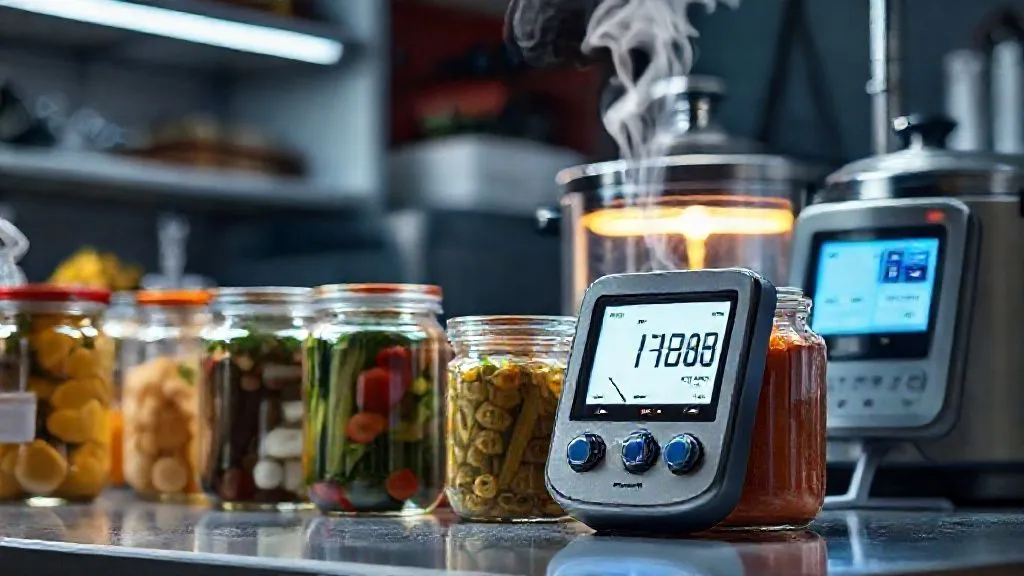
- Canning: Involves sealing food in airtight jars and heating them to destroy microorganisms and create a vacuum seal. Ideal for fruits, vegetables, jams, and sauces.
- Freezing: One of the simplest and most effective methods, freezing dramatically slows down spoilage by turning water into ice, making it unavailable for microbial growth. Suitable for almost all types of food.
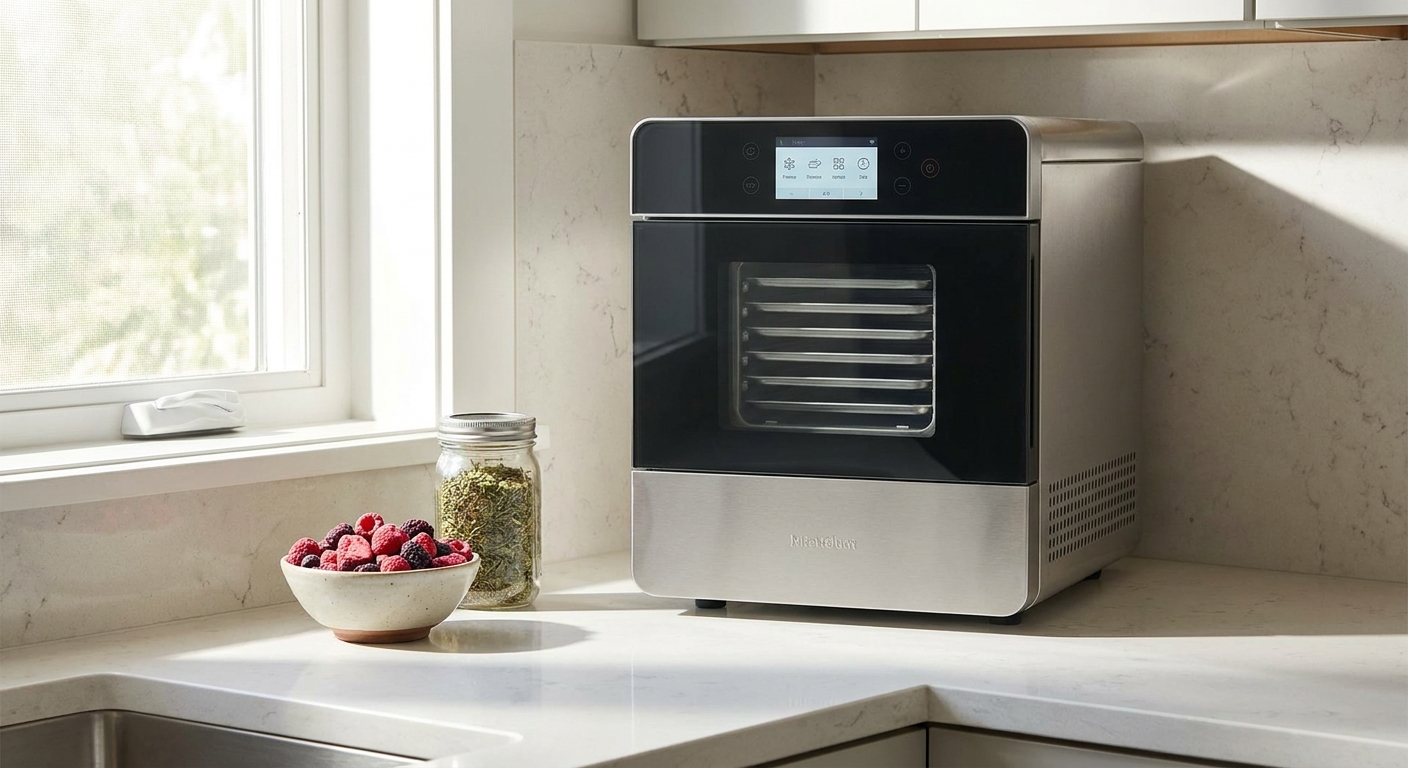
- Drying/Dehydration: Removes moisture from food, inhibiting bacteria, yeasts, and molds. Fruits, vegetables, and meats (jerky) are commonly dried.
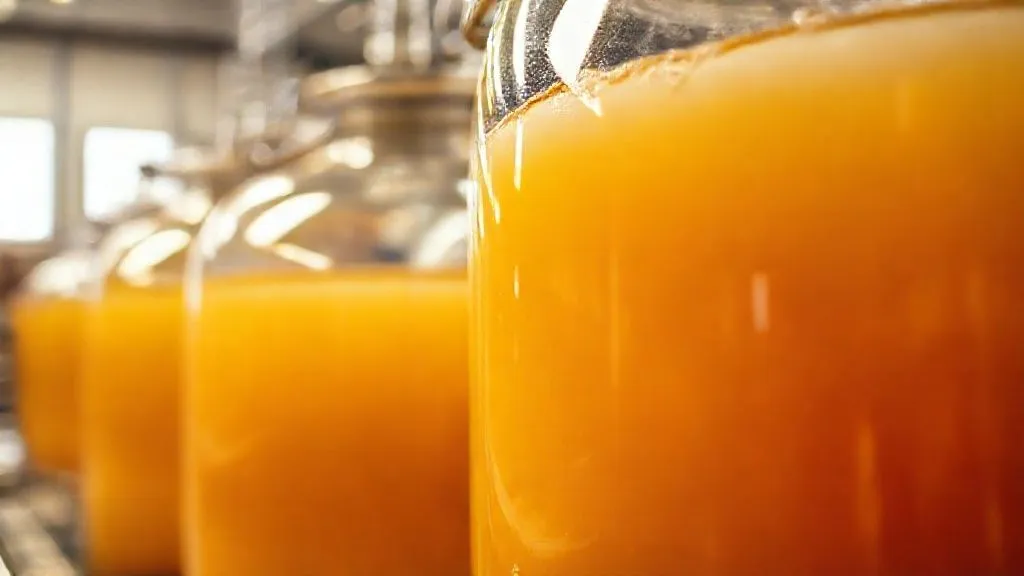
- Fermentation: Utilizes beneficial microorganisms to transform food, creating new flavors and preserving it through the production of acids or alcohol. Examples include sauerkraut, kimchi, and yogurt.
- Pickling: Preserves food by submerging it in an acidic solution, typically vinegar, which inhibits spoilage-causing bacteria. Cucumbers, onions, and various vegetables are popular for pickling.
- Vacuum Sealing: Removes air from packaging, significantly reducing oxidation and slowing down spoilage. Often used in conjunction with freezing or refrigeration to extend shelf life further.
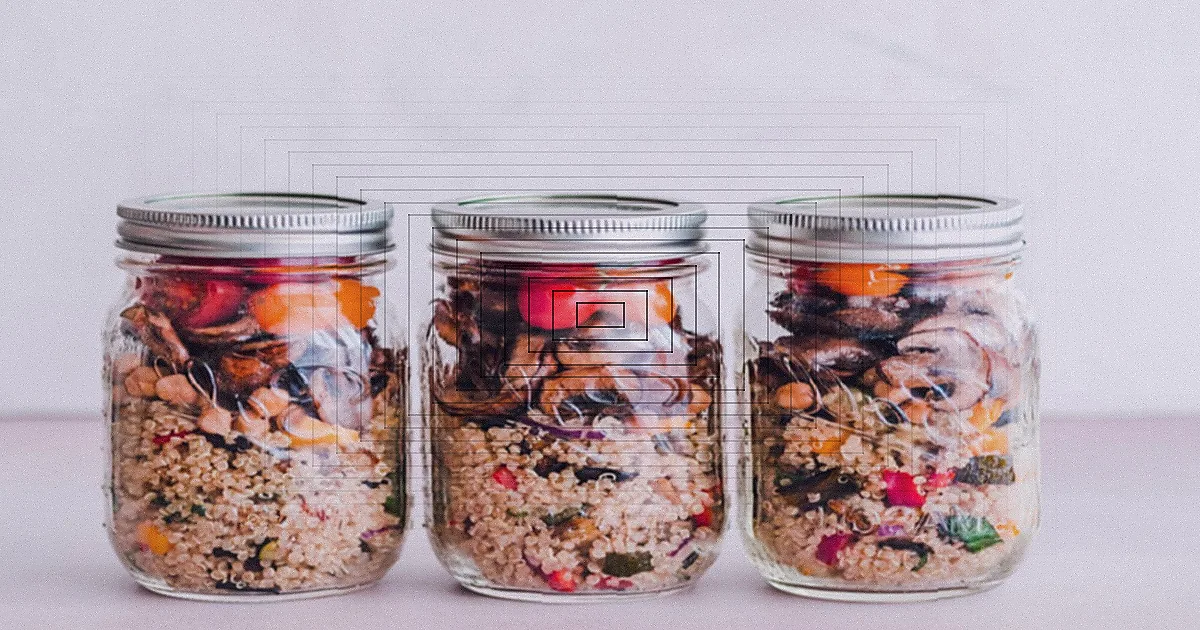
These traditional food preservation methods continue to be invaluable for home cooks and small-scale producers looking to maximize their harvest and minimize waste without significant investment in industrial equipment.
Important Tip: Always follow tested recipes and guidelines for home food preservation, especially for canning, to ensure safety and prevent foodborne illnesses.
Cutting-Edge Food Preservation Methods in 2026
While traditional methods offer accessibility, the food industry in 2026 is rapidly evolving with sophisticated food preservation methods. These advanced technologies focus on efficiency, minimal processing, and enhanced safety, often driven by increasing regulatory demands for traceability and environmental impact by bodies like the FDA and USDA.
See also: Mastering Mise en Place: 7 Steps to Zero Waste & No Delays
One prominent technology is **High-Pressure Processing (HPP)**. In 2026, HPP systems are more energy-efficient and feature continuous flow capabilities, allowing for the non-thermal pasteurization of foods by subjecting them to extremely high pressures. This method preserves nutrients, flavor, and color better than traditional heat treatments.
Another area of innovation is **UV-C Light Sterilization**. Modular UV-C light sterilization tunnels, often integrated with AI sensors, are now used to disinfect surfaces and even some liquid foods, providing a chemical-free way to reduce microbial load. We also see the rise of **hybrid systems**, combining methods like UV-C with ozone or HPP with steam, to achieve synergistic preservation effects.
Beyond the core preservation techniques, 2026 sees significant advancements in supporting technologies. **Smart automation** and **AI** are optimizing preservation processes, while **blockchain** is being implemented for enhanced traceability and safety tracking throughout the supply chain. Furthermore, **nano-sterilization coatings** for packaging are offering active protection against spoilage. Recent developments include Coroos International N.V. being granted European Patent status for the REPFED method in March 2026, highlighting ongoing innovation in shelf-stable food technologies.
These advanced food preservation methods are transforming industrial food safety, extending shelf life, and meeting the growing consumer demand for clean-label products with fewer artificial preservatives.
The Hidden Savings – Why Effective Food Preservation Methods Matter
The true value of embracing robust food preservation methods extends far beyond preventing spoilage. These techniques offer substantial benefits that impact your finances, health, and even the environment.
Check out: Are Your Smart Kitchen Gadgets Just Collecting Dust?
- Financial Savings: By preserving seasonal produce or bulk purchases, you can significantly reduce your grocery bill. For instance, a quality vacuum sealer, which might cost between $50 and $200, or a home dehydrator, typically ranging from $70 to $300, can pay for itself quickly by minimizing waste. (Prices approximate as of 27/05/2026 and subject to change. Consult official retailers for updated values.)
- Reduced Food Waste: Food waste is a global issue with environmental consequences. Preserving food helps reduce the amount of edible food that ends up in landfills, lessening methane emissions and conserving resources used in food production.
- Enhanced Food Security: Having a well-stocked pantry of preserved foods provides a buffer against unexpected events, economic fluctuations, or supply chain disruptions. It ensures access to nutritious food year-round, regardless of seasonality.
- Improved Nutrition: Preserving food at its peak freshness can lock in nutrients that might otherwise degrade over time. Many preservation methods, especially non-thermal ones, help retain vitamins and minerals.
- Culinary Creativity: Exploring different preservation techniques can open up new culinary possibilities. Fermentation creates unique flavors, while dried herbs and fruits add intensity to dishes. It encourages a deeper connection with your food sources.
Ultimately, investing time and effort into effective food preservation methods is an investment in your household's financial well-being, health, and environmental footprint.
Frequently Asked Questions
What are the safest food preservation methods for home use? For home use, canning (following USDA guidelines), freezing, and dehydrating are generally considered very safe when proper procedures are followed. Always ensure correct temperatures, sanitation, and sealing techniques.
How do I choose the best food preservation method for my needs? Consider the type of food, your desired shelf life, available equipment, and your personal preferences. For example, freezing is versatile for many foods, while canning is excellent for shelf-stable produce, and dehydrating works well for snacks and herbs.
What are the benefits of using modern food preservation methods at home? While industrial methods are complex, home users benefit from simpler modern tools like vacuum sealers, which extend the freshness of refrigerated or frozen foods. These enhance the efficiency of traditional food preservation methods by reducing air exposure and preventing freezer burn, leading to less waste and better-tasting food.
Conclusion
From Napoleon's prize to the AI-driven systems of 2026, the journey of food preservation methods reflects humanity's enduring ingenuity. What began as a necessity for survival has evolved into a sophisticated science, offering diverse options for every need and scale.
- Food preservation significantly reduces waste and saves money.
- Both traditional and advanced methods play crucial roles in our food system.
- Modern technologies enhance safety and efficiency in industrial settings.
- Home preservation empowers individuals with greater food security and culinary control.
For more content, visit the homepage of Cooking Melt.
By understanding and applying these powerful techniques, you’re not just saving food; you’re investing in a more sustainable, economical, and flavorful future for yourself and your family. Embrace the art and science of food preservation methods, and discover the profound impact they can have on your life.
0 Comentários: