 By
By 
Evaluating Your Fermentation Equipment for 2026
The world of brewing and fermentation is constantly evolving, with new technologies and techniques emerging to enhance efficiency and product quality. In 2026, the emphasis is increasingly on precision, sustainability, and automation, pushing both hobbyists and commercial producers to re-evaluate their existing fermentation equipment 2026.
For many, the question isn't just about acquiring new gear, but whether their current setup can meet the demands of modern production methods and consumer expectations , especialmente quando se trata de fermentation equipment 2026. Are your older tanks holding you back, or can they still perform admirably in today's landscape?
This article will explore the latest trends in fermentation equipment, help you assess the capabilities of your current system, and guide you through making informed decisions on upgrades or new purchases for optimal results this year , especialmente quando se trata de fermentation equipment 2026.
Current Trends Shaping Fermentation Equipment in 2026
The fermentation industry, from craft breweries to specialized food production, is experiencing significant shifts. Understanding these trends is crucial for anyone looking to invest in new or upgrade existing fermentation equipment , especialmente quando se trata de fermentation equipment 2026.
- Compact and Modular Systems: Space efficiency is paramount, especially for urban breweries or homebrewers. Modular designs allow for scalability and easier integration into diverse setups.
- Resurgence of Lager Production: There's a growing demand for crisp, clean lagers, which require precise temperature control and often longer fermentation times. This drives the need for specialized low-temperature fermentation equipment.
- Automation and Data Integration: Modern fermenters often feature advanced sensors and control systems for monitoring temperature, pH, pressure, and specific gravity. Integration with software allows for remote monitoring and data logging, optimizing consistency and efficiency.
- Sustainability: Equipment designed for reduced water usage, energy efficiency, and easier cleaning is highly sought after, aligning with broader environmental goals.
- Precision Fermentation: Beyond traditional brewing, precision fermentation is integrating into food systems, particularly for producing dairy proteins and other novel ingredients. This requires highly specialized and sterile equipment.

These trends highlight a move towards more sophisticated, versatile, and environmentally conscious solutions for fermentation equipment 2026.
Assessing Your Existing Fermentation Setup
Before considering new purchases, it’s wise to thoroughly evaluate your current fermentation equipment. This assessment helps identify bottlenecks and areas for improvement , especialmente quando se trata de fermentation equipment 2026.
Key Considerations for Fermenter Performance
- Material and Construction: Stainless steel remains the gold standard for durability, sanitation, and temperature stability. However, high-grade plastic fermenters like the FermZilla All Rounder have seen ergonomic and functional improvements, offering a cost-effective alternative for smaller scales.
- Temperature Control: Accurate temperature management is critical for consistent fermentation. Does your equipment offer precise control, or are you relying on less reliable methods? Jacketed unitanks, for instance, provide excellent temperature regulation.
- Pressure Capability: For carbonation, spunding, or pressure transfers, having pressure-capable fermenters or brite tanks is essential. This can significantly reduce oxygen exposure and improve product quality.
- Sanitation and Cleaning: Ease of cleaning-in-place (CIP) and sanitation is vital to prevent contamination. Conical fermenters with accessible ports and smooth welds facilitate this process.
- Capacity and Scalability: Does your current capacity meet your production needs for 2026? Consider future growth and whether your equipment can adapt. Small pilot fermenters are excellent for experimentation without committing to large batches.
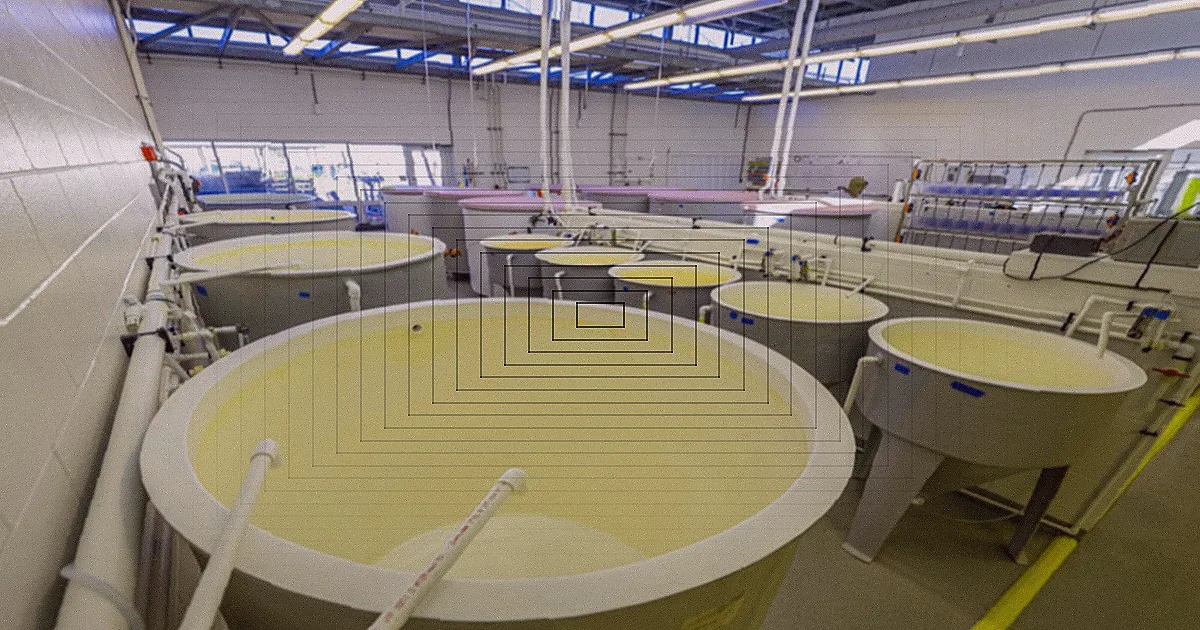
Important Tip: Regularly inspect your fermentation equipment for signs of wear, corrosion, or seal degradation. Proactive maintenance can prevent costly issues and ensure product integrity , especialmente quando se trata de fermentation equipment 2026.
Read also: Best sous vide 2026 — We Found the Best Sous Vide of 2026 So You Don't Have To
Upgrading or Investing in New Fermentation Equipment
Once you’ve assessed your current setup, you might find that upgrades or new investments are necessary to keep pace with demand and quality expectations. For 2026, several types of fermentation equipment stand out , especialmente quando se trata de fermentation equipment 2026.
Types of Fermentation Equipment and Their Uses
| Fermenter Type | Key Feature | Best For |
|---|---|---|
| Jacketed Unitank | Pressure-capable, conical, temperature controlled | Ale/Lager, carbonation, yeast harvesting |
| Dedicated Conical Fermenter | Easy yeast collection, primary fermentation | Homebrewing, small commercial batches |
| Pressure-Capable Brite Tank | Carbonation, conditioning, serving | Finished beer, kombucha, cider |
| Small Pilot Fermenter | Compact, ideal for testing recipes | Recipe development, small-scale production |
| Specialized Fermenters | Specific design for unique beverages | Cider, kombucha, wine, mead |
When considering new fermentation equipment 2026, think about how it integrates with your overall process. For instance, a new unitank might require a more robust chiller system, or an automated system might need specific software compatibility.
For homebrewers or small-scale producers, products like the FermZilla All Rounder offer excellent value. While not a brand-new concept, its continuous improvements in ergonomics and functionality make it a relevant and budget-friendly choice in 2026. These units typically range from approximately $150 to $300, depending on size and accessories , especialmente quando se trata de fermentation equipment 2026.
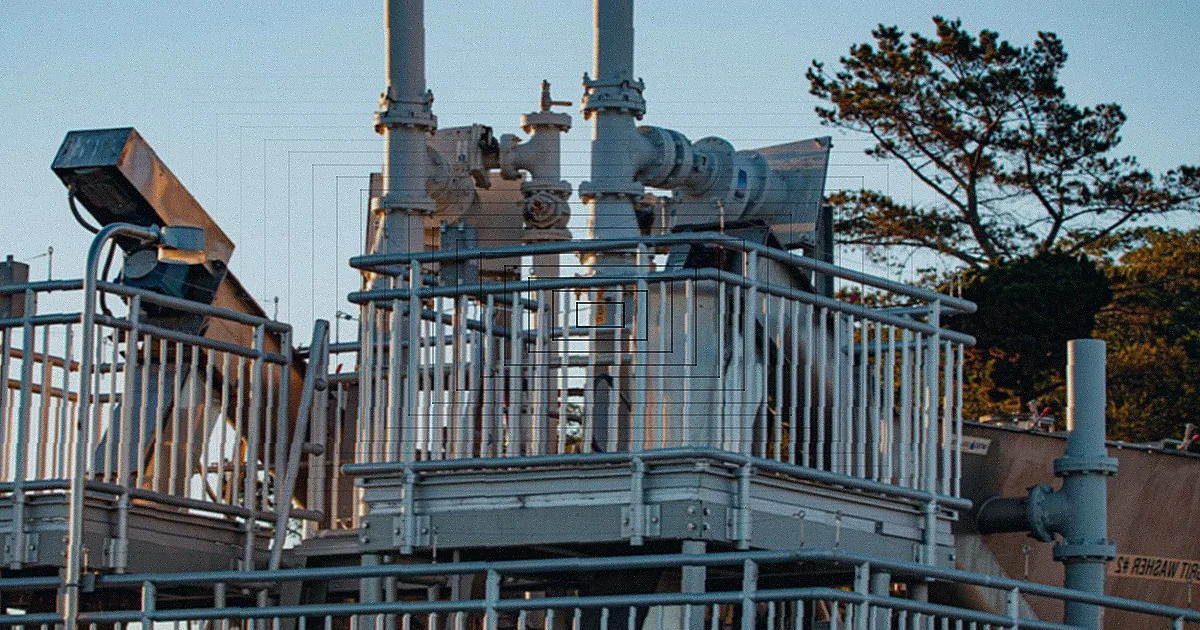
For commercial operations, larger stainless steel unitanks can range significantly, from around $1,500 for smaller 1-2 barrel (BBL) systems to well over $10,000 for 10 BBL or larger models. Brite tanks generally fall into similar price categories based on capacity , especialmente quando se trata de fermentation equipment 2026.
Preços aproximados consultados em 28/05/2026 e sujeitos a alteração. Consulte lojas oficiais para valores atualizados , especialmente quando se trata de fermentation equipment 2026.
See also: Cookie recipes 2026 — The Cookie Recipes for 2026 Your Friends Will Beg You For
It’s always recommended to check official manufacturer websites or reputable suppliers for the most current pricing and specifications. For instance, companies like SS Brewtech and Blichmann Engineering are well-known for their quality brewing equipment.
Integrating Automation and Sustainability
The push for automation and sustainability isn't just a trend; it's becoming a standard for efficient and responsible production. Modern fermentation equipment often incorporates features that support these goals , especialmente quando se trata de fermentation equipment 2026.
- Automated Temperature Control: Sophisticated PID controllers and glycol chillers maintain precise temperatures, reducing manual intervention and energy waste.
- Data Logging and Analytics: Systems that log fermentation data allow for detailed analysis, helping to refine recipes and processes. This can be crucial for consistency, especially when scaling up production. Learn more about data's role in brewing on Wikipedia's brewing page.
- Water and Energy Efficiency: Look for equipment designed with efficient insulation, optimized cleaning cycles, and features that minimize water usage during CIP.
- Material Longevity: Investing in high-quality, durable materials reduces the need for frequent replacements, contributing to a more sustainable operation over time.
Embracing these advancements can significantly enhance the efficiency and environmental footprint of your fermentation processes. The U.S. government, through agencies like the EPA, also promotes sustainable practices in industrial sectors. More information can be found on USA.gov regarding business and environmental regulations.
Future-Proofing Your Fermentation Equipment
As we navigate 2026, the best approach to fermentation equipment is one that balances current needs with future adaptability. Considering the rapid pace of innovation, choosing versatile and upgradeable systems is a smart move , especialmente quando se trata de fermentation equipment 2026.
For example, if you're a small craft brewery looking to expand, investing in modular unitanks that can be easily scaled or integrated into a larger system might be more beneficial than a highly specialized, fixed setup. The ability to add new sensors, control modules, or even convert tanks for different types of fermentation (e.g., from beer to kombucha) offers significant flexibility , especialmente quando se trata de fermentation equipment 2026.
Another area of innovation is in yeast management and propagation, which directly impacts the performance of your fermentation equipment. Understanding advanced yeast techniques can further optimize your brewing process. Websites like White Labs offer extensive resources on yeast strains and their optimal conditions.
Check out: Best air fryer 2026 — Your Kitchen Needs the Best Air Fryer for 2026 and We Found It.
Staying informed about emerging technologies, such as advanced filtration systems or novel fermentation methods, will ensure your operation remains competitive and efficient. Consulting with industry experts or joining professional brewing associations can provide valuable insights and networking opportunities. A good starting point for industry trends might be resources from organizations like the Brewers Association.
Perguntas Frequentes
What are the most important features for fermentation equipment 2026? The most important features include precise temperature control, pressure capability for diverse fermentations, ease of sanitation, and modularity for scalability. Automation and data integration are also increasingly crucial.
How often should I upgrade my fermentation equipment? There's no fixed schedule, but consider upgrading when your current fermentation equipment no longer meets production demands, struggles with consistency, or lacks features vital for new products or efficiency goals. Regular maintenance can extend the life of your existing gear.
Can older fermentation equipment still be efficient in 2026? Yes, well-maintained older equipment made from durable materials like stainless steel can still be highly efficient. However, you might need to add external temperature controllers, improved cleaning systems, or manual data logging to compensate for a lack of built-in modern features.
Conclusão
The journey of fermentation in 2026 is one of innovation and adaptation. Whether you're a seasoned professional or an enthusiastic homebrewer, ensuring your fermentation equipment 2026 is up to par is essential for producing high-quality, consistent results.
- Assess your current setup against modern trends like automation and sustainability.
- Consider upgrades for precise temperature control, pressure capabilities, and ease of sanitation.
- Invest in new equipment that offers modularity and scalability for future growth.
- Always verify current prices and specifications from official sources before making a purchase.
For more content, visit the homepage of Cooking Melt.
By thoughtfully evaluating your needs and embracing the advancements in fermentation technology, you can optimize your processes, enhance product quality, and ensure your operation thrives in the dynamic landscape of today's fermentation industry , especialmente quando se trata de fermentation equipment 2026.



0 Comentários: