 By
By 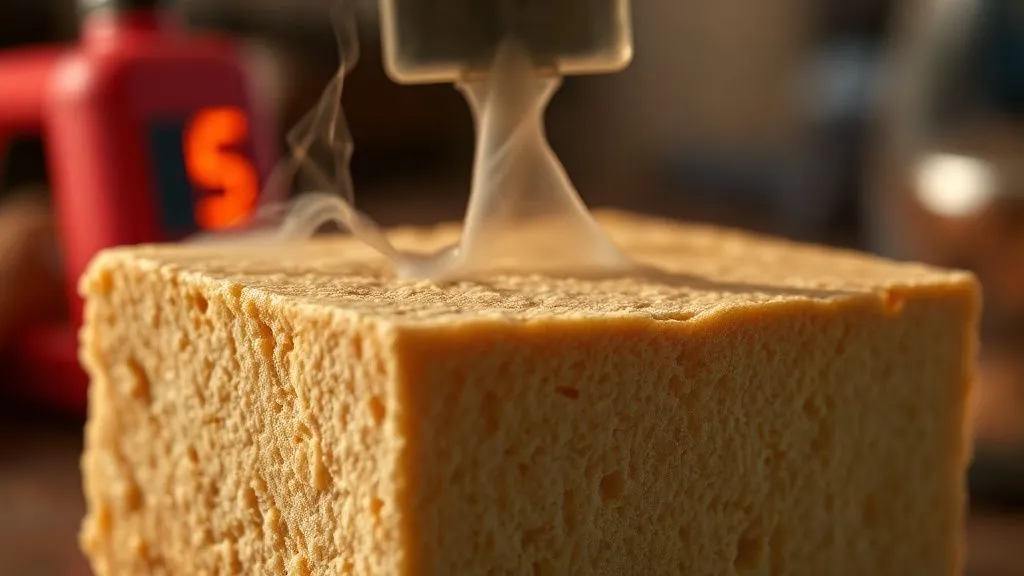
What Causes Ammonia Smell in Tempeh Before Fermentation Completes?
For over 15 years in the world of fermentation, I've witnessed the full spectrum of emotions that come with making tempeh at home or on a small scale. There's the initial excitement of seeing the mycelium bloom, followed by the crushing disappointment when that familiar, earthy aroma is replaced by something sharp, pungent, and unmistakably like ammonia.
It's a disheartening experience, isn't it? You invest time, effort, and good ingredients, only to be met with a batch that smells off, leaving you wondering if it's safe to eat or destined for the compost bin. This ammonia smell, appearing before your tempeh has fully matured, is a common pain point for many fermenters, signaling an imbalance in the delicate ecosystem we're trying to cultivate.
But fear not! In this comprehensive guide, I'll draw upon my extensive experience to help you diagnose precisely what causes ammonia smell in tempeh before fermentation completes. We'll dive deep into the science, explore the most common culprits, and equip you with actionable strategies, expert insights, and troubleshooting tips to prevent this issue and ensure consistently perfect, delicious tempeh every single time.
The Science Behind the Stink: Understanding Ammonia Production in Tempeh
To truly understand why your tempeh might be smelling like ammonia, we need to peel back the layers and look at the microscopic world at play. Tempeh fermentation is a complex biochemical process, primarily driven by the remarkable mold, Rhizopus oligosporus.
The Role of Rhizopus oligosporus
Rhizopus oligosporus is a superstar in the fungal kingdom, celebrated for its ability to rapidly colonize soybeans, breaking down complex proteins into simpler, more digestible amino acids. This process is what gives tempeh its unique texture, flavor, and nutritional benefits. The mold thrives in specific conditions – warm temperatures, adequate moisture, and, critically, access to oxygen.
Under optimal conditions, Rhizopus efficiently uses the available nutrients and oxygen to grow its dense, white mycelial network. However, when conditions become suboptimal or stressful, the mold's metabolic pathways can shift, sometimes leading to the production of unwanted byproducts, including ammonia.

Protein Breakdown and Amino Acids
The ammonia smell itself is a direct result of the breakdown of proteins. Soybeans are rich in protein, composed of long chains of amino acids. During fermentation, Rhizopus secretes enzymes that break these proteins down. Some amino acids, particularly those rich in nitrogen, can be further broken down through a process called deamination.
Deamination removes the amino group (NH?) from an amino acid, often releasing it as ammonia (NH?). While a tiny amount of ammonia production is natural during any protein fermentation, an excessive or early appearance of this smell indicates that the mold is under stress, or that other, less desirable microorganisms are at play, leading to an imbalance in the fermentation environment.
Primary Culprit 1: Excessive Temperature
In my years of guiding tempeh enthusiasts, the number one mistake I see is related to temperature control. Many assume 'warmer is better' for fermentation, but with tempeh, there's a delicate balance. Excessive heat is a primary cause of that tell-tale ammonia smell.
When the incubation temperature climbs too high (typically above 90-92°F or 32-33°C), the Rhizopus mold goes into overdrive. Its metabolic activity accelerates dramatically, leading to a much faster breakdown of proteins. This rapid deamination can result in an overproduction of ammonia before the fermentation has even had a chance to fully mature and bind the beans together effectively.
Beyond just accelerating protein breakdown, high temperatures also create a stressful environment for the mold. The rapid growth generates a lot of heat, which can further raise the internal temperature of the tempeh block itself, creating a self-reinforcing cycle of stress. This stress can also favor the growth of thermophilic (heat-loving) bacteria that might produce ammonia as a byproduct, outcompeting your desirable mold.
Actionable Steps for Temperature Control:
- Monitor Constantly: Don't just set it and forget it. Use a reliable digital thermometer to monitor the ambient temperature of your incubator and, if possible, the internal temperature of a test batch.
- Maintain Ideal Range: Aim for a consistent incubation temperature between 80-88°F (27-31°C). This range allows for robust mold growth without pushing it into a stressed, ammonia-producing state.
- Ventilate for Cooling: If your incubator runs hot, ensure adequate ventilation. Air circulation helps dissipate the metabolic heat generated by the growing mycelium. Sometimes, simply opening the incubator door for a few minutes every few hours can make a significant difference.
- Pre-Cool Beans: Ensure your cooked and acidified soybeans are cooled to around 90°F (32°C) or slightly below before inoculating them with the starter. Introducing warm beans to an already warm incubator can quickly push temperatures too high.
Understanding the impact of temperature is crucial. As a Deloitte study on supply chain optimization once highlighted the importance of 'just-in-time' delivery, think of tempeh fermentation as 'just-right-temperature' fermentation. Precision matters.
| Temperature Range (°F) | Fermentation Speed | Ammonia Risk |
|---|---|---|
| 75-80 (24-27°C) | Slow | Low (if other factors are good) |
| 80-88 (27-31°C) | Optimal | Low to Moderate |
| 88-92 (31-33°C) | Fast | Moderate to High |
| 92+ (33°C+) | Very Rapid/Stressed | Very High |
Primary Culprit 2: Insufficient Ventilation
While Rhizopus oligosporus is a marvel, it's not a miracle worker. It needs oxygen to thrive. When the tempeh block lacks sufficient airflow, the mold struggles to respire aerobically, leading to stress and a shift towards less efficient metabolic pathways, which can include the production of ammonia.
Imagine being in a crowded, stuffy room; you'd start to feel stressed and uncomfortable, right? The same applies to your tempeh. If the plastic bags or containers you're using don't have enough air holes, or if your incubation setup is too airtight, several problems arise:
- Oxygen Depletion: The mold quickly consumes the limited oxygen, creating anaerobic pockets.
- CO? Buildup: Carbon dioxide, a byproduct of respiration, accumulates, further inhibiting healthy mold growth.
- Heat Trapping: Metabolic heat generated by the mold gets trapped, exacerbating the high-temperature issue discussed earlier.
- Moisture Buildup: Lack of ventilation leads to condensation inside the packaging, creating wet spots that can encourage undesirable bacterial growth, which also produces ammonia.

Actionable Steps for Optimal Ventilation:
- Punch Adequate Holes: If using plastic bags, ensure you have plenty of small holes (approximately 1/8 inch or 3mm) spaced every 1-2 inches (2.5-5 cm) across the entire surface of the bag, including the bottom. A specialized tempeh perforator or a heated nail works wonders.
- Consider Containers: If using trays or containers, ensure they have breathable covers or are placed in an environment with good air circulation. Some prefer using perforated trays directly in an incubator.
- Space It Out: Don't stack your tempeh blocks too closely in the incubator. Give them room for air to circulate freely around each block.
- Fan It: In some incubator setups, a small, slow-moving fan can be beneficial to gently circulate air and prevent stagnant pockets of CO? and trapped heat.
Proper ventilation is non-negotiable for vibrant, healthy tempeh. It's about creating an environment where the mold can breathe and thrive, preventing the stressed conditions that lead to that unwelcome ammonia scent.
Primary Culprit 3: Over-Fermentation or Prolonged Incubation
Even if you've mastered temperature and ventilation, patience can be your undoing. Over-fermentation, or allowing your tempeh to incubate for too long, is another common reason why that ammonia smell can develop. It's a fine line between perfectly fermented and past its prime.
Typically, tempeh fermentation takes between 24 to 48 hours, depending on the temperature, starter activity, and bean type. During this time, the Rhizopus mold rapidly colonizes the beans, binding them into a solid cake. Once the beans are fully bound and the mycelium is dense and white, the mold has essentially completed its primary mission.
If left to continue fermenting beyond this optimal point, the mold will eventually run out of easily accessible nutrients. At this stage, it will start to break down remaining proteins more aggressively, and in its struggle for survival, it can ramp up the production of ammonia. The tempeh may also start to turn grayish or even develop black spores, which, while generally harmless, indicate that the mold has sporulated and is past its peak freshness.
"Patience is a virtue, but in tempeh making, knowing when to stop is a mastery."
Actionable Steps for Optimal Harvest Timing:
- Monitor Visually: Learn to recognize the signs of fully fermented tempeh. It should be a firm, cohesive cake, uniformly covered in a dense, white mycelial mat. You might see a slight yellowing or very faint black spots, which are normal sporulation, but extensive black areas indicate over-fermentation.
- Check for Firmness: Gently press the tempeh. It should feel firm and solid, not crumbly or loose.
- Smell Test: A well-fermented tempeh will have a pleasant, mushroomy, earthy, slightly nutty aroma. Any hint of strong ammonia, especially after the 24-hour mark, is a warning sign.
- Taste Test (Carefully): If in doubt and the smell isn't overwhelmingly ammoniac, try a small, cooked piece. It should taste mild and nutty, not bitter or overtly ammoniac.
- Harvest Promptly: Once your tempeh looks and smells right, remove it from the incubator immediately. If you're not cooking it right away, refrigerate it to slow down any further fermentation, or freeze it for longer storage.
Think of it like baking bread; you don't leave it in the oven indefinitely. There's a perfect moment to pull it out, and the same applies to your tempeh.
Primary Culprit 4: High Moisture Content in Soybeans
The saying 'less is more' often holds true in fermentation, particularly when it comes to moisture in your tempeh beans. While Rhizopus needs some moisture to grow, excessive water content in your cooked soybeans before inoculation can create a breeding ground for problems, including that dreaded ammonia smell.
When there's too much surface moisture on the beans, several undesirable things can happen:
- Bacterial Proliferation: Excess water encourages the growth of unwanted bacteria and wild yeasts, which can outcompete the Rhizopus mold. Many of these bacteria are excellent at breaking down proteins and producing ammonia as a byproduct.
- Anaerobic Pockets: Water can fill the tiny air spaces between the beans, creating anaerobic (oxygen-deprived) conditions. As we discussed, Rhizopus prefers aerobic conditions, and anaerobic stress can lead to ammonia production.
- Inhibits Mycelial Growth: The mold struggles to spread its hyphae efficiently across wet surfaces, leading to patchy growth and leaving areas vulnerable to other microorganisms.
This is why the drying step after cooking your soybeans is so critical. You want the beans to be dry to the touch, with no visible surface moisture, but still tender on the inside.
Actionable Steps for Moisture Control:
- Thorough Drying: After cooking and draining your soybeans, spread them out thinly on clean towels or baking sheets. Use a fan or gently stir them periodically until they are completely dry to the touch. This can take anywhere from 30 minutes to a couple of hours.
- Acidification with Vinegar: Adding a small amount of vinegar (typically 1-2 tablespoons per 500g dry soybeans) after cooking and drying is a crucial step. The vinegar lowers the pH of the beans, creating an acidic environment that inhibits the growth of most undesirable bacteria, while Rhizopus is tolerant to this acidity. This is a powerful preventative measure against bacterial contamination that could lead to ammonia.
- Avoid Over-Soaking: While soaking is essential, ensure your beans aren't soaking for excessively long periods (e.g., more than 24 hours at room temperature without changing water), which can sometimes lead to pre-fermentation by wild yeasts.
Research published in the Journal of Food Chemistry often highlights the critical role of pH and water activity in controlling microbial growth in fermented foods. For tempeh, getting the moisture just right is fundamental.
Primary Culprit 5: Contamination from Other Microorganisms
Sometimes, the ammonia smell isn't solely due to stressed Rhizopus, but rather the unwelcome presence of other microorganisms. While tempeh fermentation is generally robust, contaminants can occasionally sneak in and wreak havoc.
Unwanted bacteria or wild yeasts can find their way into your tempeh batch if sanitation is lacking. These opportunistic microbes thrive in conditions that might stress your Rhizopus (like high temperatures or poor ventilation) and can outcompete the desired mold. Many of these contaminants are particularly adept at breaking down proteins and releasing ammonia as a metabolic byproduct.
Signs of contamination often include:
- Off-colors: Patches of green, black, pink, or orange mold that are not typical of Rhizopus sporulation.
- Sliminess: A slimy or sticky texture on the tempeh block, often accompanied by a foul, putrid, or intensely ammoniac smell.
- Weak or Patchy Mycelium: The Rhizopus growth appears weak, thin, or fails to fully colonize the beans, leaving areas exposed to contaminants.
Actionable Steps for Preventing Contamination:
- Sterilize Everything: This is paramount. All equipment that comes into contact with your cooked beans – pots, spoons, bowls, fermentation bags/trays – must be thoroughly cleaned and sterilized. Boiling, steam, or a sanitizing solution (like a diluted bleach solution followed by a thorough rinse, or star san) are effective.
- Clean Environment: Work in a clean kitchen environment. Wipe down counters and wash your hands thoroughly before handling the beans and starter.
- Quality Starter: Use fresh, reputable tempeh starter (Rhizopus oligosporus). Old or improperly stored starter can lose its viability, giving contaminants an advantage. Store your starter in the refrigerator or freezer to maintain its potency.
- Filtered Air (Optional): If you're using an active incubator with a fan, consider a small HEPA filter over the air intake to minimize airborne contaminants, especially if you consistently struggle with contamination.
As marketing guru Seth Godin often says, "The best way to change a culture is to create a new one." In tempeh making, we're creating a fungal culture, and ensuring its purity and dominance is key to preventing undesirable outcomes like ammonia production.
Case Study: Sarah's Tempeh Turnaround
Case Study: How Sarah Conquered the Ammonia Blues
Sarah, a passionate home cook in Portland, Oregon, loved the idea of making her own tempeh. Her first few batches were decent, but then she hit a wall. Every batch, around the 18-20 hour mark, would develop a strong ammonia smell, making her discard them. Frustrated, she almost gave up.
She reached out to me, detailing her process. Her setup involved an old cooler with a heating pad, and she was using a bag with a few poked holes. My initial diagnosis pointed to two main culprits: excessive temperature and insufficient ventilation.
We implemented a few key changes. First, we swapped her heating pad for a lower-wattage reptile mat connected to a thermostat, set firmly to 85°F (29°C). I also advised her to place a small digital thermometer inside the cooler, next to the tempeh, to monitor the actual internal temperature. Second, we significantly increased the number of holes in her plastic bags, using a heated needle to create a dense pattern every inch. I also suggested propping the cooler lid slightly ajar for the first 12 hours to allow for better airflow and heat escape, especially as the tempeh started generating its own heat.
Her next batch was a revelation. By hour 24, instead of a pungent ammonia scent, a pleasant, mushroomy aroma filled her kitchen. The tempeh was uniformly white, firm, and absolutely delicious. Sarah, like many others, found that small, precise adjustments based on expert guidance made all the difference, transforming her tempeh-making journey from frustration to consistent success.
Expert Strategies for Prevention and Rescue
Now that we've dissected what causes ammonia smell in tempeh before fermentation completes, let's consolidate our knowledge into a robust strategy for prevention and, where possible, rescue.
Pre-Fermentation Protocols: Setting the Stage for Success
The journey to perfect tempeh begins long before the starter hits the beans.
- Proper Soaking and Dehulling: Soak soybeans thoroughly (8-12 hours) to rehydrate them. Dehulling (removing the skins) is crucial as hulls can trap moisture and impede mycelial growth, creating anaerobic pockets.
- Thorough Cooking: Cook beans until tender but not mushy. Overcooked beans can become too soft and hold excessive moisture.
- Aggressive Drying: As emphasized, dry your beans until there is absolutely no surface moisture. This is one of the most critical steps to prevent bacterial overgrowth.
- Acidification is Key: Always add a tablespoon or two of a mild acid (like apple cider vinegar or white vinegar) per pound of dry beans to the cooling beans. This lowers the pH, creating an environment favorable for Rhizopus and unfavorable for most spoilage bacteria.
Incubation Control: The Heart of Fermentation
Your incubator is your tempeh's home for 24-48 hours. Make it a good one!
- Precise Temperature Management: Maintain a consistent temperature between 80-88°F (27-31°C). Use a reliable thermostat and thermometer. Remember the tempeh itself generates heat, so adjust your incubator's ambient temperature accordingly.
- Ample Ventilation: Ensure your tempeh packaging (bags or trays) has plenty of air holes. Arrange them in the incubator to allow for maximum airflow around each block. Consider a small fan for air circulation if needed.
- Humidity Awareness: While some humidity is fine, excessive condensation indicates poor ventilation or too high temperature. Address these issues rather than just wiping away condensation.
Monitoring and Intervention: Catching Problems Early
Vigilance is your best friend in tempeh making.
- Regular Checks: Periodically check your tempeh. Look for uniform white growth, feel its temperature (it should feel warm, not hot), and most importantly, smell it.
- Early Ammonia Detection: If you detect a slight ammonia smell early in the process (e.g., within the first 12-18 hours), it's often a sign of too much heat or insufficient ventilation. You might be able to rescue the batch by immediately lowering the temperature and increasing airflow.
- When to Discard: If the ammonia smell is overwhelming, or if you see significant discoloration (green, black, pink mold) or sliminess, it's best to err on the side of caution and discard the batch. It's a tough call, but food safety comes first.
As the experts at Cultures for Health often advise for various ferments, understanding the signs of healthy vs. unhealthy growth is crucial for successful outcomes.
| Problem | Sign | Solution |
|---|---|---|
| High Temperature | Rapid growth, excessive heat, strong ammonia early | Lower incubator temp, increase ventilation, monitor closely |
| Poor Ventilation | Wet spots, condensation, weak mycelium, ammonia | Increase air holes, ensure airflow, avoid airtight containers |
| Over-Fermentation | Darkening mycelium, strong ammonia late in process | Harvest earlier, monitor more closely |
| High Moisture | Slime, weak mycelium, patchy growth, ammonia | Ensure beans are very dry before inoculation, use sufficient vinegar |
| Contamination | Off-colors (green/black), slimy texture, putrid smell | Discard batch, sterilize equipment, use fresh starter |
Is Ammonia-Smelling Tempeh Safe to Eat?
This is perhaps the most common and critical question when faced with an ammoniac tempeh batch. My answer, based on experience and food safety principles, is usually: "It depends, but generally, if the ammonia smell is prominent, it's best to err on the side of caution and discard it."
While a very faint, almost imperceptible whiff of ammonia might be present in some batches, especially towards the end of a long fermentation or if it's slightly over-fermented, a strong, pungent ammonia smell is a clear indicator of a problem. It suggests significant protein breakdown, potentially by unwanted bacteria, or severe stress on the Rhizopus mold.
- Palatability: Even if not overtly harmful, tempeh with a strong ammonia smell will have an unpleasant, bitter, and acrid taste. It simply won't be enjoyable to eat.
- Safety Concerns: The presence of strong ammonia suggests an imbalance that could favor the growth of pathogenic bacteria, especially if the beans were not properly acidified or if contamination occurred. While Rhizopus itself is generally safe, its stressed conditions or the presence of other microbes might not be.
- Signs for Discarding: Always discard tempeh if the ammonia smell is strong and accompanied by other signs of spoilage, such as:
- Slimy or sticky texture
- Unusual colors (green, black, pink, orange, other than normal white mycelium or faint black sporulation)
- Putrid or rotten smells
- Visible mold that isn't white Rhizopus
When it comes to home fermentation, food safety should always be your top priority. As advised by organizations like the FDA on foodborne illnesses, if you have any doubt about the safety of a fermented food, it's always safer to throw it out than risk illness. Trust your senses, especially your nose, and prioritize your well-being.
Frequently Asked Questions (FAQ)
Q: Can I still eat tempeh with a slight ammonia smell? A: A very slight, transient ammonia smell, particularly if it's otherwise perfectly white and firm, might not be harmful but will likely affect the taste negatively. If it's more than a faint whiff, or if it persists after cooking, it's generally best to avoid it for optimal flavor and safety. Trust your instincts and err on the side of caution.
Q: How do I know if my tempeh is truly spoiled versus just over-fermented? A: Over-fermented tempeh typically has an ammonia smell, might develop more black spores, and can have a slightly bitter taste, but its texture remains firm. Truly spoiled tempeh, on the other hand, will often be slimy, have off-colors (green, pink, black patches of undesirable mold), and emit a putrid or overtly foul odor beyond just ammonia. If it's slimy or has non-white fuzzy mold, it's definitely spoiled.
Q: What's the ideal temperature range for tempeh fermentation? A: The optimal temperature range for tempeh fermentation is generally between 80-88°F (27-31°C). This range allows for vigorous growth of Rhizopus oligosporus without stressing it into producing excessive ammonia or encouraging undesirable bacterial growth. Consistency within this range is more important than hitting a single exact temperature.
Q: How much vinegar should I use for acidification? A: A good rule of thumb is 1-2 tablespoons of a mild acid (like white vinegar or apple cider vinegar) per 500g (approximately 1 pound) of dry soybeans. This amount effectively lowers the pH to inhibit spoilage bacteria while remaining tolerable for the Rhizopus mold. Add it to the cooled, dried beans just before inoculating with the starter.
Q: Can I freeze tempeh to stop fermentation if I notice the ammonia smell developing? A: Freezing will effectively halt fermentation and prevent further ammonia production. If you catch a slight ammonia smell developing and the tempeh otherwise looks good (no sliminess or off-colors), you can try freezing it immediately. However, this won't remove the existing ammonia, and the flavor might still be compromised. It's a 'rescue' attempt, but prevention is always better.
Key Takeaways and Final Thoughts
Navigating the nuances of tempeh fermentation can feel like an art, but armed with the right knowledge, it becomes a predictable science. The ammonia smell is a clear signal from your tempeh, telling you that something in its environment is out of balance. By understanding the root causes, you're not just fixing a problem; you're becoming a more intuitive and skilled fermenter.
- Temperature is paramount: Too hot, and you'll stress the mold into over-producing ammonia.
- Ventilation is vital: Lack of oxygen creates anaerobic conditions and traps heat, both leading to ammonia.
- Timeliness matters: Over-fermentation pushes the mold past its prime, resulting in protein degradation and ammonia.
- Moisture control is critical: Excess water encourages bacterial growth and anaerobic pockets.
- Sanitation prevents contamination: Unwanted microbes love to produce ammonia and spoil your batch.
I encourage you to approach each batch of tempeh with curiosity and attention to detail. Keep notes, make small adjustments, and observe the results. With these expert insights and actionable strategies, you're now equipped to diagnose and prevent that unwelcome ammonia smell, ensuring your tempeh-making journey is filled with delicious, perfectly fermented success. Happy fermenting!
Recommended Reading
- How Long to Dry Cure Salmon at Home Safely: The Ultimate Guide
- Mastering Bulk Slow Cooking: 7 Steps to Perfect Meat Tenderness
- Stop Chocolate Bloom: 7 Pro Tips for Delicate Pastry Decorations
- 7 Steps: Prevent Gluten Cross-Contamination in Your Shared Bakery
- 5 Expert Fixes: Why Your 'Easy Air Fryer' Recipes Miss That Pro Crispness





0 Comentários: