 By
By 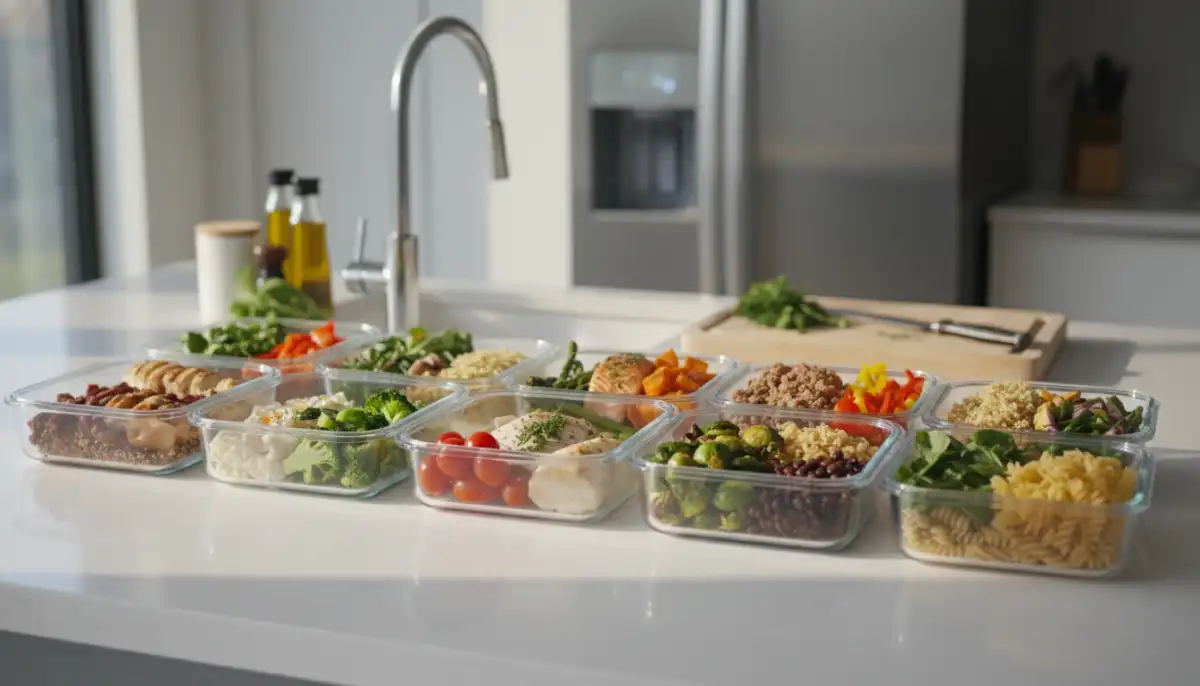
How to Make Quick One Pot Dinners for Exhausted Chefs
As a chef who has spent over a decade navigating the relentless pace of professional kitchens, I've seen firsthand the profound exhaustion that can set in. The same passion that drives us to create culinary magic can, paradoxically, leave us depleted. After a 12-hour shift, the last thing most of us want to do is face a mountain of dishes or a complex recipe. This is precisely why mastering the art of quick one pot dinners isn't just a convenience; it's a survival skill for the dedicated, yet weary, cook.
The problem is universal: we pour our energy, creativity, and skill into feeding others, often neglecting our own basic needs, like a nourishing and easily prepared meal. The mental load of menu planning, grocery shopping, prepping, cooking, and then cleaning up can feel insurmountable when your physical and mental batteries are running on empty. We crave comfort, flavor, and sustenance without the added stress of extensive kitchen time.
In this guide, I'm going to share my hard-won secrets for creating incredibly satisfying one pot dinners that minimize effort and maximize flavor. We'll delve into smart strategies, essential pantry staples, and foolproof techniques that will transform your post-work mealtime from a chore into a moment of restorative ease. Prepare to discover how to nourish yourself efficiently, even on your most demanding days.
The Philosophy of Effortless One Pot Cooking
At its core, one pot cooking for the exhausted chef is about strategic simplicity. It's not about sacrificing quality or flavor; it's about intelligent design. The goal is to leverage the inherent benefits of cooking everything in a single vessel – be it a pot, pan, skillet, or Dutch oven – to reduce active cooking time, minimize cleanup, and allow flavors to meld beautifully.
Think of it as culinary engineering for your own well-being. We're looking for recipes where ingredients can cook together harmoniously, where minimal stirring is required, and where the final result is a complete, balanced meal. This approach respects your limited energy reserves while still delivering the delicious, satisfying food you deserve after a long day of culinary creation.
The key is to have a repertoire of go-to recipes and a well-stocked pantry. This allows you to make a decision and get cooking within minutes, rather than spending precious energy figuring out what to make or realizing you're missing a crucial ingredient. It's about building systems that support you when you're at your most depleted.
Essential Pantry & Fridge Staples for the Busy Cook
A well-curated pantry is the bedrock of any quick meal strategy. For one pot wonders, focus on items that offer maximum flavor and versatility with minimal prep. These are the building blocks that allow you to pivot from 'what's for dinner?' to 'dinner is served!' in record time.
- Proteins: Canned beans (chickpeas, black beans, cannellini), lentils (red and green), pre-cooked chicken or sausage, frozen shrimp, firm tofu.
- Grains & Starches: Pasta (various shapes), rice (basmati, jasmine, arborio), quinoa, couscous, potatoes, sweet potatoes.
- Aromatics & Flavor Bases: Onions, garlic, ginger, canned diced tomatoes, tomato paste, vegetable or chicken broth (low sodium), soy sauce or tamari, vinegar (balsamic, red wine, apple cider).
- Vegetables: Frozen vegetables (peas, corn, broccoli florets, spinach), canned corn, jarred roasted red peppers, shelf-stable root vegetables (carrots, sweet potatoes). Fresh, sturdy greens like kale or spinach can be added at the end.
- Herbs & Spices: A robust collection is crucial! Think dried Italian seasoning, cumin, paprika (sweet and smoked), chili powder, curry powder, red pepper flakes, dried oregano, dried thyme, salt, and black pepper. Fresh herbs like parsley or cilantro can be a great garnish if you have them.
- Fats: Olive oil, butter, coconut oil.
Having these items readily available means you can often cobble together a delicious one pot meal with minimal fresh shopping. This significantly reduces decision fatigue and the need for last-minute grocery runs, which are often the bane of an exhausted cook's existence.
The Ultimate One Pot Dinner Formula
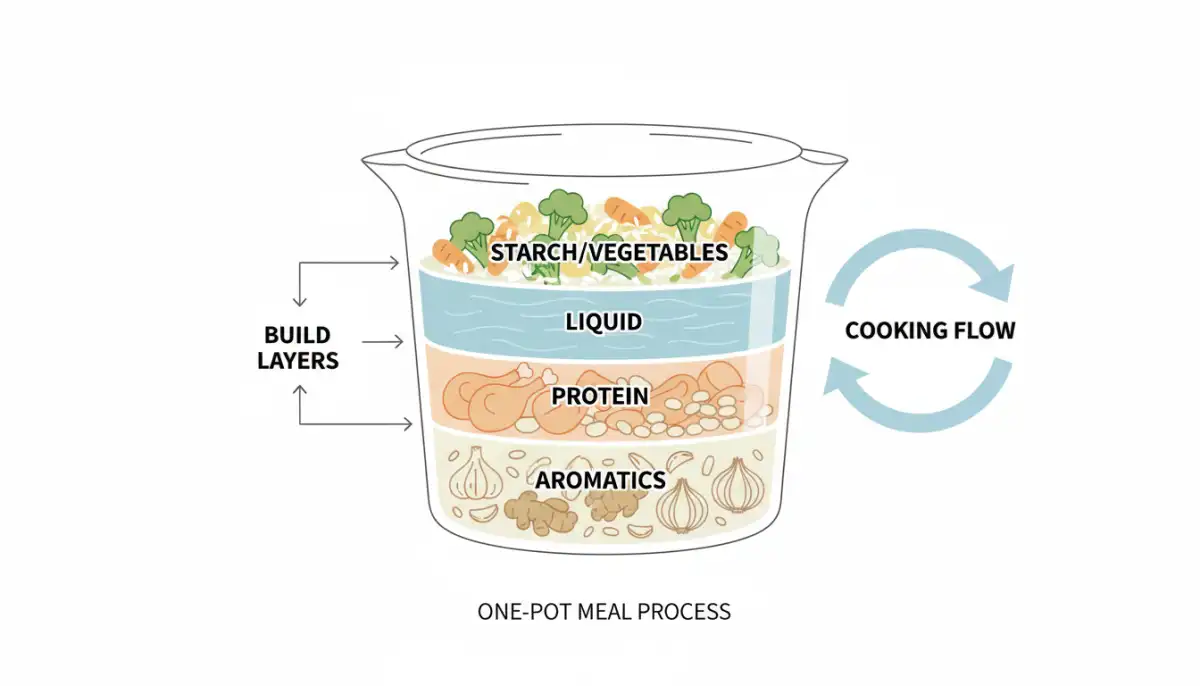
To consistently create successful one pot meals, I've developed a simple formula that works across many different cuisines and ingredients. It's about layering flavors and understanding cooking times. Think of this as your adaptable blueprint:
- Aromatic Foundation: Start by sautéing aromatics like onions and garlic in a bit of fat (oil or butter) in your pot over medium heat. This builds the first layer of flavor. If using, add harder vegetables like carrots or celery here.
- Protein & Primary Flavor: Add your protein (e.g., sausage, chicken thighs, tofu) and brown it slightly. Introduce your main flavorings – spices, tomato paste, curry paste, etc. – and cook for a minute or two until fragrant.
- Liquid & Simmer: Deglaze the pot with a splash of broth, wine, or water, scraping up any browned bits from the bottom (this is pure flavor!). Add your main liquid (broth, crushed tomatoes, coconut milk) and bring to a simmer.
- Starch & Vegetables: Add your starch (pasta, rice, quinoa) and any faster-cooking vegetables (broccoli florets, bell peppers). Ensure everything is mostly submerged in the liquid. Cover and cook according to the starch's package directions, or until tender.
- Finishing Touches: Stir in quick-cooking greens like spinach or kale in the last few minutes. Adjust seasoning with salt, pepper, and perhaps a squeeze of lemon or a dash of vinegar for brightness. Garnish with fresh herbs if desired.
This formula is incredibly flexible. For instance, a creamy Tuscan chicken pasta follows this by sautéing chicken and aromatics, adding broth, cream, pasta, and spinach. A simple lentil soup uses lentils as the starch and protein, with aromatics, broth, and vegetables.
Recipe 1: Speedy Sausage and White Bean Skillet
This is a go-to in my kitchen when I need something hearty and fast. It's packed with protein and fiber, and the flavors are robust and comforting.
Ingredients:
- 1 tbsp olive oil
- 1 lb Italian sausage (mild or hot), casings removed
- 1 medium onion, chopped
- 2 cloves garlic, minced
- 1 tsp dried oregano
- 1/2 tsp red pepper flakes (optional)
- 1 (15-oz) can cannellini beans, rinsed and drained
- 1 (14.5-oz) can diced tomatoes, undrained
- 1 cup low-sodium chicken or vegetable broth
- 2 cups fresh spinach
- Salt and freshly ground black pepper to taste
- Grated Parmesan cheese, for serving (optional)
Instructions:
- Heat olive oil in a large skillet or Dutch oven over medium-high heat. Add the sausage and cook, breaking it up with a spoon, until browned, about 5-7 minutes.
- Add the chopped onion and cook until softened, about 3-4 minutes. Stir in the minced garlic, dried oregano, and red pepper flakes (if using), and cook for 1 minute more until fragrant.
- Stir in the rinsed cannellini beans, diced tomatoes (with their juice), and chicken or vegetable broth. Bring the mixture to a simmer.
- Reduce heat to medium-low, cover, and let simmer for 10 minutes, allowing the flavors to meld.
- Stir in the fresh spinach and cook until wilted, about 1-2 minutes. Season with salt and pepper to taste.
- Serve hot, topped with grated Parmesan cheese if desired.
This dish comes together in under 30 minutes, making it a lifesaver on busy evenings. The combination of savory sausage, creamy beans, and tangy tomatoes is incredibly satisfying.
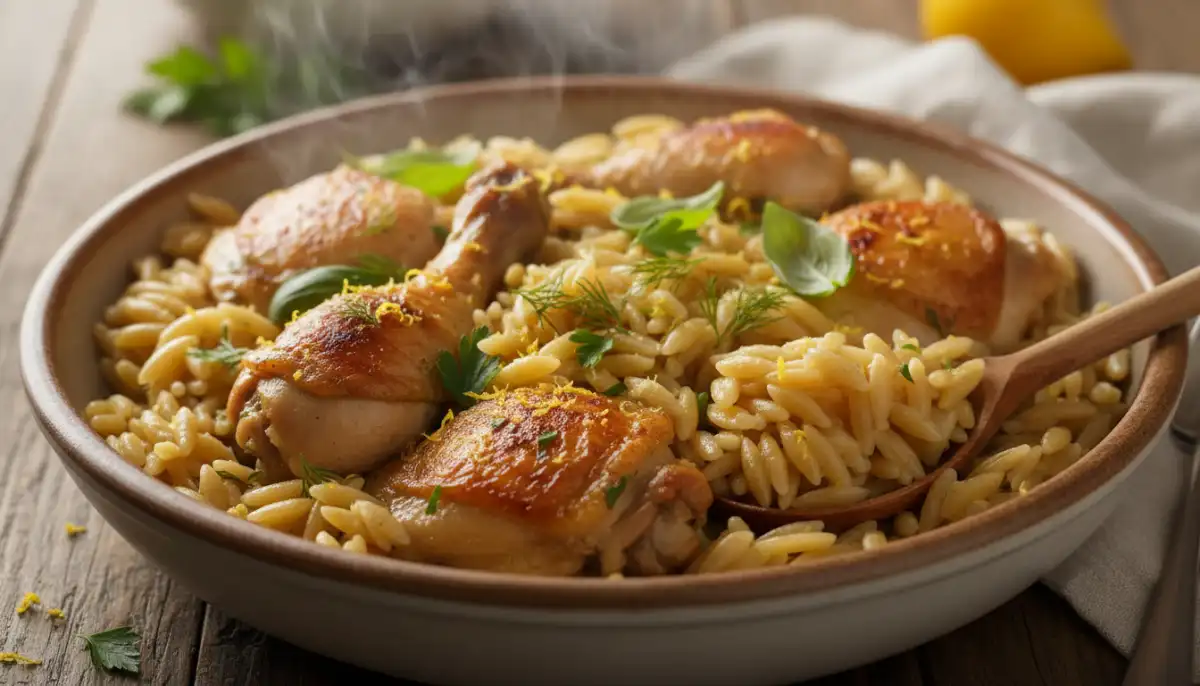
Recipe 2: One Pot Lemon Herb Chicken and Orzo
This recipe feels elegant enough for guests but is simple enough for a Tuesday night. The orzo cooks right in the pan, soaking up all the delicious chicken and herb flavors.
Ingredients:
- 1 tbsp olive oil
- 1.5 lbs boneless, skinless chicken thighs, cut into 1-inch pieces
- Salt and freshly ground black pepper
- 1 medium yellow onion, finely chopped
- 3 cloves garlic, minced
- 1 cup orzo pasta
- 2.5 cups low-sodium chicken broth
- 1/2 cup dry white wine (optional, can substitute with more broth)
- 1 tsp dried thyme
- 1 tsp dried rosemary
- Zest and juice of 1 lemon
- 1/4 cup chopped fresh parsley
- 1/4 cup chopped fresh dill (optional)
Instructions:
- Heat olive oil in a large, deep skillet or Dutch oven over medium-high heat. Season chicken pieces generously with salt and pepper.
- Add chicken to the hot skillet and cook until golden brown on all sides, about 5-7 minutes. Remove chicken from the skillet and set aside.
- Add the chopped onion to the skillet and cook until softened, about 3-4 minutes. Add the minced garlic and cook for 1 minute more until fragrant.
- Stir in the orzo pasta, dried thyme, and dried rosemary. Toast the orzo for about 1 minute, stirring constantly.
- Pour in the chicken broth and white wine (if using). Bring to a boil, scraping up any browned bits from the bottom of the skillet.
- Return the browned chicken to the skillet. Reduce heat to medium-low, cover, and simmer for 12-15 minutes, or until the orzo is al dente and most of the liquid has been absorbed.
- Remove from heat. Stir in the lemon zest, lemon juice, fresh parsley, and dill (if using). Season with salt and pepper to taste.
- Let stand for a few minutes before serving.
This dish is a complete meal in one pan, offering tender chicken, perfectly cooked orzo, and bright, herbaceous flavors. The lemon adds a crucial lift that cuts through the richness.
Recipe 3: Quick Coconut Curry Lentil Soup
Lentils are a nutritional powerhouse and cook relatively quickly, making them ideal for an exhausted chef. This curry soup is warming, fragrant, and incredibly easy to make.
Ingredients:
- 1 tbsp coconut oil or olive oil
- 1 large onion, chopped
- 2 carrots, peeled and diced
- 2 celery stalks, diced
- 3 cloves garlic, minced
- 1 tbsp grated fresh ginger
- 1 tbsp curry powder
- 1 tsp ground cumin
- 1/2 tsp turmeric
- 1/4 tsp cayenne pepper (or more, to taste)
- 1.5 cups red lentils, rinsed
- 4 cups vegetable broth
- 1 (13.5-oz) can full-fat coconut milk
- 1 tbsp lime juice
- Salt and pepper to taste
- Fresh cilantro, chopped, for garnish
Instructions:
- Heat oil in a large pot or Dutch oven over medium heat. Add onion, carrots, and celery. Cook until softened, about 7-10 minutes.
- Add garlic and ginger and cook for 1 minute until fragrant.
- Stir in curry powder, cumin, turmeric, and cayenne pepper. Cook for another minute, stirring constantly, until spices are fragrant.
- Add the rinsed red lentils and vegetable broth to the pot. Bring to a boil, then reduce heat, cover, and simmer for 15-20 minutes, or until lentils are tender.
- Stir in the coconut milk and lime juice. Heat through gently (do not boil). Season generously with salt and pepper.
- Ladle into bowls and garnish with fresh cilantro.
This soup is a complete meal, offering plant-based protein, fiber, and warming spices. It's comforting, nourishing, and requires minimal active cooking time. Red lentils break down beautifully, creating a creamy texture without added dairy.
Leveraging Frozen Foods for Ultimate Speed
Frozen vegetables and proteins are not a compromise; they are a strategic advantage for the busy cook. They are picked at peak ripeness and flash-frozen, preserving nutrients and flavor. For one pot meals, they are invaluable.
- Frozen Vegetables: Peas, corn, chopped broccoli, spinach, mixed vegetables – these can be added directly from the freezer into your simmering pot. They cook quickly and add color, texture, and nutrients without any chopping or washing.
- Frozen Proteins: Shrimp, pre-cooked chicken strips, or meatballs can be thawed quickly or sometimes even cooked from frozen in sauces.
- Frozen Aromatics: Some brands offer pre-minced garlic and ginger, which can be a lifesaver when you're too tired to chop.
When incorporating frozen items, especially vegetables, add them towards the end of the cooking process to prevent them from becoming mushy. Spinach, for instance, only needs a minute or two to wilt. Peas and corn are usually tender in 5 minutes or less.
Consider keeping a bag of a versatile frozen vegetable mix (like peas, carrots, and corn) on hand. It can instantly elevate a simple pasta or rice dish with minimal effort.
Smart Shortcuts and Prep-Ahead Hacks
Even with one pot cooking, a little bit of strategic prep can make a world of difference. These hacks are designed to save you energy during the week.
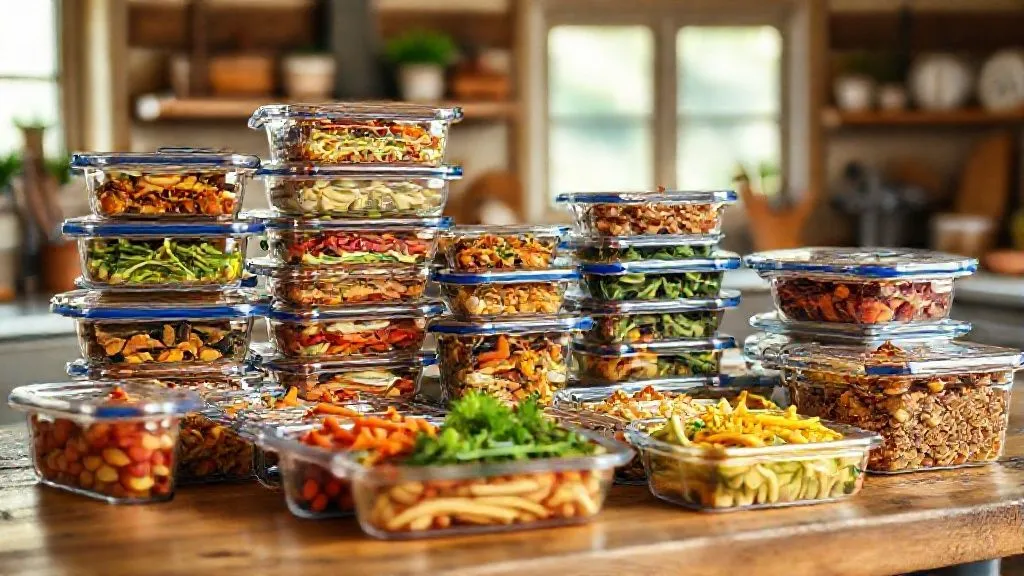
- Mise en Place on Weekends: Dedicate a small amount of time on a less busy day (like Sunday) to chop onions, garlic, and any hardy vegetables you anticipate using. Store them in airtight containers in the fridge.
- Pre-portioned Spice Blends: Mix your common spice combinations (like taco seasoning or Italian herbs) in small jars. When you need them, you just scoop and add.
- Broth Cubes/Powders: While not as flavorful as homemade or low-sodium boxed broth, good quality broth cubes or powders are shelf-stable and can be a quick way to add liquid and flavor.
- Jarred vs. Canned: Sometimes, jarred ingredients like roasted red peppers or artichoke hearts offer a more intense flavor and softer texture with zero prep.
A fantastic example of this is a pre-chopped mirepoix (onions, carrots, celery). Having this ready to go in your fridge means you can start building the flavor base of almost any soup, stew, or skillet meal in under 5 minutes. As reported by the Food Business News, the frozen food sector has seen significant growth as consumers seek convenience without sacrificing quality, a trend that perfectly aligns with our one-pot strategy.
Case Study: The "Emergency Pasta" System
Chef Maria, who works at a popular downtown bistro, was constantly battling dinner fatigue. Her solution? An "Emergency Pasta" system. On Sunday, she'd chop a large batch of onions and garlic and store them. She also pre-portioned dried herbs into small containers. Her go-to? A simple one-pot pasta. When she gets home, she sautés the pre-chopped aromatics, adds sausage or canned beans, a can of diced tomatoes, broth, and her pasta. Everything cooks together. She says, "It's my 20-minute savior. I can actually eat a decent meal without feeling like I've started another shift." This system, built on minimal weekend prep and a core one-pot recipe, dramatically reduced her dinner stress.
Recipe 4: Sheet Pan Lemon Herb Roasted Salmon and Asparagus
While technically a 'sheet pan' meal, this still qualifies as one-pot cooking as everything cooks together with minimal intervention and cleanup. It's incredibly healthy and quick.
Ingredients:
- 1 lb salmon fillet, skin on or off
- 1 lb asparagus, tough ends trimmed
- 2 tbsp olive oil
- 1 tsp dried dill
- 1 tsp dried parsley
- 1/2 tsp garlic powder
- Salt and freshly ground black pepper to taste
- 1 lemon, half sliced, half for juicing
Instructions:
- Preheat oven to 400°F (200°C). Line a large baking sheet with parchment paper for easy cleanup.
- In a bowl, toss the asparagus with 1 tbsp olive oil, salt, pepper, dill, and parsley. Spread in a single layer on one side of the prepared baking sheet.
- Pat the salmon fillet dry. Place it on the other side of the baking sheet. Drizzle with the remaining 1 tbsp olive oil, and season with garlic powder, salt, and pepper. Top the salmon with the lemon slices.
- Bake for 12-15 minutes, or until the salmon is cooked through and flakes easily with a fork, and the asparagus is tender-crisp. Cooking time will vary depending on the thickness of the salmon.
- Squeeze fresh lemon juice over the salmon and asparagus before serving.
This is a fantastic example of a complete, healthy meal that requires very little active time. The oven does most of the work, and cleanup is a breeze thanks to the parchment paper. For an even quicker version, use pre-trimmed asparagus.
The Importance of Flavor Boosters
When you're exhausted, complex flavor development can feel like too much. That's where smart flavor boosters come in. These are ingredients that pack a punch with minimal effort.
- Acids: A squeeze of lemon or lime juice, a splash of vinegar (balsamic, red wine, apple cider) at the end of cooking can brighten flavors immensely.
- Umami Bombs: A spoonful of tomato paste, a dash of soy sauce or Worcestershire sauce, or even a sprinkle of nutritional yeast can add depth and savoriness.
- Heat: Red pepper flakes, a dash of hot sauce, or a pinch of cayenne can wake up tired taste buds.
- Fresh Herbs: While requiring a bit of chopping, fresh parsley, cilantro, or basil added at the very end can transform a dish from good to great. Keep a small pot of basil on your windowsill for easy access.
A study published in Nature highlights how taste perception is complex and influenced by various factors, including aroma and texture, but also the interplay of basic tastes like sourness and saltiness. Utilizing these boosters ensures your simple meals are still perceived as complex and satisfying.
Making One Pot Meals Work for Different Diets
The beauty of the one pot method is its adaptability. Whether you're vegetarian, vegan, gluten-free, or dairy-free, you can tailor these recipes.
- Vegetarian/Vegan: Swap meat for extra beans, lentils, tofu, or plant-based sausages. Use vegetable broth instead of chicken broth and ensure your coconut milk is dairy-free.
- Gluten-Free: Opt for gluten-free pasta, quinoa, or rice. Ensure your broths and any pre-made sauces are certified gluten-free. Most of the recipes shared are naturally gluten-free or easily adaptable.
- Dairy-Free: Omit cheese toppings or use dairy-free alternatives. Ensure your broth and other ingredients are dairy-free. Coconut milk is a great dairy-free option for creaminess.
For example, the Sausage and White Bean Skillet can easily become a vegan dish by using vegan sausage and vegetable broth. The Lemon Herb Chicken and Orzo can be made vegetarian by substituting chicken with chickpeas or white beans and using vegetable broth. The key is understanding ingredient substitutions, which is a fundamental skill in professional kitchens that translates perfectly to home cooking.
FAQ
What if I don't have a specific pot or pan mentioned? The beauty of one pot cooking is its flexibility. If a recipe calls for a skillet, a Dutch oven or a deep sauté pan will work. If it calls for a pot, a Dutch oven or even a large saucepan can be used. The key is ensuring the vessel is large enough to hold all ingredients comfortably and can be used on the stovetop (and potentially in the oven, if specified). For sheet pan meals, any sturdy baking sheet will suffice.
How do I prevent ingredients from overcooking or undercooking in a one pot meal? This is where understanding cooking times is crucial. Generally, you add ingredients in stages: aromatics and hard vegetables first, then proteins and starches, and finally quick-cooking vegetables or greens. Referencing the 'Ultimate One Pot Dinner Formula' above can guide you. For specific recipes, always check the ingredient package for cooking times (especially for pasta, rice, or grains) and adjust based on your stove's heat. It's also helpful to taste as you go.
Can I make these meals ahead of time? Many one pot meals hold up well and can be made ahead. Soups and stews often taste even better the next day. Pasta dishes can become a bit softer upon reheating, but are still perfectly edible. For dishes with delicate greens like spinach, it's best to add them just before serving or upon reheating to maintain their texture. Consider recipes like the Lentil Curry Soup or Sausage and White Bean Skillet as excellent make-ahead options. For instance, a study by PubMed Central on food preparation suggests that strategic meal prepping can significantly reduce daily stress and improve dietary quality.
What's the secret to making one pot meals flavorful and not bland? Flavor is built in layers. Start with a strong aromatic base (onions, garlic, ginger). Use good quality broth or stock. Don't shy away from spices and herbs – toast dried spices briefly to release their oils. A touch of acidity (lemon juice, vinegar) or umami (soy sauce, tomato paste) at the end is critical for balancing and enhancing flavors. And always, always taste and adjust seasoning before serving.
Are there specific ingredients that are better suited for one pot cooking? Yes. Ingredients that cook relatively quickly and can withstand simmering are ideal. This includes pasta, rice, quinoa, lentils, beans, and most vegetables (especially root vegetables, bell peppers, and sturdy greens). Proteins like chicken thighs, sausage, ground meat, and fish fillets also work well. Avoid delicate ingredients that require precise, short cooking times unless added right at the end.
Recommended Reading
- The Secret to Flavor Harmony: How to Balance Flavors in Asian Fusion Cooking
- 7 Proven Strategies: Scaling Vegan Comfort Food for Restaurant Menus
Key Takeaways and Final Thoughts
- Embrace the philosophy of strategic simplicity in your cooking.
- Stock your pantry with versatile staples that enable quick meal assembly.
- Master the one pot formula for layering flavors and managing cooking times.
- Don't underestimate the power of frozen foods and smart shortcuts.
- Utilize flavor boosters like acids, umami sources, and herbs to elevate simple dishes.
- Adapt recipes to fit various dietary needs with simple substitutions.
As chefs, we are accustomed to demanding environments and high expectations. When we step out of the professional kitchen and into our own, we deserve meals that nourish us without demanding more than we have to give. By incorporating these quick one pot dinner strategies, you can reclaim your evenings, reduce kitchen stress, and still enjoy delicious, satisfying meals. Remember, cooking for yourself is an act of self-care, and it should be restorative, not another chore. You've earned it.

0 Comentários: