 By
By 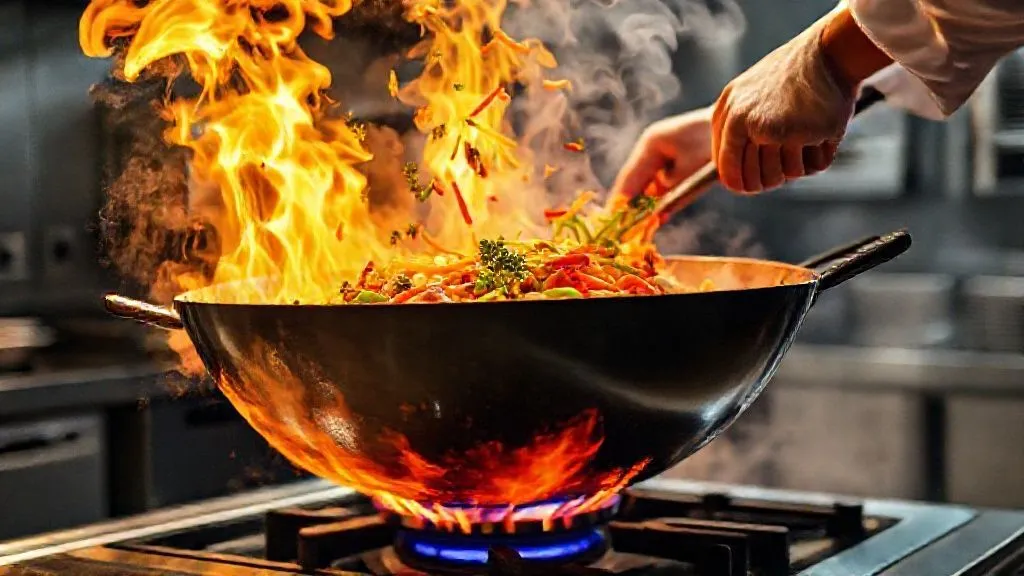
How to Rapidly Cook Perfect One-Pot Stir-Fries for Restaurant Service?
For over two decades in the demanding world of professional kitchens, I've witnessed the exhilarating chaos and precise artistry required to execute high-volume service. Few dishes encapsulate this challenge quite like the stir-fry – a dish that, when done right, is a symphony of flavors and textures, but when rushed or mishandled, can quickly turn into a soggy disappointment. I've personally trained countless chefs, from bustling street food vendors to Michelin-starred establishments, all grappling with the same core problem: how to deliver consistent, exceptional stir-fries at lightning speed.
The pressure to churn out perfect stir-fries during peak restaurant hours is immense. Chefs often face a dilemma: sacrifice quality for speed, or meticulously craft each dish, risking service delays and unhappy customers. The common pitfalls include unevenly cooked ingredients, lack of authentic 'wok hei,' sauces that break, and an overall inconsistent product that erodes customer trust and kitchen morale. This isn't just about cooking; it's about mastering a complex dance of timing, heat, and precise execution under duress.
In this definitive guide, I'll pull back the curtain on the strategies and techniques I've refined over years, showing you precisely how to rapidly cook perfect one-pot stir-fries for restaurant service. We'll delve into everything from meticulous mise en place and ingredient science to advanced wok techniques and streamlined kitchen workflows. My goal is to equip you with actionable frameworks and expert insights, transforming your stir-fry station into a model of efficiency and culinary excellence, ensuring every dish that leaves your pass is a testament to perfection.
The Foundation: Mastering Mise en Place for Speed and Consistency
Before any flame touches a wok, the battle for speed and perfection is won or lost at the prep station. Mise en place, French for 'everything in its place,' is not just a culinary philosophy; it's the bedrock of rapid stir-fry execution in a restaurant setting. Without it, even the most skilled chef will falter under pressure.
Pre-Prep: The Unsung Hero of Stir-Fry Success
True stir-fry efficiency begins long before service. This involves more than just chopping vegetables; it's about understanding the specific cooking requirements of each ingredient. Proteins like chicken, beef, or shrimp should be cut into uniform, bite-sized pieces and often marinated to tenderize and impart flavor. Vegetables should be categorized by their density and cooking time – hard vegetables like carrots and broccoli might benefit from a quick blanching, while softer ones like bell peppers and onions simply need to be uniformly sliced.
I've seen countless kitchens scramble because their pre-prep was insufficient. It's not enough to have ingredients ready; they must be ready in the *right* way. This means precise cuts for even cooking, and proper marination to minimize actual wok time. According to the National Restaurant Association, optimized kitchen workflows can reduce prep time by up to 20%, directly impacting service speed. Source
Optimizing Your Stir-Fry Station Layout
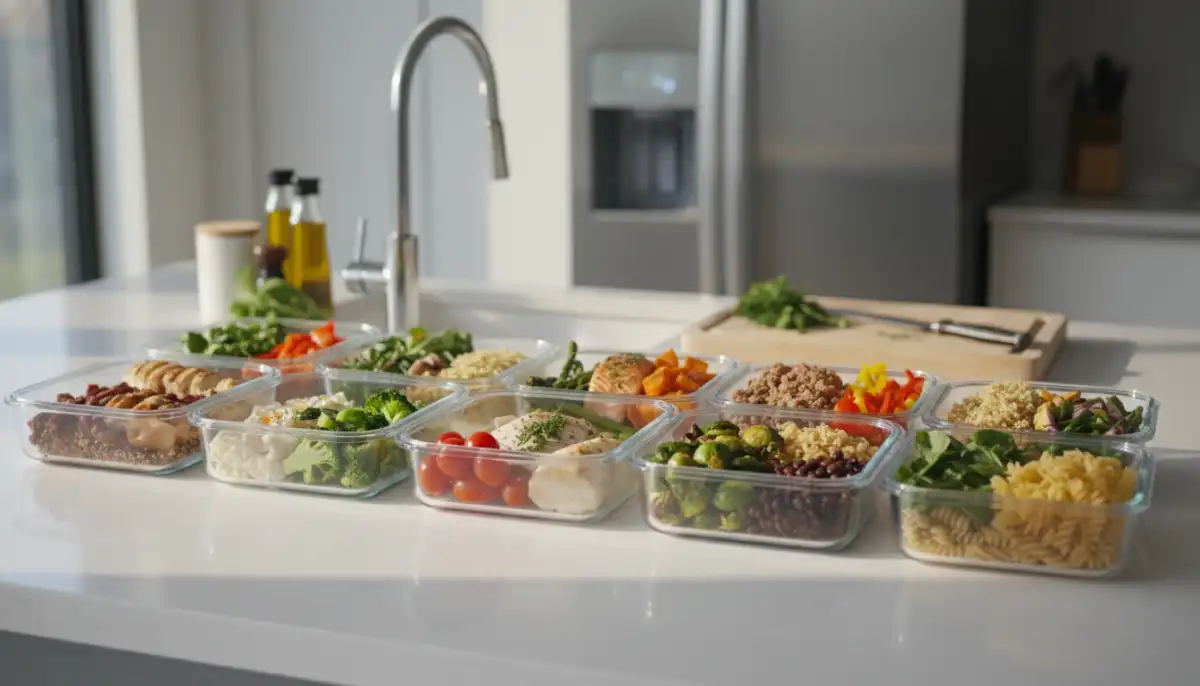
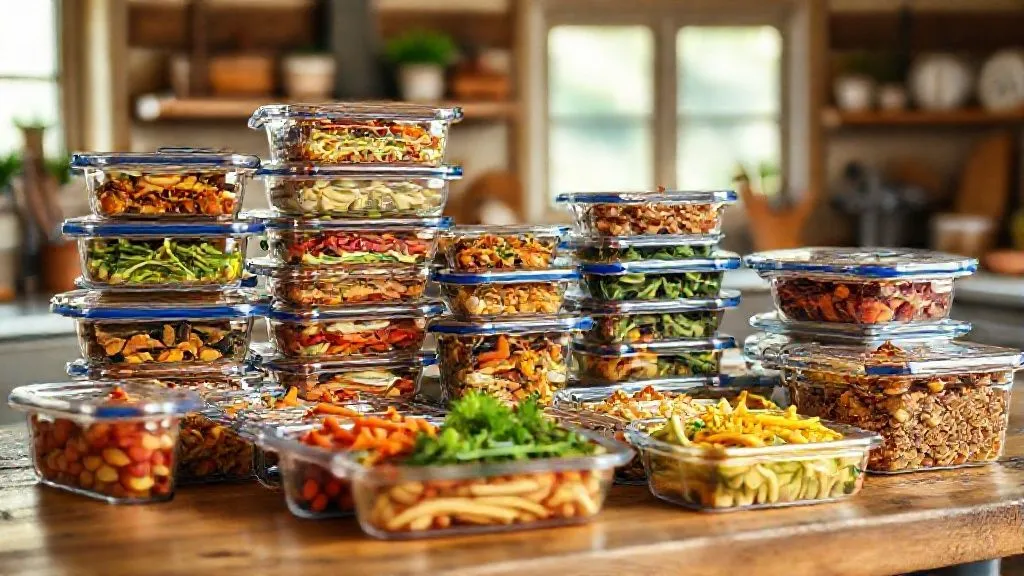
A well-designed stir-fry station is a chef's best friend. Think of it as a cockpit, with every control and ingredient within arm's reach. Your wok burner should be powerful and easily accessible, with dedicated areas for pre-portioned proteins, vegetables, aromatics (garlic, ginger, chilies), and pre-mixed sauces. Utilize clear, stackable containers for ingredients, labeled clearly to avoid confusion during the rush. The flow should be intuitive: grab protein, grab hard veg, grab soft veg, grab sauce, wok, plate.
This ergonomic approach minimizes wasted motion and thought, allowing the chef to focus purely on the cooking technique. It reduces the cognitive load during high-stress periods, ensuring that the process becomes almost muscle memory. A logical flow from raw ingredients to plated dish is paramount for speed.

Ingredient Selection and Preparation: Quality Meets Efficiency
The success of a stir-fry, particularly in a high-volume setting, hinges on the quality and precise preparation of its components. You can't rush poor quality ingredients or compensate for uneven cutting with mere speed. This section dives into the specifics that make a tangible difference.
Choosing the Right Proteins and Vegetables
For rapid cooking, select proteins that cook quickly and remain tender. Think thinly sliced beef tenderloin or flank steak, chicken breast or thigh cut into strips, shrimp, or tofu. These ingredients absorb marinades well and achieve ideal texture in minutes. For vegetables, a mix of textures and colors is key, but always prioritize freshness. Crisp vegetables like snow peas, broccoli florets, and bell peppers hold up well to high heat, while leafy greens like bok choy require less cooking time.
I advise sourcing from reputable suppliers who can guarantee freshness and consistency. As food safety guidelines from organizations like the FDA emphasize, proper handling and storage from the moment ingredients arrive are crucial to preventing spoilage and ensuring quality throughout service. Source
The Art of Uniform Cutting and Blanching
Uniformity in cutting is non-negotiable for rapid stir-fries. Irregularly sized pieces will cook at different rates, leading to some being overcooked and others undercooked. Aim for consistent, bite-sized pieces for all ingredients. Harder vegetables, such as carrots, broccoli, or snap peas, can benefit significantly from a quick blanching or par-cooking before service. This pre-treatment softens them slightly, reducing their cooking time in the wok and ensuring they reach that perfect crisp-tender texture simultaneously with other ingredients.
This small step saves critical seconds per order and guarantees a superior product. It's about front-loading the effort to streamline the real-time cooking process. This also applies to noodles; par-cooking them ensures they just need a quick toss and sauce absorption in the wok.
| Ingredient Type | Pre-Prep Method | Impact on Speed |
|---|---|---|
| Protein | Marinate & portion | Reduces cooking time, enhances flavor |
| Hard Vegetables | Blanch or par-cook | Ensures even cooking, maintains crispness |
| Soft Vegetables | Pre-cut & ready | Minimizes last-minute work, prevents overcooking |
Wok Mastery: Heat, Technique, and Wok Hei
The wok is more than just a pan; it's a culinary instrument, and understanding its nuances is central to producing truly authentic and rapid stir-fries. Mastering heat control and fundamental techniques is the heart of how to rapidly cook perfect one-pot stir-fries for restaurant service.
Understanding Commercial Wok Burners and Heat Control
Commercial wok burners are beasts of heat, capable of reaching scorching temperatures far beyond home stovetops. This intense heat is crucial for achieving wok hei – the coveted 'breath of the wok' flavor characterized by a smoky, caramelized aroma and taste. Learn to use your burner's full range, from roaring high flames for searing to controlled medium heat for simmering sauces. Always preheat your wok until it's smoking before adding oil; this creates a non-stick surface and ensures immediate searing of ingredients.
The ability to instantly adjust heat is a game-changer. I always tell my students: the wok isn't just heated; it's *managed*. You're constantly finessing the flame based on what's in the pan and what stage of cooking you're at. This dynamic control is what separates a novice from a master.
The Essential Stir-Fry Techniques: Tossing and Spreading
Two primary techniques define wok cooking: tossing and spreading. Tossing involves rapidly lifting and flipping ingredients in the wok, ensuring even exposure to heat and preventing burning. This also aerates the food, contributing to wok hei. Spreading involves pushing ingredients up the sides of the wok, allowing the base to regain heat for new additions, or to sear ingredients in a single layer. A good wok chef is always moving, never letting ingredients sit idle.
"Wok hei isn't just a flavor; it's the signature of a master, achieved through intense heat and swift, confident movements. It's what separates a good stir-fry from an unforgettable one."
The rhythm of tossing and spreading becomes second nature with practice. It's a dance between the chef, the ingredients, and the fierce heat of the wok, all orchestrated to cook food quickly and perfectly.
Crafting the Perfect Sauce: Speed and Flavor Profile
The sauce is the soul of a stir-fry, binding all the disparate ingredients into a harmonious dish. For restaurant service, consistency and speed in sauce application are just as critical as the cooking itself. Generic, watery sauces are a common pitfall; a great stir-fry sauce elevates the entire experience.
Pre-Batching Sauces for Consistent Quality
Never mix sauces to order during a rush. This is a recipe for inconsistency and delays. Develop a core set of versatile stir-fry sauces – perhaps a savory brown sauce, a spicy Szechuan, a sweet and sour, or a light garlic-ginger. These should be pre-batched in large quantities, stored in squeeze bottles or portioned containers, and kept within easy reach at the stir-fry station. This ensures every dish receives the exact same flavor profile, every single time.
When I was running my own kitchen, our sauce station was meticulously managed. Each sauce was tasted daily for consistency. This dedication to pre-batching not only streamlines service but also guarantees the brand's flavor integrity. It's a foundational element of high-volume consistency.
Balancing Flavors for Diverse Palates
A truly perfect stir-fry sauce achieves a delicate balance of sweet, savory, tangy, and sometimes spicy notes. Consider your target demographic and offer variations. Ensure your base sauces are robust enough to coat ingredients without being overpowering. Ingredients like soy sauce, oyster sauce, rice vinegar, sugar, sesame oil, and cornstarch (for thickening) are staples. Always taste and adjust your pre-batched sauces. A well-balanced sauce enhances the natural flavors of the fresh ingredients rather than masking them.
Remember, the goal is to create a sauce that clings beautifully to the ingredients, delivering a burst of flavor with every bite. The cornstarch slurry, added at the very end of the cooking process, is your secret weapon for achieving that glossy, perfect consistency.
Streamlining the Cooking Process: Order to Plate in Minutes
This is where all the meticulous preparation and technical mastery come together. The goal is a seamless, almost automatic flow from receiving an order to plating a piping hot, perfect stir-fry. This section details the precise workflow needed to achieve that rapid execution.
The One-Pot Workflow: Adding Ingredients in Sequence
The beauty of the one-pot stir-fry lies in its efficiency. Ingredients are added in a specific sequence, based on their cooking times, ensuring everything finishes perfectly together. This requires speed, confidence, and a deep understanding of your ingredients. The process should feel like a well-choreographed dance, not a frantic scramble.
I’ve developed a mental checklist that becomes second nature: high heat, oil, sear protein, add hard veg, add soft veg, aromatics, sauce, quick toss, plate. Any deviation from this sequence risks undercooked or overcooked components. It's a disciplined approach that yields consistent results.
Case Study: "The Golden Wok" Restaurant's 3-Minute Stir-Fry System
The Golden Wok, a bustling Asian eatery in a metropolitan area, faced significant challenges during peak dinner service. Their stir-fries, while flavorful, were taking 7-8 minutes to prepare per order, leading to long wait times and customer complaints. By implementing a rigorous pre-prep system and standardizing their one-pot workflow, they transformed their kitchen. They invested in high-BTU wok burners, trained their chefs extensively on ingredient sequencing, and pre-batched all sauces and marinades. Within three months, they consistently achieved a 3-minute order-to-plate time for their stir-fries, even during their busiest hours. This resulted in a 25% increase in customer turnover and a significant boost in positive online reviews, demonstrating the power of a streamlined process.
- Receive Order & Confirm: Chef quickly reviews the order for any special requests.
- Heat Wok & Add Oil: Wok is brought to screaming hot temperature, then a precise amount of high smoke point oil is added.
- Introduce Proteins (Sear): Pre-portioned, marinated proteins are added first, spread out, and seared quickly to develop flavor.
- Add Hard Vegetables (Sauté): Blanched or par-cooked harder vegetables are added next, tossed briefly.
- Add Soft Vegetables & Aromatics: Softer vegetables and aromatics like garlic and ginger go in last, cooking quickly to retain freshness.
- Pour Pre-Batched Sauce: A precisely measured amount of pre-mixed sauce is poured over the ingredients.
- Toss Rapidly & Finish: Ingredients are vigorously tossed to coat evenly and finish cooking, achieving wok hei.
- Plate & Garnish: The stir-fry is immediately transferred to a hot plate and garnished for service.

Quality Control and Consistency: Every Plate a Masterpiece
Achieving speed is only half the battle; maintaining impeccable quality and consistency across every single order is the hallmark of a truly expert kitchen. This requires vigilance, clear standards, and continuous training. You want every customer to experience the 'perfect' stir-fry, not just some of them.
Visual Cues and Sensory Checks
Train your culinary team to rely on more than just a timer. Visual cues are critical: vegetables should be vibrant and crisp-tender, not limp or browned. Proteins should show signs of caramelization but remain juicy. The sauce should be glossy and cling to the ingredients, not pool at the bottom of the plate. Aroma is another powerful indicator – the smoky essence of wok hei should be present, along with the fresh scent of aromatics. A quick taste test of the finished product, if time permits, is the ultimate quality check.
I always taught my apprentices: 'Cook with your eyes, nose, and ears, not just your hands.' The sizzle, the aroma, the color – these are your guides to perfection in a fast-paced environment. This sensory approach is key to consistently delivering on the promise of how to rapidly cook perfect one-pot stir-fries for restaurant service.
Training Your Culinary Team for Stir-Fry Excellence
Consistency starts with comprehensive training. Each chef on the stir-fry station must understand the entire process, from ingredient prep to plating. Implement standardized recipes and clear operational procedures. Conduct regular taste tests and provide constructive feedback. Cross-training is also vital, allowing team members to step in confidently if needed. A well-trained team is a resilient team, capable of maintaining high standards even during the most intense rushes.
Invest in your people. A skilled and confident team is your greatest asset in achieving both speed and quality. Continuous professional development, including workshops on advanced wok techniques, can significantly elevate your kitchen's overall output and morale.
| Quality Aspect | Indicator | Action |
|---|---|---|
| Texture | Vegetables crisp-tender, proteins tender | Adjust cooking time/heat |
| Flavor Balance | Sweet, savory, umami, spicy notes present | Taste test, adjust sauce seasoning |
| Aroma | Smoky 'wok hei' present, fresh aromatics | Ensure high heat, proper tossing |
| Presentation | Vibrant colors, well-coated, appealing arrangement | Garnish, plate quickly |

Troubleshooting Common Stir-Fry Challenges in Service
Even with the best preparation, challenges can arise during high-volume service. Knowing how to quickly diagnose and rectify common stir-fry issues is what distinguishes a seasoned professional. I've encountered these pitfalls countless times, and I've learned the rapid fixes.
Preventing Soggy Vegetables and Overcooked Proteins
The most common complaints are soggy vegetables and tough, overcooked proteins. Soggy vegetables usually stem from insufficient wok heat, overcrowding the wok, or adding too much moisture (e.g., from un-drained blanched vegetables or watery sauce). Ensure your wok is screaming hot, cook in smaller batches if necessary, and always drain blanched vegetables thoroughly. For proteins, the culprit is often cooking them too long or at too low a heat, preventing a proper sear. Sear proteins quickly at high heat, then remove them if they're small, adding them back in at the very end to finish cooking with the sauce.
Overcrowding the wok is a cardinal sin. It drops the temperature dramatically, steaming your ingredients instead of stir-frying them. When in doubt, cook in two smaller batches rather than one large, compromised one. According to a study published in the Journal of Culinary Science & Technology, proper heat management and ingredient sequencing are the most critical factors in preventing common stir-fry failures in high-volume kitchens. Source
Managing Multiple Orders and Rush Hour Demands
During peak hours, managing multiple stir-fry orders simultaneously requires exceptional focus and coordination. If your station allows, dedicate separate woks for different order types (e.g., one for meat, one for vegetarian) to prevent cross-contamination and speed up cooking. Utilize a clear order ticket system and prioritize based on ticket times. Train your team to communicate effectively, calling out finished dishes and incoming orders. This synchronized effort ensures that even under immense pressure, the quality and speed remain consistent.
I've seen kitchens crumble under the weight of a rush because of poor communication. A simple 'two chicken stir-fries, one beef, on deck!' can make all the difference. It's about anticipating, not reacting. This proactive approach helps to maintain the high standards required for how to rapidly cook perfect one-pot stir-fries for restaurant service.
Frequently Asked Questions (FAQ)
What's the ideal type of oil for high-heat stir-frying in a restaurant? For high-heat stir-frying, you need an oil with a high smoke point. Refined peanut oil, canola oil, or grapeseed oil are excellent choices. They can withstand the intense temperatures of commercial wok burners without breaking down and imparting off-flavors. Avoid olive oil or butter, as they will burn quickly.
How do I prevent my stir-fry sauce from becoming too watery or too thick? Sauce consistency is key. If it's too watery, you likely added too much liquid or didn't use enough cornstarch slurry. If it's too thick, you might have too much cornstarch or cooked it too long. The trick is to add the cornstarch slurry (cornstarch mixed with an equal part cold water) gradually at the very end of cooking, stirring constantly until the desired glossy consistency is achieved. Always start with less and add more if needed.
Is it better to cook stir-fries in small batches or one large batch during a rush? Always opt for smaller, manageable batches, even if it means cooking more frequently. Overcrowding the wok is the fastest way to drop the temperature, steam your ingredients, and end up with a soggy, bland stir-fry. It's far more efficient to cook two perfect small batches quickly than one large, compromised batch slowly. Consistency and quality should never be sacrificed for perceived speed.
How can I ensure my proteins are tender and not chewy? For tender proteins, proper marination and quick, high-heat searing are crucial. Marinating proteins like beef or chicken with a bit of cornstarch, soy sauce, and a touch of baking soda (for beef) can help tenderize them. When cooking, sear them quickly in a very hot wok until just browned, then remove them from the wok. Add them back in only at the very end, after the vegetables and sauce, to finish cooking without overdoing them.
What's the secret to achieving 'wok hei' consistently? Wok hei is achieved through a combination of extreme heat, rapid cooking, and the slight caramelization of food as it touches the hot metal and the flames. Ensure your wok is smoking hot before adding oil. Don't overcrowd the wok. Use a powerful burner that can maintain heat. And most importantly, keep the ingredients moving constantly, tossing them vigorously to expose them evenly to the heat and allowing any excess moisture to evaporate quickly. Practice makes perfect in mastering this elusive but essential stir-fry characteristic.
Key Takeaways and Final Thoughts
Mastering the art of rapid, perfect one-pot stir-fries for restaurant service is a journey of continuous refinement. It's a testament to the power of meticulous preparation, precise technique, and an unwavering commitment to quality. The strategies we've explored, from optimizing your mise en place to finessing your wok technique and streamlining your workflow, are not just theoretical; they are battle-tested principles that will transform your kitchen's efficiency and the quality of your output.
- Prioritize Mise en Place: Your prep work is 80% of the battle.
- Master Wok Heat: High, consistent heat is non-negotiable for authentic stir-fries.
- Standardize Sauces: Pre-batching ensures consistency and speed.
- Follow a Strict Workflow: Ingredient sequencing is key to even cooking.
- Train Your Team: Consistency comes from skilled and synchronized chefs.
- Embrace Quality Control: Rely on sensory cues to ensure every dish meets your standards.
- Troubleshoot Proactively: Learn to identify and fix common issues quickly.
Remember, every stir-fry you send out is a reflection of your kitchen's commitment to excellence. By applying these expert insights, you're not just cooking faster; you're cooking smarter, more consistently, and ultimately, delivering a superior culinary experience to every guest. Keep pushing the boundaries of what's possible in your kitchen, and you'll find that the perfect, rapidly cooked one-pot stir-fry is not just an aspiration, but a consistent reality.
Recommended Reading
- Unlock Perfect Bakes: How to Use Leavening Agents Correctly in Baking!
- Cracking the Collapse: Why Your Commercial Gluten-Free Bread Fails & 5 Fixes
- Mastering Gluten-Free Prep: 7 Steps for Shared Professional Kitchens?
- 5 Proven Ways to Banish Metallic Notes from Your Professional Broths
- Why No Leopard Spots? 7 Fixes for Your Neapolitan Pizza Crust
0 Comentários: