 By
By 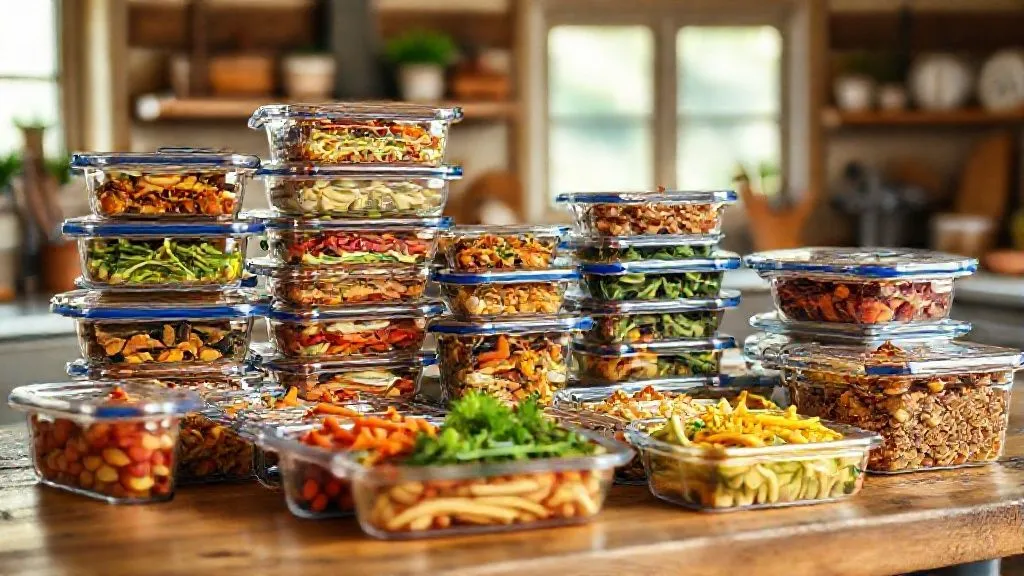
How to Batch Cook Healthy One-Pot Oven Meals for Busy Workweeks?
For over 15 years in the culinary world, specializing in practical, nutritious home cooking, I've witnessed the universal struggle against the clock. The desire to eat well often clashes head-on with the demands of a hectic workweek, leading many to compromise on health or succumb to kitchen burnout. I've been there myself, staring into an empty fridge on a Tuesday night, utterly drained and contemplating the quickest, often least healthy, dinner option.
The modern professional faces a unique dilemma: how to maintain a healthy diet without sacrificing precious time or energy. The allure of quick takeout is strong, but the long-term impact on health and wallet is undeniable. You want nourishing, home-cooked meals, but the thought of daily chopping, cooking multiple components, and endless cleanup feels like an insurmountable mountain after a long day.
But what if there was a way to enjoy delicious, healthy, home-cooked meals every night, with minimal effort during the week? In this definitive guide, I'll share my proven framework for how to batch cook healthy one-pot oven meals for busy workweeks. We'll delve into actionable strategies, smart ingredient choices, efficient techniques, and expert insights that will transform your kitchen routine and reclaim your evenings, ensuring you eat well without the stress.
Why One-Pot Oven Meals Are Your Weekday Superpower
In my experience, the biggest barrier to consistent healthy eating during busy workweeks isn't a lack of desire, but a lack of perceived time. This is precisely where one-pot oven meals become your culinary superpower. They streamline the entire cooking process in ways few other methods can.
- Unmatched Efficiency: Imagine prepping ingredients once, sliding them into the oven, and letting the heat do all the work. No constant stirring, no juggling multiple pans. This frees up your hands and mind for other tasks, or simply to relax.
- Minimal Cleanup: This is often the unsung hero of one-pot cooking. With just one pan or dish to wash, post-dinner dread becomes a thing of the past. Less time scrubbing means more time for yourself.
- Nutrient Retention & Flavor Fusion: Roasting vegetables and proteins together in a single vessel allows their flavors to meld beautifully, creating a depth of taste that's hard to achieve with separate preparations. Furthermore, gentle oven cooking can help retain nutrients.
- Consistent Healthy Choices: By batch cooking healthy one-pot oven meals, you eliminate the daily decision fatigue that often leads to unhealthy takeout. Your nutritious meals are ready to go, making the healthy choice the easy choice.
"The beauty of one-pot oven cooking lies in its elegant simplicity. It's not just about saving time; it's about creating a harmonious dish where every ingredient contributes to a richer, more satisfying whole, all while minimizing fuss."
According to a study published in the Journal of the Academy of Nutrition and Dietetics, individuals who engage in meal planning and preparation tend to have a higher diet quality and lower obesity risk. One-pot oven meals are a perfect vehicle for this kind of proactive, health-conscious planning. You can learn more about the benefits of meal planning here.
Mastering the Art of Ingredient Selection for Batch Cooking
The foundation of any successful batch cooking strategy for oven meals lies in selecting the right ingredients. Not all vegetables or proteins are created equal when it comes to roasting and reheating. My advice? Think robust, think resilient, and think complementary.
The Protein Powerhouse: Meats & Plant-Based Options
When choosing proteins, look for those that can withstand longer cooking times without drying out, or those that can be added later in the cooking process. For meats, I often recommend:
- Chicken Thighs (bone-in, skin-on or boneless): They stay moist and flavorful.
- Sausage (chicken, pork, or plant-based): Pre-seasoned and cooks quickly.
- Pork Tenderloin/Shoulder: Can be cubed or roasted whole for shredding.
- Firm Fish (Salmon, Cod): Best added for the last 15-20 minutes to prevent overcooking, or cooked separately and added.
For plant-based options, versatility is key:
- Tofu (Extra-Firm or Super-Firm): Press well, cube, and toss with spices.
- Chickpeas & Lentils: Great for adding texture and protein, often added pre-cooked or at the end.
- Hearty Beans (Kidney, Black Beans): Excellent for adding bulk and nutrition, especially to chili-inspired bakes.
Veggie Versatility: Root to Leaf
Vegetables are where you can really pack in nutrients and flavor. Prioritize those that roast well and hold their texture when reheated. Avoid overly delicate greens that wilt too much.
- Root Vegetables: Potatoes (sweet, regular), carrots, parsnips, beets, butternut squash. These are champions of oven cooking, becoming tender and caramelized.
- Cruciferous Vegetables: Broccoli, cauliflower, Brussels sprouts. They develop fantastic roasted notes and retain some bite.
- Alliums: Onions, garlic, leeks. Essential for building a flavorful base.
- Bell Peppers & Zucchini: While softer, they add great color and sweetness. Just be mindful not to overcook them to prevent sogginess.
When combining ingredients, consider their cooking times. Harder vegetables and dense proteins typically start first, with quicker-cooking items added later to ensure everything finishes perfectly tender, not mushy.
Essential Gear & Setup: Equipping Your Batch Cooking Station
You don't need a gourmet kitchen to master batch cooking, but having the right tools makes the process significantly smoother and more enjoyable. Think of it as investing in your future stress-free evenings.
- Large Sheet Pans (Half-Sheet Size): These are your workhorses. I recommend at least two, preferably three, to avoid overcrowding, which leads to steaming instead of roasting. Quality heavy-gauge aluminum pans are best.
- Oven-Safe Dishes (Casserole Dishes, Dutch Ovens): For larger, more stew-like one-pot meals, a good quality ceramic or cast-iron casserole dish or a Dutch oven is invaluable.
- Sharp Knives & Sturdy Cutting Boards: Efficient prep starts here. A sharp chef's knife and a large, stable cutting board will save you time and prevent frustration.
- Airtight Meal Prep Containers: Glass containers with secure lids are my top recommendation. They are microwave and oven-safe (without lids), durable, and don't absorb odors or stains like some plastics. They also make reheating a breeze.
- Measuring Cups & Spoons: For consistent seasoning and portioning.
- Large Mixing Bowls: For tossing ingredients with oil and spices before roasting.
"A well-organized kitchen isn't just aesthetically pleasing; it's a strategic advantage in the battle against time. Having your essential tools at hand transforms cooking from a chore into an efficient, almost meditative process."
Before you begin, ensure your kitchen space is tidy and all your necessary equipment is within easy reach. A clean, organized environment reduces stress and makes the entire batch cooking session more enjoyable.
Crafting Your Batch Cooking Strategy: The Blueprint for Success
Successfully batch cooking healthy one-pot oven meals isn't just about throwing ingredients into a pan; it requires a thoughtful strategy. From meal planning to portioning, a clear blueprint ensures you maximize your efforts and avoid mid-week meal fatigue.
Step 1: The Weekly Meal Plan
Start by outlining your week. How many meals do you need? For how many people? I often recommend choosing 2-3 core one-pot oven recipes that you can rotate or slightly adapt throughout the week. This prevents boredom without overwhelming your prep.
- Theme Nights: Assign themes (e.g., 'Mediterranean Monday,' 'Taco Tuesday Bake') to guide your recipe selection.
- Ingredient Cycling: Choose recipes that share common ingredients but offer different flavor profiles. For example, roasted chicken and vegetables can be seasoned differently for an Italian vibe one day and a Mexican twist another.
- Balance: Ensure your chosen meals offer a good balance of protein, complex carbohydrates, and plenty of vegetables.
Step 2: Smart Recipe Selection
Look for recipes specifically designed for one-pot oven cooking or those that are easily adaptable. Prioritize recipes with ingredients that roast well together and hold up to reheating. Websites like Serious Eats or Budget Bytes often have excellent, reliable recipes for this style of cooking. Mastering roasting techniques is a great skill to develop here.
Step 3: Portioning for Success
Decide whether you'll portion meals into individual containers immediately after cooking or store them in larger batches. For busy workweeks, individual portioning is often best as it makes grabbing and going incredibly simple. Calculate how many servings each recipe yields and adjust ingredient quantities accordingly.
| Day | Meal Type | Key Ingredients |
|---|---|---|
| Monday | Sheet Pan Lemon Herb Chicken & Root Veg | Chicken thighs, potatoes, carrots, parsnips, lemon, rosemary |
| Tuesday | Mediterranean Roasted Veg & Chickpeas | Bell peppers, zucchini, eggplant, chickpeas, olives, feta |
| Wednesday | Spicy Sausage & Broccoli Bake | Italian sausage, broccoli, red onion, chili flakes |
| Thursday | Leftovers / Repurposed Meal | Mix & match components, add fresh greens |
| Friday | Sheet Pan Salmon & Asparagus | Salmon fillets, asparagus, cherry tomatoes, dill |
This table provides a simple example of how to plan your week with varied yet complementary one-pot oven meals. The key is to think ahead and make your shopping list a direct reflection of this plan.
The Step-by-Step Batch Cooking Process: From Prep to Plate
With your strategy in place and ingredients gathered, it's time to execute. This is where the magic of batch cooking truly comes alive. Follow these phases for a seamless experience.
Phase 1: Smart Prep (The Foundation)
- Wash & Dry: Thoroughly wash all produce. Ensuring vegetables are dry is crucial for roasting; moisture leads to steaming, not browning.
- Chop Uniformly: Cut vegetables into similar-sized pieces. This ensures even cooking. Denser vegetables (potatoes, carrots) can be slightly smaller than softer ones (zucchini, bell peppers).
- Season Generously: In large mixing bowls, toss vegetables with olive oil, salt, pepper, and your chosen herbs and spices. Do the same for your proteins. Don't be shy with seasoning; it's the key to flavorful meals.
- Marinate (Optional but Recommended): For proteins like chicken, a 30-minute to overnight marinade can significantly enhance flavor and tenderness.
Phase 2: The Oven Magic (The Cooking)
- Preheat Your Oven: Most one-pot oven meals do best at higher temperatures, typically 400-425°F (200-220°C), for optimal caramelization.
- Arrange on Sheet Pans: Spread ingredients in a single layer on your prepared sheet pans (lined with parchment paper for easy cleanup). Do not overcrowd the pans! This is critical for roasting; if ingredients are piled up, they will steam instead of brown. Use multiple pans if necessary.
- Stagger Cooking Times: If you have ingredients with vastly different cooking times (e.g., dense root vegetables vs. quick-cooking fish), start the longer-cooking items first. For example, roast potatoes and carrots for 15-20 minutes before adding broccoli and chicken.
- Roast to Perfection: Cook until vegetables are tender-crisp and caramelized, and proteins are cooked through to a safe internal temperature. Flip ingredients halfway through for even browning.

Phase 3: Cool Down & Portion (The Finish Line)
- Cool Completely: This is a crucial food safety step. Allow your cooked meals to cool down to room temperature (within 2 hours) before portioning and refrigerating. This prevents bacterial growth and condensation buildup that can lead to soggy meals.
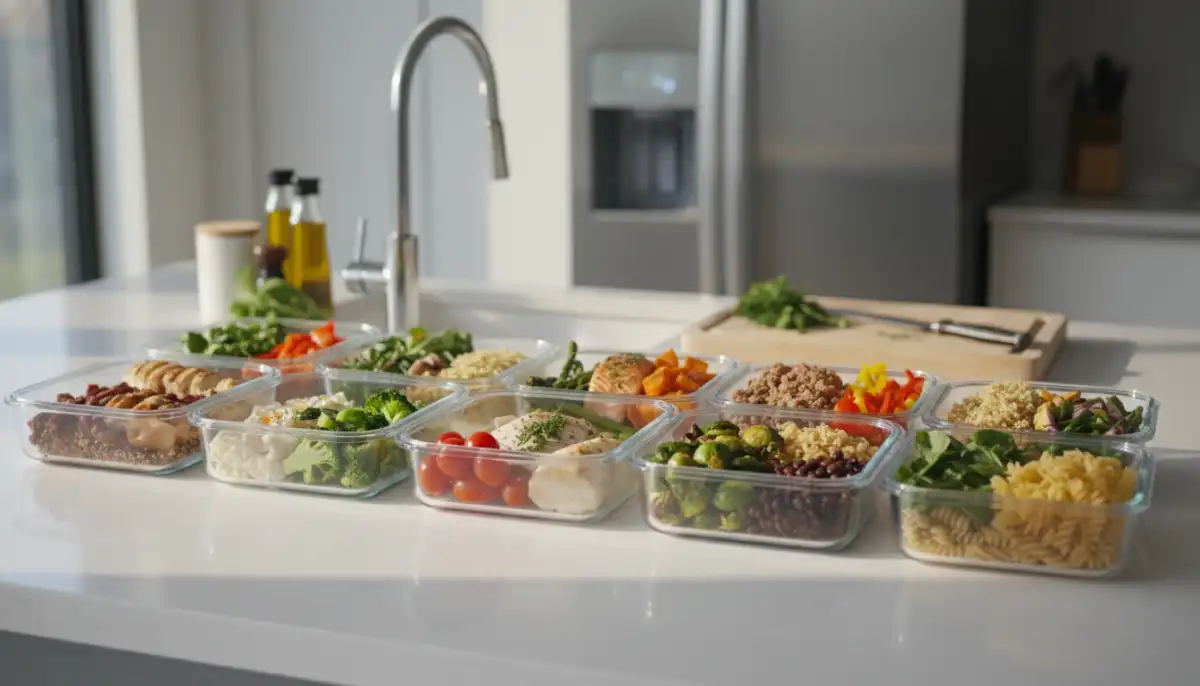
- Portion into Containers: Divide your cooled one-pot meals into your airtight meal prep containers. Ensure each container has a balanced mix of protein, vegetables, and any starches.
- Label & Store: Label your containers with the meal type and date. This makes it easy to grab what you want and ensures you consume meals within their safe storage window.
Flavor Fusion: Elevating Your One-Pot Creations
One common concern with batch cooking is the fear of bland or repetitive meals. As an experienced industry specialist, I can assure you this is easily avoidable! The secret lies in understanding how to layer and enhance flavors. Don't just season; infuse.
- Aromatic Bases: Start with a foundation of sautéed onions, garlic, and robust herbs (rosemary, thyme) before adding other ingredients to your roasting pan or Dutch oven.
- Spice Blends: Invest in a variety of high-quality spice blends. Think smoky paprika, earthy cumin, vibrant turmeric, or a zesty Italian herb mix. Toss your ingredients generously before roasting.
- Marinades & Dressings: A quick marinade for your protein (lemon-garlic, soy-ginger, balsamic) can make a world of difference. For vegetables, a simple vinaigrette before roasting adds a tangy depth.
- Finishing Touches: These are game-changers. A squeeze of fresh lemon juice, a sprinkle of fresh herbs (parsley, cilantro, chives), a drizzle of good olive oil, a handful of toasted nuts or seeds, or a dollop of Greek yogurt or a flavorful sauce (pesto, chimichurri) added just before serving can awaken the entire dish and make it feel fresh.
Case Study: How Maya Transformed Her Weeknights with Flavorful Batch Cooking
Maya, a busy marketing manager, used to dread weeknight dinners. Her attempts at batch cooking often resulted in meals that felt dull and uninspired by Wednesday. After implementing my flavor layering techniques—starting with a robust spice blend for her roasted chicken and vegetables, then adding a fresh lemon-herb dressing just before serving—her meals went from 'meh' to 'marvelous'. She learned to use different spice profiles for different batches, ensuring variety. For example, one batch might be seasoned with smoked paprika and oregano for a Spanish flair, while another used ginger and soy for an Asian-inspired dish. She found herself looking forward to dinner, and her colleagues even started asking for her 'secret' recipes. This simple shift not only boosted her enjoyment but also ensured she consistently ate healthy, homemade meals, saving her over $100 a week on takeout and significantly reducing her mental load during busy evenings.
Safe Storage & Reheating: Maximizing Freshness and Taste
You've put in the effort to batch cook healthy one-pot oven meals; now it's crucial to store and reheat them correctly to maintain food safety and taste. Improper handling can lead to foodborne illness or simply a less enjoyable meal.
Food Safety First
- Rapid Cooling: As mentioned, cool food quickly. Divide large batches into smaller, shallower containers to speed up the cooling process. Place containers in an ice bath or refrigerate immediately once they've stopped steaming.
- Refrigeration: Most cooked one-pot oven meals are safe to eat for 3-4 days when stored properly in the refrigerator. After that, quality and safety can decline.
- Freezing: For longer storage, many one-pot oven meals freeze beautifully for up to 2-3 months. Ensure they are completely cooled before freezing in airtight, freezer-safe containers.
For detailed guidelines on food storage, always refer to reputable sources like the USDA Food Safety and Inspection Service.
Optimal Reheating Methods
The method you choose for reheating can significantly impact the meal's texture and flavor.
- Oven (Recommended for Best Texture): For meals like roasted chicken and vegetables, reheating in the oven (around 300-350°F / 150-175°C) for 15-25 minutes, or until heated through, helps crisp up ingredients and prevents sogginess. Cover initially with foil to prevent drying, then uncover for the last few minutes.
- Microwave (Quickest): The fastest option, but can sometimes lead to uneven heating or a slightly softer texture. Use a microwave-safe container, cover loosely, and stir halfway through.
- Stovetop (For Saucy Meals): For dishes with a bit more sauce or liquid, reheating gently on the stovetop in a skillet can revive flavors and textures nicely. Add a splash of broth or water if needed.

Always ensure food is reheated to an internal temperature of 165°F (74°C) to kill any potential bacteria. A food thermometer is your best friend here.
Troubleshooting Common Batch Cooking Hurdles
Even seasoned batch cooks encounter challenges. From my years of experience, I've identified a few common pitfalls and developed straightforward solutions to keep your batch cooking journey smooth and enjoyable.
The Dreaded Sogginess
This is perhaps the most common complaint. Overcooked or improperly stored vegetables can turn mushy. The key is in the initial roasting and subsequent cooling:
- Avoid Overcrowding: As mentioned, give ingredients space on the sheet pan to roast, not steam.
- Don't Overcook: Roast vegetables until just tender-crisp. They will soften slightly upon reheating.
- Cool Completely: Packaging hot food traps steam, leading to condensation and sogginess.
- Separate Storage: For components that need to stay crispy (like roasted potatoes), consider storing them separately from saucier elements or delicate greens, and combine just before reheating.
Uneven Cooking Times
Trying to cook everything at once can lead to some ingredients being overdone and others undercooked. The solution is strategic:
- Uniform Cuts: Cut harder vegetables into smaller pieces than softer ones to equalize cooking times.
- Staggered Additions: Start roasting dense vegetables (potatoes, carrots) first. Add quicker-cooking items (broccoli, bell peppers, chicken) to the pan halfway through.
- Separate Pans: If a recipe has vastly different cooking needs, use two separate sheet pans and combine components after cooking.
Flavor Fatigue
Eating the same meal five days in a row can get boring. Variety is the spice of life, even in batch cooking:
- Versatile Bases: Create a base of roasted chicken and mixed vegetables. Then, vary the finishing touches each day: a different sauce, fresh herbs, a squeeze of citrus, a sprinkle of cheese, or a dollop of hot sauce.
- Rotate Recipes: Don't stick to just one recipe for the week. Choose 2-3 different one-pot meals to cycle through.
- Repurpose Leftovers: Transform leftover roasted vegetables into a quick frittata, a warm salad, or a hearty soup base.
Frequently Asked Questions (FAQ)
How long do one-pot oven meals typically last in the fridge? When properly cooled and stored in airtight containers, most cooked one-pot oven meals will last safely for 3-4 days in the refrigerator. Always use your best judgment regarding smell and appearance.
Can I freeze these meals, and how does it affect texture? Yes, many one-pot oven meals freeze exceptionally well for up to 2-3 months. Hearty proteins like chicken, sausage, and root vegetables hold up best. Softer vegetables like zucchini or bell peppers might become slightly softer upon thawing and reheating, but the flavor will remain excellent. Avoid freezing meals with delicate greens, as they will turn mushy.
What are the best vegetables that hold up well to batch cooking and reheating? Sturdy vegetables are your best friends here. Think potatoes (sweet and regular), carrots, parsnips, butternut squash, broccoli, cauliflower, Brussels sprouts, and onions. These vegetables maintain their texture and flavor remarkably well.
How can I ensure my meals don't taste bland after reheating? The key is to season generously during the initial cooking and to add fresh 'finishing touches' before serving. A squeeze of fresh lemon or lime juice, a sprinkle of fresh herbs, a dash of hot sauce, or a drizzle of a flavorful oil can brighten up a reheated meal instantly. Don't underestimate the power of a fresh garnish!
Is it really cheaper to batch cook than to buy ready-made meals? Absolutely. While the initial grocery haul for batch cooking might seem larger, the cost per serving is almost always significantly lower than purchasing pre-made meals or daily takeout. You have more control over ingredients, portion sizes, and can often take advantage of bulk discounts, leading to substantial savings over time. Furthermore, reducing food waste by utilizing ingredients efficiently adds to the cost-effectiveness.
Key Takeaways and Final Thoughts
Mastering how to batch cook healthy one-pot oven meals for busy workweeks is more than just a culinary technique; it's a lifestyle upgrade. It's about empowering yourself to eat well, save time, reduce stress, and reclaim your evenings. This approach isn't about rigid rules, but about building flexible habits that serve your health and your schedule.
- Plan with Purpose: A well-thought-out meal plan and ingredient selection are your guiding stars.
- Equip Smartly: The right tools make the process enjoyable and efficient.
- Roast, Don't Steam: Give your ingredients space for optimal caramelization.
- Flavor is Key: Don't settle for bland; layer flavors and use fresh finishes.
- Store Safely: Proper cooling and storage are non-negotiable for health and taste.
I've seen countless individuals transform their relationship with food and their weeknights by embracing this method. It takes a little planning and effort on one day, but the payoff of healthy, delicious meals ready to go for the rest of your busy week is immeasurable. Start small, experiment with different combinations, and allow yourself the grace to learn. You'll soon discover that a little oven magic can make a huge difference in your quality of life. Happy cooking!
Recommended Reading
- 7 Expert Fixes: Prevent Sticky Dough Ruining Large Enriched Roll Batches
- 7 Air Fryer Hacks for Peak Performance & Balanced Nutrition
- 7 Pro Tips: Keep High-Protein Batch Meals Moist & Flavorful
- 7 Proven Strategies: Preventing Cork Taint & Off-Flavors in Aged Wine
- Mastering High-Volume Skillet Meals: 7 Ways to Banish Burned Bases
0 Comentários: