 By
By 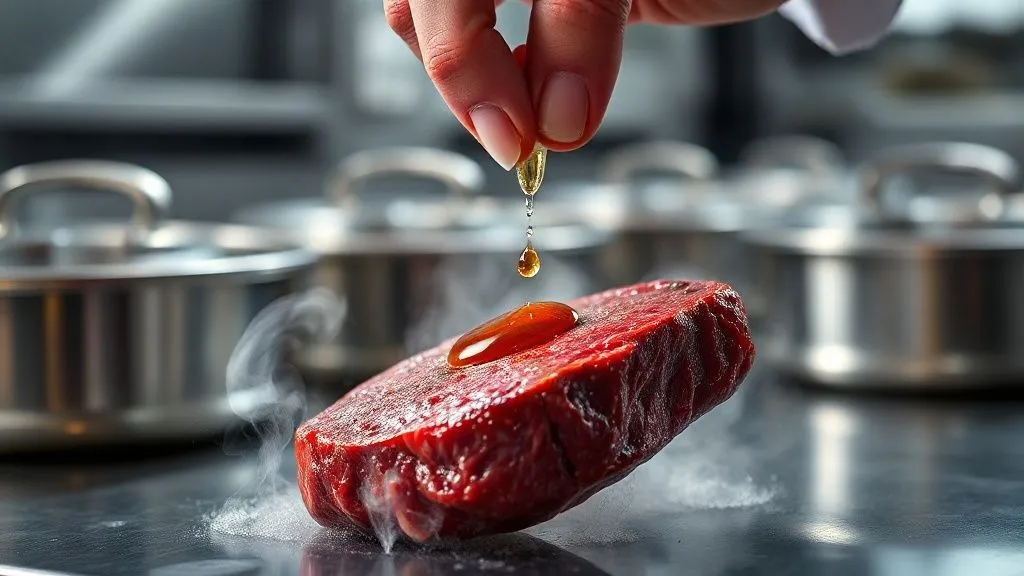
Why do sous vide meats lose juiciness during high-volume hold? Unpacking the Science and Solutions
For over two decades in the culinary trenches, particularly specializing in precision cooking techniques like sous vide, I've witnessed a common, frustrating scenario: a perfectly cooked, succulent piece of meat emerging from the bath, only to lose its glorious juiciness during an extended high-volume hold. It's a silent killer of quality, especially in bustling commercial kitchens and catering operations.
You've done everything right—precise temperature, optimal cook time—yet when it comes time to plate, that expected burst of moisture is noticeably absent. This isn't just a minor inconvenience; it's a direct hit to your reputation and the guest experience. It leaves chefs scratching their heads, wondering where they went wrong.
But rest assured, this isn't an insurmountable problem. In this definitive guide, I'll walk you through the intricate science behind why sous vide meats lose juiciness during high-volume hold and, more importantly, equip you with actionable frameworks, expert insights, and proven strategies to ensure every piece of meat you serve remains as tender and juicy as the moment it left the primary cook bath.
Understanding the Enemy: The Science of Moisture Loss
To truly combat the loss of juiciness, we must first understand its root causes at a molecular level. It's not magic; it's meat science. The juiciness of meat comes primarily from two components: the water held within muscle fibers and the intramuscular fat (marbling). Sous vide excels at preserving both, but extended holds introduce new challenges.
The Role of Protein Denaturation and Collagen Breakdown
During cooking, meat proteins denature, changing their structure. This process is essential for tenderness, as it loosens the tightly bound muscle fibers. Collagen, a tough connective tissue, breaks down into gelatin, which also contributes to a pleasant mouthfeel and moisture retention. Sous vide's low, slow approach is ideal for this transformation.
However, prolonged exposure to even 'holding' temperatures can continue to alter these structures. While the initial cook aims for optimal denaturation and collagen conversion, extended holding can lead to further protein shrinkage, squeezing out precious water. Think of it like a sponge that's been compressed too long; it simply can't hold as much liquid.
Exudate: A Chef's Nightmare
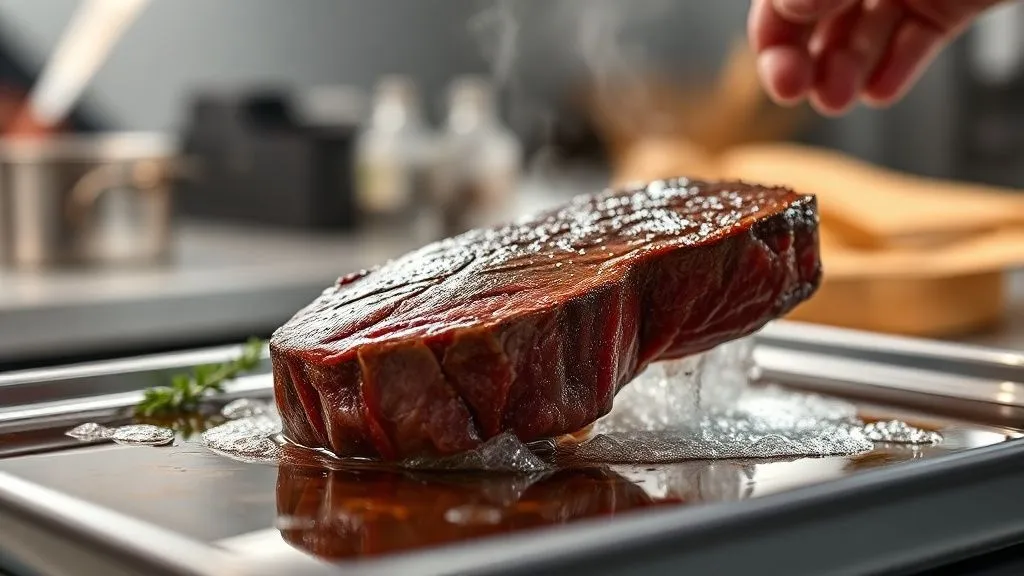
The liquid you see pooling in a sous vide bag or on the plate after slicing is called exudate. It's a mix of water, dissolved proteins, and some fat. While some exudate is normal, excessive amounts indicate significant moisture loss from the meat itself. The goal is to minimize this release.

The High-Volume Hold Conundrum: Why Scale Amplifies the Problem
What works perfectly for a single steak often falters when scaled up. High-volume operations introduce complexities that exacerbate moisture loss.
Thermal Inertia and Uneven Heating
In a busy kitchen, maintaining consistent temperatures across multiple large sous vide baths or cambros for extended periods is challenging. Larger volumes of water and meat have greater thermal inertia, meaning they take longer to heat up or cool down, and are more susceptible to temperature stratification if circulators aren't powerful enough or properly placed. Inconsistent holding temperatures can accelerate protein shrinkage in some pieces while others remain less affected.
The Evaporation Factor in Open Baths
While sous vide bags protect the meat, open holding baths still lose water through evaporation. This not only concentrates impurities in the bath water but can also lead to minor fluctuations in the actual meat temperature, especially if bags are not fully submerged or if the bath is frequently opened and closed. This subtle, continuous energy loss can stress the meat over time.

Mastering Post-Cook Handling: The Critical Window
The period immediately after the initial sous vide cook is incredibly important for preserving juiciness, especially if you plan for a high-volume hold. This is where many operations unknowingly compromise their product.
Rapid Chilling: Your First Line of Defense
Once your meat reaches its target doneness, it's crucial to stop the cooking process immediately. Without rapid chilling, residual heat will continue to cook the meat, leading to further protein denaturation and moisture loss, even if it's removed from the hot bath. This 'carryover cooking' is often overlooked.
Here’s my recommended process for rapid chilling:
- Prepare an Ice Bath: Fill a large container with a 50/50 mix of ice and water. Ensure it's large enough to fully submerge your sous vide bags without overcrowding.
- Transfer Immediately: As soon as the meat is cooked, transfer the sealed bags directly into the ice bath.
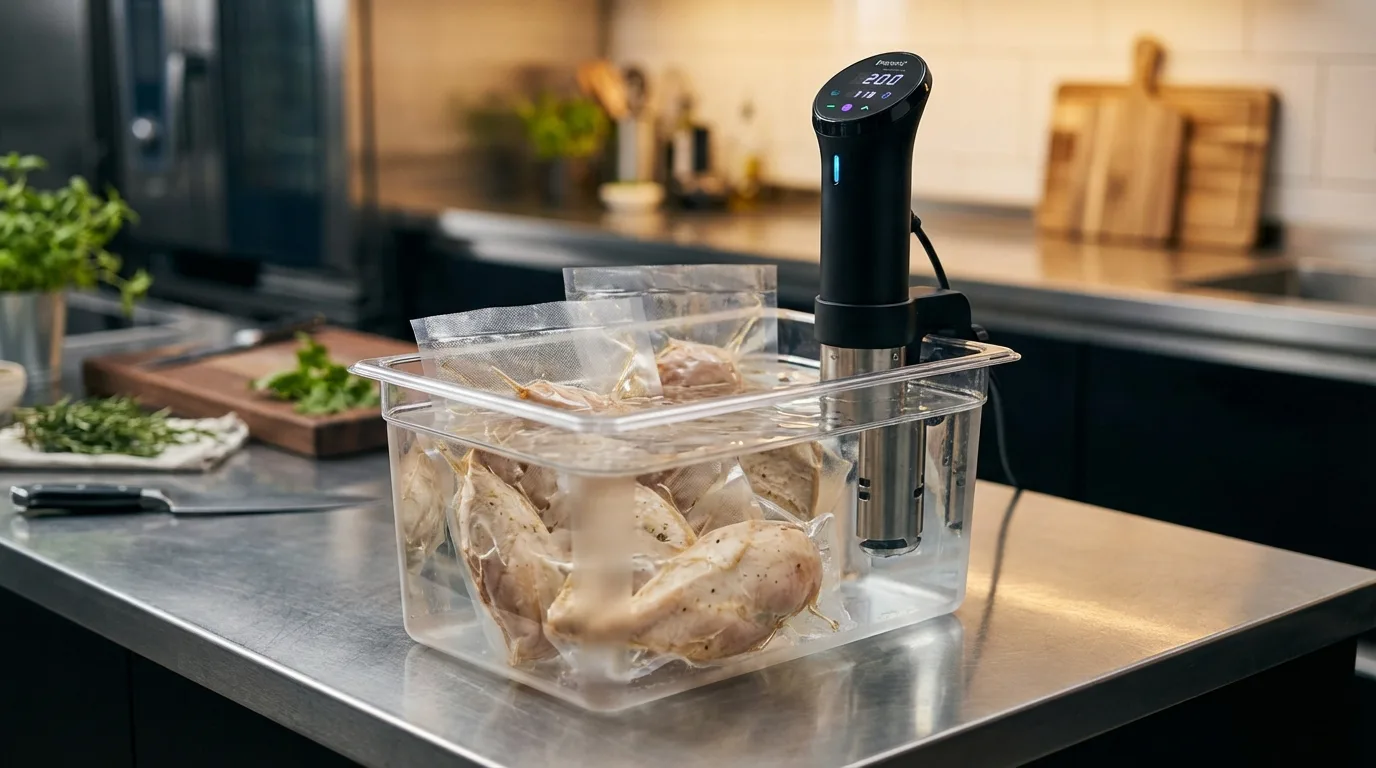
- Agitate and Monitor: Gently agitate the bags and the ice bath to promote even cooling. The goal is to bring the core temperature of the meat down to below 40°F (4°C) within 2-4 hours.
- Store Safely: Once chilled, the meat can be stored in refrigeration at 34-38°F (1-3°C) until ready for reheating and service.
"Rapid chilling isn't just about food safety; it's about locking in the texture and moisture you worked so hard to achieve. It's the pause button for perfection." - My personal mantra in high-volume sous vide.
Optimizing Holding Temperatures: Precision is Paramount
Once chilled, the next critical step for high-volume operations is the holding phase. This is where most juiciness is lost if not managed correctly. The ideal holding temperature strikes a delicate balance between food safety and maintaining quality.
The 'Danger Zone' vs. The 'Quality Zone'
Food safety guidelines dictate that cooked food should not remain in the 'danger zone' (40°F to 140°F or 4°C to 60°C) for more than two hours cumulatively. For sous vide, this means holding above 130°F (54.4°C) is generally considered safe for extended periods, as pathogens cannot multiply effectively. However, simply being 'safe' doesn't mean optimal quality.
Holding meat at the lowest safe temperature (e.g., 130°F / 54.4°C) will cause less protein shrinkage and moisture loss than holding it at a higher temperature (e.g., 140°F / 60°C). Each degree matters. For detailed food safety guidelines, always refer to reputable sources like the USDA Food Safety and Inspection Service.
Here’s a general guide for ideal holding temperatures for different types of meat, balancing safety and quality:
| Meat Type | Ideal Holding Temp | Max Hold Time (Quality) |
|---|---|---|
| Beef (Steak/Roast) | 130-135°F (54.4-57.2°C) | 4-8 hours |
| Pork (Loin/Chop) | 135-140°F (57.2-60°C) | 3-6 hours |
| Chicken/Turkey Breast | 140-145°F (60-62.8°C) | 2-4 hours |
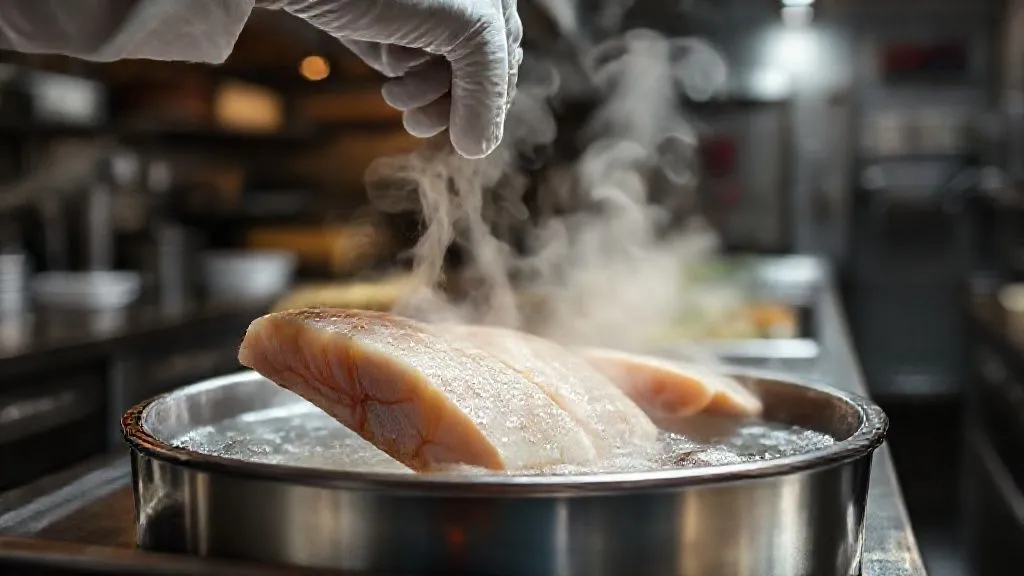
| Fish (Firm, Flaky) | 125-130°F (51.7-54.4°C) | 1-2 hours |
The Role of Packaging: Seal It Right, Keep It Tight
The integrity of your vacuum seal and the quality of your bags are paramount. A compromised seal is an open invitation for moisture loss and potential food safety issues.
Preventing Punctures and Leaks
In high-volume settings, bags are handled more, increasing the risk of punctures. Sharp bones, rough handling, or even improper sealing can create micro-leaks. These leaks allow precious juices to escape into the bath water and can also lead to 're-cooking' of the meat as water seeps in.
- Use High-Quality Bags: Invest in thick, durable, commercial-grade vacuum bags.
- Bone Guards: For cuts with bones, always use bone guards or wrap sharp edges in parchment paper or a small piece of another vacuum bag before sealing.
- Double Sealing: For critical items or very long holds, double-sealing the bag provides an extra layer of protection.
- Inspect Regularly: During extended holds, periodically inspect bags for air pockets or leaks. If a bag is compromised, re-seal it or transfer the meat to a new bag immediately.
Case Study: How 'Flavorful Feast' Restaurant Saved Their Steaks
Flavorful Feast, a popular steakhouse, was struggling with customer complaints about dry sous vide steaks during their busiest dinner service. Their executive chef, Maria, suspected the issue was during the 6-hour hold they implemented for their signature ribeyes. After consulting with me, we identified that their standard, thinner bags were frequently developing micro-leaks due to the bone-in cuts and constant movement in the holding bath.
By implementing two key changes—switching to 4-mil commercial-grade bags and requiring bone guards for all bone-in cuts—they saw a dramatic improvement. Customer feedback on juiciness soared, and their food waste from compromised steaks plummeted by 15%. This resulted in a significant boost in both customer satisfaction and profit margins.
Innovative Techniques for Moisture Retention During Hold
Beyond perfect temperatures and packaging, there are proactive steps you can take to bolster your meat's juiciness.
Brining and Marinating: A Pre-Cook Boost
Traditional brining, which involves soaking meat in a saltwater solution, can significantly increase a meat's water-holding capacity. The salt denatures some proteins, allowing them to trap more moisture. A simple brine (1-2% salt solution by weight) for a few hours before sous vide cooking can make a noticeable difference in the final juiciness, especially for leaner cuts.
Marinades, particularly those with acidic components or enzymes, can also tenderize and help retain moisture, though their primary role is flavor. Learn more about the science of brining here.
- Enhanced Water Retention: Brining helps muscle fibers hold onto more water.
- Improved Flavor: Salt penetrates the meat, seasoning it from within.
- Buffer Against Loss: Provides a small buffer against moisture loss during extended holds.
Adding Fat or Liquid to the Bag
While sous vide cooking relies on the meat's own juices, for extremely long holds or particularly lean cuts, adding a small amount of liquid or fat to the bag can act as an insurance policy. A tablespoon of high-quality beef tallow, duck fat, or even a rich stock can help create a more stable environment around the meat, reducing the chance of surface drying and adding a layer of richness.
The Finishing Touch: Reheating and Searing Strategies
The final steps before plating—reheating and searing—are often where remaining juiciness can be inadvertently lost. Precision here is just as important as the initial cook.
Reheating Without Sacrificing Juiciness
For chilled and held sous vide meats, reheating should be gentle and aimed at bringing the internal temperature back to serving warmth without further cooking. The best method is often to return the sealed bag to a sous vide bath set slightly below your target serving temperature (e.g., 125-130°F / 51.7-54.4°C) for a period proportional to the meat's thickness. Avoid aggressive reheating methods like ovens or microwaves, which can rapidly dry out the exterior.
Searing Without Sacrificing Juiciness
Searing is crucial for developing a flavorful crust, but it's also a high-heat process that can cause significant surface moisture loss if not executed quickly and efficiently. The goal is to maximize browning while minimizing the time the meat is exposed to high heat.
- Pat Dry Thoroughly: Excess surface moisture inhibits browning and extends searing time. Pat the meat completely dry before searing.
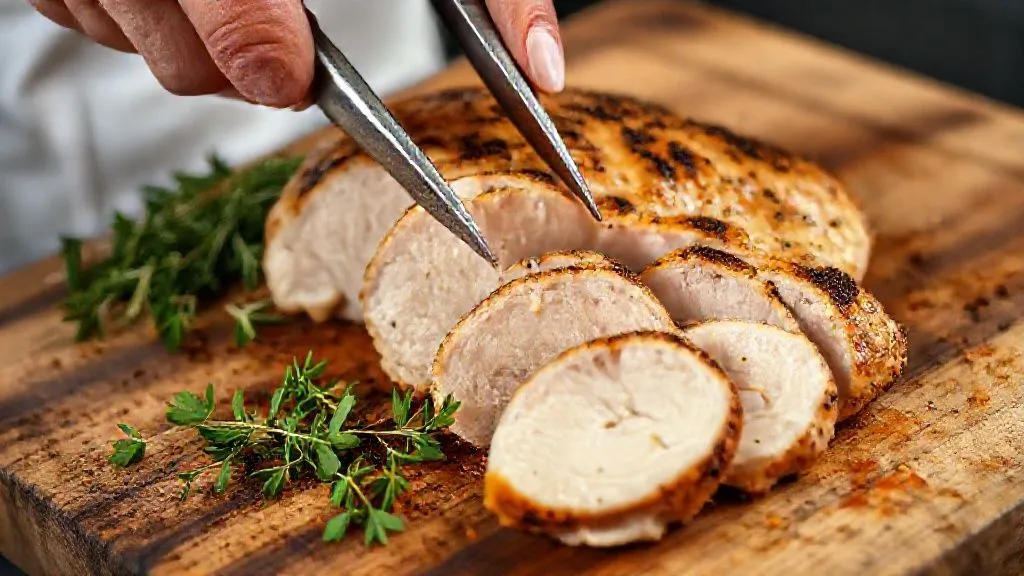
- High Heat, Short Time: Use a screaming hot pan (cast iron or carbon steel are excellent) with a high smoke point oil. Sear for 60-90 seconds per side, just enough to develop a crust.
- Rest Briefly: Although sous vide minimizes carryover cooking, a brief rest (2-5 minutes) after searing can allow surface juices to redistribute slightly.

Equipment Matters: Tools for High-Volume Success
Your equipment is your ally in the battle against dry meat. Investing in the right tools can make a significant difference in consistency and quality for high-volume sous vide operations.
- Powerful Immersion Circulators: For large baths, you need circulators with sufficient power to maintain uniform temperatures throughout the entire volume of water. Look for models designed for commercial use.
- Insulated Sous Vide Baths: Insulated baths or covers reduce heat loss and evaporation, leading to more stable holding temperatures and energy efficiency.
- Commercial-Grade Vacuum Sealers: Chamber vacuum sealers are superior for high-volume use, creating stronger, more consistent seals and handling liquids better than external clamp models.
- Blast Chillers: While not always feasible for every operation, a blast chiller is the gold standard for rapid chilling, quickly bringing product temperatures down to safe levels while preserving quality.
Choosing the right equipment is an investment that pays dividends in consistency and customer satisfaction. Explore professional kitchen equipment guides to find the best fit for your operation, such as those found on WebstaurantStore.
Frequently Asked Questions (FAQ)
Question? Can I hold sous vide meat indefinitely without losing juiciness?
Answer: No, not indefinitely. While sous vide can extend the safe holding time considerably compared to traditional methods, even at safe temperatures (e.g., 130-135°F), prolonged exposure will eventually lead to some protein shrinkage and moisture loss. The 'quality window' for most meats is typically 4-8 hours for larger cuts, and less for smaller or more delicate items. Beyond this, while still safe, you will notice a degradation in texture and juiciness.
Question? Does pre-searing meat before sous vide affect its juiciness during a long hold?
Answer: Pre-searing (or reverse searing) before sous vide is primarily for flavor development (Maillard reaction) and can create a slightly tougher exterior crust. While it won't directly cause more juiciness loss during the hold if done correctly (quick, high heat), it can sometimes make the meat less tender overall if the sear is too aggressive or prolonged. For maximum juiciness and tenderness, I generally recommend searing *after* the sous vide cook and hold.
Question? What's the best way to reheat held sous vide meat for service without drying it out?
Answer: The best method is to return the vacuum-sealed, chilled meat to a sous vide bath set at a temperature slightly below your target serving temperature (e.g., 125-130°F for medium-rare beef). This gently brings the meat back to temperature without further cooking. The time needed will depend on the thickness of the meat. Avoid using ovens or microwaves for reheating, as these can rapidly dry out the exterior and compromise the texture.
Question? How do different types of meat (e.g., lean vs. fatty, tough vs. tender) react to long sous vide holds?
Answer: Leaner meats (like chicken breast or tenderloin) are generally more susceptible to drying out during long holds because they lack the protective and lubricating qualities of intramuscular fat. Fattier cuts (like ribeye or pork belly) tend to be more forgiving. Tougher cuts (like short ribs or chuck) benefit greatly from longer initial sous vide cooks to break down collagen, and while they can handle longer holds, their texture can eventually become mushy if held excessively long at too high a temperature. Understanding the specific properties of each cut is key.
Question? Is adding extra liquid or fat to the sous vide bag always beneficial for preventing juiciness loss during long holds?
Answer: While adding a small amount of liquid (like stock) or fat (like butter or rendered animal fat) can help create a more stable environment and reduce surface drying, it's not always necessary and can sometimes dilute the natural flavors of the meat if overdone. For high-quality, well-marbled cuts, the meat's own juices are usually sufficient. However, for leaner cuts or exceptionally long holds, a small addition can act as an insurance policy. The key is moderation to avoid poaching the meat or altering its natural taste.
Key Takeaways and Final Thoughts
Losing juiciness in sous vide meats during high-volume holds is a common challenge, but it's one that can be definitively overcome with a deep understanding of the science and meticulous execution of best practices. As a veteran in this field, I've seen these strategies transform kitchens and elevate culinary standards.
- Control Temperature Precisely: Both during the cook and the hold, every degree matters.
- Master Post-Cook Chilling: Rapid cooling is non-negotiable for locking in moisture.
- Ensure Packaging Integrity: A perfect vacuum seal is your meat's best friend.
- Optimize Holding Duration: Understand the 'quality window' for different meats.
- Refine Finishing Techniques: Quick, hot searing and gentle reheating preserve the final juiciness.
Embrace these insights, implement the actionable steps, and you'll not only solve the problem of dry sous vide meats but also elevate your culinary consistency and reputation. The art of sous vide is about precision at every step, and with these tools, you're now equipped to deliver perfectly juicy results, every single time, even at high volume.
Recommended Reading
- Master Meal Prep: How to Safely Store Make-Ahead Meals for Your Week
- Swordfish Smells Fishy? 7 Expert Fixes for Fresh Loin Odor
- Unlock the Secret: One-Pot Wonders with Virtually No Cleanup!
- 7 Steps: Complete Vegan Protein for Soy & Gluten-Free Clients
- Stop Scorching: 7 Pro Tips for Perfect Hot Chocolate in Warmers
0 Comentários: