 By
By 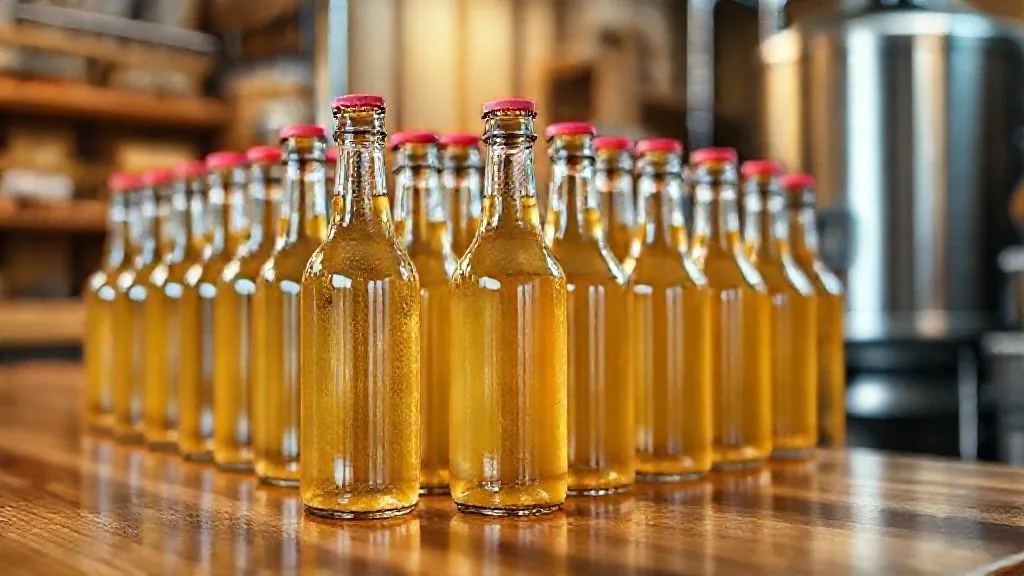
How to fix inconsistent kombucha flavor across large batches?
For over 15 years immersed in the world of fermentation, I've witnessed firsthand the passion and dedication that goes into crafting exceptional kombucha. Yet, one of the most persistent and frustrating hurdles I've seen brewers, from ambitious home enthusiasts to scaling microbreweries, face is the elusive quest for consistency. It's that moment when you taste a batch, and it's pure liquid gold, only for the next one, made with seemingly identical steps, to fall flat or taste entirely different. It's a common story, and it often escalates with batch size.
The pain of inconsistent kombucha flavor across large batches isn't just a minor annoyance; it can be a significant setback. For commercial operations, it erodes customer trust, leads to wasted ingredients, and can even damage a brand's reputation. For the dedicated home brewer, it saps the joy out of a beloved hobby, leaving you constantly second-guessing your process. The complexity multiplies with scale, as small variations become amplified and harder to trace.
But here's the good news: achieving consistent, delicious kombucha, even in large volumes, is entirely within your grasp. In this definitive guide, I'll draw upon my years of experience to provide you with a systematic, actionable framework. We'll delve deep into the critical variables, offering not just theoretical knowledge but practical, expert insights, and real-world strategies to help you master your brew and finally fix inconsistent kombucha flavor across large batches. Let's transform your brewing from an art of chance into a science of precision.
The Foundation: Master Your Base Tea and Sugar Ratio
Think of your base tea and sugar as the canvas upon which your kombucha masterpiece is painted. Any inconsistency here will ripple through your entire fermentation process, inevitably leading to flavor discrepancies. In my experience, this is often where the first, most subtle errors creep in, especially when scaling up.
Sourcing & Quality Control
The quality and consistency of your ingredients are paramount. Using different brands or types of tea, even if they seem similar, can drastically alter your brew's flavor profile and fermentation kinetics. Similarly, inconsistent sugar quality can throw off your yeast's activity.
- Standardize Your Tea: Commit to one high-quality, unflavored black or green tea source. Purchase in bulk from a reputable supplier to ensure batch-to-batch uniformity.
- Inspect Your Ingredients: Before brewing, visually inspect tea leaves for consistency in cut and color. Ensure your sugar is always the same type (e.g., organic cane sugar) and free from impurities.
- Understand Water Chemistry: Water isn't just H2O. Its mineral content, pH, and chlorine levels can profoundly impact your brew. Consider filtering your water or using a consistent water source. For more on water quality, consult resources like a reputable water science authority.
Precise Measurement Techniques
Eyeballing quantities might work for a single quart jar, but in large batches, even a slight deviation can have a significant impact on the final flavor and fermentation time.
- Weigh, Don't Measure by Volume: Always weigh your tea leaves and sugar using a calibrated digital scale. Volume measurements (cups, spoons) are notoriously inconsistent, especially for dry goods.
- Calculate Ratios Accurately: Develop a precise recipe based on weight-to-volume ratios (e.g., X grams of tea per liter of water, Y grams of sugar per liter). Stick to this ratio religiously.
- Temperature of Dissolution: Ensure your sugar fully dissolves in hot water. Undissolved sugar means an inconsistent starting Brix, affecting yeast performance.
"The foundation of consistent kombucha lies not in magic, but in meticulous attention to the raw materials and their precise integration. Any deviation at this stage is a gamble with your final product's integrity."

Culture Health: The Unsung Hero of Flavor Consistency
Your SCOBY (Symbiotic Culture of Bacteria and Yeast) and its accompanying starter tea are the living heart of your kombucha. Their health, vitality, and consistency directly dictate the fermentation process and, consequently, the flavor. Neglecting your culture is like trying to bake a perfect cake with an unpredictable oven.
Maintaining a Robust SCOBY Hotel
A healthy SCOBY hotel is your insurance policy for consistent brews. It's where you cultivate and store extra SCOBYs and potent starter tea.
- Dedicated Hotel: Keep a separate 'SCOBY hotel' where you store extra SCOBYs in a strong batch of finished kombucha. This ensures you always have a backup of active culture.
- Regular Feeding: Feed your SCOBY hotel with fresh, sweet tea every 2-4 weeks to keep the culture vibrant and prevent it from becoming too acidic or dormant.
- Culture Rotation: Don't always use the oldest SCOBY. Rotate your SCOBYs, ensuring you're using active, healthy cultures from your hotel for new batches.
Starter Tea Ratios and Acidity
The starter tea is arguably more important than the physical SCOBY itself, as it contains the concentrated microbes that kickstart fermentation.
- Consistent Starter Tea Volume: Always use the same ratio of strong, finished kombucha (starter tea) to your fresh sweet tea. For large batches, this might be 10-20% of the total volume.
- pH Measurement: Your starter tea's pH is a direct indicator of its strength. Aim for a consistent starting pH for every batch, typically between 3.5 and 4.5. Use a reliable pH meter, not just strips.
- Acclimatization: If you're transferring starter tea from a cold storage, allow it to come to room temperature before adding it to your warm sweet tea to avoid shocking the culture.
Case Study: How 'Brew Harmony' Achieved SCOBY Stability
Brew Harmony, a burgeoning kombucha brand, struggled with batches that ranged from overly sweet to intensely vinegary, impacting their retail presence. Their head brewer, Sarah, suspected culture issues. By implementing a rigorous SCOBY hotel management system and standardizing their starter tea pH to 4.0 for every batch, they saw remarkable improvement. Within three months, their batch-to-batch flavor deviation dropped by 80%, leading to consistent customer reviews and a 25% increase in repeat orders. This demonstrates the profound impact of a healthy, consistent culture.
For deeper insights into SCOBY health and its microbial composition, refer to academic research on fermentation cultures.
Environmental Control: Temperature, Light, and Airflow
Kombucha fermentation is a biological process highly susceptible to environmental fluctuations. Think of your brewing vessel as a delicate ecosystem; any external disturbance can throw it off balance, leading to variations in flavor. I've seen countless brewers overlook these 'invisible' variables, only to be puzzled by their inconsistent results.
The Critical Role of Stable Temperature
Temperature is perhaps the single most influential environmental factor. Yeast and bacteria thrive within specific temperature ranges, and deviations can alter their activity, metabolic byproducts, and thus, the flavor.
- Consistent Ambient Temperature: Strive for a dedicated brewing space with a stable ambient temperature, ideally between 72-78°F (22-26°C). Avoid areas prone to drafts or significant temperature swings.
- Temperature Control Systems: For larger batches, consider using temperature control systems like fermentation heating wraps, insulated jackets, or even climate-controlled rooms.
- Monitor Fermentation Temperature: Don't just rely on ambient temperature. Use adhesive thermometers on your fermentation vessels or probes to monitor the actual liquid temperature, which can fluctuate.
Protecting Your Brew from Light and Contaminants
Direct sunlight can harm your SCOBY and promote undesirable microbial growth, while airborne contaminants can introduce off-flavors or spoilage.
- Darkness is Key: Store your fermenting kombucha in a dark place or cover your vessels with a cloth to protect them from direct light.
- Good Airflow: While protecting from contaminants, ensure there's still adequate airflow around your vessels to prevent stagnant air pockets and allow for proper gas exchange.
- Pest Control: Implement robust pest control measures, especially against fruit flies, which can introduce wild yeasts and bacteria.
| Environmental Factor | Range | Impact on Flavor |
|---|---|---|
| Optimal Temperature | 72-78°F (22-26°C) | Balanced tartness, consistent yeast activity |
| Light Exposure | Dark/Indirect Light | Prevents off-flavors, protects SCOBY |
| Airflow | Moderate, well-ventilated | Prevents mold, ensures gas exchange |
| Humidity | Moderate (40-60% RH) | Influences evaporation, minor impact |

Fermentation Monitoring: Beyond Just Taste Testing
Relying solely on taste for determining fermentation readiness is subjective and highly unreliable, especially across large batches where subtle differences can be magnified. To truly fix inconsistent kombucha flavor across large batches, you need objective data. This is where scientific instruments become your best friends.
pH Tracking: Your Most Reliable Metric
pH is the acidity level of your kombucha, and it's the most critical indicator of fermentation progress. It tells you exactly where your brew stands in its conversion of sugar to organic acids.
- Invest in a Good pH Meter: Ditch the strips for large-scale brewing. A calibrated digital pH meter provides accurate, consistent readings.
- Establish a pH Target Range: Based on your desired flavor profile, determine a target finishing pH (e.g., 2.8-3.2). This becomes your objective benchmark for when to bottle.
- Regular pH Logging: Take pH readings at consistent intervals (e.g., daily) and log them. This allows you to track the fermentation curve and identify any anomalies early.
Brix and Hydrometer Readings
While pH measures acidity, Brix (sugar content) and hydrometer readings give insight into the sugar consumption by your yeast, providing a fuller picture of fermentation activity.
- Initial Brix/SG: Always measure the starting Brix (with a refractometer) or Specific Gravity (with a hydrometer) of your sweet tea. This ensures your initial sugar concentration is consistent.
- Track Sugar Conversion: Monitor Brix/SG throughout fermentation. A consistent drop indicates healthy yeast activity. If it plateaus too early or drops too slowly, it signals a problem.
- Correlation with pH: Use pH and Brix/SG together. As sugar is consumed, pH typically drops. If one is off while the other is normal, it might indicate an issue with your meter or a specific microbial imbalance.
"Taste is subjective, but data is objective. When you measure, you can manage. pH and Brix are the compass and map for navigating the complex terrain of fermentation consistency."
For an in-depth understanding of fermentation metrics, consider resources from leading fermentation science institutions.
The Art of Bottling: Second Fermentation Variables
Even if your first fermentation (F1) is perfectly consistent, your second fermentation (F2) can introduce a whole new layer of variability. This is where flavoring, carbonation, and packaging come into play, and each element demands precision to ensure uniform flavor across your finished product.
Flavoring Agents: Quality and Quantity
The type, quality, and amount of flavoring you add to F2 are critical. Small changes can lead to vastly different outcomes.
- Standardize Flavoring Prep: If using fruit purées, ensure they are made with the same ripeness, processing method, and consistency every time. Weigh all flavoring additions.
- Consistent Ratios: Develop and stick to precise ratios of kombucha to flavoring agents. For example, '20 grams of ginger juice per liter of kombucha,' not 'a splash of ginger.'
- Source Consistency: Just like your base tea, ensure your flavoring ingredients (juices, herbs, spices) come from consistent, high-quality sources.
Carbonation Control and Bottle Sealing
Carbonation level and bottle integrity significantly affect the perception of flavor. A flat kombucha tastes different from a fizzy one, even if the underlying flavor profile is identical.
- Sugar for Carbonation: If adding extra sugar for F2 carbonation, weigh it precisely. Different sugar types (fruit sugars vs. added cane sugar) will yield different carbonation profiles.
- Consistent Headspace: Leave a consistent amount of headspace in each bottle. Too little can lead to bottle bombs, too much can result in under-carbonation.
- Quality Bottles and Seals: Use high-quality, pressure-rated bottles with reliable seals. Inspect bottles for chips or cracks, and ensure caps create an airtight seal every time.
- Consistent F2 Duration: Determine an optimal F2 duration and temperature for each flavor. Stick to it. For example, '3 days at 72°F for ginger-lemon.'

Sanitation Protocols: The Unseen Flavor Guardian
Contamination is the silent killer of consistency. Even microscopic invaders can introduce off-flavors, halt fermentation, or lead to spoilage. A rigorous sanitation regimen is not just about food safety; it's fundamental to achieving predictable and enjoyable kombucha flavors. This is an area where cutting corners inevitably leads to inconsistent results.
Sterilization vs. Sanitization
Understanding the difference between these two is crucial for effective cleaning protocols in a brewing environment.
- Sanitization: This reduces the number of microorganisms to a safe level. Most brewing equipment needs to be sanitized. Use food-grade sanitizers like Star San or iodine-based solutions.
- Sterilization: This eliminates all microorganisms. While not always practical for all equipment, certain critical components might benefit from high-heat sterilization if possible.
- Follow Manufacturer Instructions: Always dilute sanitizers according to manufacturer specifications and ensure adequate contact time for effectiveness.
Dedicated Equipment for Each Stage
Cross-contamination is a real risk. Using the same scoop for sugar and then for scooping out a SCOBY, or the same funnel for sweet tea and then for flavored kombucha, invites trouble.
- Separate Utensils: Designate specific utensils (spoons, funnels, measuring cups) for different stages of the brewing process (e.g., F1 vs. F2). Color-coding can be helpful.
- Clean-in-Place (CIP) for Large Vessels: For large fermenters, implement a robust CIP system to ensure thorough cleaning and sanitization without disassembly.
- Regular Equipment Inspection: Routinely inspect all equipment for scratches, cracks, or difficult-to-clean areas where bacteria can harbor. Replace damaged equipment promptly.
For comprehensive guidelines on food safety and sanitation in food production, refer to resources from organizations like the Food and Drug Administration (FDA).
Batch Logging & Iterative Improvement: Your Data-Driven Edge
The most experienced brewers aren't just good at brewing; they're excellent record-keepers and problem-solvers. If you want to fix inconsistent kombucha flavor across large batches, you must track everything. This data becomes your most powerful tool for identifying patterns, troubleshooting issues, and systematically improving your process.
Comprehensive Record Keeping
A detailed batch log is your brewing diary. It allows you to look back, connect the dots, and understand why certain batches turned out differently.
- Ingredient Details: Log the exact weight and brand of tea, sugar, and any F2 flavorings. Note lot numbers if applicable.
- Process Parameters: Record starting volume, starting pH, starting Brix/SG, starter tea volume and pH, initial brew temperature, and ambient temperature.
- Fermentation Progress: Document daily pH, Brix/SG readings, and temperature. Note any visual observations (SCOBY growth, yeast activity).
- Sensory Notes: After bottling, record your sensory evaluation (aroma, taste, carbonation level) for each batch.
Analyzing Trends and Making Adjustments
Collecting data is only half the battle; the real value comes from analyzing it and using those insights to refine your process.
- Identify Correlations: Look for patterns. Does a higher starting pH consistently lead to a more tart brew? Does a specific tea brand result in a faster fermentation?
- Troubleshoot Systematically: If a batch is off, compare its log to a successful batch. Pinpoint the exact variables that differed.
- Iterative Adjustments: Make one change at a time based on your data. For example, if your batches are too sweet, try extending F1 by 12 hours *while keeping all other variables constant*. Observe the results and log them.
| Date | Batch ID | Tea (g) | Sugar (g) | Water (L) | Starter Tea pH | Start pH | Start Brix | F1 Temp (°F) | F1 Duration (days) | End pH | End Brix | F2 Flavor | F2 Duration (days) | Sensory Notes |
|---|---|---|---|---|---|---|---|---|---|---|---|---|---|---|
| 2023-10-26 | KB-007 | 200 | 1500 | 10 | 3.8 | 4.2 | 10.5 | 74 | 7 | 3.0 | 4.0 | Ginger-Lemon (50g/L) | 3 | Perfectly balanced, good fizz |
| 2023-11-02 | KB-008 | 200 | 1500 | 10 | 4.1 | 4.4 | 10.5 | 70 | 7 | 3.4 | 5.2 | Ginger-Lemon (50g/L) | 3 | Too sweet, light fizz |

The principles of data-driven process improvement are well-established in manufacturing and can be applied directly to brewing. Learn more about it from sources like Harvard Business Review on process optimization.
Frequently Asked Questions (FAQ)
Question? My kombucha is too vinegary one batch, bland the next. What's the core issue I should investigate first?
Answer: This classic inconsistency often points to fluctuations in your fermentation temperature and/or the strength of your starter tea. A warmer temperature or a more active starter tea will accelerate fermentation, leading to a more vinegary brew if not monitored. Conversely, cooler temperatures or a weak starter will result in a slower, blander brew. Start by meticulously tracking and stabilizing your F1 temperature and consistently measuring your starter tea's pH before adding it to a new batch. Ensure your starter tea is always within the optimal pH range (3.5-4.5) and that you're using a consistent volume relative to your sweet tea.
Question? How much does water quality really impact large batch consistency? I just use tap water.
Answer: Water quality has a profound, often underestimated, impact on kombucha consistency, especially in large batches. Tap water can vary significantly in its mineral content, pH, and chlorine/chloramine levels depending on your location and municipal treatment. Chlorine and chloramines can inhibit your SCOBY's activity, leading to slower fermentation and off-flavors. High mineral content can alter the taste and even the texture of your brew. For large batches, I strongly recommend using filtered water (carbon filtration is usually sufficient for chlorine) or even reverse osmosis water remineralized to a consistent profile. This eliminates a major variable and provides a stable foundation for your brew.
Question? Can I combine SCOBYs from different batches or sources, or will that mess up my flavor consistency?
Answer: While you technically *can* combine SCOBYs, it's generally not recommended if flavor consistency is your primary goal. Each SCOBY, especially if sourced from different origins or grown in different environments, will harbor a unique microbial community. Combining them introduces more variables and can lead to unpredictable fermentation dynamics and flavor profiles. For optimal consistency, cultivate a robust SCOBY hotel from a single, successful culture and draw from that consistent source for all your batches. If you must introduce a new culture, consider propagating it separately and evaluating its performance before integrating it into your main production line.
Question? What's the biggest mistake brewers make when scaling up from small home batches to large commercial volumes?
Answer: The single biggest mistake is failing to transition from an 'art' mindset to a 'science' mindset. What works intuitively for a gallon jar often falls apart at 100 gallons. Scaling up requires meticulous documentation, precise measurement by weight (not volume), stringent environmental control, robust sanitation protocols, and objective data tracking (pH, Brix/SG). Many brewers fail to invest in the proper equipment for temperature control, accurate measurement, and efficient cleaning. They also often underestimate the increased impact of small variables when multiplied across a large batch. It's about standardizing every single step.
Question? How do I adjust for seasonal temperature changes in my brewing space if I don't have a dedicated climate-controlled room?
Answer: Seasonal temperature changes are a common challenge. If a climate-controlled room isn't feasible, you'll need to employ localized temperature control. For smaller large batches (e.g., 5-15 gallons), fermentation heating wraps or belts around your vessel, connected to a temperature controller, are highly effective. For larger vessels, insulated fermentation jackets can help maintain warmth, especially when paired with a heating element. In warmer months, you might need to find the coolest spot in your space or even consider a fermentation chiller if temperatures get too high. Crucially, continuously monitor the actual liquid temperature, not just the ambient air, and adjust your fermentation duration based on your pH and Brix readings, as warmer temperatures will accelerate the process.
Key Takeaways and Final Thoughts
- Standardize Everything: From tea and sugar sourcing to water quality and flavoring agents, eliminate as many variables as possible.
- Nurture Your Culture: A healthy, consistent SCOBY and starter tea are the heart of your brew's flavor. Maintain a robust SCOBY hotel and track starter tea pH.
- Control Your Environment: Stable temperature is paramount. Protect your brew from light and airborne contaminants.
- Measure, Don't Guess: Utilize pH meters, refractometers, and hydrometers to objectively track fermentation progress and readiness.
- Master F2 Variables: Apply the same precision to flavoring, carbonation, and bottling as you do to F1.
- Sanitation is Non-Negotiable: Implement rigorous cleaning and sanitization protocols to prevent off-flavors and spoilage.
- Log and Learn: Comprehensive batch logging is your most powerful tool for identifying patterns, troubleshooting, and continuous improvement.
Achieving consistent kombucha flavor across large batches is a journey of meticulous attention to detail and a commitment to data-driven decision-making. It requires patience, observation, and a willingness to refine your process. But I promise you, the reward – a consistently delicious, perfectly balanced kombucha that you can reliably reproduce – is immensely satisfying. Embrace these principles, and you'll not only fix inconsistent kombucha flavor across large batches but elevate your brewing craft to a new level of mastery. Happy brewing!
Recommended Reading
- 7 Ways to Adapt Mediterranean Recipes for Diverse Dietary Needs
- Unlocking the Secret: How to Fix Gummy Dense Sourdough Bread Crumb Once and For All
- The Ultimate Fix: Why Your Grilled Steak is Tough & Dry (And How to Stop It!)
- Urgent Health Inspection? 7 Steps to Organize Your Small Kitchen Fast
- The Secret to Sparkling Kombucha: Fixing No Carbonation Issues Once and For All

0 Comentários: