 By
By 
The Foundation of Perfect Sous Vide Cooking – Your Immersion Circulator Setup
Sous vide has revolutionized home cooking, offering a level of precision and consistency previously reserved for professional kitchens. At its heart is the immersion circulator, a device designed to maintain a perfectly stable water temperature for hours, or even days. However, many home cooks, despite owning powerful and reliable units, often find themselves frustrated by inconsistent results or unexpected issues, often stemming from a less-than-optimal setup.
Are you consistently getting food that's not quite right? Perhaps your steak isn't as tender as you'd hoped, or your vegetables lack that uniform texture. The problem might not be with your recipe or your cooking time, but rather with the way your immersion circulator and water bath are configured.
This article will guide you through the most common setup mistakes, explain why they matter, and provide clear, actionable steps to optimize your sous vide experience. By addressing these simple fixes, you'll unlock the full potential of your immersion circulator and achieve restaurant-quality results in your own kitchen every single time.
Understanding Your Immersion Circulator and Its Core Function
An immersion circulator works by heating water and circulating it around a container, ensuring every part of the water bath maintains the exact desired temperature. This precise temperature control is what makes sous vide so effective for cooking delicate proteins, tenderizing tougher cuts, and achieving perfectly cooked foods from edge to edge.
The journey of accessible home sous vide cooking began in earnest with models like the Anova Culinary immersion circulator, which first launched on September 11, 2013, making professional-grade precision cooking available to the masses. Shortly after, the Sansaire immersion circulator also entered the market, following a successful Kickstarter campaign in August 2013, with deliveries beginning that fall. These early innovators paved the way for the sophisticated devices we use today.
Read also: Meal prep tech 2026 — Does Your Meal Prep Tech for 2026 Actually Save You Time?
In 2026, the market boasts a range of advanced immersion circulators, including popular models like the Anova Precision Cooker Pro, Breville Joule Turbo, and Inkbird WiFi Sous Vide. While newer versions offer enhanced features, connectivity, and power, many previous generation models still provide excellent performance and represent fantastic value for money. For home cooks looking to get started or upgrade on a budget, these slightly older models can be a cost-effective entry point into precision cooking, delivering nearly identical results for most applications.
Common Immersion Circulator Setup Mistakes and How to Avoid Them
Even the most advanced immersion circulator can underperform if its setup isn't correct. Here are the most frequent errors and how to rectify them:
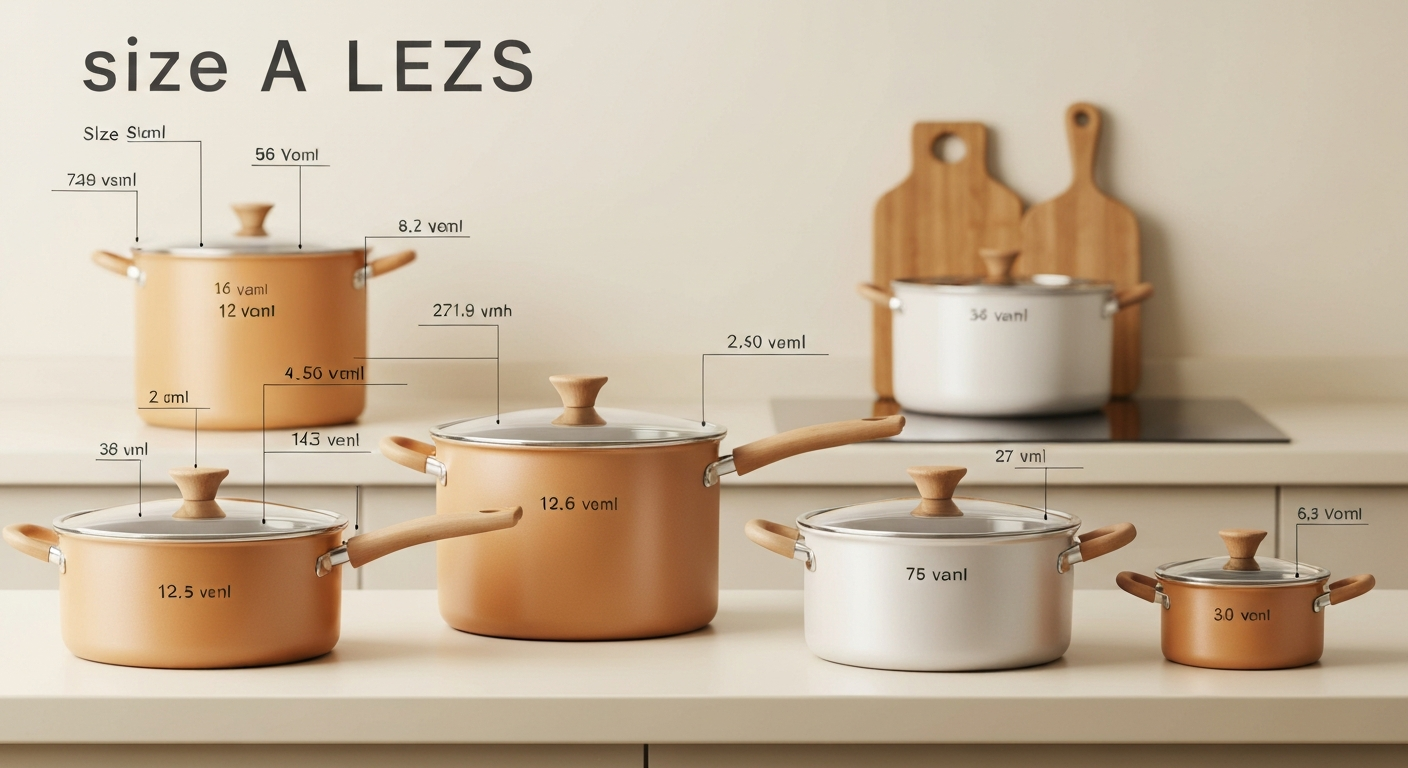
- Incorrect Water Bath Container: Using a pot that's too small or too large can hinder water circulation. A container that's too small won't allow proper water movement, leading to hot and cold spots. One that's too large will take longer to heat and may lose heat faster, requiring more energy from your immersion circulator.
- Insufficient Water Level: Your circulator has a minimum and maximum water level line. Operating outside these parameters can damage the device or lead to inefficient heating. Always ensure the water level is between these marks, accounting for displacement once food is added.
- Overcrowding the Bath: Packing too many food pouches into the water bath restricts water flow. This creates dead zones where the water isn't circulating effectively, resulting in unevenly cooked food. Give your food ample space for the water to move freely around each pouch.
- Lack of a Lid or Cover: Leaving your water bath uncovered, especially for longer cooks, leads to significant water evaporation. This can cause the water level to drop below the minimum line, potentially shutting off your circulator or even damaging it. A lid also drastically improves energy efficiency.
- Improper Circulator Placement: The immersion circulator should be positioned to allow unobstructed water flow. Avoid placing it directly against the container wall or a food pouch, as this can impede circulation.
Important Tip: Always check your immersion circulator's manual for specific water level requirements and placement recommendations. A few minutes of preparation can save hours of frustration.
See also: Tired of Failed Ferments? A Smart Fermenter Changes Everything
Optimizing Your Sous Vide Water Bath for Consistent Results
Setting up your water bath correctly is crucial for achieving consistent and reliable sous vide results. Follow these steps for an optimized setup:
- Choose the Right Container: Select a heat-safe container, like a large pot, a dedicated sous vide container, or even a cooler. A 12-quart (approximately 11-liter) container is a good starting point for most home cooks, offering enough volume for circulation without being excessively large.
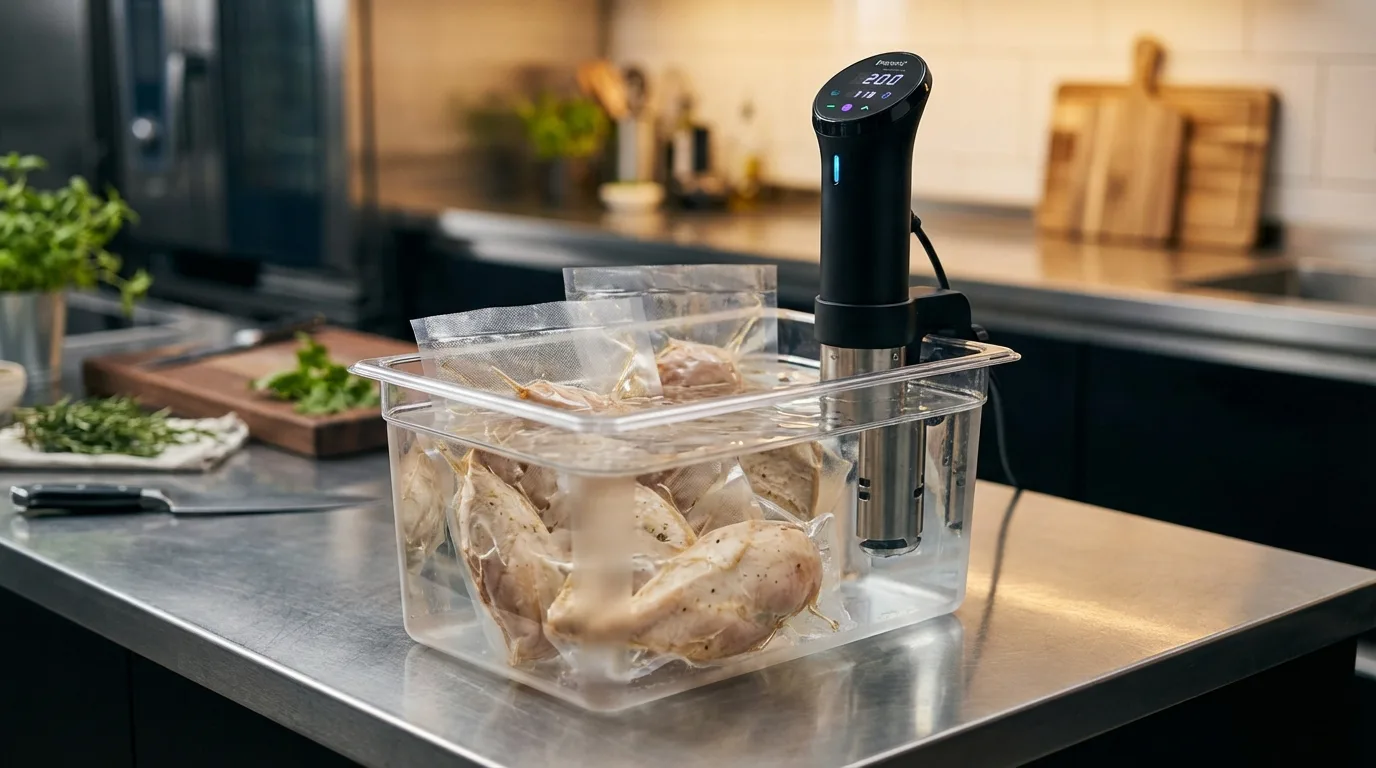
- Secure Your Immersion Circulator: Clip your immersion circulator firmly to the side of the container. Ensure the heating element and impeller are fully submerged in the water without touching the bottom or sides of the container.
- Fill with Water: Fill the container with water, making sure to stay between the minimum and maximum fill lines on your circulator. For faster heating, you can start with hot tap water if your desired cooking temperature is high.
- Add Insulation (Optional but Recommended): For longer cooks or to save energy, cover your water bath. A dedicated sous vide lid, plastic wrap, or even aluminum foil can significantly reduce heat loss and evaporation. For exceptionally long cooks, using a cooler as your water bath provides excellent insulation.
- Preheat the Water: Set your desired temperature on the immersion circulator and allow the water to reach temperature before adding your food. This ensures your food starts cooking at the precise temperature immediately.
- Proper Food Placement: Once the water is at temperature, carefully place your vacuum-sealed food pouches into the water bath. Ensure they are fully submerged and have enough space to allow water to circulate freely around them. Use weights if necessary to keep pouches submerged.
Beyond Setup – Advanced Tips for Maximizing Your Immersion Circulator
Once your setup is dialed in, consider these additional tips to elevate your sous vide game and make the most of your immersion circulator.
- Dealing with Evaporation: For cooks lasting several hours, evaporation can still be an issue even with a lid. Consider adding ping-pong balls to the surface of the water or using a dedicated insulated cover to further minimize heat and water loss. Some advanced immersion circulators also feature sensors that can alert you to low water levels.
- Cleaning and Maintenance: Regularly clean your immersion circulator. Mineral deposits from tap water can build up on the heating coil and impeller over time, reducing efficiency. A simple vinegar bath can often remove these deposits. Refer to your device's manual for specific cleaning instructions.
- Safety Considerations: Always ensure your immersion circulator is plugged into a grounded outlet. Avoid submerging the electronic head of the device in water. When cooking at lower temperatures for extended periods, always consult USDA food safety guidelines to ensure your food is safe to eat, especially for vulnerable populations.
- Exploring Smart Features: Modern immersion circulators, such as the Breville Joule Turbo or Inkbird WiFi Sous Vide, often come with smart features and app integration. These allow you to control the device remotely, access guided recipes, and monitor your cook from anywhere in your home. This connectivity is a major trend in kitchen appliances in 2026, enhancing convenience and precision.
Investing in a quality immersion circulator kit can significantly enhance your culinary skills. As of May 27, 2026, a comprehensive immersion circulator kit, often including a powerful 1100-watt circulator, a 6-liter container, and vacuum bags, can be found in the United States in the approximate range of $150 to $250. This price point makes it an accessible tool for serious home cooks. Understanding the technology behind an immersion circulator can help you make an informed purchase decision.
Preços aproximados consultados em 27/05/2026 e sujeitos a alteração. Consulte lojas oficiais para valores atualizados.
Check out: Recipe app international: Ever Wished For A Recipe App That Makes International Cooking...
| Model | Power | Connectivity | Key Feature |
|---|---|---|---|
| Anova Precision Cooker Nano | 750 Watts | Bluetooth | Compact design, entry-level friendly |
| Breville Joule Turbo | 1100 Watts | WiFi/Bluetooth | Fast heating, app-centric control |
| Inkbird WiFi Sous Vide | 1000 Watts | WiFi | Affordable, robust app integration |
| Anova Precision Cooker Pro | 1200 Watts | WiFi/Bluetooth | Commercial-grade power, durable build |
Perguntas Frequentes
Can I use any pot with my immersion circulator? Yes, as long as it's heat-safe and deep enough to meet the immersion circulator's minimum water level requirements. Stainless steel pots, stockpots, or dedicated sous vide containers are ideal.
How often should I clean my immersion circulator? It depends on how frequently you use it and the mineral content of your water. A good rule of thumb is every 10-20 uses, or whenever you notice mineral buildup. A descaling solution or a vinegar bath works well.
Is it safe to leave my immersion circulator running overnight? Yes, most modern immersion circulators are designed for long cooking times. However, always ensure the water level is sufficient, the container is covered to prevent evaporation, and the device is plugged into a safe, grounded outlet. You can find more safety tips on USA.gov food safety resources.
Conclusão
Mastering sous vide cooking is less about expensive equipment and more about understanding the fundamentals of your setup. By paying close attention to your immersion circulator's placement, water bath configuration, and general maintenance, you can dramatically improve the consistency and quality of your culinary creations. The difference between a good sous vide meal and a perfect one often lies in these small, yet critical, details.
- Ensure adequate water circulation in your bath.
- Always maintain proper water levels to protect your device.
- Utilize lids or covers to prevent evaporation and conserve energy.
- Clean your immersion circulator regularly for optimal performance.
- Stay informed about current market trends and smart features, like those found in the Breville Joule Turbo.
For more content, visit the homepage of Cooking Melt.
Don't let a simple setup oversight prevent you from enjoying the incredible benefits of precision cooking. Implement these easy fixes, and you'll soon be consistently turning out dishes that impress every time. Happy cooking!
0 Comentários: