 By
By 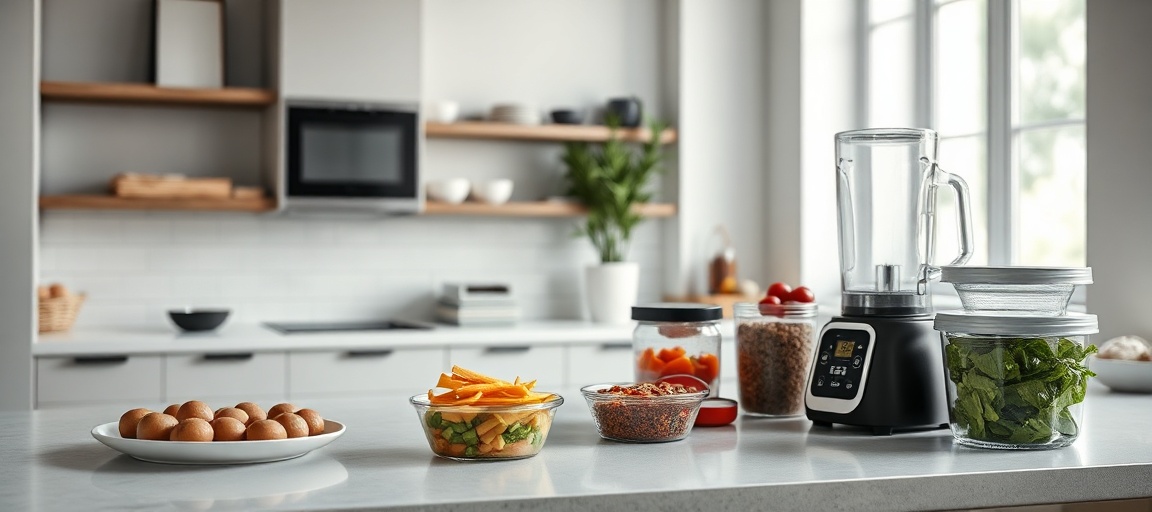
Unpacking the Promise of Meal Prep Tech 2026
As of May 2026, the global food technology market continues its rapid expansion, driven by increasing consumer demand for convenience, personalized nutrition, and sustainable practices. This surge has brought forth a new generation of meal prep tech 2026 solutions, promising to revolutionize how we plan, prepare, and even consume our daily meals.
Many of us embark on meal prepping with the best intentions: to eat healthier, save money, and, crucially, to reclaim precious time. Yet, without the right tools and strategies, meal prep can sometimes feel like another chore added to an already packed schedule. This often leaves people wondering if the technology meant to help them is truly delivering on its time-saving potential.
This article will explore the latest advancements in meal prep technology for 2026, examining how these innovations are designed to streamline your kitchen routine. We’ll delve into specific tools, software, and strategies to help you determine if your current meal prep setup is genuinely saving you time or if it’s time for an upgrade.
The Evolution of Meal Prep Technology
Meal preparation has evolved significantly beyond simple batch cooking on Sundays. Today, it encompasses a sophisticated ecosystem of software, smart appliances, and specialized containers, all designed to optimize efficiency and nutrition. The landscape of meal prep tech has matured, moving from basic recipe databases to highly intelligent systems.
Looking back, platforms like Meallogix, which launched in July 2020, laid foundational groundwork for digital meal management. These early solutions focused on inventory tracking and basic recipe scaling. Fast forward to 2026, and the industry is buzzing with AI-powered customization and predictive analytics, fundamentally changing the game for both businesses and individual consumers.
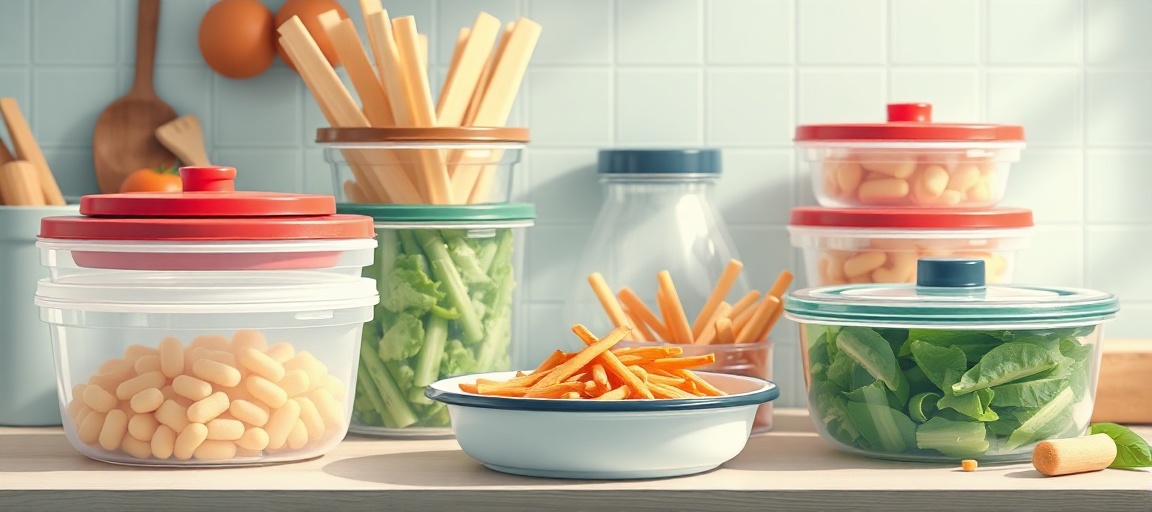
For businesses, the shift is towards comprehensive automation for kitchen operations and delivery logistics. For individuals, the focus is on personalized recommendations and seamless integration into daily life. This dual evolution ensures that meal prep tech serves a broad spectrum of needs, from small family kitchens to large-scale food service operations.
AI-Powered Meal Planning – Your Digital Sous Chef
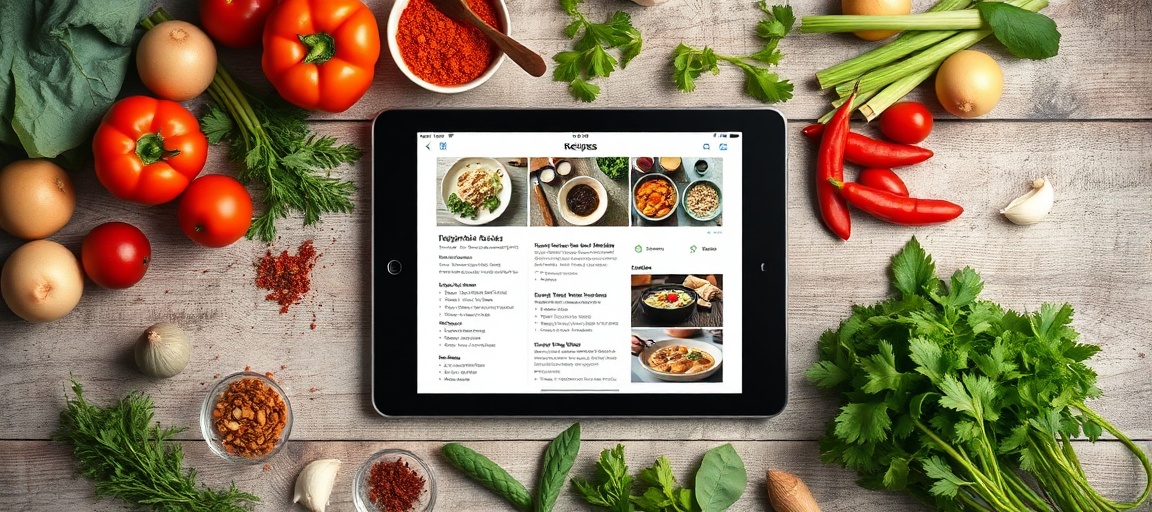
One of the most significant advancements in meal prep tech 2026 is the rise of artificial intelligence in meal planning. AI-powered apps are no longer just suggesting recipes; they are learning your preferences, dietary restrictions, and even your schedule to create highly personalized meal plans.
Read also: Quick One Pot Dinners: 7 Stress-Free Meals for Exhausted Chefs
- Personalized Recommendations: Apps like FoodiePrep leverage machine learning to analyze your past choices, health goals, and even local grocery sales to suggest meals tailored just for you.
- Automated Grocery Lists: Once a meal plan is set, these apps automatically generate a shopping list, often categorized by aisle, saving you time at the supermarket.
- Nutritional Tracking: Beyond planning, many apps integrate nutritional tracking, helping you stay on top of your caloric and macro-nutrient intake without manual logging.
Consumer365 recognized Blue Apron as a top meal kit service in January 2026, highlighting the continued demand for convenient, pre-portioned meal solutions that simplify cooking. This trend aligns perfectly with the capabilities of advanced meal planning apps, which can seamlessly integrate with such services.
Smart Kitchen Appliances and Automation
While software handles the planning, smart kitchen appliances are taking over the preparation. The "Ultimate Meal Prep System 2026," discussed in January 2026, emphasized the integration of various smart devices to create a cohesive cooking environment. This year, the trend is moving towards component automation rather than just large-batch cooking.
Consider the benefits of smart appliances:
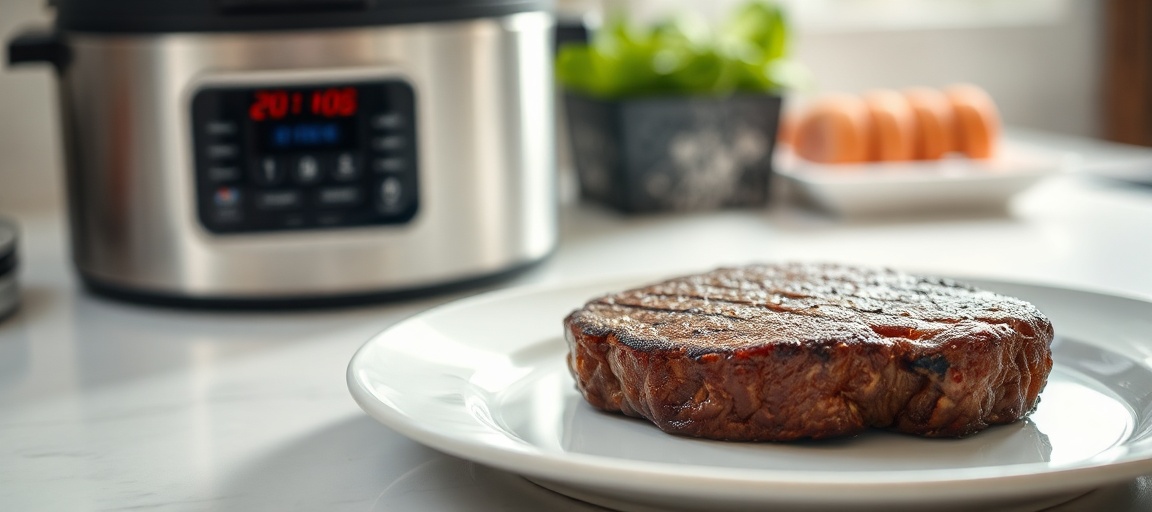
- Automated Cooking: Pressure cookers, air fryers, and slow cookers with smart capabilities can be programmed or even controlled remotely, allowing you to start cooking before you even walk through the door.
- Precision and Consistency: Smart scales and food processors ensure ingredients are measured and prepared with consistent accuracy, leading to better results and less waste.
- Integrated Systems: The true time-saver comes from appliances that communicate with your meal planning apps, automatically adjusting cooking times or temperatures based on the recipe.
Important Tip: Regularly review your meal prep tech setup to ensure it aligns with your current dietary needs and time-saving goals. An optimized system should feel like an extension of your own kitchen intuition, not an added complexity.
Advanced Preservation and Sustainable Packaging
Once meals are prepped, keeping them fresh and safe is paramount. The latest innovations in meal prep tech 2026 include advanced preservation methods and a strong emphasis on sustainability. A report on the US large meal prep container market, published in May 2026, highlighted the growing demand for high-quality, durable solutions.
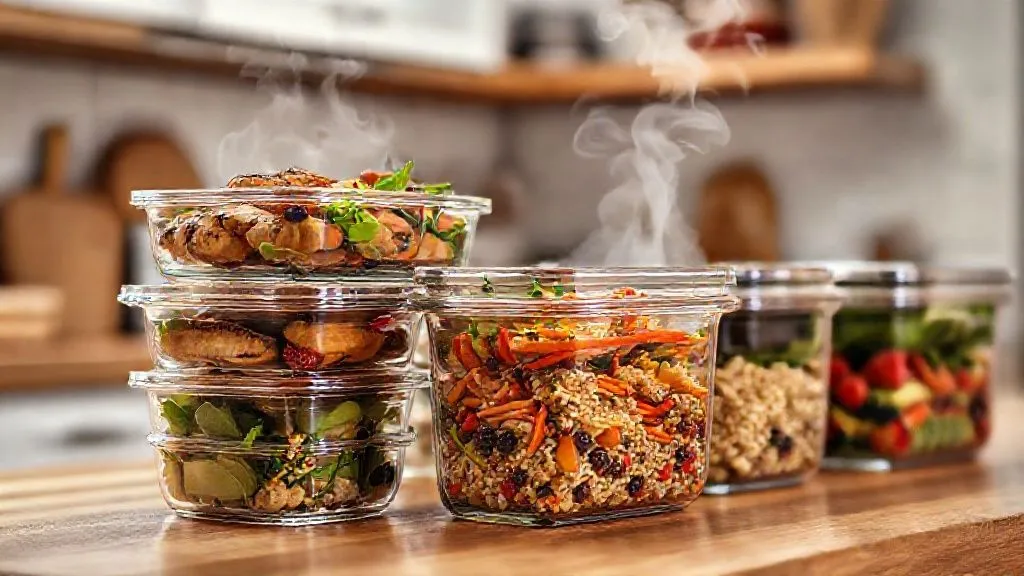
Vacuum-sealed glass containers are becoming a standard for advanced preservation. These containers remove air, significantly extending the shelf life of prepared meals by reducing oxidation and bacterial growth. This means you can prep larger batches without worrying about food spoiling quickly, leading to fewer last-minute cooking sessions.
See also: Sous Vide Rubbery Chicken? Avoid It With These Meal Prep Secrets
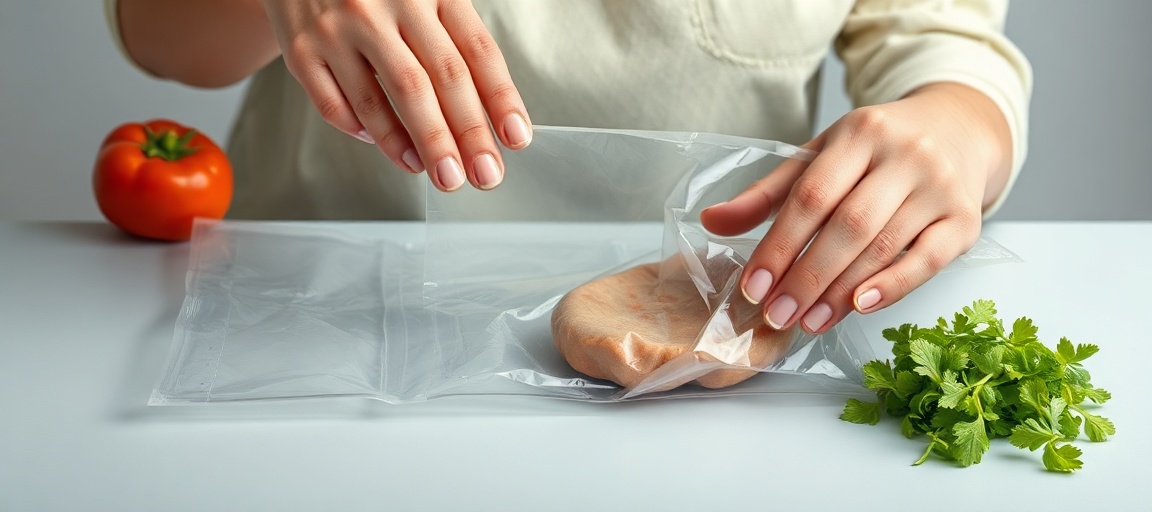
Sustainability is also a key driver. Many companies are focusing on reusable, recyclable, and biodegradable packaging materials. This not only benefits the environment but also often means more durable and higher-quality containers for consumers.
Business Solutions and Market Trends in 2026
For meal prep businesses, the technological landscape is even more sophisticated. Platforms like Sprwt, Deelo, Bistrostack, and Kosmos offer comprehensive features for everything from order management to delivery logistics. These systems are crucial for businesses aiming to scale efficiently.
The Brazil Food Tech Market report, released in May 2026, underscored the global momentum in food technology, showing robust investment and innovation. Similar trends are observed across the United States, where efficiency and customer experience are paramount.
These prices reflect the approximate costs for these services as of May 27, 2026, and are subject to change. Consult official websites for the most current pricing and feature sets. For instance, Sprwt offers detailed information on their business solutions.
The integration of AI and machine learning is not just for consumers; businesses are using it for personalized recommendations at scale and for optimizing supply chain logistics, reducing waste, and improving delivery times. This advanced meal prep tech 2026 allows businesses to offer more flexible and customized meal options to their clientele.
Choosing the Right Meal Prep Tech for You
With so many options, how do you determine if your meal prep tech is truly saving you time? It boils down to assessing your personal needs and how well the technology integrates into your lifestyle. A key consideration is the learning curve for any new system. If it takes more time to learn than it saves, it might not be the right fit.

Consider the following when evaluating your current or prospective meal prep tools:
Check out: Combat Burnout: 7 Diverse Freezer Meal Strategies for Professionals
- Ease of Use: Is the interface intuitive? Does it simplify tasks or add complexity?
- Integration: Does it work seamlessly with other apps or smart devices you already use?
- Customization: Can it adapt to your specific dietary needs, preferences, and schedule changes?
- Cost-Benefit: Does the investment in time and money yield tangible savings in your daily routine?
For individuals, top meal planning apps for 2026 were reviewed in January, offering a great starting point for finding consumer-focused solutions. For more advanced needs, explore options like Wikipedia's overview of meal preparation for broader context.
While previous generation products and apps might offer budget-friendly entry points, it's essential to acknowledge that newer, more integrated solutions exist. Older models could still be valuable for those with basic needs or tighter budgets, but they might lack the advanced AI and automation features prevalent in 2026's leading offerings. Always verify current prices and features on official sources before making a purchase decision.
Perguntas Frequentes
What is the primary benefit of modern meal prep tech 2026? The primary benefit is significant time savings through automation, personalized planning, and efficient organization, allowing users to focus on healthier eating without the daily stress of cooking decisions.
Are AI meal planning apps expensive? Consumer AI meal planning apps typically range from $5 to $15 per month for premium features, though many offer free basic versions. Business solutions for meal prep tech 2026 can range from $19 per seat to several hundred dollars monthly, depending on the scale and features required.
How does meal prep tech help with sustainability? Modern meal prep tech promotes sustainability by reducing food waste through precise planning and portioning, and by encouraging the use of reusable, durable containers. Many solutions also optimize supply chains for businesses, further minimizing environmental impact. For more information on government initiatives, you can visit USA.gov.
Conclusão
The landscape of meal prep tech 2026 offers an exciting array of tools designed to genuinely save you time, reduce stress, and promote healthier eating habits. From AI-powered planning to smart kitchen appliances and advanced preservation techniques, the technology is more integrated and intelligent than ever before. Blue Apron and similar services continue to demonstrate the value of convenience.
- Personalization is Key: AI tailors meal plans to individual needs, making healthy eating effortless.
- Automation Streamlines Tasks: Smart appliances and integrated software take the manual labor out of prep.
- Preservation Extends Freshness: Advanced containers like vacuum-sealed glass reduce waste and increase batch efficiency.
- Business Solutions Drive Growth: Comprehensive platforms optimize operations for meal prep companies.
For more content, visit the homepage of Cooking Melt.
Ultimately, the effectiveness of your meal prep tech hinges on how well it aligns with your specific lifestyle and goals. By carefully evaluating the available options and embracing innovations, you can transform your kitchen into a hub of efficiency, truly reclaiming your time and enjoying the benefits of well-planned meals. The right tools in 2026 aren't just gadgets; they're investments in a more organized, healthier you. For further insights into food tech, resources like Food Tech Connect can provide valuable information.

0 Comentários: