 By
By 
How to Prep Diverse Freezer Meals to Combat Professional Burnout?
For over 15 years in the culinary and meal prep industry, I've witnessed firsthand the relentless pace of modern professional life and the profound toll it takes. It's not just long hours; it's the mental load, the constant decision-making, and the elusive quest for work-life balance that often leaves individuals feeling utterly depleted. I've seen countless ambitious professionals, brimming with potential, gradually succumb to the insidious creep of professional burnout.
This isn't just about feeling tired; it’s a state of emotional, physical, and mental exhaustion caused by prolonged or excessive stress. One of the first casualties in this battle is often our nutrition. When time is scarce and energy is low, healthy eating habits are replaced by convenience foods, leading to a vicious cycle that exacerbates fatigue, diminishes focus, and further fuels burnout. The thought of cooking a nutritious meal after a demanding day becomes another daunting task, not a source of comfort.
But what if there was a powerful, proactive strategy to reclaim your evenings, nourish your body, and significantly reduce that daily decision fatigue? This article isn't just about recipes; it's a definitive guide on how to prep diverse freezer meals to combat professional burnout effectively. We’ll explore actionable frameworks, expert insights, and practical steps to transform your approach to food, empowering you to build resilience against the stresses of your demanding career.
Understanding the Burnout-Nutrition Connection
The link between what we eat and how we feel, both mentally and physically, is undeniable. When you're experiencing professional burnout, your body is under chronic stress, demanding more nutrients to function optimally. Yet, this is precisely when the inclination to cook healthy meals often vanishes, replaced by quick, often less nutritious, options.
The Vicious Cycle of Stress, Time, and Food Choices
Imagine this scenario: you've just finished an intense workday, your brain is fried, and your energy reserves are at rock bottom. The last thing you want to do is chop vegetables or follow a complex recipe. This leads to reaching for takeout, highly processed convenience foods, or skipping meals altogether. While these options offer immediate gratification, they often lack the complex carbohydrates, lean proteins, and micronutrients essential for sustained energy, mood regulation, and cognitive function. This nutritional deficit then worsens fatigue, irritability, and brain fog, creating a detrimental feedback loop that deepens burnout. Harvard Business Review often highlights how poor self-care fuels professional decline.
Why Diversity Matters Beyond Convenience
While any meal prep saves time, simply making a giant batch of chili every Sunday can lead to another form of fatigue: food monotony. Eating the same meal repeatedly, no matter how healthy, can lead to a lack of enthusiasm for food, potential nutrient deficiencies over time (if the meal isn't perfectly balanced for all needs), and a feeling of deprivation rather than nourishment. True resilience against burnout comes from feeling nurtured and excited about your meals. Diverse freezer meals ensure you're getting a broad spectrum of nutrients, keeping your palate engaged, and making mealtime a genuinely enjoyable break, not just a necessary refueling stop. It’s about creating a sustainable system that supports both your physical and mental well-being.
Expert Insight: "Your freezer isn't just for storage; it's a strategic weapon against the daily grind. By prioritizing diverse, nutrient-rich meals, you're not just feeding your body; you're investing in your mental clarity and emotional resilience. Don't underestimate the power of a thoughtfully prepared meal to shift your entire outlook."
Phase 1: Strategic Planning for Peak Efficiency
Before you even think about chopping an onion, a robust planning phase is crucial. This isn't just about making a list; it's about understanding your needs, your preferences, and your limitations to create a meal prep strategy that truly serves you.
Auditing Your Current Meal Habits
Take a week to honestly track your eating habits. When do you typically eat out? What meals do you usually skip? What are your go-to convenience foods? Identifying these patterns reveals your 'pain points' – the moments when you're most vulnerable to unhealthy choices. This audit will inform where your freezer meals can make the biggest impact. For instance, if lunch is always a scramble, focus on easy-to-reheat lunch portions. If dinner is chaos, prioritize complete dinner meals.
Crafting a Diverse Meal Matrix
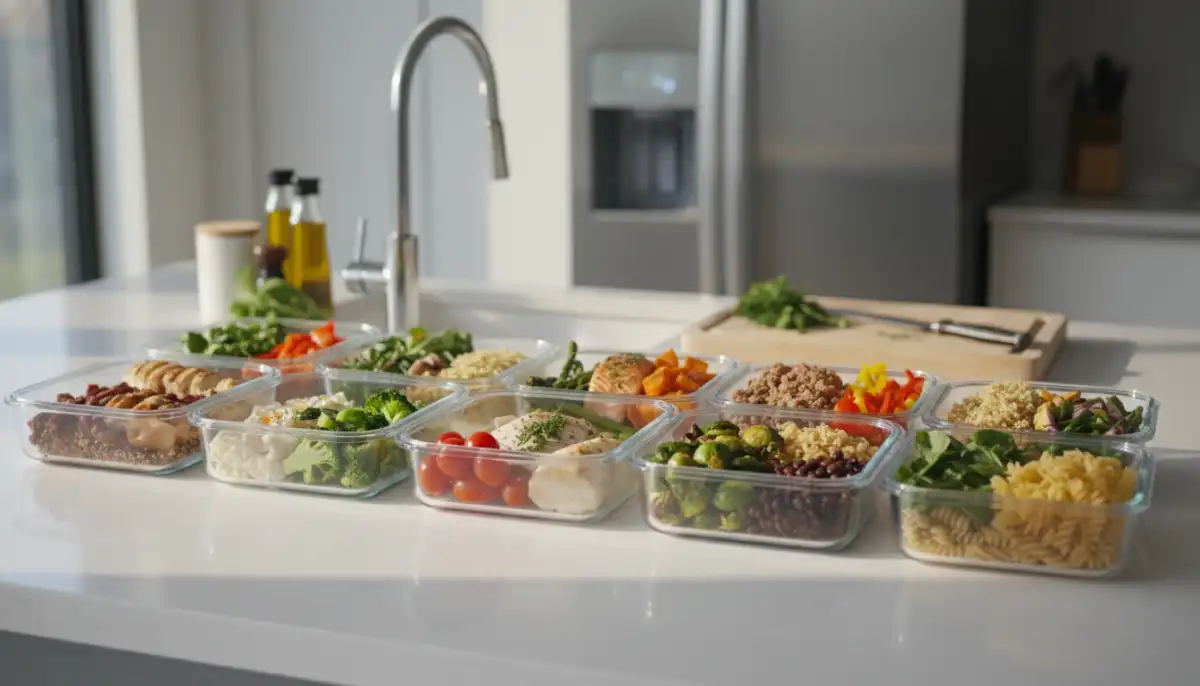
To truly combat burnout, variety is key. A meal matrix helps you visualize and plan different categories of meals, ensuring you don't get stuck in a rut. Think about different cuisines, protein sources, and meal types (soups, stews, baked dishes, stir-fry components). This matrix will be your blueprint for a week or even a month of varied eating.
| Meal Category | Examples | Key Benefit |
|---|---|---|
| Comfort Classics | Shepherd's Pie, Mac & Cheese (with hidden veggies), Lasagna | Familiar, satisfying, easy to double |
| Global Flavors | Curries, Chili, Enchiladas, Bolognese | Exciting, prevents monotony, rich in spices |
| Soups & Stews | Lentil Soup, Chicken Noodle, Beef Stew, Minestrone | Hydrating, nutrient-dense, easily customizable |
| Breakfast/Lunch Staples | Breakfast burritos, Egg muffins, Quinoa salads (components), Lentil patties | Grab-and-go convenience, boosts morning energy |
| Component Prep | Cooked grains, Roasted vegetables, Shredded chicken/pork, Sauces | Versatile, quick assembly, reduces cooking time |
Essential Equipment & Pantry Staples
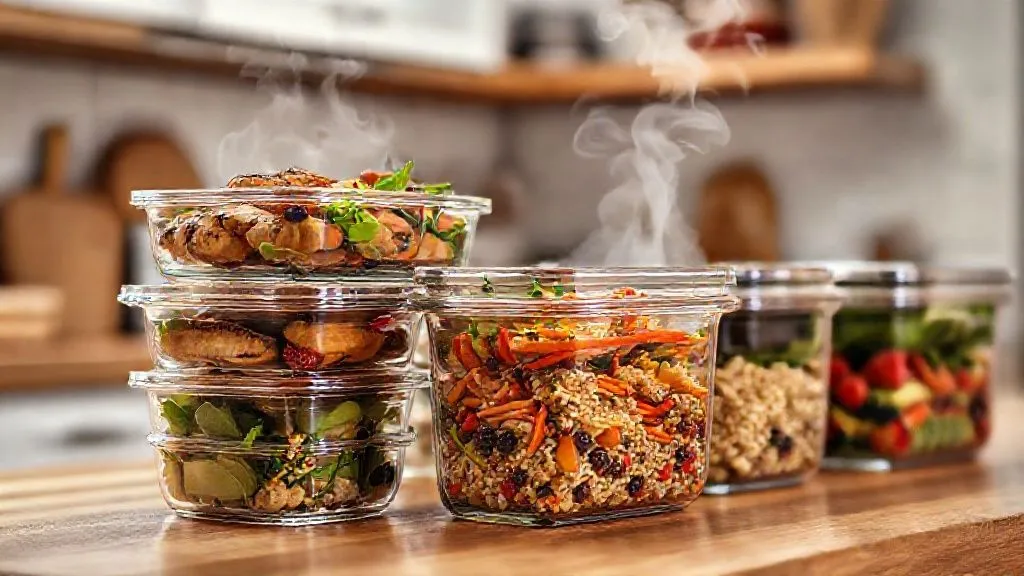
Having the right tools makes meal prep significantly easier and more enjoyable. Invest in quality freezer-safe containers (glass or BPA-free plastic), heavy-duty freezer bags, and a good food processor. Stock your pantry with non-perishable staples like dried legumes, grains (quinoa, rice, pasta), canned tomatoes, spices, and healthy oils. A well-organized pantry and a dedicated freezer space are game-changers for efficiency.

Phase 2: Mastering Diverse Freezer-Friendly Recipes
The secret to successful freezer meal prep lies in choosing and adapting recipes that stand up well to freezing and reheating without sacrificing flavor or texture. This goes beyond just making a big pot of soup.
Beyond the Casserole: Soups, Stews, and Stir-Fry Bases
While casseroles are great, expand your repertoire. Soups and stews are freezer superstars, often tasting even better after a freeze-thaw cycle as flavors meld. For stir-fries, prepare and freeze the protein (e.g., marinated chicken or beef strips) and the sauce separately. Chop and blanch vegetables like broccoli or bell peppers before freezing, then combine with fresh rice and your prepped protein/sauce for a quick, fresh-tasting meal. This component-based approach offers immense flexibility.
Embracing Global Flavors for Variety
To combat monotony, delve into different cuisines. A batch of Indian curry base, a hearty Italian bolognese, or a spicy Mexican chili can all be prepped and frozen. These dishes are often rich in spices and robust flavors that hold up wonderfully. Experimenting with international recipes not only broadens your culinary horizons but also ensures a diverse nutrient intake and keeps mealtime exciting.
Plant-Powered & Protein-Packed Options
Don't forget the power of plant-based meals. Lentil shepherd's pie, black bean burgers, chickpea curries, or mushroom bolognese freeze beautifully and offer a fantastic source of fiber and plant protein. For meat-eaters, shredded chicken (for tacos, sandwiches, or salads), ground beef/turkey (for meatballs, meatloaves), and slow-cooked pork shoulder are incredibly versatile and freeze well. Aim for a balance of protein, healthy fats, and complex carbohydrates in each meal to sustain energy and combat the fatigue associated with burnout.
Expert Insight: "The key to diverse freezer meals isn't just about having different dishes, but different flavor profiles and nutrient compositions. Think about how each meal contributes to your overall well-being. A vibrant curry one night, a comforting stew the next – this variety is a powerful antidote to burnout-induced food boredom."
- Identify Freezer-Friendly Categories: Focus on dishes with high liquid content (soups, stews, curries), sturdy vegetables (carrots, potatoes, sweet potatoes), and cooked grains that don't become mushy.
- Adapt Recipes for Freezing: Avoid recipes with high-water content vegetables (like zucchini or lettuce) that get watery or crispy components that will soften. Cook pasta or rice slightly al dente if freezing with sauce, or freeze separately.
- Batch Cook Components: Instead of full meals, sometimes freezing cooked chicken, roasted vegetables, or a versatile sauce allows for more flexible assembly later.
- Flavor Boost Post-Thaw: Plan to add fresh herbs, a squeeze of lemon/lime, or a sprinkle of cheese after reheating to revive flavors and textures.
- Test and Adjust: Start with a few favorite recipes, note how they fare after freezing, and adjust ingredients or cooking times for future batches.
Phase 3: The Art of Batch Cooking & Smart Freezing
Once your plan and recipes are in place, the next step is execution. This phase focuses on optimizing your prep day and ensuring your meals are frozen in a way that preserves their quality and taste.
Streamlining Your Prep Day Workflow
A successful batch cooking session is like a well-choreographed dance. Start with a clean kitchen and all your ingredients laid out. Group similar tasks together: chop all vegetables at once, brown all meats, then move to cooking. Use multiple pots and pans simultaneously. Listen to music or a podcast to make the process enjoyable. This systematic approach reduces mental fatigue during prep and makes the process more efficient. Remember, this is an investment in your future self – a way to proactively address the question of how to prep diverse freezer meals to combat professional burnout.
- Mise en Place First: Wash, chop, and measure all ingredients before you start cooking. This saves time and reduces stress.
- Cook in Stages: Start with items that take the longest (e.g., slow-cooking stews), then move to quicker dishes.
- Utilize Appliances: Leverage slow cookers, Instant Pots, and sheet pans to cook multiple components simultaneously with minimal supervision.
- Clean as You Go: Wipe down surfaces and wash utensils as you finish with them to keep the workspace tidy and make post-prep cleanup easier.
- Label Everything: Clearly label containers with the dish name, date prepared, and reheating instructions.
Portioning, Packaging, and Labeling for Success
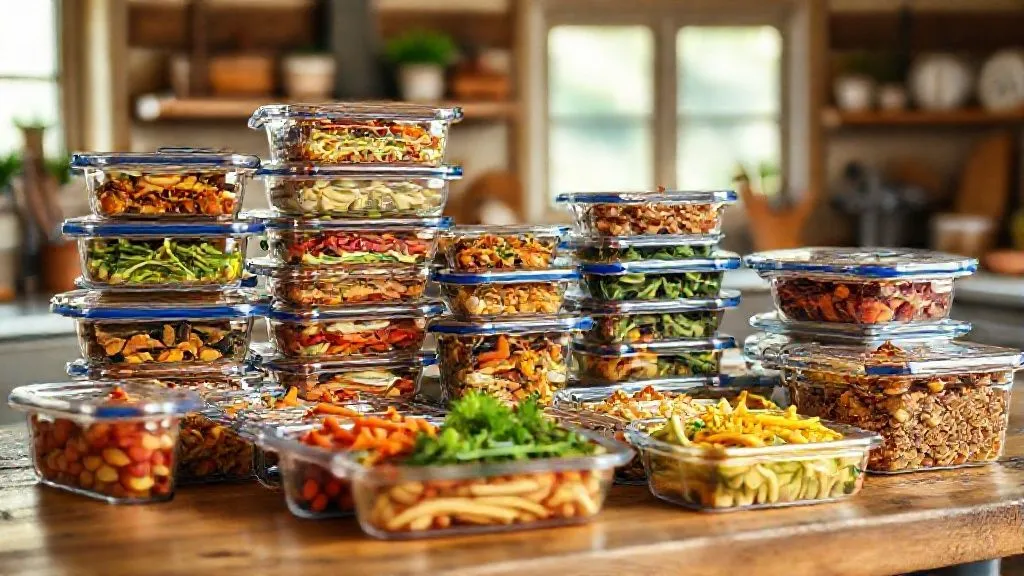
Proper portioning is key to convenience. Freeze meals in individual or family-sized portions that match your typical needs. This prevents waste and allows for quick, targeted reheating. Use airtight, freezer-safe containers or heavy-duty freezer bags (squeezing out excess air). Labeling is non-negotiable – include the dish name, date of preparation, and even simple reheating instructions. This small step saves immense frustration when you're tired and just want a quick meal.
Freezing Techniques for Optimal Taste & Texture
Rapid freezing is generally best to prevent large ice crystals from forming, which can degrade texture. For liquids like soups, allow them to cool completely before transferring to containers and freezing. For solid items, flash freezing on a baking sheet before transferring to a bag can prevent clumping. When reheating, slow thawing in the refrigerator overnight is often ideal, followed by gentle reheating on the stovetop or in the oven to best preserve texture and flavor. FoodSafety.gov provides excellent guidelines on safe food storage.

Phase 4: Integrating Freezer Meals into Your Burnout Recovery
Having a freezer full of diverse meals is only half the battle. The real victory comes from seamlessly integrating them into your daily routine to actively combat professional burnout.
Creating a Weekly Meal Rotation Strategy
Don't just pull out the first thing you see. Spend 5-10 minutes each weekend planning which freezer meals you'll thaw for the upcoming week. This small act of forward-thinking prevents decision fatigue during busy weekdays. Aim for variety throughout the week, pulling from different categories in your meal matrix. Pair a freezer meal with a simple fresh side salad or steamed vegetables to add extra nutrients and freshness.
The Power of 'Emergency Meals'
Designate a few of your most comforting and easiest-to-reheat freezer meals as 'emergency meals.' These are for those days when you're truly overwhelmed, an unexpected deadline hits, or you just can't bring yourself to think about food. Knowing these lifesavers are waiting in your freezer can significantly reduce stress during peak burnout moments. It's a tangible way to care for yourself when you feel least capable.
Case Study: Sarah's Burnout Breakthrough with Strategic Prep
Case Study: How Sarah Conquered Burnout with Freezer Meals
Sarah, a marketing manager in a high-pressure tech firm, was teetering on the brink of professional burnout. Her days were a blur of meetings, late-night emails, and constant demands. Her evenings consisted of takeout, quick-fix processed meals, or simply skipping dinner due to exhaustion. She felt constantly tired, irritable, and her focus at work was diminishing. "I knew I needed a change, but the idea of cooking felt like another impossible task," she confessed.
Following my guidance on how to prep diverse freezer meals to combat professional burnout, Sarah started small. She dedicated two hours on a Sunday to prepare three different freezer-friendly dishes: a lentil soup, a chicken curry, and a batch of breakfast burritos. She focused on variety, ensuring different flavors and nutrient profiles. The first week, she felt a subtle shift. Instead of dreading dinner, she simply pulled out a meal, thawed it, and reheated. The next week, she expanded her repertoire, adding a beef stew and some pre-chopped stir-fry components.
Within two months, the transformation was remarkable. Sarah reported feeling significantly less overwhelmed. The mental load of 'what's for dinner?' vanished. She was eating healthier, more balanced meals, which in turn boosted her energy levels and improved her sleep. "It's not just about the food," she told me, "it's about reclaiming my evenings. I have more time for myself, for exercise, for simply relaxing. Knowing I have nutritious meals ready has been a cornerstone of my burnout recovery." Her colleagues even noticed her renewed focus and positive attitude. Sarah's experience underscores the profound impact strategic meal prep can have on professional well-being.

Advanced Strategies: Beyond the Basics
Once you've mastered the fundamentals, you can elevate your freezer meal prep to an even more efficient and diverse system.
Leveraging Ingredient Overlap for Maximum Efficiency
Think smart, not hard. Many ingredients can be prepped once and used in multiple dishes. For example, chopping a large batch of onions, carrots, and celery (a mirepoix) can serve as the base for a soup, a stew, and a bolognese sauce. Roasting a big tray of mixed vegetables can be portioned for a side dish, added to a grain bowl, or blended into a creamy soup. This strategy minimizes chopping time and maximizes your yield from a single prep session.
| Core Ingredient | Diverse Meal 1 | Diverse Meal 2 | Diverse Meal 3 |
|---|---|---|---|
| Cooked Shredded Chicken | Chicken Tacos/Burritos | Chicken Noodle Soup | Chicken Salad Sandwiches |
| Roasted Sweet Potatoes | Side Dish with Herbs | Sweet Potato & Black Bean Bowl | Blended Sweet Potato Soup |
| Brown Rice/Quinoa | Grain Bowl Base | Stuffed Bell Peppers | Fried Rice (add fresh ingredients) |
| Sautéed Ground Beef/Turkey | Bolognese Sauce | Chili | Shepherd's Pie Topping |
The Role of 'Component Prep'
Sometimes, freezing entire meals isn't the most flexible option. Component prep involves preparing and freezing individual elements that can be combined in various ways later. Examples include: cooked grains (rice, quinoa, farro), roasted vegetables, sautéed proteins (ground meat, shredded chicken), homemade sauces, or even pre-portioned smoothie packs. This offers immense adaptability, allowing you to create fresh-ttasting meals with minimal effort on demand. It's about having building blocks ready to go, rather than fully constructed meals.
Adapting to Dietary Needs and Preferences
Diverse freezer meal prep can be tailored to almost any dietary requirement. Gluten-free? Focus on rice and quinoa bases. Vegetarian or vegan? Legumes, lentils, and hearty vegetables are your friends. Low-carb? Prioritize protein and non-starchy vegetables. The key is to select recipes that naturally fit your needs or can be easily adapted. For instance, a chili recipe can be made with beans and vegetables for a vegan option, or with ground beef for a meat-lover's version, all from the same base prep session.
Common Pitfalls and How to Avoid Them
Even with the best intentions, freezer meal prep can hit snags. Recognizing these common pitfalls can help you navigate them effectively and maintain your momentum in combating professional burnout.
The Monotony Trap
As discussed, eating the same thing repeatedly can lead to food fatigue, defeating the purpose of enjoyable meals. To avoid this: plan for variety using your meal matrix, experiment with new cuisines, and remember to rotate your meals regularly. Don't be afraid to add fresh garnishes or sides to elevate a reheated dish.
Overwhelm on Prep Day
Trying to do too much in one session is a common mistake that leads to burnout from meal prep itself. To prevent this: start small with 2-3 dishes, break up your prep into smaller tasks over a few days, or focus on component prep rather than full meals. Remember, consistency over intensity is key for sustainable habits.
Storage Mistakes
Poor storage can lead to freezer burn, spoiled food, and wasted effort. To ensure quality: use airtight, freezer-safe containers, remove as much air as possible from bags, cool food completely before freezing, and label everything clearly with dates. Regularly rotate your freezer stock to use older meals first.
Frequently Asked Questions (FAQ)
Question? How long can freezer meals safely last in the freezer without losing quality or becoming unsafe?
Answer: Generally, most cooked freezer meals are best consumed within 3-6 months for optimal taste and texture. While food remains safe indefinitely if kept at 0°F (-18°C) or below, quality can degrade over longer periods. Dishes with higher fat content may develop off-flavors more quickly. Always ensure airtight packaging to prevent freezer burn and label with the date of preparation.
Question? What are some common ingredients that don't freeze well, and how can I adapt recipes containing them?
Answer: Ingredients that typically don't freeze well include high-water content vegetables (lettuce, cucumber, raw tomatoes), dairy products like sour cream or yogurt (they tend to separate), fried foods (they lose crispness), and some herbs (they can lose flavor or become mushy). To adapt, add fresh dairy or herbs after reheating. For vegetables, use fresh ones as a side or substitute with heartier, freezer-friendly options like carrots, potatoes, or bell peppers which hold up well.
Question? I'm short on freezer space. What are the most space-efficient ways to store freezer meals?
Answer: Maximize space by using freezer bags for most items, especially soups and stews. Lay them flat to freeze, then stack vertically like files. For solid meals, opt for rectangular or square containers that stack neatly. Consider 'block freezing' liquids in bags, then removing them from the bag and stacking the frozen blocks. Utilize vertical space with shelves if possible. Prioritize component prep over full meals, as components can often be stored more compactly.
Question? How can I ensure my freezer meals taste fresh and delicious after reheating, avoiding that 'freezer' taste?
Answer: Several strategies help maintain freshness. First, cool meals rapidly before freezing. Use high-quality, airtight packaging to prevent freezer burn. When reheating, thaw slowly in the refrigerator overnight when possible. Reheat gently on the stovetop or in the oven rather than just microwaving, which can sometimes dry out food. Finally, always add a 'freshness boost' after reheating: a squeeze of lemon or lime, a sprinkle of fresh herbs, a dash of hot sauce, or a dollop of fresh yogurt or sour cream can remarkably revive flavors.
Question? Can freezer meal prep truly help with the mental load of professional burnout, or is it just another task?
Answer: Absolutely, it's far more than just another task. The primary benefit of freezer meal prep in combating professional burnout is the significant reduction in decision fatigue and mental load. When you know healthy, diverse meals are ready and waiting, you eliminate the daily stress of meal planning, grocery shopping for dinner ingredients, and actual cooking after a long workday. This frees up mental energy, reduces anxiety, and allows you more time for rest, hobbies, or family, which are all crucial for burnout recovery. It's a proactive strategy that offers long-term relief and control.
Key Takeaways and Final Thoughts
- Strategic Planning is Paramount: Begin with an audit of your eating habits and craft a diverse meal matrix to ensure variety and address your specific needs.
- Master Freezer-Friendly Recipes: Expand beyond simple casseroles to include soups, stews, global flavors, and plant-based options that retain quality upon freezing.
- Optimize Batch Cooking & Freezing: Streamline your prep day with efficient workflows, proper portioning, airtight packaging, and clear labeling for seamless integration.
- Integrate Proactively: Plan your weekly meal rotation and designate 'emergency meals' to actively reduce decision fatigue and support your burnout recovery journey.
- Embrace Diversity & Flexibility: Leverage ingredient overlap and component prep to maximize efficiency and keep your meals exciting, preventing monotony.
Professional burnout is a formidable adversary, but you are not powerless against it. By learning how to prep diverse freezer meals to combat professional burnout, you're not just organizing your kitchen; you're orchestrating a profound shift in your daily routine. You're reclaiming precious time, nourishing your body and mind, and building a crucial buffer against the relentless demands of your career. This isn't just about food; it's about self-care, resilience, and creating a sustainable path to well-being. Start small, be consistent, and watch as this powerful strategy transforms your relationship with food, time, and ultimately, your professional life.
Recommended Reading
- 5 Smart Strategies: Simplify Vegan Cooking for Busy Professionals
- Dehydrated Emergency Meals: 7 Proven Ways to Minimize Nutrient Loss
- 5 Proven Strategies: Beat Meal Prep Burnout as a Busy Professional
- High-Volume Ceviche: 7 Pro Strategies to Prevent Raw Fish Parasites
- 5 Pro Methods: Prevent Uneven Searing on Thick Steaks for Doneness
0 Comentários: