 By
By 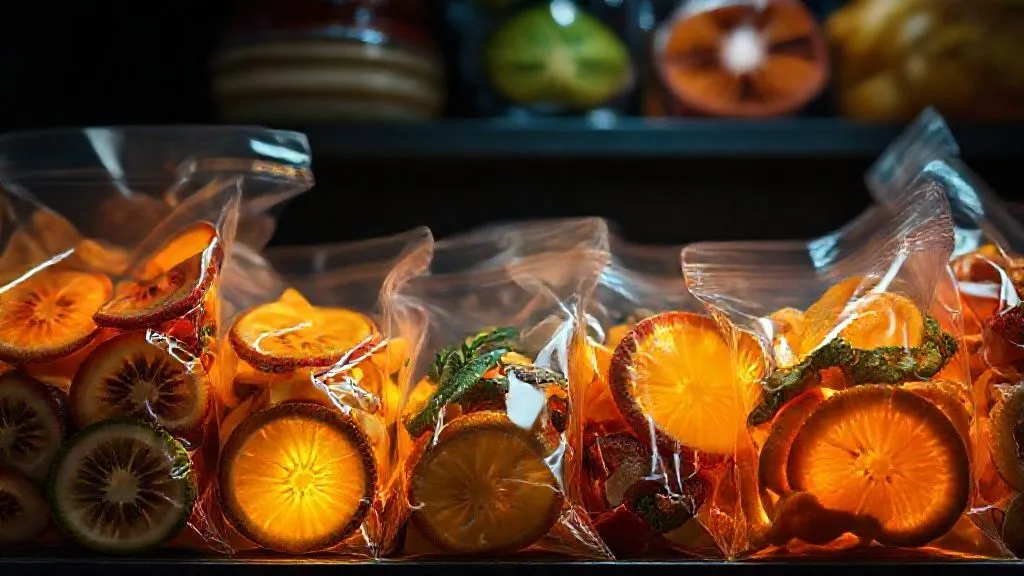
Minimizing Nutrient Loss in Bulk Dehydrated Emergency Meals?
After over three decades immersed in the world of food preservation, from home canning to large-scale emergency meal preparation, I've witnessed a common, yet critical, oversight: the assumption that 'dehydrated' automatically means 'nutritionally sound' for the long haul. While dehydration is a cornerstone of emergency food preparedness, simply removing water isn't enough. The real challenge lies in minimizing the inevitable nutrient degradation that occurs both during and after the process, especially when preparing meals in bulk for uncertain futures.
Many preppers and home preservers pour immense effort into dehydrating vast quantities of food, only to inadvertently compromise its nutritional value through subtle errors in technique or storage. The pain point is real: imagine relying on these meals in a crisis, only to find they offer significantly less sustenance than anticipated. This isn't just about taste; it's about caloric density, vitamin, and mineral availability – the very fuel your body will desperately need.
In this definitive guide, I will share my accumulated expertise, blending scientific principles with practical, actionable strategies. You'll learn not just *what* to do, but *why* it works, from the initial selection of produce to the final packaging and storage. We'll explore frameworks for pre-treatment, precision dehydration, and advanced packaging, all designed to ensure your bulk dehydrated emergency meals retain as much of their vital nutritional integrity as possible. Prepare to transform your approach to long-term food security.
Understanding the Enemy: What Causes Nutrient Degradation?
Before we can effectively combat nutrient loss, we must understand the forces at play. It's a complex interplay of chemical reactions, each chipping away at the nutritional profile of your food.
Heat and Oxidation: The Silent Destroyers
The two primary culprits for nutrient degradation during dehydration are heat and oxidation. Heat, while necessary to remove moisture, can also destroy heat-sensitive vitamins like Vitamin C and some B vitamins. Excessive or prolonged heat can also alter proteins and fats. Oxidation, the reaction of food components with oxygen, is even more insidious. It leads to rancidity in fats, color changes, and the destruction of fat-soluble vitamins (A, D, E, K) and antioxidants. Even trace amounts of oxygen can initiate these damaging processes.
Light and Moisture: Unexpected Culprits
Beyond heat and oxygen, light, particularly UV light, can accelerate vitamin degradation and lipid oxidation. This is why opaque packaging is crucial. Residual moisture, even seemingly small amounts, provides an environment for enzymatic reactions and microbial growth, both of which can lead to significant nutrient loss over time. Aiming for 'bone dry' is not just about preventing spoilage; it's about locking down nutrient stability.
"In my experience, thinking of nutrient retention as a battle against environmental factors is key. Every step, from harvest to storage, is a defensive maneuver against irreversible loss."
Pre-Dehydration Strategies: Locking in Goodness from the Start
The journey to nutrient-rich emergency meals begins long before the dehydrator is even turned on. Proactive steps here can make an enormous difference.
Optimal Produce Selection & Freshness
The fresher and more ripe your produce, the higher its initial nutrient content. Always choose fruits and vegetables at their peak, free from blemishes or signs of decay. In my decades of preserving, I've seen that starting with premium ingredients is non-negotiable for superior results. Don't dehydrate produce that's past its prime; you're just preserving less-nutritious food.
Blanching: A Critical Pre-Treatment
For most vegetables, blanching is not optional; it's essential. This brief exposure to boiling water or steam deactivates enzymes that cause spoilage, color changes, and, crucially, nutrient degradation during storage. While it causes some initial water-soluble vitamin loss, it prevents far greater losses over time. Think of it as hitting the 'pause' button on enzymatic activity.
- Prepare: Wash and chop vegetables to desired size.
- Boil: Bring a large pot of water to a rolling boil. Prepare an ice bath nearby.
- Blanch: Submerge vegetables in boiling water for the recommended time (e.g., 2-3 minutes for green beans, 3-5 for carrots). Do not overcrowd the pot.
- Chill: Immediately transfer blanched vegetables to the ice bath to stop the cooking process.
- Dry: Drain thoroughly and pat dry before dehydrating.
Acidulation & Antioxidant Soaks
For fruits prone to browning (apples, pears, bananas), an acidulation soak (lemon juice, citric acid, or an ascorbic acid solution) prevents oxidation and helps retain Vitamin C. This isn't just cosmetic; it's a nutrient-protective measure. Similarly, some vegetables can benefit from antioxidant pre-treatments, though blanching is often sufficient.
"Proactive nutrient retention is far more effective than trying to recover lost nutrients later. Invest in these initial steps; they pay dividends in long-term food quality."

The Dehydration Process Itself: Precision for Preservation
The actual dehydration phase is a delicate balance. Too much heat, and you destroy nutrients; too little, and you risk spoilage and incomplete drying, leading to future degradation. Precision is paramount.
Temperature Control: The Golden Rule
The ideal dehydration temperature varies by food type. For fruits and vegetables, generally 125-135°F (52-57°C) is recommended. Meats (for jerky) require higher temperatures initially to prevent bacterial growth, then lower. The goal is to remove moisture as quickly as possible without 'cooking' the food. I've found that a dehydrator with accurate temperature control and even airflow is a non-negotiable investment for bulk processing.
Airflow and Drying Time: Balancing Act
Good airflow is critical for efficient moisture removal. Overloading your dehydrator trays restricts airflow and prolongs drying times, increasing nutrient exposure to heat. Rotate trays periodically to ensure even drying. Patience is a virtue here; rushing the process can lead to uneven drying, resulting in pockets of residual moisture that invite spoilage and nutrient loss.
Achieving "Bone Dry" Status: The Moisture Meter is Your Friend
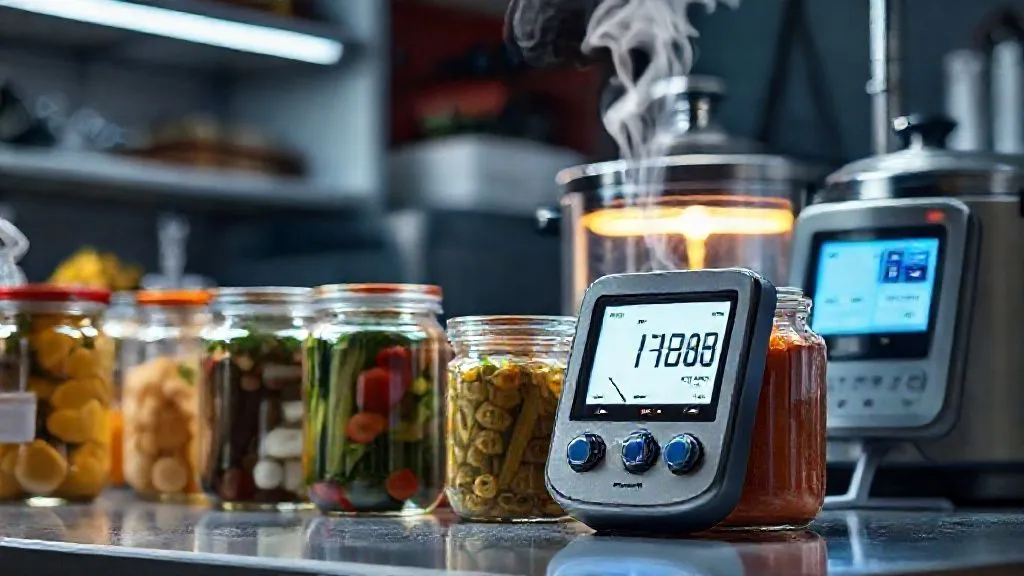
How do you know when food is truly dry enough? For fruits, it should be leathery but pliable. For vegetables, it should be brittle and snap easily. For meats, it should be very tough and firm. Visual inspection and feel are good, but for bulk emergency meals, I strongly recommend a food moisture meter. This tool removes guesswork and ensures your food reaches the critical 5-10% moisture content range, which is vital for long-term nutrient stability and preventing microbial growth.
| Food Type | Recommended Temp | Target Moisture Content |
|---|---|---|
| Fruits (e.g., apples, berries) | 125-135°F (52-57°C) | 10-15% (leathery) |
| Vegetables (e.g., carrots, spinach) | 125-135°F (52-57°C) | 5-10% (brittle) |
| Meats (for jerky) | 145-160°F (63-71°C) initially, then 130-140°F (54-60°C) | <10% (very firm/tough) |
| Herbs | 95-105°F (35-40°C) | <5% (crumbly) |
Post-Dehydration Handling: Sealing in the Nutrients
Once your food is perfectly dry, the battle isn't over. How you handle it immediately after dehydration is crucial for preventing nutrient loss before long-term storage.
Cooling Before Packaging
Never package warm dehydrated food. As it cools, it releases latent moisture that can condense inside your packaging, creating a breeding ground for mold and compromising its 'bone dry' status. Spread the dehydrated food on trays or clean towels in a cool, dry room for several hours, or even overnight, to allow it to fully cool and equalize to room temperature.
Oxygen Absorbers: The Linchpin of Long-Term Storage
Even with vacuum sealing, some residual oxygen remains. This is where oxygen absorbers become your best friend for bulk dehydrated meals. These small packets contain iron powder that reacts with and absorbs oxygen, creating a near-anaerobic environment. This dramatically halts oxidative nutrient degradation and prevents the growth of aerobic spoilage organisms. Always use the appropriate size absorber for your container volume.
Vacuum Sealing: The Ultimate Barrier
Pairing oxygen absorbers with vacuum sealing is a powerful combination. Vacuum sealing removes most of the air, and therefore oxygen, from the package. When combined with an oxygen absorber, it creates an environment where oxidative reactions are minimized, significantly extending nutrient shelf life. This is especially important for fatty foods like nuts or high-fat meats, which are highly susceptible to rancidity.
"The moment your food is dry, it's vulnerable. Every second it's exposed to oxygen and humidity is a second nutrients are being lost. Act swiftly and decisively with proper post-dehydration handling."
Packaging Materials and Storage Environment: Your Nutrient Fort Knox
The choice of packaging and the environment where your bulk meals are stored are just as critical as the dehydration process itself.
Mylar Bags vs. Vacuum Seal Bags: Pros and Cons
For long-term bulk storage, I consistently recommend Mylar bags over standard vacuum seal bags for several reasons. Mylar bags are opaque, blocking light, and offer superior oxygen and moisture barrier properties. While thicker vacuum seal bags are good for shorter to medium-term storage, Mylar provides robust protection against permeation. Always ensure your Mylar bags are heat-sealed properly after adding food and an oxygen absorber.
Ideal Storage Conditions: Cool, Dark, and Stable
Even the best packaging can't entirely negate poor storage conditions. Store your dehydrated meals in a cool, dark, and dry location. A consistent temperature below 70°F (21°C) is ideal; cooler is better. Avoid temperature fluctuations, which can cause 'sweating' inside packages. Basements, cool pantries, or dedicated storage rooms are excellent choices. Light accelerates nutrient degradation, so darkness is crucial. For further insights on general food storage guidelines, I often refer to resources like the National Center for Home Food Preservation.

Rehydration Techniques: Reviving Without Ruining
The final step in utilizing your emergency meals is rehydration. Done improperly, even perfectly preserved food can lose nutrients.
Cold Soak vs. Hot Soak: When and Why
For many vegetables and some fruits, a cold soak (rehydrating in cool water for several hours or overnight) can be superior to a hot soak. While slower, it minimizes nutrient leaching into the water, especially for water-soluble vitamins. Hot soaks are faster and sometimes necessary for tougher items or when time is critical, but they carry a higher risk of nutrient loss if the rehydration water is discarded or if the food is overcooked during rehydration.
Avoiding Overcooking
Once rehydrated, treat your food as if it were fresh. Overcooking will destroy heat-sensitive nutrients that you've worked so hard to preserve. If you're adding rehydrated ingredients to a stew or soup, add them towards the end of the cooking process to minimize heat exposure. The goal is to make them palatable and tender, not mushy.
"Rehydration is the last hurdle. Don't let your efforts in preservation be undone by aggressive rehydration or overcooking. Gentle rehydration respects the nutrient integrity you've fought to maintain."
Case Study: The "Mountain Man" Emergency Meal Project
How a Community Group Mastered Nutrient Retention
I worked as a consultant for a community preparedness group, let's call them the "Mountain Men," who aimed to create a year's supply of nutritionally robust dehydrated meals for 50 families. Their initial trials showed significant vitamin C and B vitamin degradation after six months. By implementing the strategies I've outlined, they dramatically improved their outcomes.
Their key changes included: meticulous blanching protocols for all vegetables, implementing a two-stage drying process (higher initial temp for safety, then lower for nutrient preservation), and a rigorous post-dehydration cool-down phase followed by vacuum-sealing with appropriately sized oxygen absorbers in Mylar bags. They also moved their storage from an uninsulated shed to a climate-controlled basement. After one year, independent lab testing of their stored meals showed only an average of 15% nutrient degradation, compared to their initial 40-50% loss. This resulted in a significant increase in confidence regarding their long-term food security and the nutritional efficacy of their emergency provisions. This success story underscores the power of a systematic, science-backed approach to food preservation. For deeper dives into food science principles, resources like those from the Institute of Food Technologists are invaluable.
Nutritional Analysis and Rotation: Knowing What You Have
Even with the best practices, some nutrient loss is inevitable. Understanding and managing this is part of responsible emergency preparedness.
Tracking Nutrient Content (Estimated)
While precise home nutrient analysis is impractical, you can make informed estimates. Keep a log of what you dehydrate, when, and how. Research the typical nutrient loss percentages for different foods and vitamins under various dehydration conditions. This helps you understand the likely nutritional profile of your stored meals and allows you to plan for supplementation if necessary. This proactive knowledge is a cornerstone of true food security.
First-In, First-Out (FIFO) System
Implement a strict First-In, First-Out (FIFO) system for your stored meals. The oldest meals should be consumed first to ensure you're always rotating your stock and utilizing food while it's at its nutritional peak. Labeling clearly with date of dehydration and expected shelf life is essential. For comprehensive guidelines on food safety and storage durations, resources from the FDA can be very helpful.
| Item | Date Dehydrated | Packaging | Estimated Shelf Life | Key Nutrients | Notes |
|---|---|---|---|---|---|
| Dehydrated Carrots | 2023-08-15 | Mylar + O2 Absorber | 5-7 years | Vit A (est. 70% retention), Fiber | Blanched 3 min before dehydrating |
| Dehydrated Green Beans | 2023-09-01 | Mylar + O2 Absorber | 5-7 years | Vit C (est. 50% retention), Iron | Blanched 2 min before dehydrating |
| Dehydrated Ground Beef | 2023-10-10 | Mylar + O2 Absorber | 10+ years | Protein, Iron, B Vitamins | 90% lean, cooked, rinsed, then dehydrated |

Frequently Asked Questions (FAQ)
Question: Does freezing food before dehydrating help with nutrient retention? Freezing food before dehydrating can be beneficial, particularly for fruits and vegetables with high water content, as it helps break down cell walls, leading to faster drying. However, it doesn't inherently 'lock in' nutrients better than proper fresh blanching and dehydration. The primary benefit is often textural and efficiency in drying, rather than a significant boost in nutrient retention over a well-executed non-frozen method. Always thaw completely and pat dry before dehydrating.
Question: Can I re-dehydrate food that I suspect wasn't dried enough the first time? Yes, you absolutely can re-dehydrate food if you suspect it wasn't dried to the proper 'bone dry' stage. It's crucial to do this as soon as possible to prevent spoilage. Spread the food back on dehydrator trays and continue drying until it meets the target moisture content. This is a common practice to salvage a batch, but it's always best to get it right the first time to minimize repeated heat exposure.
Question: What about specific vitamins like Vitamin C – is it possible to retain much of it? Vitamin C is notoriously sensitive to heat, light, and oxidation, making it one of the most challenging nutrients to retain in dehydrated foods. While some loss is inevitable, blanching (for vegetables) and acidulation (for fruits) can help mitigate this. However, for long-term emergency meals, it's wise to assume significant Vitamin C loss and plan for external supplementation (e.g., multi-vitamins, stored citrus powder) as part of a balanced emergency diet.
Question: How long do nutrients actually last in properly dehydrated and stored food? The actual retention time varies greatly by food type, nutrient, and storage conditions. Generally, with optimal dehydration and storage (Mylar, O2 absorbers, cool/dark), most dehydrated foods will retain significant amounts of protein, carbohydrates, and minerals for 5-10+ years. However, fat-soluble vitamins (A, D, E, K) and especially water-soluble vitamins (C, B vitamins) will degrade more rapidly. Plan for a gradual decline, and consider a 3-5 year rotation for optimal nutrient density, even if the food remains safe beyond that.
Question: Is there a list of best foods for nutrient retention when dehydrated? While almost any food can be dehydrated, some perform better for nutrient retention. Generally, foods high in fiber, complex carbohydrates, and minerals tend to fare well. Examples include root vegetables (carrots, potatoes), leafy greens (spinach, kale – though Vitamin C loss is high), legumes (beans, lentils), and lean meats. Fruits like apples and berries also retain many nutrients, especially if pre-treated. Foods high in fats, like avocados or fatty meats, are more prone to rancidity and fat-soluble vitamin loss.
Key Takeaways and Final Thoughts
Minimizing nutrient loss in your bulk dehydrated emergency meals is not a passive activity; it's an active, multi-stage process that demands attention to detail at every turn. From the freshness of your raw ingredients to the precision of your dehydration, and the robustness of your packaging, each step is a critical link in the chain of nutritional integrity.
- Start Fresh & Blanch Smart: High-quality produce and proper pre-treatment are foundational.
- Master Dehydration: Control temperature, ensure airflow, and achieve 'bone dry' status without fail.
- Seal Out Enemies: Utilize oxygen absorbers and vacuum sealing in opaque, durable packaging like Mylar.
- Store Strategically: Keep meals cool, dark, and stable to slow degradation.
- Rehydrate Gently: Preserve remaining nutrients by avoiding aggressive rehydration and overcooking.
- Track & Rotate: Maintain an inventory and use a FIFO system to ensure peak nutritional value.
In a world where self-reliance is increasingly vital, the nutritional quality of your emergency food stores can literally be the difference between merely surviving and truly thriving. By embracing these expert-level strategies, you're not just preserving food; you're preserving health, vitality, and peace of mind for yourself and your loved ones. This isn't just a hobby; it's a vital life skill, and I'm confident that with this knowledge, your emergency food pantry will be a true fortress of nutrition.

Recommended Reading
- Stop Chocolate Bloom: 7 Pro Tips for Delicate Pastry Decorations
- Mastering 7 Cost-Effective One-Pot Stews for Smart Bulk Meal Prep
- The Secret to Perfect Bark: How to Achieve Smoked Brisket Perfection
- 7 Ways to Prevent Stuck Fermentation: Master Yeast Health Now
- 7 Proven Fixes: Troubleshooting Slow Kefir Fermentation for Consistent Yield



0 Comentários: