 By
By 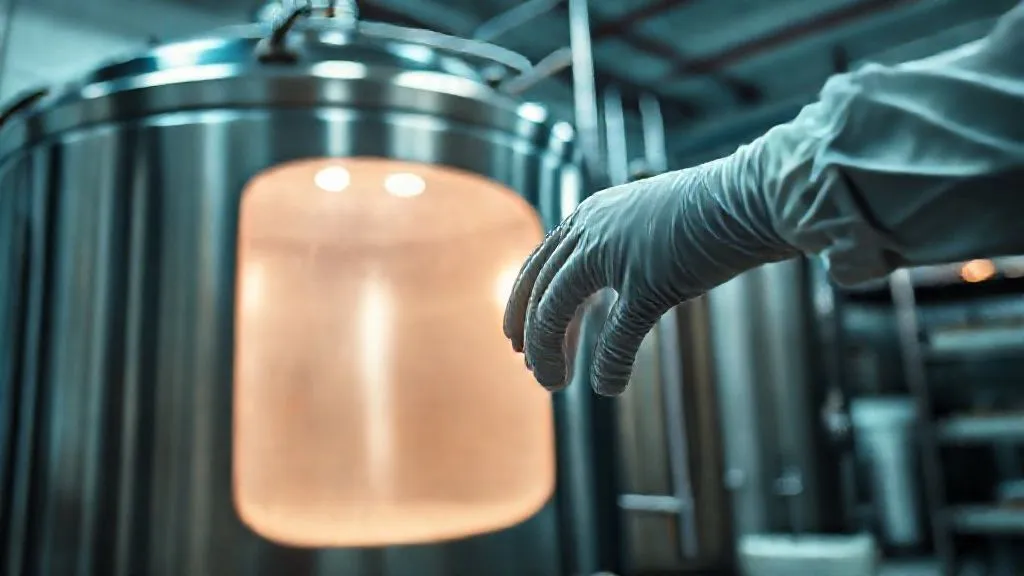
How to Prevent Black Mold Contamination in Commercial Miso Production?
For over 15 years in the world of fermentation, I've seen countless commercial operations thrive, producing incredible, wholesome foods. But I've also witnessed the devastating impact of a single, seemingly small oversight: microbial contamination, particularly the insidious spread of black mold. It's not just a cosmetic issue; it's a threat to product safety, brand reputation, and ultimately, the very existence of your business.
The pain of discovering a batch compromised by mold can be soul-crushing. It represents lost time, wasted ingredients, and a breach of the trust your customers place in you. In the high-stakes environment of commercial miso production, where long fermentation times create ample opportunity for unwanted guests, black mold isn't just a nuisance; it's a critical challenge that demands a proactive, multi-layered defense.
This article isn't just a collection of facts; it's a distillation of decades of practical experience and scientific understanding. I'll walk you through a comprehensive framework, complete with actionable strategies, real-world insights, and critical control points, designed to arm you against black mold contamination. My goal is to equip you with the knowledge to not only prevent this problem but to build a robust, resilient production system that ensures the safety and quality of every batch of miso you produce.
Understanding the Enemy: Aspergillus Niger & Its Kin
Before we can prevent black mold, we must understand what it is and how it operates. While many types of mold can appear black, the most common culprit in fermentation environments, particularly those involving Koji, is often a species from the Aspergillus genus, notably Aspergillus niger. This isn't the same beneficial Koji mold (typically Aspergillus oryzae) we cultivate; it's a wild, opportunistic strain that can produce mycotoxins, making contaminated products unsafe for consumption.
These molds are ubiquitous in the environment. Their spores are tiny, airborne, and incredibly resilient, capable of lying dormant until conditions are just right for germination. They thrive in warm, humid conditions with available nutrients – precisely the environment often found in miso production facilities. Their rapid growth can quickly outcompete beneficial microorganisms, leading to spoilage and potential health hazards.
"In fermentation, vigilance is not just a virtue; it's a non-negotiable requirement. The unseen world of microbes dictates the success or failure of your entire operation."
The Koji Conundrum: Starting Clean is Half the Battle
Miso production begins with Koji, and this is often the first, most critical battleground against black mold. If your Koji isn't pure, you're setting yourself up for failure. Aspergillus niger spores can easily contaminate Koji rice during inoculation, incubation, or even cooling if proper protocols aren't rigorously followed.
Koji Cultivation: Precision and Purity
My experience has taught me that the Koji room is where many operations unknowingly introduce their biggest mold risks. Maintaining strict environmental control and sterility during Koji production is paramount.
- Sterilization of Substrate: Ensure your rice or grain for Koji is thoroughly sterilized. Autoclaving or high-pressure steaming is essential to kill all competing microorganisms, including mold spores.
- Pure Koji Starter: Always use a high-quality, lab-tested Koji starter culture. Source from reputable suppliers and verify their purity. A contaminated starter is a guaranteed path to problems.
- Controlled Inoculation: Perform inoculation in a clean, ideally HEPA-filtered environment. Minimize airborne particles.
- Optimized Incubation: Maintain precise temperature and humidity during Koji incubation to favor Aspergillus oryzae growth and inhibit contaminants. Rapid and vigorous growth of the desired Koji mold will naturally outcompete unwanted molds.
- Rapid Cooling: Once Koji is ready, cool it quickly and efficiently. Lingering warm, moist conditions are an open invitation for opportunistic molds.

Environmental Control: Mastering Temperature, Humidity, and Airflow
The fermentation room itself is a dynamic ecosystem. Black mold thrives in specific conditions, and by controlling these, we can make the environment inhospitable to it while still allowing our beneficial microbes to flourish.
Critical Environmental Parameters
- Temperature: While Koji thrives at specific temperatures, miso fermentation often occurs at cooler, more stable temperatures for extended periods. Fluctuations can stress beneficial microbes and create condensation, a mold's best friend. Maintain consistent temperatures within your desired range.
- Humidity: High humidity is a primary driver of mold growth. Aim for relative humidity levels below 70% in general storage and non-fermenting areas. During active fermentation, while the miso itself is moist, the surrounding air should be managed to prevent condensation on walls, ceilings, and equipment.
- Airflow and Ventilation: Stagnant air allows mold spores to settle and concentrate. Proper ventilation, ideally with filtered air exchange, is crucial. It helps remove excess moisture and airborne spores.
- Surface Temperature: Cold spots on walls or ceilings can lead to condensation, providing a perfect localized environment for mold. Ensure good insulation and consistent ambient temperature throughout the facility.
According to a study published in the Journal of Food Protection, controlling environmental factors like relative humidity and air movement is often more effective in preventing fungal growth than relying solely on chemical treatments, especially in food production environments. This underscores the importance of intelligent facility design and climate control.
Sanitation Protocols: Your First Line of Defense
Even with perfect Koji and environmental control, a lapse in sanitation can undo everything. In my experience, this is where many commercial operations, especially those scaling up, face their biggest challenges. A clean facility isn't just about appearances; it's about eliminating potential spore reservoirs and nutrient sources for mold.
Establishing a Robust Cleaning & Sanitization Regimen
- Daily Cleaning: All surfaces that come into contact with ingredients or finished product must be cleaned and sanitized daily. This includes fermentation vessels, mixing equipment, floors, and workbenches.
- Deep Cleaning Schedule: Implement weekly or bi-weekly deep cleaning for entire rooms, including walls, ceilings, and hard-to-reach areas. Disassemble equipment for thorough cleaning as needed.
- Approved Cleaners & Sanitizers: Use food-grade cleaners and sanitizers appropriate for your materials (e.g., stainless steel, food-grade plastics). Ensure proper dilution and contact times are followed.
- Air Filtration Systems: Regularly clean and replace filters in HVAC and air handling units. HEPA filters can significantly reduce airborne spore counts.
- Moisture Management: After cleaning, ensure all surfaces are thoroughly dried. Residual moisture is an invitation for mold.
| Area | Frequency | Procedure |
|---|---|---|
| Koji Room | Daily | Wipe all surfaces, sanitize equipment, mop floors, check filters |
| Fermentation Room | Daily (surfaces), Weekly (deep clean) | Clean vessels, sanitize tools, inspect walls/ceilings, address condensation |
| Raw Material Storage | Weekly | Sweep, inspect for spills, organize stock, check for pests |
| Packaging Area | Daily | Sanitize conveyors/fillers, wipe down surfaces, remove waste |
Case Study: How 'Umami Gold' Miso Overcame Persistent Mold
Umami Gold, a growing artisanal miso producer, faced recurring black mold spots on their fermentation room walls, despite regular cleaning. Their head fermenter, a seasoned veteran named Hiroshi, called me in. We identified the issue: their ventilation system wasn't creating enough air changes, and a specific wall near an exterior door was experiencing significant condensation due to temperature differentials. By installing a dedicated dehumidifier, upgrading their ventilation with HEPA filters, and implementing a strict 'dry-down' protocol after cleaning, Umami Gold eliminated the mold problem within three months. This resulted in a significant reduction in batch losses and a boost in team morale, knowing their product was consistently safe and high-quality.
Raw Material Sourcing: Quality from the Ground Up
Your finished miso is only as good as its ingredients. Contaminated raw materials, particularly soybeans and grains, can introduce mold spores directly into your process, creating a challenge that no amount of sanitation later can fully rectify.
Vetting Your Suppliers
- Soybeans: Source high-quality, non-GMO soybeans that have been properly stored and handled. Inspect shipments for any signs of mold, insect damage, or excessive moisture upon arrival.
- Grains (Rice, Barley, etc.): Similar to soybeans, grains for Koji should be pristine. Look for certifications of good agricultural practices (GAP) from your suppliers.
- Salt: While less prone to mold, ensure your salt is food-grade and stored in a clean, dry environment.
- Water: Use potable water that meets all local food safety standards. Regular testing for microbial contaminants is advisable.
As Seth Godin often emphasizes in his business philosophy, trust is built on consistency and reliability. This applies equally to your supply chain. Building strong relationships with trusted suppliers who share your commitment to quality is an investment that pays dividends in mold prevention.
Packaging & Storage: The Final Fortification
Even after successful fermentation, miso remains vulnerable. Improper packaging or storage can invite mold, especially during distribution and retail. This is the last line of defense before your product reaches the consumer.
Sealing in Safety
- Airtight Packaging: Miso, especially unpasteurized varieties, continues to ferment slowly. However, exposure to oxygen can encourage surface mold growth. Use high-quality, airtight containers that minimize headspace.
- Proper Filling Procedures: Ensure filling equipment is sanitized and that the miso is filled cleanly, avoiding smearing on the container's rim that could later become a mold initiation point.
- Temperature-Controlled Storage: Store finished miso, especially unpasteurized varieties, under refrigeration or in cool, stable conditions. Lower temperatures significantly slow down both beneficial fermentation and potential mold growth.
- Inventory Management: Implement a robust First-In, First-Out (FIFO) system to ensure older batches are sold first, minimizing prolonged storage times that could increase mold risk.

Monitoring & Early Detection: Catching it Before It Spreads
Prevention is proactive, but vigilance is reactive. Even with the best protocols, biological systems can be unpredictable. Regular monitoring and the ability to detect issues early are crucial for mitigating potential outbreaks and preventing widespread contamination.
Implementing a Robust Monitoring Program
- Visual Inspections: Train staff to conduct daily visual inspections of Koji, fermenting miso, and all production surfaces. Look for any unusual colors, textures, or smells. Black spots are an obvious red flag.
- Environmental Swabbing: Regularly swab surfaces in high-risk areas (Koji room, fermentation vessels, drains) and test for mold and yeast counts. This provides objective data on the effectiveness of your sanitation program.
- Air Sampling: Consider periodic air sampling to monitor airborne mold spore levels, especially after cleaning or maintenance.
- Sensory Evaluation: A panel of trained individuals performing sensory evaluation of raw materials and finished product can sometimes detect off-notes associated with early contamination before it's visually apparent.
According to FDA guidelines for good manufacturing practices (GMPs), a comprehensive monitoring program, including environmental monitoring and routine product testing, is a cornerstone of food safety management. This proactive approach allows for corrective actions before a problem escalates.
Staff Training & Culture: The Human Element
All the advanced equipment and protocols in the world are meaningless without a well-trained, dedicated team. Human error is often the weakest link in any food safety chain. Fostering a culture of vigilance and responsibility is paramount.
Empowering Your Team
- Comprehensive Training: Provide thorough training on all aspects of sanitation, Koji production, fermentation monitoring, and mold identification. Ensure everyone understands the 'why' behind each protocol, not just the 'what'.
- Continuous Education: Conduct regular refresher courses and update staff on new best practices or changes in protocols.
- Empowerment to Report: Create an environment where staff feel empowered and safe to report any suspicious observations, no matter how small. Reward vigilance, don't punish mistakes.
- Personal Hygiene: Reinforce strict personal hygiene standards, including handwashing, clean uniforms, and protective gear (gloves, hairnets).
- Cross-Contamination Awareness: Train staff on the risks of cross-contamination between raw ingredients, Koji, fermenting miso, and finished product.

Frequently Asked Questions (FAQ)
Question: Can black mold in miso be scraped off, or is the whole batch lost? No, absolutely not. If you see black mold on your miso, the entire batch should be considered contaminated and must be discarded. Mold mycelia (the root-like structures) can penetrate deep into the food, and even if you scrape off the visible growth, mycotoxins produced by the mold may have already permeated the product, posing a significant health risk. It's a tough lesson, but food safety must always come first.
Question: Does pasteurization kill black mold spores and mycotoxins? Pasteurization, while effective at killing many microorganisms, may kill mold spores but typically does not destroy mycotoxins. Mycotoxins are heat-stable compounds, meaning they can remain potent and harmful even after heat treatment. This is why preventing mold growth in the first place is the only truly safe approach.
Question: Are there specific types of black mold that are more common in miso than others? Yes, as mentioned, species from the Aspergillus genus, particularly Aspergillus niger, are frequently encountered. However, other opportunistic molds like Penicillium species can also present as dark-colored growth. Proper identification by a mycologist or a food microbiology lab can confirm the specific species, but for commercial food safety purposes, any black or unusual mold growth should be treated as a serious contamination.
Question: How do organic miso production facilities manage mold without synthetic chemicals? Organic production relies heavily on the principles outlined in this article: meticulous sanitation, stringent environmental control, high-quality raw materials, robust Koji management, and excellent staff training. The emphasis is on creating an environment where beneficial microbes dominate and undesirable molds simply cannot thrive. This often requires even greater attention to detail and proactive prevention strategies compared to conventional methods.
Question: Can I use UV-C light for sterilization in my miso facility? UV-C light can be an effective supplementary tool for surface and air sterilization, especially in high-risk areas like Koji rooms or packaging zones. However, it's crucial to understand its limitations. UV-C only sterilizes surfaces directly exposed to the light and has poor penetration. It's not a substitute for thorough cleaning and sanitizing with chemical agents but can be a valuable addition to your overall hygiene protocol, particularly for reducing airborne spores.
Key Takeaways and Final Thoughts
Preventing black mold contamination in commercial miso production is a complex but entirely achievable goal. It demands a holistic approach, unwavering commitment, and a deep understanding of microbial ecology.
- Purity Starts with Koji: Ensure your Koji production is a fortress against contaminants.
- Control Your Environment: Master temperature, humidity, and airflow to deny mold its preferred habitat.
- Sanitation is Non-Negotiable: Implement rigorous, consistent cleaning and sanitizing protocols.
- Source Wisely: Begin with pristine raw materials to avoid introducing problems from the start.
- Seal the Deal: Protect your finished product with proper packaging and storage.
- Monitor Relentlessly: Implement robust monitoring for early detection and rapid response.
- Empower Your Team: A well-trained, vigilant staff is your most valuable asset.
Remember, every batch of miso you produce carries your reputation. By embracing these principles and investing in a culture of safety and quality, you're not just preventing black mold; you're building a legacy of excellence. The journey of fermentation is a dance with microbes; learn to lead, and your miso will sing with flavor and safety for years to come.
Recommended Reading
- Eliminate Tart Shell Shrinkage: 7 Proven Steps for Production Runs
- Unlock the Secret: How to Avoid Mushy Vegetables in One-Pot Soup Forever!
- 7 Steps: Master Airy, Soft Sourdough Rolls Consistently
- Stalled Ferment? 7 Ways to Rescue Wild Vegetables Without New Cultures
- Scaling Thai Green Curry for 200 Covers? Preserve Authentic Flavor! 5 Pro Steps



0 Comentários: