 By
By 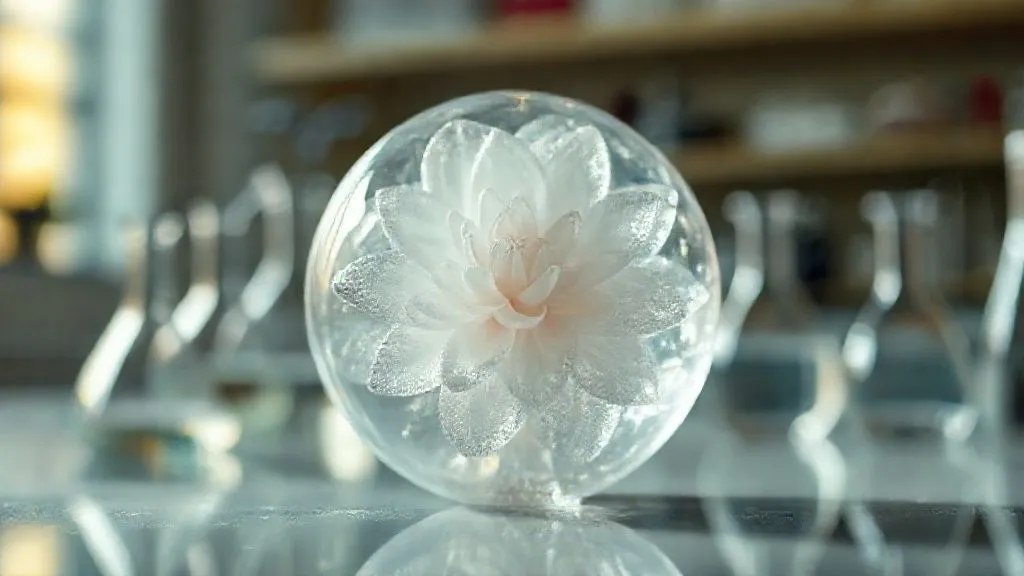
How to Consistently Prevent Crystallization in Complex Sugar Work?
For over 15 years in the intricate world of baking and pastry, especially with sweet treats, I've witnessed the sheer frustration of sugar crystallization. It's that moment when a beautifully clear sugar syrup suddenly turns cloudy, grainy, or worse, solidifies into an unusable mess, ruining hours of meticulous work.
This common pitfall can be incredibly disheartening, particularly when you're crafting complex sugar showpieces, delicate pulled flowers, or intricate blown sugar sculptures. The dream of a perfectly transparent, glass-like finish often crumbles, quite literally, before your eyes, leaving you wondering where you went wrong.
But fear not. In my extensive experience, preventing crystallization in complex sugar work isn't about luck; it's about understanding the science and mastering precise techniques. I'm here to share the actionable frameworks, expert insights, and proven strategies that will empower you to consistently achieve flawless, crystal-clear sugar results every single time.
Understanding the Enemy: The Science of Sugar Crystallization
Before we can prevent crystallization, we must first understand what it is. At its core, sugar crystallization is a scientific phenomenon where sugar molecules, specifically `sucrose`, revert to their stable, crystalline form after being dissolved in a liquid.
When you dissolve sugar in water and heat it, you create a `supersaturated solution`. This means there's more sugar dissolved than would naturally occur at room temperature. As this solution cools, the sugar molecules are eager to re-bond and fall out of solution, forming `seed crystals` that act as nucleation points for further crystallization.
Think of it like a crowded dance floor: once a few dancers start forming a line, it's easy for others to join in, quickly forming a long, organized chain. Similarly, a single rogue sugar crystal, a speck of dust, or even an impurity can trigger a rapid chain reaction, turning your clear syrup into a grainy disaster. Understanding this fundamental process is the first step in learning how to consistently prevent crystallization in complex sugar work.
Foundation First: Precision in Ingredients and Preparation
In sugar work, precision isn't just a virtue; it's a necessity. The foundation of preventing crystallization lies in the meticulous preparation of your ingredients and equipment. Any oversight here can undermine all subsequent efforts.
I always emphasize the importance of starting with the purest ingredients. Using distilled water, for instance, eliminates mineral impurities that can act as seed crystals. Similarly, ensuring your sugar is of high quality and free from clumps or foreign particles is paramount.
"In the delicate art of sugar work, purity and precision are not merely recommendations; they are the bedrock upon which all successful creations stand. Compromise here, and you compromise everything."
Here are the actionable steps I always follow:
- Use Distilled Water: Always opt for distilled or demineralized water. Tap water contains minerals that can introduce impurities and act as nucleation sites for crystallization.
- Ensure Spotless Equipment: Every pot, spoon, and tool that will come into contact with your sugar syrup must be impeccably clean. Even a tiny sugar granule left from a previous batch can trigger crystallization. Wash, rinse thoroughly, and dry completely.
- Measure Precisely by Weight: Measuring ingredients by weight rather than volume is crucial for accuracy. A small deviation in the sugar-to-water ratio can significantly impact the syrup's stability and its propensity to crystallize.

Temperature Control: The Unsung Hero of Clear Sugar Work
Temperature is perhaps the most critical variable in sugar work, acting as the silent guardian against crystallization. Mastering its control is central to learning how to consistently prevent crystallization in complex sugar work.
The solubility of sugar increases with temperature; a hot syrup can hold far more sugar in solution than a cold one. As the syrup cools, its capacity to hold sugar diminishes, making it highly susceptible to crystallization if not managed correctly. A reliable `candy thermometer` is non-negotiable here; it's your eyes and ears in the pot.
Heating your sugar solution slowly and evenly allows the sugar to dissolve completely before the mixture reaches a boil. Once boiling, resist the urge to stir, as this can splash sugar crystals onto the sides of the pan, which then act as seeds. Instead, use a clean pastry brush dipped in water to wash down any sugar crystals that cling to the sides of the pot.
According to culinary science experts at McGee on Food and Cooking, precise temperature management is key to manipulating sugar's molecular structure for various applications. Understanding the correct temperature for each stage is vital for stability. You can find more detailed information on sugar chemistry and temperature here: Culinary Science Journal on Sugar Chemistry.
Here’s a guide to common sugar stages and their temperatures:
| Stage | Temperature | Description |
|---|---|---|
| Thread | 230-235°F (110-113°C) | Syrup forms fine threads when dropped from a spoon. |
| Soft Ball | 235-240°F (113-116°C) | Forms a soft, pliable ball when dropped in cold water. |
| Firm Ball | 245-250°F (118-121°C) | Forms a firm, but still pliable ball. |
| Hard Ball | 250-265°F (121-129°C) | Forms a hard, almost brittle ball. |
| Soft Crack | 270-290°F (132-143°C) | Separates into hard, but not brittle, threads. |
| Hard Crack | 300-310°F (149-154°C) | Separates into hard, brittle threads that snap easily. |
| Caramel | 320-350°F (160-177°C) | Sugar browns and develops a nutty flavor. |
The Acidic Shield: Leveraging Inversion Agents
Another powerful strategy in our arsenal to consistently prevent crystallization in complex sugar work is the strategic use of `inversion agents`. These are substances that help break down `sucrose` into its simpler components: `glucose` and `fructose`.
This process, known as `sugar inversion`, is crucial because glucose and fructose molecules are less prone to crystallization than sucrose. By introducing a small amount of an acid, such as cream of tartar, lemon juice, or vinegar, into your sugar syrup, you facilitate this breakdown, creating a more stable, less crystallizable mixture.
Similarly, the addition of `glucose syrup` or `corn syrup` serves a similar purpose. These syrups are already composed of glucose, which interferes with the ability of sucrose molecules to bond together and form crystals. They act as a physical barrier, keeping the sucrose molecules separated.
The key is to use these agents in moderation. Too much acid can result in a sticky, hygroscopic (water-attracting) sugar that is difficult to work with, while too much glucose syrup can dull the clarity and make the sugar too soft. My rule of thumb is typically a pinch of cream of tartar or a few drops of lemon juice per pound of sugar, or about 10-20% glucose syrup relative to the sugar weight, depending on the desired final texture and application. For a deeper dive into the chemistry of sugar inversion, you can explore resources like this article: Food Science of Everything on Sugar Inversion.
Humidity and Environment: Taming the Unseen Foe
Even if you've mastered the cooking process, your fight against crystallization isn't over. Sugar is `hygroscopic`, meaning it readily absorbs moisture from the air. High humidity is a notorious enemy of clear sugar work, capable of ruining even the most perfectly cooked batch.
When finished sugar pieces absorb moisture, it can cause them to become sticky, dull, and eventually lead to crystallization on their surface. This is particularly problematic for delicate sugar sculptures or pulled sugar elements that are exposed to the environment for extended periods.
Controlling your working environment is therefore paramount. I always recommend working in a room with low humidity, ideally below 40%. Investing in a `dehumidifier` for your workspace is one of the best investments you can make if you frequently engage in complex sugar artistry. This creates a stable atmosphere where your sugar can be worked and set without fear of moisture absorption.
Furthermore, proper storage of finished sugar pieces is vital. They should be stored in airtight containers with desiccant packets (like silica gel) to absorb any residual moisture. This diligent approach to environmental control is a non-negotiable aspect of how to consistently prevent crystallization in complex sugar work.

Tools of the Trade: Equipment for Flawless Sugar Art
Just as a carpenter needs the right tools, so too does a sugar artist. The right equipment can significantly aid your efforts to consistently prevent crystallization in complex sugar work. Investing in high-quality, specialized tools is not an extravagance, but a necessity for consistency and success.
Beyond the already mentioned accurate `candy thermometer`, a heavy-bottomed stainless steel pot is essential. Its even heat distribution prevents hot spots that can scorch sugar and encourages uniform dissolution. Silicone mats (`Silpat`) are indispensable for working with hot sugar, providing a non-stick surface that minimizes waste and prevents contact with potential seed crystals.
For advanced techniques, an `infrared thermometer` can be incredibly useful for quickly gauging the surface temperature of worked sugar, ensuring it remains within the optimal range for pulling or blowing without crystallizing. And let's not forget simple, clean pastry brushes to wash down the sides of the pan during cooking, meticulously removing any sugar crystals that might cling there.
- Invest in a Professional-Grade Thermometer: A reliable, calibrated thermometer (both probe and infrared) is your most important tool. Accuracy here is paramount.
- Use Heavy-Bottomed Stainless Steel Pots: These distribute heat evenly, preventing localized scorching and ensuring consistent cooking of your syrup.
- Keep Pastry Brushes Handy: A clean, damp pastry brush used to wash down the sides of your pot during cooking will dissolve any sugar crystals before they can trigger a chain reaction.
- Utilize Silicone Mats: For working with hot sugar, silicone mats provide an ideal non-stick, crystal-free surface.
For a comprehensive guide on essential tools for sugar artistry, I often recommend resources from reputable culinary institutions: The Culinary Institute of America on Sugar Art Equipment.
Advanced Techniques: Preventing Crystallization in Pulled and Blown Sugar
When you venture into the realm of pulled and blown sugar, the challenges of crystallization intensify. These techniques require working with sugar at specific temperatures for manipulation, where cooling and exposure to air can rapidly trigger crystallization if not handled with expertise.
The key here is speed, confidence, and maintaining the sugar within its optimal working temperature range. A `heat lamp` or `heat box` becomes an invaluable ally, keeping your sugar pliable and preventing it from cooling too rapidly and crystallizing. As you pull or blow, the sugar is constantly exposed to air, which can introduce moisture and encourage crystallization.
"In the dynamic dance of pulled and blown sugar, hesitation is the enemy of clarity. Work swiftly, confidently, and maintain your sugar's warmth; your precision will be rewarded with shimmering, crystal-free artistry."
I teach my students to work in small batches, focusing on one element at a time, and returning the unused sugar to the heat lamp frequently. This minimizes the risk of the entire batch crystallizing. Additionally, when blowing sugar, ensure your air pump is clean and free of moisture, as even a minute amount of water introduced internally can cause internal crystallization.
Troubleshooting: When Crystallization Strikes (and How to Recover)
Even with the most meticulous planning and execution, crystallization can sometimes rear its ugly head. Knowing how to identify it early and what steps to take can sometimes salvage your work, or at least help you learn for next time. This troubleshooting wisdom is part of how to consistently prevent crystallization in complex sugar work.
If you notice a few crystals forming on the sides of your pot during cooking, you can try to dissolve them by adding a tablespoon or two of water, covering the pot with a lid for a minute (the steam will wash down the sides), and then carefully removing the lid and continuing to cook. However, if the entire batch turns grainy or cloudy, it's often best to start over. Attempting to re-melt heavily crystallized sugar rarely yields a clear, stable product suitable for complex work; it often results in a dull or sticky finish.
Case Study: Chef Anya's Crystal Clear Comeback
Chef Anya, a brilliant pastry artist, was preparing for a prestigious international sugar art competition. Her signature piece involved an intricate pulled sugar floral arrangement, but she faced a recurring nightmare: her delicate pulled petals would develop a faint cloudiness and then crystallize within hours of completion, despite her precise cooking techniques. This was a critical hurdle in her journey to consistently prevent crystallization in complex sugar work.
Frustrated, Anya meticulously reviewed her process. She realized her cooking was flawless, but her studio environment, while clean, was subject to fluctuating humidity levels, especially during seasonal changes. The ambient moisture in the air was slowly but surely attacking her finished pieces.
Based on my advice, Anya implemented a strict humidity control protocol. She invested in a professional-grade `dehumidifier` for her studio, maintaining a consistent 35% humidity level. She also started storing her finished elements in sealed containers with fresh desiccant packets immediately after they cooled. This seemingly small change made a monumental difference. Her subsequent sugar work remained flawlessly clear, stable, and resilient, allowing her to achieve the intricate detail and lasting beauty required for the competition.
The result? Chef Anya's stunning, crystal-clear sugar showpiece garnered rave reviews from the judges, earning her first place in the competition. Her experience underscored the critical importance of environmental control, even when every other step is perfect.
Frequently Asked Questions (FAQ)
Q: Can I use regular tap water for sugar work, or is distilled truly necessary? While some chefs might get away with tap water in very low-mineral areas, I strongly advise against it for complex sugar work. Tap water contains dissolved minerals and impurities that can act as nucleation sites, making crystallization far more likely. Distilled water removes this variable entirely, giving you a much cleaner and more predictable starting point.
Q: What's the ideal humidity level for working with and storing sugar art? For both working with and storing sugar art, an ideal humidity level is generally below 40%, with many professionals aiming for 30-35%. The lower the humidity, the less chance your sugar has of absorbing moisture from the air, which is a primary cause of surface stickiness and eventual crystallization. A good dehumidifier is your best friend here.
Q: How much acid (like cream of tartar or lemon juice) should I add to my sugar syrup? The amount of acid needed is quite small. For every pound (450g) of granulated sugar, I typically recommend a tiny pinch (about 1/8 to 1/4 teaspoon) of cream of tartar, or a few drops (about 1/4 teaspoon) of fresh lemon juice. Too much can make the sugar overly hygroscopic and sticky, so err on the side of caution and adjust based on your specific recipe and environmental conditions.
Q: Is isomalt less prone to crystallization than traditional sucrose? Yes, isomalt is significantly less prone to crystallization than sucrose. It's a sugar alcohol that doesn't brown like sugar, has a higher melting point, and is much more resistant to moisture absorption, making it a popular choice for intricate, long-lasting sugar sculptures. While it can still crystallize under extreme conditions, it's generally much more forgiving.
Q: My sugar crystallized after I added coloring. Why did this happen? Adding coloring, especially gel or liquid food coloring, can introduce moisture or impurities into your sugar syrup, acting as seed crystals. Always use professional-grade, oil-based or powdered food colorings specifically designed for sugar work, and ensure they are added at the correct temperature and stirred in gently to minimize disturbance and prevent crystallization.
Key Takeaways and Final Thoughts
Mastering the art of preventing crystallization in complex sugar work is a journey of precision, patience, and scientific understanding. It’s a skill that elevates your sweet treats from good to truly exceptional, allowing your creative visions to shine through with crystal clarity.
- Precision is Paramount: Start with meticulously clean equipment and distilled water, measuring ingredients by weight.
- Control Temperature Rigorously: Use a calibrated thermometer and avoid stirring once boiling, washing down pot sides.
- Leverage Inversion Agents Wisely: A small amount of acid or glucose syrup stabilizes your solution.
- Manage Your Environment: Low humidity is crucial for both working with and storing sugar.
- Invest in Quality Tools: The right equipment, from pots to thermometers, makes a significant difference.
- Practice and Patience: Like any complex art, consistent success comes from repeated application of these principles.
Remember, every setback, every batch that crystallizes, is an opportunity to learn and refine your technique. By embracing these expert strategies, you will not only overcome the challenge of crystallization but also unlock a new level of confidence and artistry in your baking pastry endeavors. Go forth, create, and let your sugar work shimmer with flawless brilliance!
Recommended Reading
- Mastering Raw Vegan Cheese Texture: 7 Keys to Commercial Success
- 7 Steps to Delicious Low-Sodium Seafood for Diabetics
- Broken Hollandaise/Mayonnaise? 5 Steps to Salvage During Service
- 7 Crucial Steps: Stop Quality Loss in Bulk Berry Preserves NOW!
- Mastering Luxury Dining: 7 Ways to Justify Client Deal Expenses

0 Comentários: