 By
By 
How to Prevent Dull, Watery Slow Cooker Dump Meals for Busy Pros?
For over 15 years in the culinary world, and as a busy professional myself, I’ve seen countless individuals fall prey to the alluring promise of the slow cooker dump meal. The idea is simple: toss everything in, set it, and forget it. In theory, it’s a genius solution for hectic schedules, offering a warm, home-cooked meal without the fuss.
However, the reality often falls short. Instead of the rich, deeply flavored dishes we crave, many busy pros find themselves staring down a watery, bland, and often mushy concoction. This isn't just disappointing; it’s a waste of precious time, ingredients, and the very hope for an easy, delicious dinner after a long day.
I understand this frustration deeply. But I’m here to tell you that the dream of a truly satisfying slow cooker dump meal is not only achievable but easily within your grasp. In this definitive guide, I’ll share my seasoned strategies, frameworks, and expert insights to transform your slow cooker results from dreary to delicious, helping you finally prevent dull, watery slow cooker dump meals for busy pros.
The Root of the Problem: Understanding Slow Cooker Dynamics
Before we can fix the common issues, we must first understand the unique environment of the slow cooker. Unlike an oven or stovetop, a slow cooker is a sealed, low-temperature cooking vessel designed to retain moisture.
Why Excess Liquid is Inevitable (Without Intervention)
Most ingredients, especially fresh vegetables and meats, release a significant amount of water as they cook. In a conventional pot on the stove, much of this moisture would evaporate, concentrating flavors and thickening sauces naturally. In a slow cooker, however, that steam has nowhere to go.
Your slow cooker is a self-basting oven; it's designed to retain moisture, not reduce it. This retention is a blessing for tender meats but a curse for sauce consistency if not managed properly.
This fundamental difference is why simply adapting a stovetop recipe often leads to a watery mess. It’s also why understanding liquid management is your first and most critical step towards slow cooker success.
Strategy 1: Master Your Liquid Ratios – Less is Often More
The single biggest mistake I see busy professionals make with slow cooker dump meals is adding too much liquid. They follow recipes verbatim, unaware that the slow cooker creates its own.
The 75% Rule for Slow Cookers
A good rule of thumb I’ve developed over the years is to reduce the liquid called for in a conventional recipe by at least 25%, often even more. This isn't an exact science, but a starting point for adjustment.
- Start with 1/2 to 2/3 the liquid: If a recipe calls for 2 cups of broth, begin with 1 to 1.5 cups. You can always add more later if the mixture seems too dry, but you can’t easily remove excess liquid once it’s in.
- Consider moisture-rich ingredients: If your dump meal includes high-water content vegetables like mushrooms, zucchini, or fresh tomatoes, they will release a significant amount of liquid. Account for this by further reducing any added broth or water.
- Add liquid incrementally: For recipes that seem particularly dry, add small amounts (1/4 to 1/2 cup) of additional liquid towards the end of the cooking cycle, allowing it to heat through and integrate.
Think of your slow cooker as a slow-motion pressure cooker – what goes in liquid-wise, largely stays liquid-wise. Being conservative with your initial liquid additions is key to a rich, concentrated sauce.

Strategy 2: Pre-Searing and Browning – The Flavor Foundation
While the beauty of a dump meal is its simplicity, skipping the browning step for meats is a missed opportunity for incredible flavor. This isn't just about aesthetics; it's about culinary chemistry.
The Maillard Reaction: Your Flavor Friend
The Maillard reaction is a chemical process between amino acids and reducing sugars that gives browned food its distinctive flavor. It's what makes a seared steak taste so much better than a boiled one. This reaction simply doesn’t happen at the low temperatures of a slow cooker.
- Pat meat dry: Moisture inhibits browning, so ensure your meat (beef, pork, chicken thighs) is thoroughly patted dry with paper towels before searing.
- Sear in a hot pan: Heat a skillet over medium-high heat with a little oil. Sear the meat in batches until deeply browned on all sides. Don't overcrowd the pan, as this lowers the temperature and steams the meat instead of searing it.
- Deglaze and capture fond: After searing, a flavorful brown crust (called 'fond') will be left on the bottom of the pan. Deglaze the pan with a splash of liquid (broth, wine, or even water), scraping up all those delicious bits. Pour this liquid and fond directly into your slow cooker.
Case Study: Sarah's Transformed Beef Stew
Sarah, a busy architect, loved the idea of slow cooker beef stew but was always disappointed. Her stew was perpetually bland and watery, with grey, unappetizing meat. She used to just dump raw stew meat directly into the crockpot with vegetables and broth. After adopting the pre-searing technique I recommended, her entire perspective on slow cooking changed. The initial 10-15 minutes of searing created a depth of flavor she never thought possible in a slow cooker, reducing her need for excessive seasoning and resulting in a rich, hearty stew that tasted like it had simmered all day on the stove. This small step significantly elevated her weeknight dinners, proving that a little upfront effort yields huge flavor dividends.
For more on the science of flavor, consider exploring resources on the Maillard reaction, such as this article from Serious Eats.
Strategy 3: Strategic Thickening – Beyond Cornstarch Slurry
Even with careful liquid management, some slow cooker meals might still benefit from a little thickening. The key is to do it strategically, usually towards the end of the cooking process.
Late-Stage Thickening Methods
Adding thickeners at the beginning can often lead to a gummy texture or uneven cooking. My preferred method is to introduce them in the last 30-60 minutes of cooking.
- Cornstarch/Arrowroot Slurry: This is the most common and effective method. Whisk 1 tablespoon of cornstarch (or arrowroot powder for a clearer, gluten-free option) with 2 tablespoons of cold water until smooth. Stir this slurry into the hot liquid in your slow cooker during the last 30-60 minutes of cooking. The heat will activate the thickener, creating a silky sauce.
- Pureed Vegetables/Beans: For a natural and nutritious thickener, remove about 1-2 cups of the cooked vegetables (and some liquid) from the slow cooker, blend them until smooth, and then stir the puree back into the pot. Cooked white beans can also be pureed and added for a creamy, thick texture.
- Instant Mashed Potatoes/Bread Crumbs: For a quick fix, a tablespoon or two of instant mashed potato flakes or fine bread crumbs can absorb excess liquid and add body to your sauce. Add sparingly and stir well.
| Thickener | Pros | Cons | Best For |
|---|---|---|---|
| Cornstarch Slurry | Quick, neutral flavor, widely available | Can become gummy if overcooked, can give a slightly milky appearance | Sauces needing quick thickening |
| Arrowroot Slurry | Clearer finish, gluten-free, freezes well | Less stable under prolonged high heat | Clear sauces, pan gravies |
| Pureed Vegetables | Adds nutrition & flavor, natural, smooth texture | Can alter overall texture and flavor slightly, requires blending | Hearty stews, soups, chili |
Strategy 4: Layering Flavors – Building Depth, Not Just Volume
One of the easiest ways for slow cooker dump meals to become dull is by simply throwing everything in without considering how flavors interact and develop. True culinary depth comes from layering.
The Aromatic Foundation
Even if you’re not searing meat, taking a few minutes to sauté your aromatics (onions, garlic, celery, carrots) before adding them to the slow cooker can make a world of difference. This step softens them and concentrates their flavors, creating a more robust foundation for your dish.
Herbs, Spices, and Acidity
Think about when to add your seasonings. Dried herbs and spices benefit from long, slow cooking, allowing their flavors to fully bloom. Fresh herbs, on the other hand, are best added at the very end to preserve their vibrant taste and color.
- Early additions: Bay leaves, dried thyme, rosemary, cumin, paprika, chili powder, oregano. These develop deep, earthy notes over time.
- Late additions (last 30-60 min): Fresh parsley, cilantro, basil, lemon zest/juice, a dash of vinegar (apple cider, red wine). These provide brightness and a fresh counterpoint to the richness of the slow-cooked dish.
- Umami Boosters: Don't underestimate the power of umami. A tablespoon of tomato paste (sautéed first for best results), a splash of Worcestershire sauce, soy sauce, or even a Parmesan rind tossed into the pot can add incredible savory depth.
Understanding flavor profiles and how to layer them is a cornerstone of great cooking. For further reading, I often recommend resources from institutions like The Culinary Institute of America, which offer deep dives into flavor development.

Strategy 5: Vegetable Strategy – Timing is Everything
Mushy, overcooked vegetables are a hallmark of a disappointing slow cooker meal. Different vegetables have different cooking times, and a 'dump-and-go' approach often ignores this crucial detail.
Hard vs. Soft Vegetables
To prevent your vegetables from becoming an indistinguishable, watery mess, consider their density and cooking requirements:
- Hardy Vegetables (add early): Root vegetables like carrots, potatoes, sweet potatoes, parsnips, and celery can withstand long cooking times. Add these at the beginning with your meat and liquid.
- Softer Vegetables (add mid-to-late): Vegetables like bell peppers, zucchini, yellow squash, and green beans cook much faster. Add these during the last 1-2 hours of cooking to ensure they retain some texture and vibrant color. Mushrooms are an interesting case; they release a lot of water and shrink significantly, so if you want them to hold their shape, add them later. If you want their flavor to meld into the sauce, add them earlier.
- Delicate Vegetables (add last 30 minutes): Leafy greens such as spinach or kale only need a short amount of time to wilt. Stir them in during the final 30 minutes of cooking, or even just before serving, using the residual heat of the pot.
Your slow cooker doesn't distinguish between a potato and a bell pepper when it comes to cooking time; you must. A little planning goes a long way in preserving texture and flavor.
Strategy 6: The Power of Finishing Touches – Elevating the Ordinary
Even the most perfectly cooked slow cooker meal can benefit from a few final flourishes. These finishing touches are what transform a good meal into a great one, adding freshness, brightness, and textural contrast.
Brighten, Freshen, and Texturize
Think of these additions as the 'chef's kiss' for your slow cooker dump meal. They take mere seconds but have a huge impact:
- Fresh Herbs: A generous sprinkle of chopped fresh parsley, cilantro, chives, or basil just before serving adds an explosion of fresh flavor and vibrant color.
- Acidity: A squeeze of fresh lemon or lime juice, or a splash of good quality vinegar (red wine, apple cider, or balsamic), can cut through richness and brighten the entire dish.
- Creaminess: A dollop of sour cream, Greek yogurt, or a swirl of coconut milk (for curries) stirred in at the end adds a luxurious, creamy texture and mellows flavors.
- Crunch: Toasted nuts, crispy fried onions, homemade croutons, or even just some fresh crusty bread can provide a much-needed textural contrast to the tender slow-cooked ingredients.
- Cheese: A sprinkle of freshly grated Parmesan, shredded cheddar, or crumbled feta can add a salty, savory kick and visual appeal.
- Heat: For those who love a bit of spice, a dash of your favorite hot sauce or a pinch of red pepper flakes can awaken the palate.
These small additions are often the difference between a 'good enough' meal and one that truly satisfies. Many culinary experts, like those featured on Bon Appétit, emphasize the importance of these final steps in enhancing a dish's appeal.
Strategy 7: Portioning and Freezing for the Ultimate Busy Pro Hack
You’ve put in the effort to create a delicious, non-watery slow cooker dump meal. Now, let’s maximize that effort for your busy schedule. The slow cooker is an unparalleled tool for meal prepping and batch cooking.
Smart Freezing Techniques
Once your perfectly cooked slow cooker meal is ready, don't let any go to waste. Proper freezing ensures you have delicious, ready-to-eat meals on hand, preventing the need for last-minute, less-healthy alternatives.
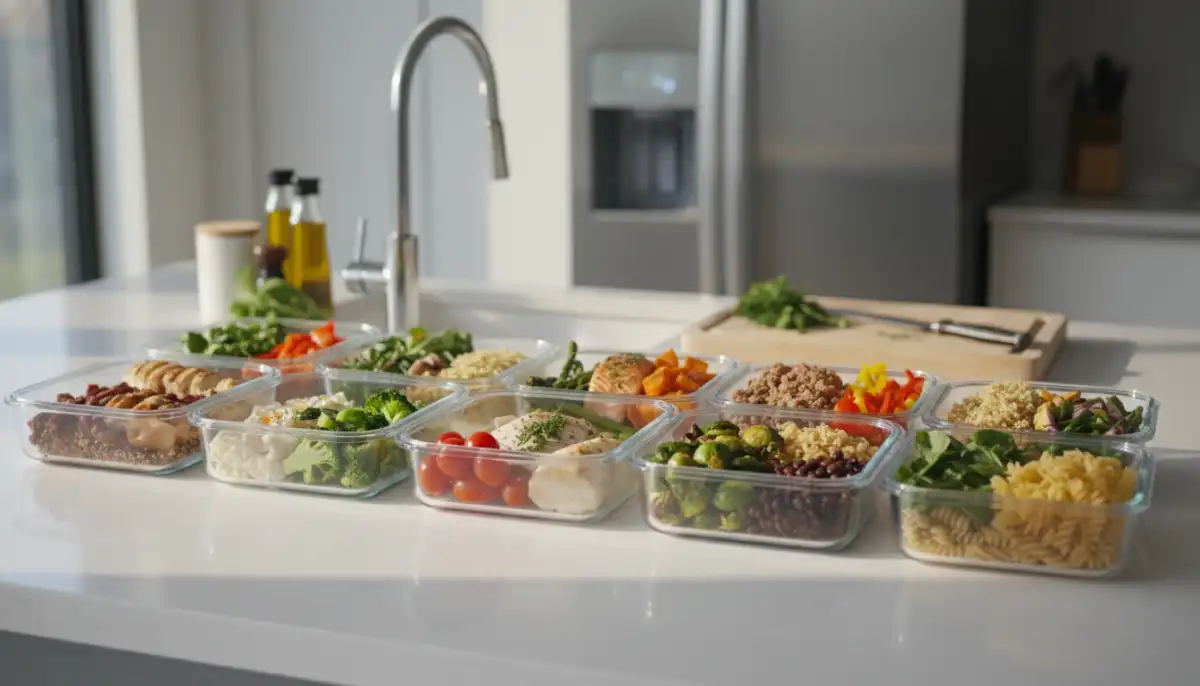
- Cool Completely: This is crucial. Hot food introduced to a freezer can raise the temperature of other foods and lead to ice crystal formation, which degrades quality. Allow your meal to cool down to room temperature before portioning.
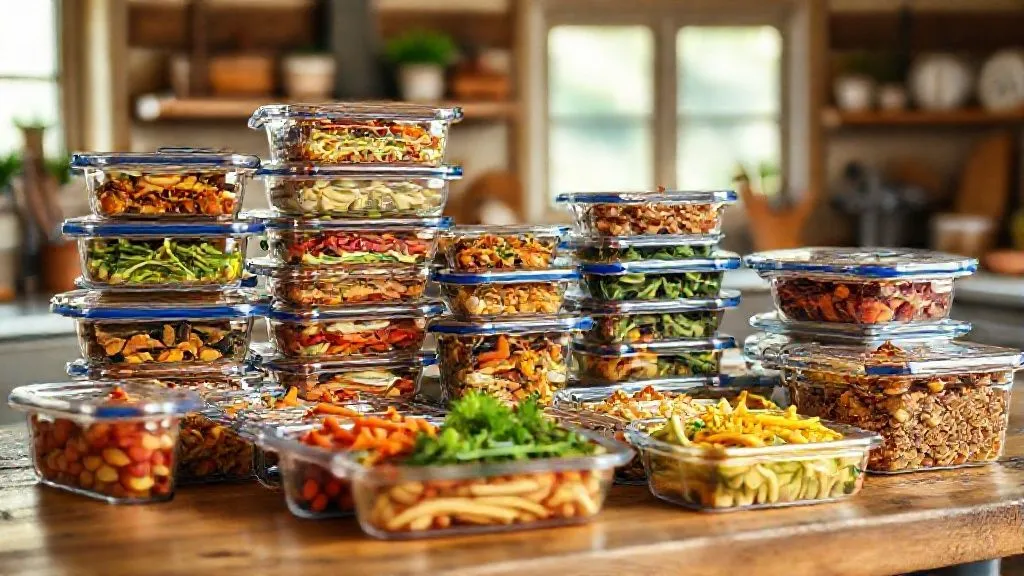
- Portion into Single-Serve Containers: Invest in good quality, freezer-safe containers (glass or BPA-free plastic) that are portioned for individual meals. This makes thawing and reheating incredibly convenient. Alternatively, use freezer-safe bags, pressing out as much air as possible before sealing and laying flat to freeze.
- Label Clearly: Always label your containers with the dish name and the date it was prepared. This prevents 'mystery meat' syndrome and helps you rotate your stock effectively.
- Thaw and Reheat Gently: Thaw frozen meals overnight in the refrigerator. Reheat gently on the stovetop or in the microwave until piping hot. Adding a splash of fresh broth or water during reheating can help restore moisture if needed.
Your slow cooker is your personal meal prep assistant. Maximize its potential by turning one cooking session into a week of delicious, stress-free meals, ensuring you always have a satisfying answer to 'What's for dinner?'

| Meal Type | Freezer Life | Reheating Tip |
|---|---|---|
| Hearty Stews/Chilis | 3-4 months | Thaw overnight, reheat stovetop/microwave, add fresh herbs/acidity for brightness |
| Pulled Meats (Pork/Chicken) | 2-3 months | Thaw, reheat gently, ideal for sandwiches, tacos, or salads |
| Curries/Saucy Dishes | 2-3 months | Thaw, reheat, stir in fresh coconut milk or yogurt for creaminess, serve with fresh rice |
Frequently Asked Questions (FAQ)
Question: Can I really skip pre-searing meat if I'm truly short on time, and still avoid dull, watery slow cooker dump meals? While I strongly advocate for pre-searing to build foundational flavor, if time is an absolute luxury you don't have, you can still improve your meal. Focus heavily on layering other flavors: sauté your aromatics (onions, garlic) first, even if you skip the meat sear. Use plenty of dried spices, and add umami boosters like tomato paste or Worcestershire sauce. The result won't be as deep as a seared dish, but it will be far from dull.
Question: My recipe calls for a full cup of wine; should I reduce it significantly like other liquids? Yes, absolutely. Alcohol does not evaporate as efficiently in a slow cooker as it does on a stovetop. Reduce the wine by at least half, or even more, to avoid an overpowering alcoholic taste and excessive liquid. Better yet, consider deglazing your searing pan with the wine and letting it reduce for a few minutes before adding it to the slow cooker to concentrate its flavor and cook off some alcohol.
Question: How do I prevent my pasta or rice from getting mushy in a slow cooker dump meal? Pasta and rice absorb a lot of liquid and can easily become overcooked in a slow cooker. My expert advice is to avoid adding them at the beginning. Cook pasta or rice separately on the stovetop and stir it into your slow cooker meal just before serving, or serve the slow-cooked dish over freshly prepared grains. If you absolutely must add it to the slow cooker, add it only during the last 30-60 minutes of cooking and monitor closely.
Question: What's the best way to add dairy (like cream or milk) to a slow cooker meal without it curdling? Dairy products, especially those with lower fat content, can curdle when subjected to long, slow cooking times or high heat. To prevent this, always add dairy towards the very end of the cooking cycle, during the last 30 minutes, or even just before serving. Stir it in gently until heated through. For best results, use full-fat dairy products as they are less prone to curdling.
Question: Can I put frozen meat directly into the slow cooker for a dump meal? While it might seem convenient, I strongly advise against putting frozen meat directly into a slow cooker. The slow cooking process can keep the meat in the 'danger zone' (between 40°F and 140°F or 4°C and 60°C) for too long, allowing harmful bacteria to multiply. Always thaw meat completely in the refrigerator before adding it to your slow cooker to ensure food safety. This also helps with even cooking and better texture. The USDA provides excellent guidelines on safe food handling, which you can review here.
Key Takeaways and Final Thoughts
Navigating the world of slow cooker dump meals doesn't have to mean sacrificing flavor or texture for convenience. As an experienced industry specialist, I’ve seen firsthand how a few strategic adjustments can dramatically improve your culinary results.
- Master Liquid Control: Be conservative with added liquids, remembering your slow cooker is a moisture-retaining environment.
- Prioritize Flavor Foundations: Pre-sear meats and sauté aromatics to build deep, rich tastes that can't be achieved otherwise.
- Thicken Smart: Use late-stage thickening methods like slurries or pureed vegetables to achieve the perfect sauce consistency.
- Layer with Intention: Combine early-added dried spices with late-stage fresh herbs and acidity for dynamic flavor profiles.
- Time Your Veggies: Add vegetables based on their cooking times to avoid mushy results and preserve vibrant textures.
- Embrace Finishing Touches: A final squeeze of lemon, fresh herbs, or a dollop of cream elevates any dish.
- Leverage for Meal Prep: Use your slow cooker to batch cook and freeze portions, making healthy, delicious meals accessible throughout your busy week.
By implementing these expert strategies, you’re not just cooking; you’re mastering your slow cooker. You'll move beyond the common pitfalls, confidently creating flavorful, hearty, and perfectly textured dump meals that truly support your busy professional lifestyle. Go forth and cook with confidence – your delicious, stress-free dinners await!
Recommended Reading
- 7 Steps to Profitable Quick One-Pot Meals for Meal Prep Businesses
- 7 Expert Strategies: Stop Sous Vide Steak Drying Out During Service Hold
- 7 Steps to Sustainable Sourcing: Local, Organic Vegan for Your Restaurant
- 5 Expert Fixes: Salvage Burnt One-Pot Rice, Preserve Flavor & Texture
- 7 Secrets to Preventing Dry, Rubbery Chicken in Professional Meal Prep Batches?
0 Comentários: