Cooking Basics For Beginners Don't Have to Be Hard Anymore
Mastering Cooking Basics For Beginners
Becoming a confident home cook might seem daunting, but it's a journey many people embark on each year. In 2026, resources for learning cooki
Ingredientes frescos e utensílios essenciais de cozinha dispostos sobre uma mesa de madeira, prontos para o preparo de uma refeição simples. — Photo: Jornalbox
Becoming a confident home cook might seem daunting, but it's a journey many people embark on each year. In 2026, resources for learning cooking basics for beginners are more accessible than ever, emphasizing practical habits and a deeper understanding of culinary principles. The focus isn't just on following recipes, but on building foundational skills that empower you in the kitchen.
Are you tired of relying on takeout, or feeling overwhelmed by complex recipes that seem to assume prior knowledge? Many aspiring cooks face this exact challenge, unsure where to start or how to translate written instructions into delicious meals.
This article will guide you through the essential cooking basics for beginners, breaking down the process into manageable steps. We'll cover everything from kitchen setup and fundamental techniques to understanding ingredients and building a repertoire of simple, tasty dishes.
Setting Up Your Kitchen for Success
Before you even think about chopping an onion, having a functional kitchen setup is key. You don't need a gourmet kitchen full of expensive gadgets; a few essential tools will get you far. Think of this as your culinary toolkit, designed to make your cooking journey smoother and more enjoyable.
Essential Kitchen Tools
Quality Knives: A good chef's knife, a paring knife, and a serrated knife are indispensable. Learning proper knife skills is a game-changer for efficiency and safety.
Cutting Boards: Invest in at least two – one for raw meats and another for produce and cooked foods – to prevent cross-contamination.
Pots and Pans: A sturdy saucepan, a large pot (like a Dutch oven or stockpot), and a non-stick skillet will cover most of your cooking needs.
Measuring Tools: Accurate measuring cups and spoons are crucial for consistent results, especially when you're starting out.
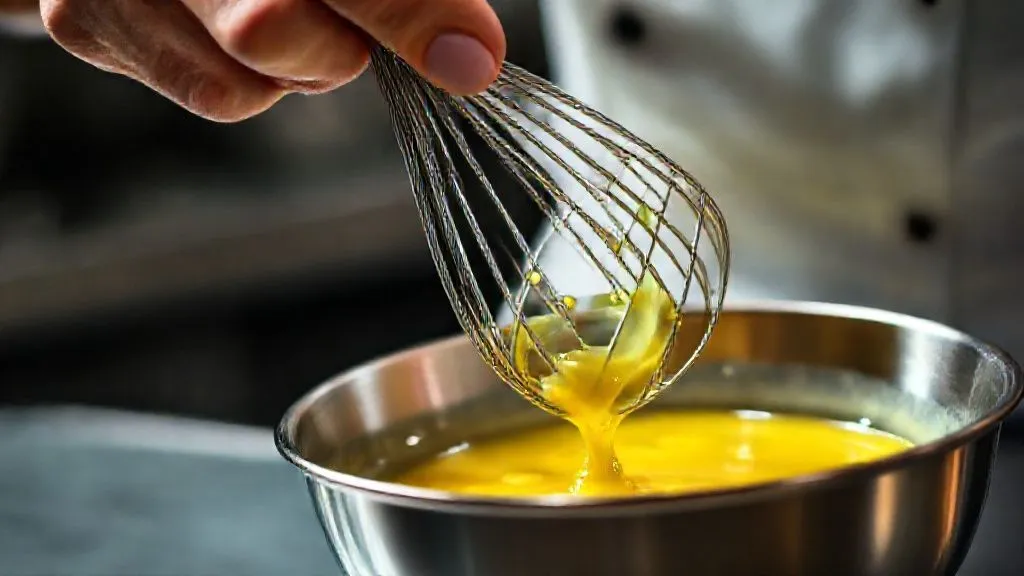
Basic Utensils: Spatulas, whisks, tongs, and a ladle will be your daily companions.
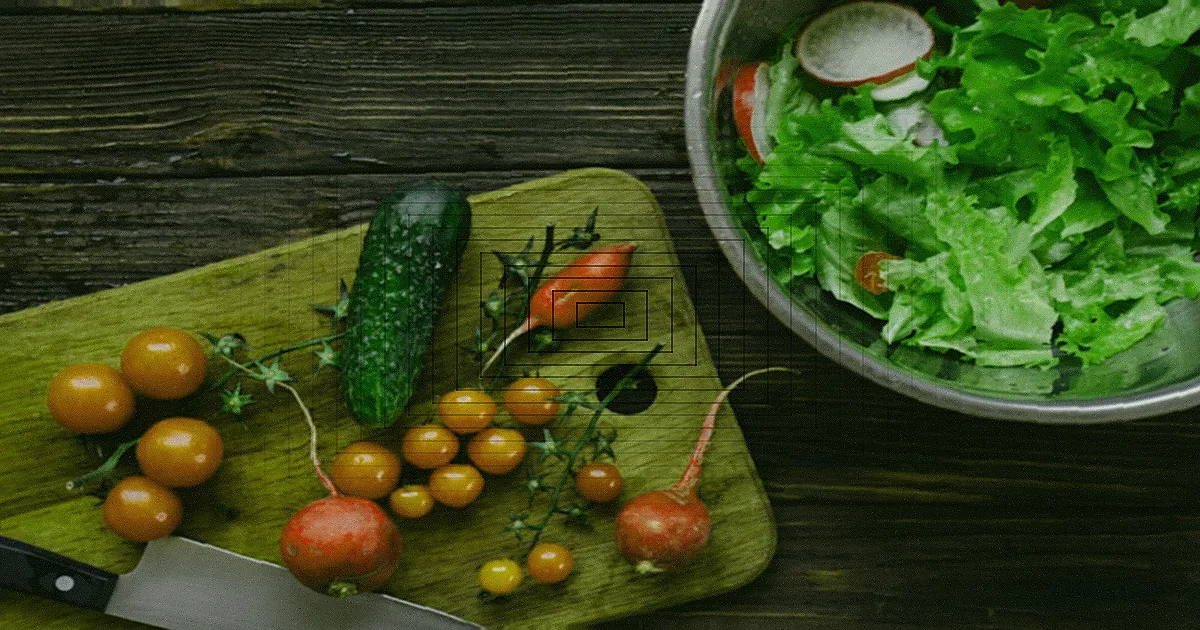
Uma variedade de facas e tábuas de corte dispostas para o preparo de alimentos.
Remember, quality over quantity. A few well-chosen, durable items will serve you better than a drawer full of single-use gadgets.
Understanding Basic Cooking Techniques
Once your kitchen is equipped, it's time to dive into the core techniques that form the backbone of almost every recipe. These aren't just steps; they're skills that, once mastered, open up a world of culinary possibilities. Focus on understanding why you're doing something, not just how.
Here are some fundamental techniques crucial for cooking basics for beginners:
Knife Skills: This is arguably the most important skill. Learn how to hold a knife safely, dice an onion, mince garlic, and chop vegetables. Practice makes perfect, and good knife skills speed up prep time considerably. Many online tutorials and local cooking classes can teach you the basics.
Sautéing: Cooking food quickly in a small amount of fat over relatively high heat. This technique is great for vegetables, lean meats, and creating flavorful bases for sauces.
Roasting: Cooking food in an oven with dry heat, usually at higher temperatures. Ideal for vegetables, chicken, and larger cuts of meat, resulting in tender interiors and crispy exteriors.
Boiling & Simmering: Boiling involves cooking in rapidly bubbling liquid, while simmering uses gentler bubbles. Essential for pasta, grains, and stews.
Pan-Frying: Cooking food in a moderate amount of fat over medium heat, often for items like eggs, pancakes, or thin cuts of meat that need a nice crust.
Important Tip: Don't be afraid to make mistakes. Every culinary expert started as a beginner, and learning from missteps is a natural part of the cooking process.
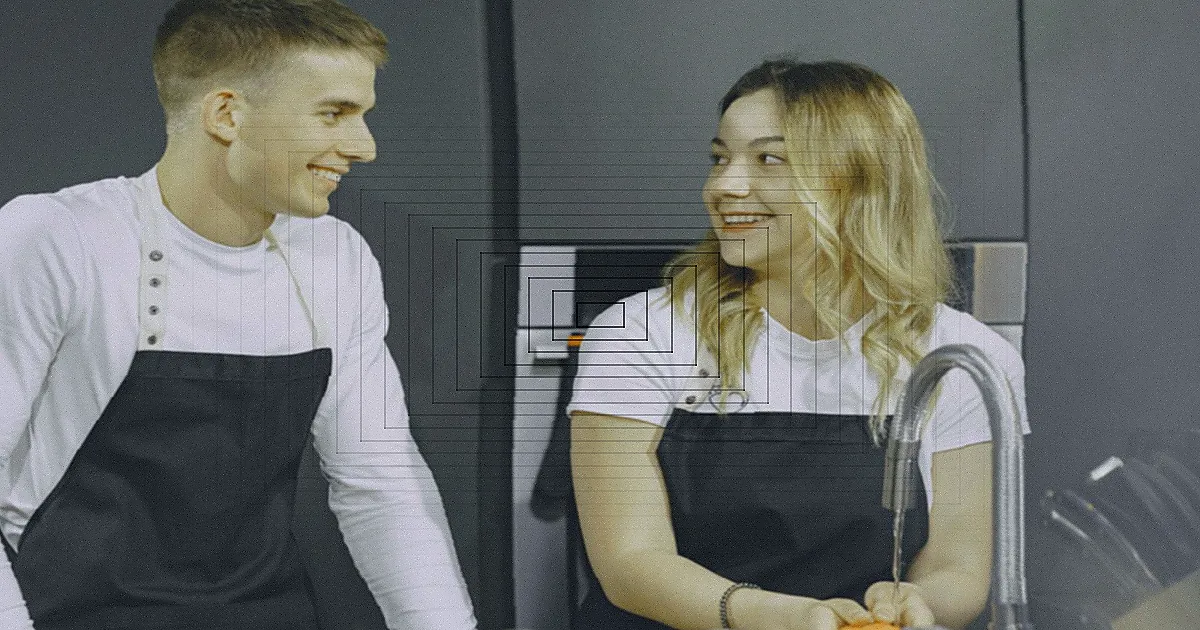
Um cozinheiro demonstra a técnica correta de corte, preparando ingredientes com precisão.
Navigating Ingredients and Flavor Profiles
Cooking is as much about understanding your ingredients as it is about mastering techniques. Knowing how to choose fresh produce, what common spices do, and how to balance flavors will elevate your dishes from good to great. The trends for 2026 highlight intentional cooking, focusing on bold flavors used thoughtfully and vegetable-forward dishes.
Building a Smart Pantry
A well-stocked pantry is a beginner's best friend. It ensures you always have the essentials on hand to whip up a meal without a last-minute grocery run.
Experiment with these staples to discover different flavor combinations. For instance, a simple combination of olive oil, garlic, and red pepper flakes can form the delicious base for many pasta dishes.
Developing Confidence Through Practical Habits
The journey to mastering cooking basics for beginners is less about grand gestures and more about consistent, small habits. Think of it as building culinary muscle memory. The focus in 2026 is on "tiny habits" and "culinary boot camps" that build skills progressively.
Organizes ingredients, streamlines cooking process
Taste as You Go
Allows for adjustments, refines flavor profiles
Clean as You Cook
Maintains a tidy kitchen, makes cleanup easier
Batch Cooking
Prepares multiple meals at once, saves time
These habits, practiced regularly, will make cooking less of a chore and more of an enjoyable, intuitive process. Start with one or two and gradually incorporate more as you feel comfortable. You might find that cooking becomes a relaxing and rewarding part of your daily routine.
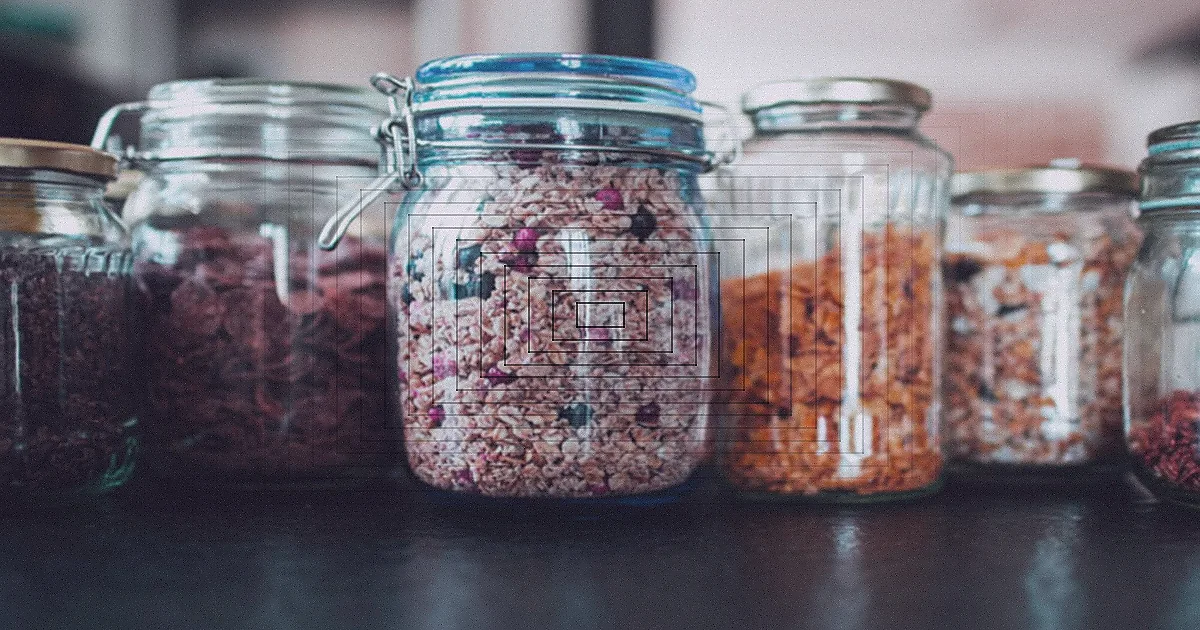
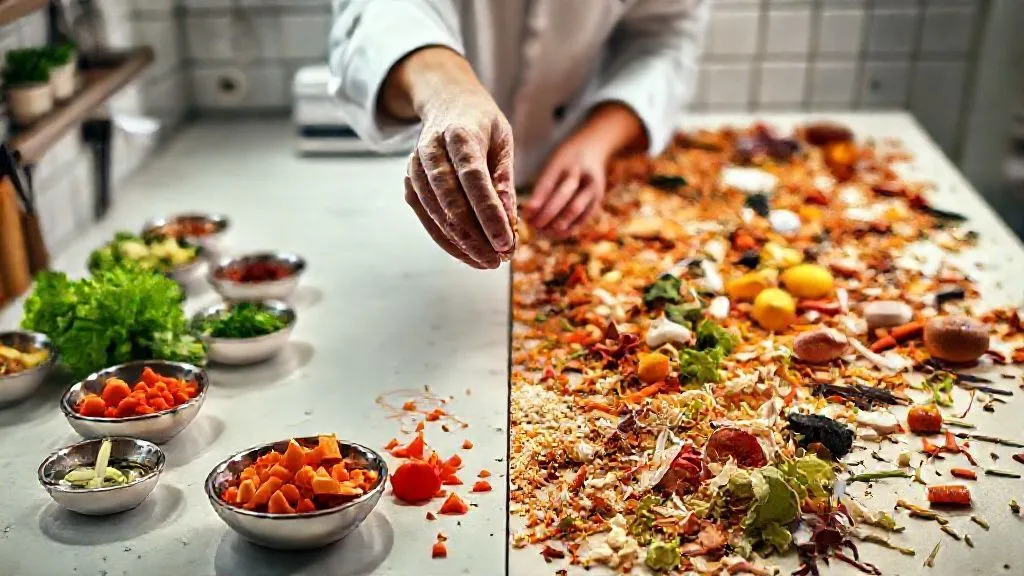
Uma seleção de ingredientes frescos meticulosamente organizada, pronta para ser utilizada em uma receita.
Resources for Learning and Growth
There are countless resources available today to help you on your culinary journey. Whether you prefer hands-on learning or self-paced study, you'll find options tailored to your needs.
Online Tutorials and Videos: Platforms like YouTube offer an endless supply of free cooking demonstrations for every skill level. Channels dedicated to beginner cooking can be incredibly helpful.
Cookbooks: Look for cookbooks specifically designed for beginners, often featuring clear instructions, photos, and explanations of basic techniques. Classic titles like "The Joy of Cooking" or "Salt, Fat, Acid, Heat" offer foundational knowledge.
Cooking Classes: In-person or virtual cooking classes provide structured learning and direct feedback from experienced chefs. For example, cooking classes in major US cities can range from approximately $150 to $400 per person, offering a chance to learn specific cuisines or foundational skills. Approximate prices checked on May 27, 2026, and subject to change. Always consult official sources for current values.
Food Blogs and Websites: Many reputable food blogs offer free recipes, cooking tips, and guides on specific techniques. Sites like Serious Eats or Food Network are great starting points.
Don't hesitate to explore different avenues. What works for one person might not work for another. The key is to find resources that resonate with your learning style and keep you engaged.
As you progress, consider exploring more advanced topics like adapting global techniques with local ingredients, a growing trend in 2026. This allows you to personalize your cooking and make it truly your own.
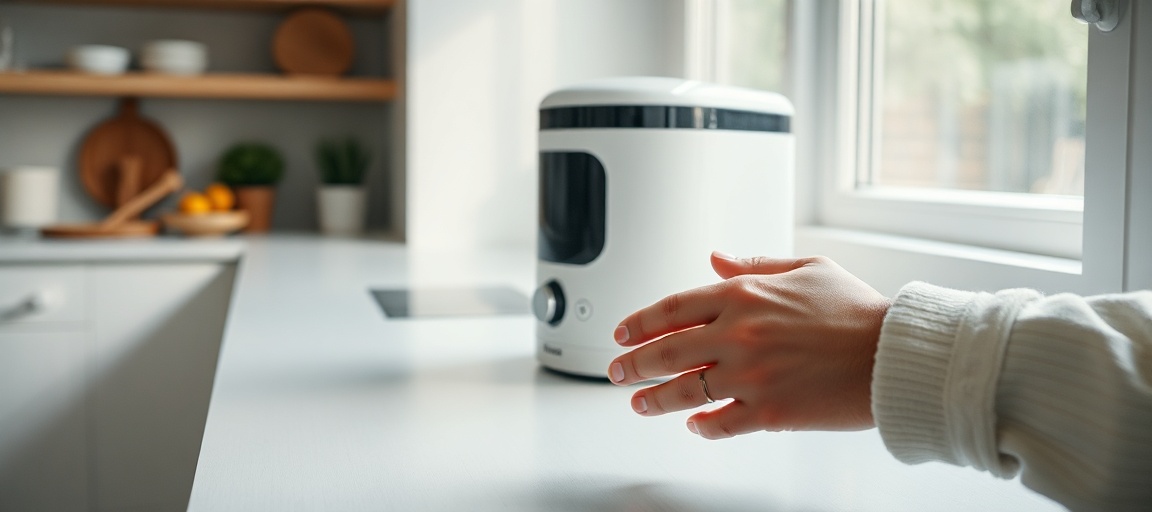
Um eletrodoméstico air fryer, essencial para o preparo rápido e saudável de refeições.
Perguntas Frequentes
What are the absolute minimum cooking basics for beginners to start with?Focus on knife skills, understanding heat management (sautéing, roasting), and basic seasoning. These three areas will give you a strong foundation to build upon.
How long does it take to learn cooking basics for beginners?Learning cooking basics is an ongoing process. You can grasp the fundamentals in a few weeks of consistent practice, but true mastery and confidence develop over months and years.
Is it better to learn cooking basics from a book or a class?Both have benefits. Books offer self-paced learning, while classes provide hands-on experience and direct feedback. Many beginners find a combination of online resources, a good cookbook, and perhaps an occasional class to be most effective.
Conclusão
Embarking on the journey of learning cooking basics for beginners is an incredibly rewarding experience that empowers you with a vital life skill. It's not about perfection, but about progress, practice, and the joy of creating something delicious with your own hands. By focusing on essential tools, fundamental techniques, ingredient knowledge, and consistent habits, you can transform your kitchen experience.
Equip your kitchen with a few essential, quality tools.
Master foundational techniques like knife skills, sautéing, and roasting.
Understand your ingredients and build a versatile pantry.
Develop practical cooking habits for consistency and confidence.
Utilize diverse learning resources, from online videos to cooking classes.
So, roll up your sleeves, embrace the learning process, and soon you'll be cooking with confidence, creating meals that nourish both body and soul. For further insights into culinary education, you might explore resources from institutions like The Culinary Institute of America or general culinary topics on Wikipedia. Even the U.S. government provides food safety guidelines through USA.gov, which are crucial for any home cook.
I'm self-taught, passionate about writing, and driven by the desire to understand the world — one subject at a time. I've dived into copywriting, SEO, and content production, all hands-on. This blog is where I bring all the pieces together. If you're also the curious type, you'll feel right at home.
 By
By 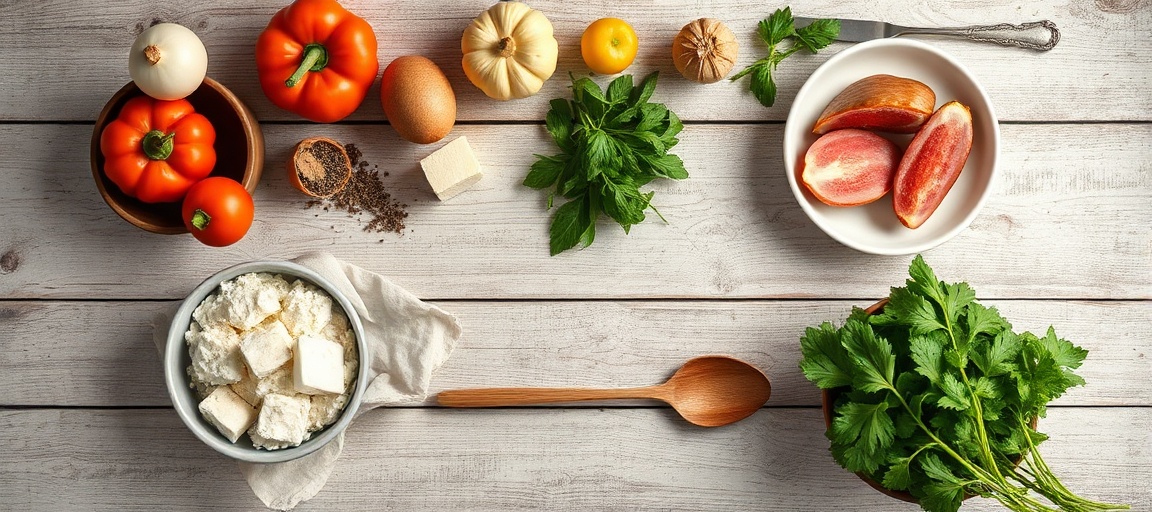

0 Comentários: