 By
By 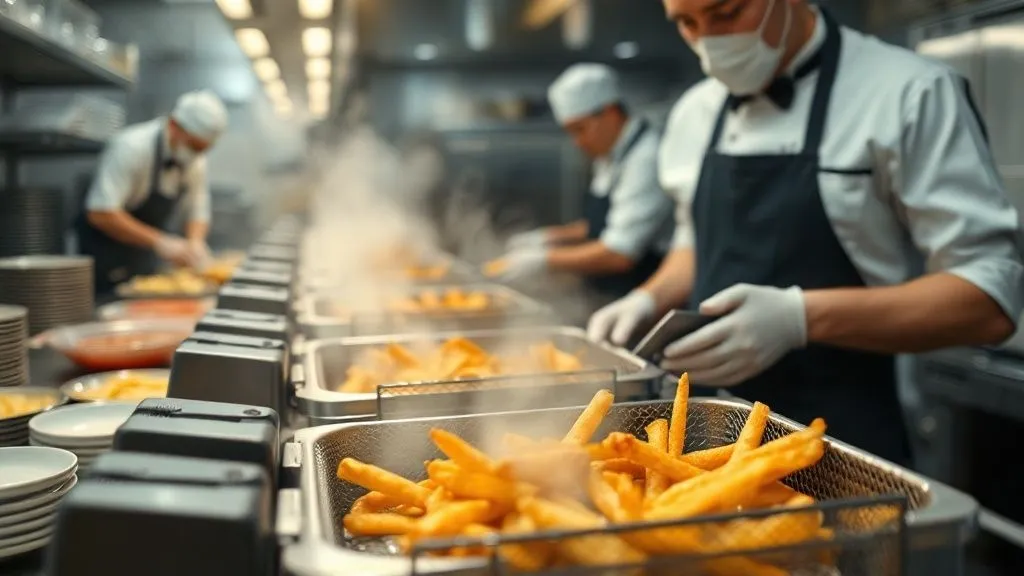
How to Prevent Air Fryer Batch Cooking Failures for Catering?
For over two decades in the culinary world, particularly in high-volume catering, I've witnessed firsthand the incredible potential and the equally frustrating pitfalls of new kitchen technologies. The air fryer, a game-changer for so many home cooks, presents a unique set of challenges when scaled up for catering. I vividly recall a frantic moment at a corporate gala where a 'crispy chicken bite' station became a 'soggy chicken clump' disaster, all because we underestimated the nuances of batch cooking in multiple air fryers. It was a harsh lesson in the difference between cooking for four and cooking for four hundred.
The pain points are real: inconsistent textures, uneven cooking, food drying out, or worse, becoming a congealed mess. For a caterer, these aren't just minor inconveniences; they directly impact your reputation, lead to significant food waste, and can even compromise food safety. The promise of quick, perfectly crisp results can quickly turn into a nightmare of dissatisfied clients and wasted effort if not approached with a strategic, expert mindset.
That's precisely why I've put together this definitive guide. You're not just going to learn theoretical concepts; you'll gain actionable frameworks, real-world case studies, and my seasoned insights on how to master air fryer batch cooking for any catering event. We'll dive deep into everything from menu planning to post-fry holding, ensuring you can consistently deliver delicious, perfectly crisp air-fried items, every single time. Let's turn those potential failures into catering triumphs.
Understanding the Unique Pressures of Air Fryer Catering
The transition from a single air fryer at home to multiple units in a catering environment introduces a cascade of variables that many overlook. The core principle of an air fryer relies on rapid air circulation to create that signature crispness, but this very mechanism becomes a challenge when you're trying to achieve uniformity across dozens, or even hundreds, of portions. In my experience, the biggest mistake caterers make is assuming their home air fryer techniques will simply scale up linearly.
Consider the sheer volume and the tight timelines. A catering event demands consistent quality, often delivered simultaneously, within a specific service window. This means you can't afford to babysit each batch or make on-the-fly adjustments that impact the next 20 batches. Factors like ambient kitchen temperature, pre-heating integrity across multiple units, and even the power draw can all impact performance. Furthermore, the types of food suitable for air frying need careful consideration; not everything that crisps well in small batches holds up under the pressure of mass production and holding times.
The pressure isn't just about cooking; it's about logistics. How do you ensure a continuous flow of perfectly cooked items without overwhelming your staff or creating bottlenecks? How do you manage food safety when items are cooked in batches and then held for service? These are the questions that keep catering chefs awake at night, and they are precisely what we need to address head-on to prevent air fryer batch cooking failures for catering. It requires a holistic approach, moving beyond just the appliance itself to encompass the entire catering operation.
Strategic Menu Design: Air Fryer Compatibility and Batch Efficiency
The foundation of successful air fryer catering begins long before the first ingredient hits the basket: it starts with intelligent menu design. Not all foods are created equal when it comes to air frying, especially for large-scale production. I've learned that selecting the right items is half the battle. Focus on foods that inherently benefit from the air fryer's capabilities – items that need a crispy exterior, reheat well, or cook quickly and uniformly.
Choosing Your Air Fryer Champions
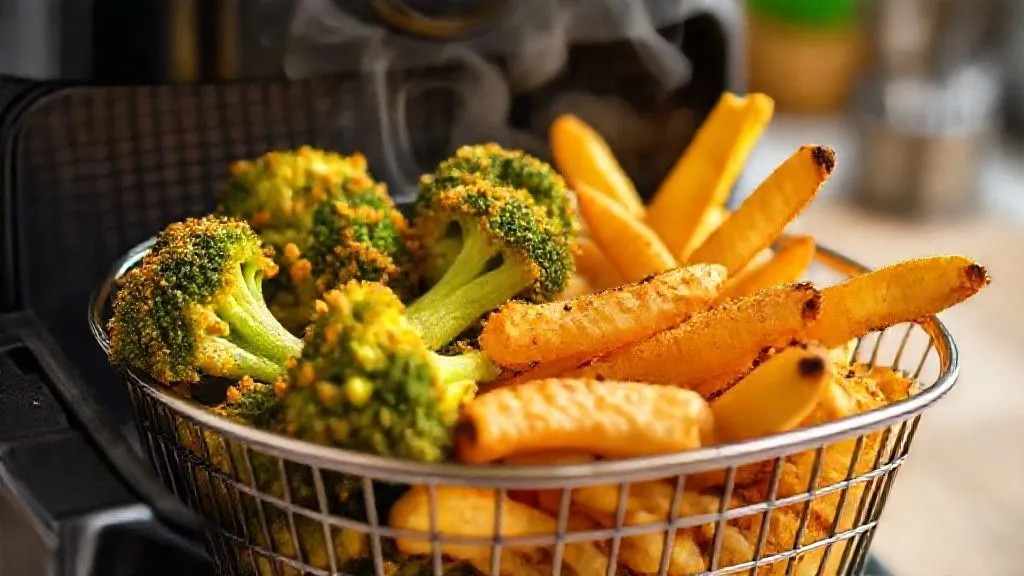
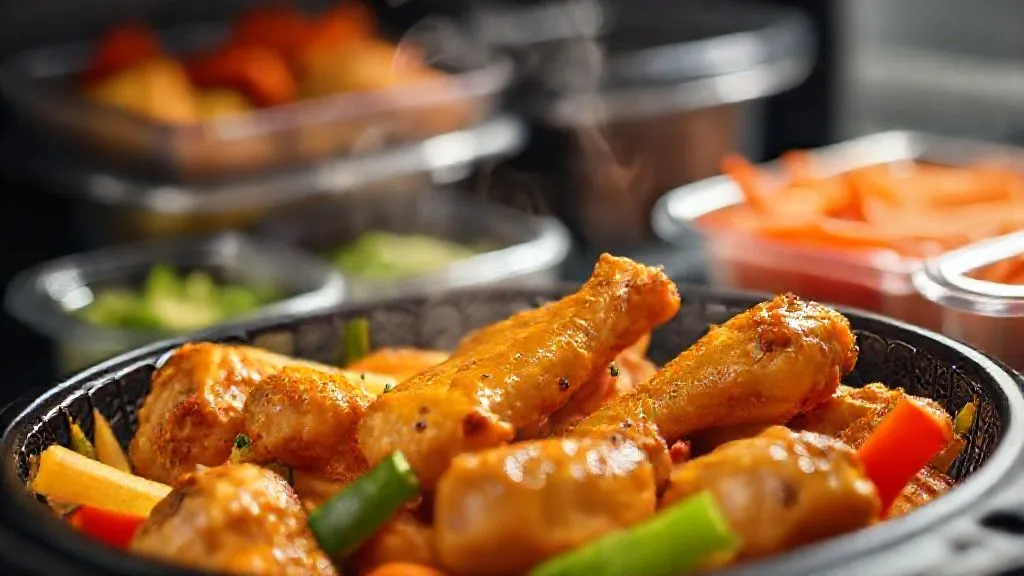
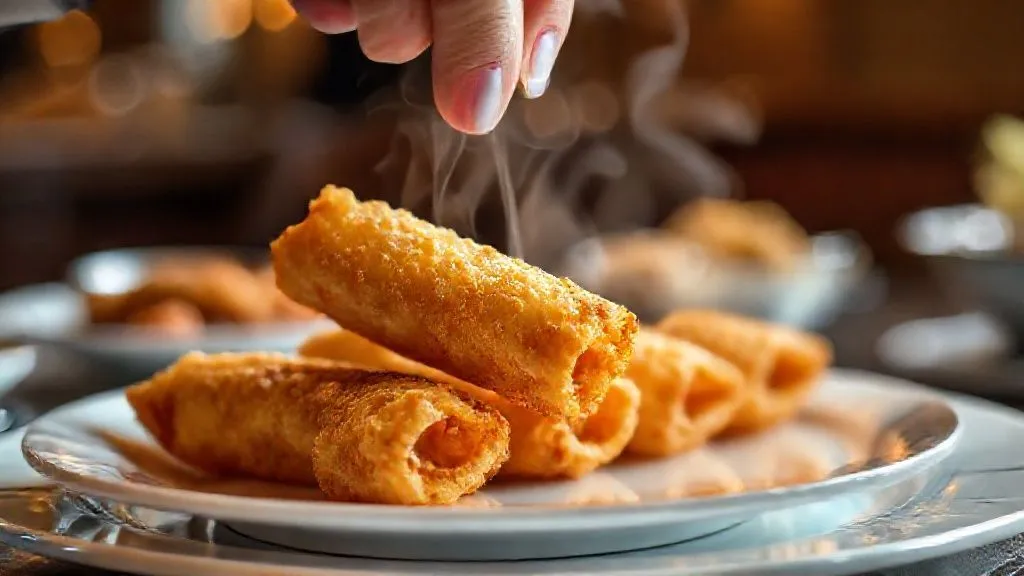
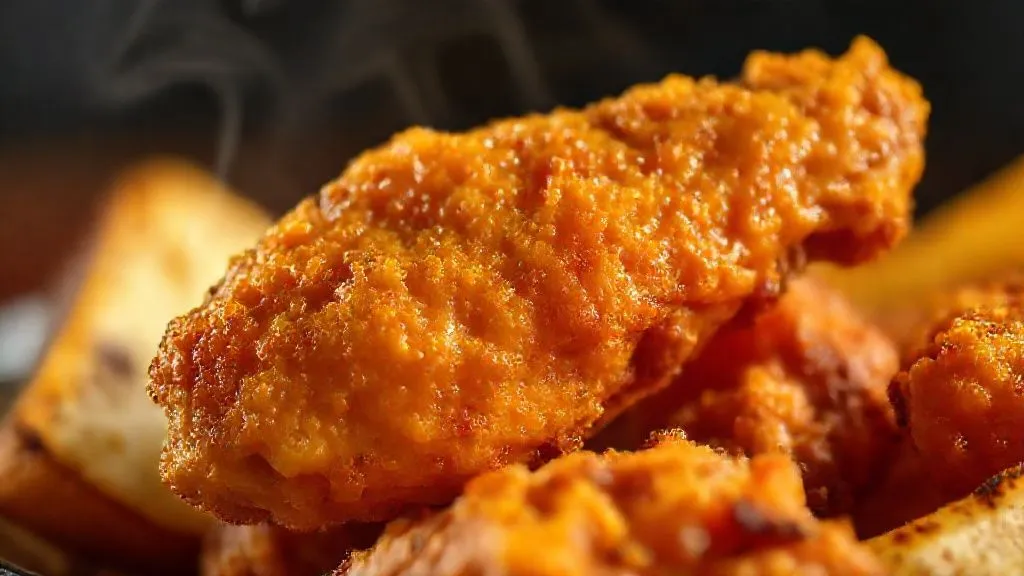
- Excellent Candidates: Think chicken wings, small spring rolls, mini quiches, breaded shrimp, tater tots, mozzarella sticks, arancini, or even roasted vegetables like Brussels sprouts. These items typically have a relatively uniform size and benefit significantly from dry, high heat.
- Challenging Candidates: Avoid items that are overly delicate, have high moisture content that needs to be 'boiled off' rather than crisped, or those that require precise internal temperatures that are hard to gauge in a packed basket. Large, irregularly shaped items or very thin, leafy greens can also be problematic.
When designing your menu, always consider the 'hold time' and 're-crisp potential.' Many air-fried items lose their crispness quickly. Prioritize ingredients and coatings that can withstand a period of holding or can be easily re-crisped just before service without overcooking the interior. This often means opting for items with robust breadings or naturally drier compositions.
Batch Planning for Maximum Throughput
The key to efficiency is understanding your air fryer's capacity not just by volume, but by its ability to circulate air. Overcrowding is the number one enemy of crispness. I always advise planning your menu items with realistic batch sizes in mind. This might mean having more air fryers than you initially thought, or selecting smaller, faster-cooking items.
Here's how I approach it:
- Categorize by Cook Time: Group menu items with similar cooking times and temperatures. This allows for more efficient use of multiple units.
- Test Batch Consistency: Don't assume. Always run test batches with your actual catering quantities to see how they perform.
- Staggering: Plan a staggered cooking schedule. If a batch takes 12 minutes, ensure your prep team can deliver the next batch to the air fryer station just as the previous one finishes.
This methodical approach to menu design and batch planning is critical to prevent air fryer batch cooking failures for catering, transforming potential chaos into a smooth, predictable operation.
The Power of Pre-Preparation: Setting the Stage for Success
In the fast-paced world of catering, time is a luxury you rarely have during service. This is where meticulous pre-preparation, or 'mise en place,' becomes your most powerful ally against batch cooking failures. I've seen kitchens crumble under pressure because simple prep steps were overlooked, leading to frantic scrambling when the orders start rolling in.
Strategic Ingredient Preparation
Every ingredient destined for the air fryer should be prepped to its optimal state. This includes:
- Uniformity: Cut all items to as uniform a size and thickness as possible. This ensures even cooking across the entire batch. Irregularly sized pieces will lead to some being undercooked and others burnt.
- Dryness: Excess moisture is the enemy of crispiness. Pat down vegetables, proteins, and anything that might release water during cooking. A dry surface promotes browning and crisping.
- Seasoning & Coating: Apply seasonings and coatings evenly and thoroughly. For breaded items, ensure a firm, consistent coating that won't flake off during agitation in the air fryer. Consider a light spray of oil on breaded items just before frying to enhance crispness and color.
- Partial Cooking (Blanching/Par-Baking): For some items, particularly root vegetables or denser proteins, a preliminary blanch or par-bake can significantly reduce air fryer cooking time and improve consistency, especially when dealing with large volumes. This also helps ensure the interior is cooked through without over-browning the exterior.
Organizing Your Workflow
Pre-preparation extends beyond just the ingredients; it involves the entire workflow around your air fryer station. Imagine a finely tuned machine where every component moves seamlessly. Your prep team should have everything portioned, seasoned, and ready to go in easily accessible containers.
- Dedicated Prep Area: Set up a clear, dedicated prep area adjacent to your air fryers. This minimizes movement and maximizes efficiency.
- Portion Control: Pre-portion items into the exact amounts needed for a single air fryer basket. This prevents overcrowding and ensures consistent batch sizes. Label everything clearly.
- Staging Zones: Create 'ready-to-fry' and 'fried-and-waiting' staging zones. This keeps the flow organized and prevents cross-contamination.
- Tool & Accessory Availability: Ensure all necessary tools – spatulas, tongs, oil sprayers, parchment liners, timers – are within easy reach.
By investing heavily in thorough pre-preparation, you're not just saving time; you're building a robust defense against the most common air fryer batch cooking failures for catering, ensuring that when service begins, your team can operate with precision and confidence.
Optimizing Your Air Fryer Station: Equipment, Layout, and Workflow
The success of air fryer batch cooking in a catering setting hinges significantly on the physical setup of your air fryer station. It's not enough to simply have multiple units; they need to be integrated into a functional, efficient workflow. I've seen operations bottleneck simply because the layout wasn't optimized, leading to wasted motion and decreased output.
Choosing the Right Equipment
Not all air fryers are created equal. For catering, you need robust, reliable units that can handle continuous use. Consider:
- Capacity: Larger capacity air fryers or models with multiple baskets can be more efficient, but don't sacrifice even cooking for size.
- Power: Ensure your kitchen's electrical infrastructure can support multiple high-wattage appliances simultaneously. Overloaded circuits are a recipe for disaster.
- Durability: Commercial-grade units, if available and within budget, are designed for more rigorous use than consumer models.
- Ease of Cleaning: Quick and easy cleaning between batches is crucial for hygiene and efficiency.
Ergonomic Layout for Peak Performance
Think of your air fryer station as an assembly line. The goal is to minimize steps and maximize flow.
- Linear or U-Shaped Flow: Design a layout that moves ingredients from 'raw' to 'cooked' to 'held' with minimal cross-traffic. A linear setup (prep -> fry -> hold) or a U-shape for a single operator can be highly effective.
- Adequate Counter Space: Ensure ample counter space for staging raw ingredients, for the air fryers themselves, and for holding cooked items.
- Ventilation: Air fryers produce steam and heat. Proper ventilation is essential for staff comfort and kitchen air quality.
- Proximity to Holding Equipment: Place your air fryer station close to your holding cabinets or warming trays to minimize the time food spends cooling down after frying.
Streamlined Workflow Protocols
A great layout needs great protocols. I always advocate for clear, repeatable steps for every staff member.
“In high-volume catering, standardization isn't about stifling creativity; it's about guaranteeing consistent excellence. Every second and every step counts.”
This means:
- Designated Roles: Assign specific roles: one person loads, one monitors, one unloads and transfers. This prevents confusion and speeds up the process.
- Visual Timers & Checklists: Use large, visible timers for each air fryer. A laminated checklist for each item (temperature, time, shake frequency) helps maintain consistency.
- Pre-Heating Discipline: Always ensure air fryers are fully pre-heated to the correct temperature before adding food. This is non-negotiable for consistent results.
By meticulously planning your equipment, layout, and workflow, you create a robust system that can withstand the demands of catering, significantly reducing the likelihood of air fryer batch cooking failures for catering and ensuring a smooth operation.
Precision Cooking Techniques: Mastering Temperature, Timing, and Load
This is where the rubber meets the road. Even with perfect prep and an optimized station, if you don't master the actual cooking process, all your efforts can be undone. Precision in temperature, timing, and load management is paramount to prevent air fryer batch cooking failures for catering. I've seen perfectly good ingredients ruined by a few degrees or an extra minute.
The Science of Temperature
Air fryers operate by circulating hot air, mimicking deep frying. The temperature setting is crucial. Too low, and your food gets soggy; too high, and it burns on the outside while remaining raw inside. For catering, consistency is key across all units.
- Calibrate Your Units: Don't assume all your air fryers heat identically. Periodically check internal temperatures with an oven thermometer to ensure accuracy.
- Optimal Ranges: Most air-fried items perform best between 350°F (175°C) and 400°F (200°C). Lower temps for delicate items, higher for maximum crispness.
- Pre-heating: Always pre-heat your air fryer for at least 5-10 minutes. A cold air fryer will drastically affect cooking times and crispness.
Timing is Everything
Batch cooking means managing multiple timers simultaneously. This requires discipline and clear communication.
- Standardized Times: Establish precise cooking times for each menu item, factoring in batch size. Document these times clearly at the air fryer station.
- Mid-Cook Shake/Flip: For most items, a shake of the basket or a flip of the items halfway through cooking is essential for even browning and crisping. This ensures all surfaces are exposed to the hot air.
- Visual Cues: Train your staff to look for visual cues of doneness – golden brown color, visible crispness, and steam production – in addition to relying solely on timers.
- Doneness Testing: For critical items like chicken, use a quick-read thermometer to ensure safe internal temperatures are met.
Load Management: The Golden Rule
This is perhaps the most critical factor in preventing soggy, unevenly cooked batches. Overcrowding an air fryer basket is a guaranteed path to failure.
“An air fryer isn't a magical bottomless pit. It's a convection oven in miniature. Give your food space to breathe, and it will reward you with crispness.”
- Single Layer (Where Possible): For ultimate crispness, cook items in a single layer. If a single layer isn't feasible for your volume, ensure there's still ample space for air to circulate around each piece.
- Avoid Stacking: Never stack items tightly. If you see pieces touching significantly, you've overloaded the basket.
- Small Batches, More Frequently: It's better to run smaller batches more frequently than large, overloaded batches that yield poor results. This might mean investing in more air fryers or adjusting your menu to faster-cooking items.
Here's a quick guide for common items:
| Item | Temp (°F) | Time (min) | Load | Notes |
|---|---|---|---|---|
| Chicken Wings (small) | 380 | 18-22 | Single layer, no overlap | Flip halfway, spray with oil |
| Spring Rolls (mini) | 375 | 10-14 | Single layer, slight overlap OK | Flip halfway |
| Mozzarella Sticks | 360 | 6-8 | Single layer, no overlap | Watch for cheese leakage |
| Roasted Potatoes (cubed) | 400 | 15-20 | Medium layer, shake often | Par-boil first for best results |
By adhering to these precision cooking techniques, you will significantly improve your consistency and prevent air fryer batch cooking failures for catering, elevating the quality of your air-fried offerings.
Maintaining Peak Quality: Holding, Transport, and Re-Crisping Strategies
Cooking food perfectly is only half the battle in catering; maintaining that perfection until it reaches the guest is the other, equally critical half. Air-fried foods are particularly susceptible to losing their desired texture if not handled correctly post-fry. Soggy, cold, or dried-out food can quickly turn a triumph into a disappointment. This is where your holding and transport strategies become vital to prevent air fryer batch cooking failures for catering.

Effective Holding Techniques
The goal is to keep food hot without steaming it into submission or drying it out. This requires the right equipment and methods.
- Dry Heat Holding Cabinets: Invest in good quality, commercial-grade dry heat holding cabinets. These maintain temperature without adding moisture, which is crucial for air-fried items. Some models even allow for humidity control.
- Perforated Pans: Use perforated hotel pans or wire racks within your holding cabinets. This allows any residual steam to escape, preventing the dreaded 'soggy bottom' effect. Avoid solid pans that trap moisture.
- Minimal Stacking: Even in holding, avoid tightly stacking items. A single layer or a very loose double layer is best to maintain air circulation around the food.
- Temperature Monitoring: Regularly check the internal temperature of held food to ensure it remains in the safe zone (above 140°F / 60°C) and for quality control. Refer to USDA food safety guidelines for safe holding temperatures.
Seamless Transport Solutions
Transporting air-fried food from your kitchen to the event site presents another challenge. Temperature fluctuations and jostling can compromise texture.
- Insulated Carriers: Use high-quality, insulated food carriers that can maintain temperature effectively. Pre-heat these carriers if possible.
- Ventilation During Transport: For items that need to retain crispness, consider carriers that allow for some minimal ventilation, or place a paper towel layer at the bottom of the pan to absorb moisture.
- Secure Packaging: Ensure food pans are securely fitted within carriers to prevent shifting and damage during transit.
Re-Crisping Strategies at the Event
Sometimes, despite best efforts, a quick re-crisp is needed. This is especially true for longer holding times or if the item is designed to be served piping hot and extra crispy.
- On-Site Air Fryer: For high-end events, having a dedicated air fryer (or two) on-site for a quick 2-3 minute re-crisp just before serving can be a game-changer. This is particularly effective for items like fries or chicken wings.
- Convection Oven Blast: A hot convection oven (400-425°F / 200-220°C) for a few minutes can also work wonders for re-crisping, but watch carefully to prevent overcooking.
By implementing these robust holding, transport, and re-crisping strategies, you ensure that the effort put into perfectly cooking your air-fried items isn't wasted, thereby preventing air fryer batch cooking failures for catering and delivering an exceptional experience to your guests.
Troubleshooting Common Air Fryer Batch Cooking Catastrophes
Even with the best planning, things can go wrong. It's not about avoiding problems entirely, but about knowing how to identify and quickly rectify them. In my years, I've seen every air fryer batch cooking failure imaginable, and knowing how to troubleshoot on the fly is a hallmark of an experienced caterer. Let's tackle the most common issues head-on.
The Dreaded Soggy Outcome
This is probably the most common complaint with air-fried food, especially in batches.
- Problem: Food is soft, limp, or chewy instead of crisp.
- Causes: Overcrowding the basket, insufficient pre-heating, too low temperature, excessive moisture in food, not shaking/flipping adequately, holding in a steamy environment.
- Solutions: Reduce batch size, ensure full pre-heat, increase temperature (if safe for food), pat food drier, shake/flip more often, use perforated holding pans. For very stubborn items, a light spray of oil before frying can help.
Uneven Cooking and Browning
Some pieces are perfect, others are undercooked or burnt.
- Problem: Inconsistent doneness or color across a batch.
- Causes: Unevenly sized food pieces, poor air circulation due to overcrowding, lack of shaking/flipping, hot spots in the air fryer.
- Solutions: Ensure uniform sizing during prep, reduce batch size, shake/flip vigorously and frequently, rotate baskets between air fryers if suspecting unit inconsistencies. Consider investing in a more powerful air fryer for even heat distribution.
Food Drying Out or Becoming Leathery
The opposite of soggy, but equally unappetizing.
- Problem: Food is hard, dry, or tough.
- Causes: Overcooking, too high temperature for too long, too little fat/oil, holding in an overly dry or hot environment.
- Solutions: Reduce cooking time, lower temperature slightly, ensure a light coating of oil (especially for lean proteins or vegetables), hold at the minimum safe temperature, use covered (but not sealed) holding pans for some moisture retention if needed.
Burnt Spots or Coatings
The exterior is burning before the interior is cooked.
- Problem: Outer coating or edges are scorched.
- Causes: Too high temperature, sugar content in coatings, food too close to heating element, insufficient oil leading to uneven browning.
- Solutions: Reduce temperature, check ingredient labels for high sugar content (which browns faster), ensure food isn't directly touching the heating element, ensure a light, even spray of oil.
Case Study: How 'Crispy Bites Catering' Solved Their Consistency Crisis
Crispy Bites Catering, specializing in appetizer stations for events, faced a significant challenge with their signature air-fried arancini and spring rolls. Their production team struggled with inconsistent crispness and internal temperatures when handling large orders (200+ guests). They often had to discard entire batches due to sogginess or being undercooked, leading to high food waste and stress.
By implementing the troubleshooting framework outlined above, they took several key steps:
- Audited Batch Sizes: They drastically reduced their per-basket load, opting for smaller, more frequent batches.
- Standardized Prep: Implemented strict guidelines for uniform arancini rolling and spring roll sealing, ensuring consistent size and moisture levels.
- Optimized Holding: Switched from solid hotel pans to perforated pans in their holding cabinets, allowing steam to escape and maintaining crispness.
- Timed Rotation: Developed a strict rotation schedule for their six air fryers, with a dedicated staff member ensuring each basket was shaken/flipped and moved to holding precisely on time.
Within two months, Crispy Bites Catering reported a 75% reduction in discarded batches due to quality issues. Their customer satisfaction scores for appetizer stations significantly improved, leading to a 20% increase in repeat bookings. This demonstrates that proactive troubleshooting and systematic process improvements are key to preventing air fryer batch cooking failures for catering.
Scaling Up: From Intimate Gatherings to Grand Events
The true test of your air fryer catering system comes when you need to scale. What works for a small corporate lunch of 50 people might completely fall apart for a wedding reception of 500. Scaling isn't just about adding more air fryers; it's about refining your entire operation, from staffing to supply chain. In my experience, underestimating the logistical leap is a common pitfall.
Strategic Equipment Investment
As you grow, your equipment needs to grow with you. This might mean:
- More Units: If you're consistently maxing out your air fryers, it's time to invest in more. Consider different sizes or models for different applications.
- Commercial-Grade Solutions: Explore industrial-grade convection ovens that can mimic air frying at a much larger scale, or dedicated commercial air fryer units if your volume justifies it. The National Restaurant Association offers insights into commercial kitchen equipment trends.
- Backup Systems: For critical components like air fryers, always have a contingency plan or a spare unit, especially for large events where downtime is not an option.
Staffing and Training for Volume
More food means more hands, but those hands need to be well-trained and coordinated.
- Dedicated Air Fryer Team: For larger events, assign a small, dedicated team solely to the air fryer station. This ensures focus and consistency.
- Cross-Training: Cross-train staff on various air fryer tasks (loading, monitoring, unloading, holding) to ensure flexibility and cover during peak times.
- Clear Communication Protocols: Implement clear verbal and visual cues for when batches are ready, when more raw product is needed, and when holding cabinets are full.
Supply Chain and Ingredient Management
Scaling affects everything upstream, too.
- Consistent Sourcing: Ensure your suppliers can consistently provide the quality and quantity of ingredients you need, especially for specific cuts or pre-portioned items.
- Bulk Prep Efficiency: Review your prep processes. Can you automate any cutting or breading steps? Are you getting economies of scale on your ingredients?
- Storage Capacity: Do you have enough refrigeration and dry storage to handle increased ingredient volumes?
“Scaling isn't just about doing more; it's about doing more smarter. Every process, every piece of equipment, and every person needs to be optimized for the increased demand.”
Successfully scaling your air fryer operations means meticulously planning each component of your catering business to handle increased demand without compromising the quality that your air-fried items promise. This proactive approach is essential to prevent air fryer batch cooking failures for catering as your business grows.
Continuous Improvement: Learning from Every Catering Experience
In the dynamic world of catering, true expertise isn't just about knowing how to cook; it's about the relentless pursuit of perfection through learning and adaptation. Every catering event, whether a resounding success or a minor hiccup, offers invaluable lessons. Embracing a culture of continuous improvement is the ultimate strategy to consistently prevent air fryer batch cooking failures for catering and stay ahead of the curve.
Post-Event Debriefs
After every significant event involving air-fried items, gather your team for a structured debrief. This isn't about blame; it's about collective learning.
- What Went Well? Identify successes. What strategies or techniques worked exceptionally well? Document them.
- What Could Be Improved? Pinpoint challenges. Was it a specific menu item, a timing issue, equipment performance, or staff coordination?
- Client Feedback: Review any client comments or feedback related to the air-fried items. Was the crispness right? Was the temperature good?
- Waste Analysis: Analyze food waste for air-fried items. High waste could indicate overproduction, poor holding, or quality issues.
Documentation and Standardization
Institutionalize your learnings. Don't let valuable insights disappear after one event.
- Update SOPs: Revise your Standard Operating Procedures (SOPs) for air fryer use, prep, cooking times, and holding strategies based on new insights.
- Recipe Adjustments: Tweak recipes or batch sizes as needed. Perhaps a specific ingredient needs a slightly different oil spray technique, or a longer pre-heat.
- Equipment Maintenance Logs: Maintain detailed logs for air fryer performance and maintenance. This helps identify units that might be aging or need calibration.

Staying Current with Technology and Trends
The culinary world, and kitchen technology, is always evolving. What's cutting-edge today might be standard tomorrow. Forbes often highlights emerging trends in food service technology.
- Research New Equipment: Keep an eye on new air fryer models or commercial kitchen equipment that could offer better efficiency or quality for batch cooking.
- Experiment with New Ingredients/Techniques: Don't be afraid to experiment with new ingredients or coatings that might enhance air-fried items or extend their holding time.
- Network with Peers: Share insights and challenges with other caterers. Often, a peer has already solved a problem you're facing.
By embedding a mindset of continuous improvement into your catering operation, you not only learn from past experiences but also proactively build resilience against future challenges. This dedication to refinement is what truly differentiates a good caterer from an exceptional one, ensuring you consistently prevent air fryer batch cooking failures for catering and deliver outstanding results.
Frequently Asked Questions (FAQ)
Question: Can I really cook *everything* in an air fryer for catering, or are some items simply not suitable for batch cooking? While air fryers are incredibly versatile, it's a misconception that they're a universal solution for catering. Items that require very delicate handling, significant internal moisture (like a perfectly seared steak), or extremely long cooking times are often better suited to traditional methods. For batch cooking, focus on items that benefit from a crisp exterior and have relatively uniform size and cook times. Think appetizers, small proteins, and certain vegetables. Overly saucy or very delicate items tend to fare poorly in large air fryer batches.
Question: How do I prevent air-fried food from drying out when I need to hold it for an extended period before serving? Preventing dryness during holding is a critical challenge. The key is to use a dry heat holding cabinet with good temperature control, ideally one with minimal or controllable humidity. Avoid holding at excessively high temperatures. Crucially, use perforated pans or wire racks within the cabinet to allow some air circulation while preventing moisture buildup. For certain items, a very light spritz of water or broth (if appropriate for the dish) just before holding can help, but this must be done carefully to avoid sogginess. Ultimately, the best strategy is to minimize holding time by optimizing your cooking and service flow.
Question: What's the best way to manage multiple air fryers simultaneously to ensure consistent quality across all batches? Effective management of multiple units requires a systematic approach. First, ensure all units are calibrated and pre-heated to the same temperature. Implement a staggered cooking schedule, where each air fryer is loaded and unloaded in a sequence. Assign a dedicated staff member to oversee the air fryer station, responsible for setting timers, shaking/flipping baskets, and transferring cooked food to holding. Use visual aids like whiteboards or digital screens to track batch status and cooking times for each unit. Regular rotation of baskets between units can also help compensate for any slight temperature variations.
Question: Are there specific commercial air fryer models or types that are better suited for catering operations than standard home models? Absolutely. While home air fryers can work for very small events, for true catering scale, you'll benefit immensely from commercial-grade options. Look for larger capacity models, often labeled 'commercial air fryers' or 'convection ovens with air fry features.' These units are built for durability, continuous use, and often have more powerful heating elements and better air circulation systems. Some commercial ovens offer 'combi-oven' functions that can combine dry heat with a touch of steam, which can be beneficial for specific items. Research brands known for commercial kitchen equipment, as their products are designed to withstand the rigors of a catering environment.
Question: How do I handle food safety regulations and cross-contamination risks when batch cooking different items in air fryers for a large event? Food safety is paramount. Treat air fryers like any other cooking appliance in terms of HACCP principles. Designate separate air fryers or clearly defined cooking schedules for raw versus cooked foods, especially for allergens or different protein types. Always clean baskets thoroughly between different food types. Ensure staff are trained in proper handwashing and utensil sanitization. Maintain strict temperature logs for both cooking and holding. For items that require specific internal temperatures, use calibrated thermometers regularly. Proper staging areas for raw and cooked items, along with clear labeling, are crucial to prevent cross-contamination and ensure you prevent air fryer batch cooking failures for catering from a safety perspective.
Key Takeaways and Final Thoughts
Mastering air fryer batch cooking for catering is a nuanced skill, but one that is entirely achievable with the right strategies and mindset. It's not just about turning on an appliance; it's about a holistic approach that encompasses meticulous planning, optimized workflow, precise execution, and a commitment to continuous improvement.
- Strategic Menu Planning: Choose items that truly shine in an air fryer and can withstand batch production and holding.
- Pre-Preparation is Paramount: Invest time in uniform cuts, proper seasoning, and organized staging to streamline service.
- Optimize Your Station: Select robust equipment and design an ergonomic layout with clear workflow protocols.
- Precision is Key: Master temperature, timing, and load management to ensure consistent crispness and doneness.
- Holding & Transport Matter: Utilize dry heat holding and appropriate carriers to maintain quality until service.
- Learn & Adapt: Embrace troubleshooting and continuous improvement from every event to refine your processes.
As an industry veteran, I've seen the culinary landscape evolve, and the air fryer is undoubtedly a powerful tool for modern caterers. By applying these expert insights and frameworks, you're not just cooking; you're crafting a reliable, high-quality, and efficient system that will consistently impress your clients and elevate your catering business. Go forth and crisp with confidence, knowing you have the tools to prevent air fryer batch cooking failures for catering and deliver culinary excellence every time.
Recommended Reading
- Why Is Your Catering Mole Bitter? Expert Fixes for Large Batches
- Kimchi Too Sour, Too Fast? 7 Expert Fixes for Rapid Fermentation
- 7 Proven Steps to Fix Diluted Flavor in Large Slow-Cooked Braises
- Why Vacuum-Sealed Cured Meats Mold: 7 Professional Storage Pitfalls
- Easy Authentic World Food Recipes for Beginners: A Culinary Journey
0 Comentários: