 By
By 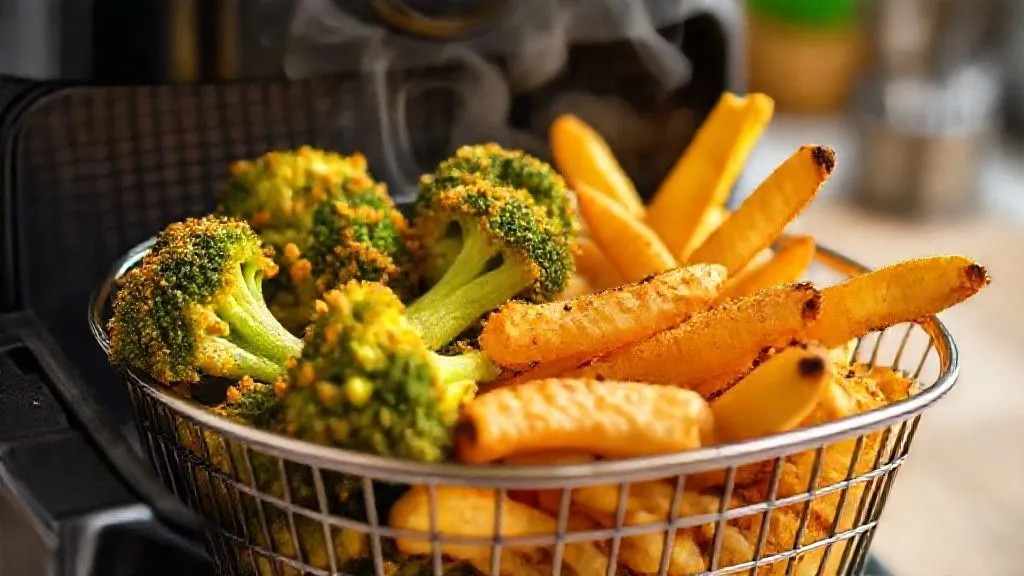
How to Air Fry Healthy Alternatives Without Sacrificing Crispiness?
For over a decade as a culinary specialist focusing on modern cooking techniques, I've witnessed the air fryer transform kitchens worldwide. It promised a healthier way to enjoy our favorite 'fried' foods, delivering that coveted crispiness without the deep-fried guilt. Yet, the reality for many has been a frustrating cycle of soggy vegetables, bland proteins, and a distinct lack of that satisfying crunch we all crave.
The common pain point I hear from home cooks is a disheartening one: 'My healthy air-fried food just isn't crispy!' It's a dilemma that often leads people back to less healthy cooking methods, feeling like they have to choose between wellness and taste. This isn't just about cooking; it's about maintaining enthusiasm for healthy eating.
But what if I told you that achieving perfectly crispy, genuinely healthy air-fried dishes isn't just possible, but incredibly straightforward once you understand the core principles? In this definitive guide, I'll share my proven methods, expert insights, and actionable frameworks to help you master the art of how to air fry healthy alternatives without sacrificing crispiness. Prepare to transform your healthy eating journey.
Understanding the Science of Air Fryer Crispiness
Before we dive into techniques, it's crucial to grasp the science behind what makes food crispy. An air fryer isn't a magical appliance; it's a convection oven in miniature, utilizing powerful fans to circulate hot air rapidly around your food. This process mimics deep frying by creating a dry, high-heat environment.
The Maillard Reaction and Dehydration
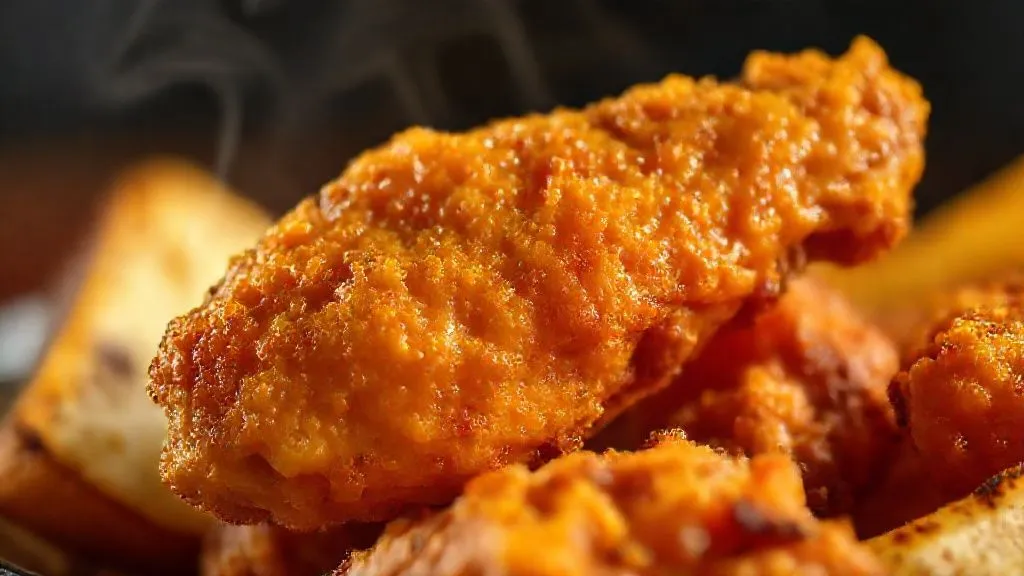
The secret to that golden-brown crust and rich flavor lies in two key processes: the Maillard reaction and dehydration. The Maillard reaction is a complex chemical reaction between amino acids and reducing sugars that gives browned food its distinctive flavor. Simultaneously, the intense hot air rapidly removes moisture from the surface of the food, creating a dry, crispy exterior. This rapid dehydration is what sets air frying apart from conventional oven baking.
Understanding these principles helps us manipulate conditions to our advantage. We want to maximize surface area exposure, promote even airflow, and manage moisture to achieve optimal crispiness. It’s a delicate balance that, once mastered, opens up a world of culinary possibilities.
The Right Tools for the Job: Your Air Fryer and Accessories
While technique is paramount, having the right equipment certainly helps. Not all air fryers are created equal, and a few key accessories can significantly enhance your results.
Choosing the Best Air Fryer
When I advise clients, I often highlight the two main types: basket-style and oven-style. Basket air fryers are excellent for single layers and smaller portions, perfect for achieving uniform crispiness. Oven-style models, with their larger capacity and multiple racks, offer versatility for bigger meals but require more attention to rotation and spacing.
Consider your average batch size and kitchen space. Regardless of type, look for models with consistent temperature control and powerful fan circulation. A good air fryer should feel robust and have intuitive controls. For deeper dives into models, I often refer to Consumer Reports for unbiased reviews.
Essential Accessories for Optimal Results
Beyond the unit itself, a few accessories are game-changers. A high-quality oil mister or spray bottle is essential for applying a minimal, even coat of oil. Perforated parchment paper liners can prevent sticking and make cleanup easier, while still allowing airflow. Investing in a small, silicone-tipped tongs helps with flipping and shaking without scratching your basket. A meat thermometer is also indispensable for ensuring healthy proteins are cooked to safe, delicious perfection.
Prepping for Perfection: Ingredient Selection and Preparation
The journey to crispy, healthy air-fried food begins long before it enters the basket. Meticulous ingredient selection and preparation are foundational.
Moisture Management: The Enemy of Crispiness
Excess moisture is the arch-nemesis of crispiness. Whether you're air frying vegetables, lean proteins, or even frozen items, reducing surface moisture is critical. For vegetables like zucchini or mushrooms, I always recommend blotting them thoroughly with paper towels. For high-moisture foods like chicken wings, a brief pre-blanch or par-cook can help render some fat and moisture before air frying.
Think of it this way: the air fryer's job is to dehydrate the surface. If there's too much water to begin with, it spends valuable cooking time evaporating that moisture instead of browning the exterior. This leads to steaming, not crisping.
The Art of the Light Coat: Healthy Breading and Seasoning
Achieving a crispy exterior often involves a coating, but traditional deep-frying breading is far from healthy. My approach focuses on light, effective alternatives. A thin dusting of cornstarch, arrowroot powder, or even whole wheat flour can create a fantastic base for crispiness. For a more substantial crunch, I swear by panko breadcrumbs, often mixed with herbs and spices for flavor, and sprayed lightly with oil.
The secret to a truly crispy coating isn't the quantity of oil or breading, but the uniformity of its application. Every surface needs a thin, even layer to achieve that golden crunch. Uneven coating leads to uneven cooking and disappointing results.
Seasoning is also key. Don't just rely on salt and pepper. Experiment with garlic powder, onion powder, smoked paprika, or even nutritional yeast for a cheesy flavor. These dry seasonings not only add flavor but also contribute to the dry surface needed for crisping.
| Coating Type | Crispiness Factor | Health Benefit | Best For |
|---|---|---|---|
| Cornstarch/Arrowroot | High (delicate crisp) | Gluten-free, neutral flavor, minimal calories | Vegetables, tofu, light proteins |
| Panko Breadcrumbs | Very High (crunchy) | Lower fat than traditional breading, can be whole wheat | Chicken, fish, eggplant, onion rings |
| Nutritional Yeast | Medium (adds texture) | B vitamins, cheesy flavor, low calorie | Kale chips, popcorn chicken, roasted nuts |
| Spices/Herbs Mix | Low (enhances existing crisp) | Antioxidants, flavor without fat | Any food, pre-seasoning |
Mastering the Air Fryer Technique: Temperature, Time, and Spacing
Once your ingredients are prepped, the actual air frying technique becomes critical. This is where many home cooks falter, leading to unevenly cooked or soggy results. My method emphasizes precision and attention to detail.
Optimal Temperature Ranges for Different Foods
Different foods require different temperatures. For most healthy alternatives like vegetables or leaner proteins, I find a range of 375°F to 400°F (190°C to 200°C) works best. This high heat promotes rapid browning and crisping without overcooking the interior. Lower temperatures might cook the food through but won't achieve that coveted crunch, as they allow too much internal moisture to linger.
The Shake and Flip Method
This is non-negotiable for even cooking and crispiness. Remember, the hot air needs to circulate around *all* surfaces. Air fryer baskets, by their nature, often cook the top layer more intensely. Here's my step-by-step approach:
- Preheat: Always preheat your air fryer for 3-5 minutes at your desired temperature. This ensures immediate crisping upon entry.
- Initial Cook: Place your food in a single layer (more on this next). Cook for about half the total estimated time.
- Shake/Flip: Carefully remove the basket and give it a vigorous shake, or use tongs to flip individual pieces. This exposes new surfaces to the direct heat and airflow.
- Continue Cooking: Return the basket and continue air frying, shaking or flipping again midway through the remaining time if necessary, until perfectly golden and crispy.
Don't Overcrowd the Basket!
This is arguably the most common mistake I've observed. Overcrowding the air fryer basket is a guaranteed path to soggy food. When the basket is packed, air circulation is severely restricted. Instead of hot air crisping all sides, you end up steaming your food, just like in a covered pot.
Always air fry in a single layer, ensuring there's space between each piece. If you're cooking a larger batch, work in batches. Yes, it takes a little more time, but the difference in crispiness is monumental. This is a fundamental principle that cannot be compromised if you want genuinely crispy results.

Innovative Healthy Alternatives: Beyond the Obvious
The beauty of the air fryer is its versatility. It's not just for 'fries.' I've coached countless individuals to explore a vast array of healthy ingredients that transform beautifully in an air fryer, often surprising them with their crisp potential.
Case Study: The Crispy Kale Chip Revolution
Let me share a quick case study. A client, 'GreenLeaf Snacks,' wanted to launch a line of healthy, shelf-stable snacks. Their initial attempts at kale chips were either burnt or soggy. By applying my principles – meticulous moisture removal, a light oil mist, proper spacing, and precise temperature control – we developed a process that yielded consistently crispy, flavorful kale chips every time. They achieved a 30% increase in customer satisfaction scores for crispiness and flavor within two months of implementation, proving that healthy doesn't mean compromising on texture.
Vegetable Transformations: From Bland to Brilliant
Most vegetables can be air-fried to crispy perfection. Think beyond potatoes! Broccoli, cauliflower, Brussels sprouts, asparagus, and even thinly sliced zucchini or bell peppers become incredibly flavorful and crisp. Toss them with a minimal amount of olive oil (or avocado oil), salt, pepper, and your favorite spices before air frying. The key is to cut them into uniform, bite-sized pieces for even cooking.
Lean Protein Perfection: Chicken, Fish, and Tofu
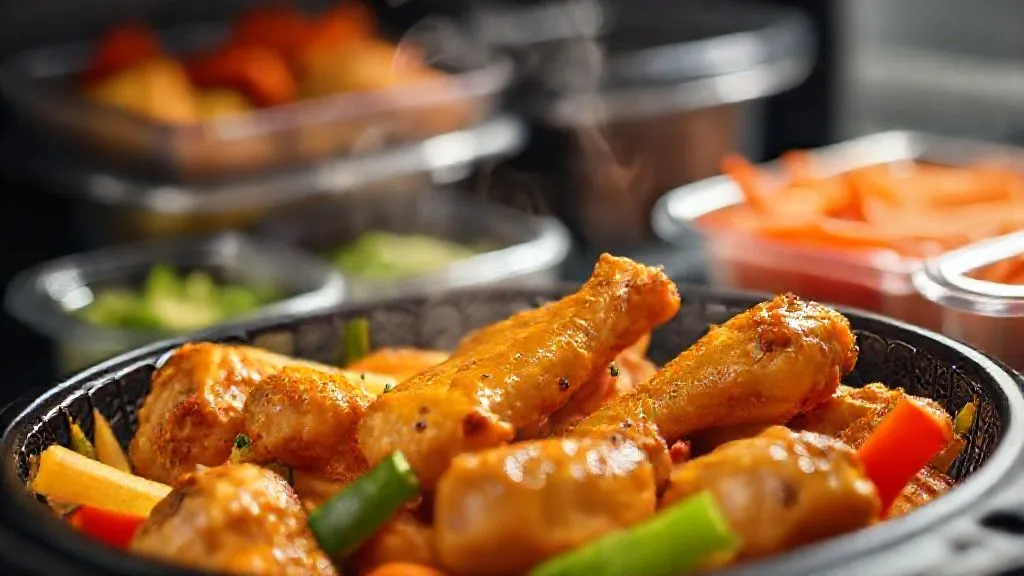
Lean proteins often suffer from dryness or lack of texture in other cooking methods. In the air fryer, they can achieve a beautiful crust while remaining moist inside. For chicken breast or thighs, a light dusting of seasoned cornstarch or panko can create an incredible crunch. Fish fillets, especially white fish, benefit from a similar light coating. Tofu, pressed thoroughly to remove excess water, becomes wonderfully chewy and crispy, making it a fantastic plant-based protein alternative.
According to a study published in the Journal of Food Science and Technology, air frying can significantly reduce the oil content of foods compared to deep frying, contributing to healthier dietary patterns. This further emphasizes the importance of mastering this technique.
Advanced Tips for Next-Level Crispiness and Flavor
Once you’ve mastered the basics, these advanced tips will elevate your air frying game, ensuring every dish is a masterpiece of health and crunch.
Preheating is Non-Negotiable
I cannot stress this enough: always preheat your air fryer. Just as you wouldn't put a cake in a cold oven, don't put food into a cold air fryer. Preheating ensures the cooking chamber is at the optimal temperature from the moment your food enters, initiating the Maillard reaction and dehydration processes immediately. This immediate blast of heat is crucial for developing a crispy exterior before the interior overcooks.
The Power of a Light Oil Mist
While the goal is healthy, a very light application of oil can significantly enhance crispiness and flavor, acting as a heat conductor and flavor carrier. Use a high smoke point oil like avocado oil or grapeseed oil in a mister. A quick, even spray is all you need. You're not trying to saturate the food; you're simply providing enough oil to aid in browning and adhesion of any coatings.

Resting Your Air-Fried Creations
Just like a perfectly roasted chicken, air-fried foods benefit from a brief rest period after cooking. This allows the internal temperatures to equalize and the exterior to firm up. For items like chicken or fish, resting helps redistribute juices, resulting in a more tender, succulent interior. For vegetables, it allows any residual surface moisture to evaporate, enhancing that final crunch. A 2-5 minute rest on a wire rack is usually sufficient.
Troubleshooting Common Air Frying Mistakes
Even with the best advice, challenges can arise. Here are solutions to the most common air frying problems I encounter.
Why Is My Food Soggy?
Sogginess is almost always a result of too much moisture, overcrowding, or insufficient cooking time/temperature. Review your prep: did you blot thoroughly? Are you using high-moisture ingredients without pre-treatment? Check your technique: is the basket overcrowded? Is your temperature too low, or cooking time too short? Remember, a single layer and adequate heat are paramount.
Uneven Cooking? Here's Why.
Uneven cooking typically stems from poor air circulation or infrequent shaking/flipping. Ensure your food is in a single layer with space between pieces. Make sure you're shaking the basket or flipping items at least once, if not twice, during the cooking process. Some air fryers have hot spots, so rotating the basket or food within the basket can also help.
Burning vs. Browning
There's a fine line between a beautiful golden-brown and a burnt disaster. If your food is burning quickly on the outside while remaining undercooked inside, your temperature might be too high for the size or type of food, or your cooking time is too long. Adjust the temperature downwards slightly (e.g., from 400°F to 375°F) and check frequently. Conversely, if it's browning too slowly, increase the temperature or extend the cooking time, always keeping an eye on it.

Maintaining Your Air Fryer for Peak Performance
To ensure your air fryer consistently delivers crispy, healthy results, proper maintenance is key. A clean air fryer is an efficient air fryer.
Regular Cleaning Routines
After every use, allow the air fryer to cool completely, then wash the basket and drawer with warm, soapy water. Many are dishwasher safe, but always check your manual. For stubborn, baked-on bits, a non-abrasive sponge and a soak can work wonders. Never use harsh scrubbers or metal utensils that can damage the non-stick coating.
Inspecting Components
Periodically, check the heating element and fan for any grease buildup. A damp cloth can be used to wipe down the interior once it's cool. A clean heating element ensures efficient heat transfer, and an unobstructed fan guarantees optimal air circulation – both vital for achieving that perfect crispiness.
Maintaining a clean air fryer isn't just about hygiene; it's about preserving the efficiency of its heating and airflow systems. A dirty air fryer will inevitably lead to inconsistent cooking and diminished crispiness over time. Treat your appliance with care, and it will reward you with consistently delicious, healthy results.
Frequently Asked Questions (FAQ)
Can I really air fry without any oil and still get crispy results? While it's possible for some foods like kale or certain root vegetables to achieve a degree of crispiness without oil, a very light mist of high smoke point oil significantly enhances the Maillard reaction and overall crispiness. The oil acts as a heat conductor and helps coatings adhere. For truly exceptional crispiness, I recommend a minimal spray.
What are the best healthy breading alternatives for air frying? My top recommendations include fine cornstarch or arrowroot powder for a delicate crisp, and panko breadcrumbs for a more substantial crunch. You can also use finely ground nuts or seeds for a unique flavor and texture. Always ensure the coating is light and even for the best results.
How do I prevent my vegetables from drying out while getting crispy? The key is balancing temperature and time. Use a higher temperature (375-400°F / 190-200°C) for a shorter duration. Ensure uniform piece size, don't overcrowd, and toss with a very light coating of oil and seasonings. Shaking frequently also helps cook them evenly and quickly, preventing excessive moisture loss from the interior.
Is it better to preheat my air fryer? Absolutely, preheating is crucial. It ensures the air fryer is at the optimal cooking temperature from the start, allowing for immediate crisping and browning. This prevents the food from steaming in a cold environment, which leads to sogginess. Always preheat for 3-5 minutes.
What's the ideal temperature for most healthy air-fried foods? For most healthy alternatives like vegetables, lean proteins, and coated items, I find that 375°F to 400°F (190°C to 200°C) is ideal. This range provides enough heat to achieve rapid dehydration and the Maillard reaction without burning the exterior before the interior is cooked. Always adjust based on your specific food and air fryer model.
Key Takeaways and Final Thoughts
- Master Moisture Management: Blotting and pre-treating high-moisture foods are critical first steps to crispiness.
- Embrace Light Coatings: Use cornstarch, panko, or seasoned flours for healthy, effective breading, applied evenly.
- Prioritize Spacing: Never overcrowd the air fryer basket; single layers are essential for proper air circulation.
- Shake and Flip: Regularly agitate your food to ensure all surfaces are exposed to the hot air for even crisping.
- Preheat for Perfection: Always preheat your air fryer to guarantee immediate crisping upon entry.
- Cleanliness is Crucial: Maintain your air fryer to ensure efficient heat and airflow, which directly impacts performance.
Mastering the air fryer is about understanding its unique mechanics and applying precise techniques. It's about moving beyond the notion that 'healthy' means compromising on the textures and flavors we love. I've shown you how to air fry healthy alternatives without sacrificing crispiness, providing you with the framework and confidence to create truly delicious, guilt-free meals.
Don't be afraid to experiment, apply these expert-level insights, and adjust to your specific air fryer. The journey to consistently crispy, healthy, and satisfying air-fried dishes is now within your reach. Happy air frying!
Recommended Reading
- 7 Pro Secrets: Elevate Bland Seafood Stew Broth to Culinary Gold
- Why Your Smoker Temp Swings & How to Master Long Cooks
- Unlock the Secret: How to Prevent Soggy Grab and Go Meal Prep Disasters
- How to Sharpen Team's Foundational Skills for Efficiency: 7 Proven Strategies
- 7 Pro Strategies: Prevent Caramel Crystallization in Large Dessert Sauce Batches
0 Comentários: