 By
By 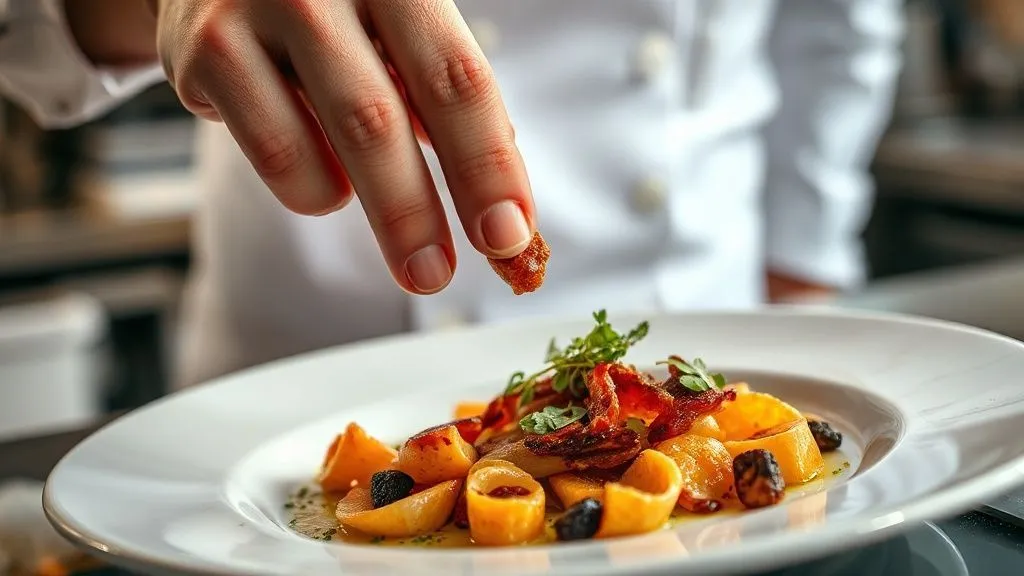
How to Substitute a Critical Allergen in a Gourmet Dish Last Minute?
For over two decades in the high-stakes world of gourmet kitchens, I've faced countless unexpected challenges. But few situations demand such immediate precision and unwavering confidence as a last-minute critical allergen discovery. I recall a bustling Saturday night service where a VIP guest, whose dietary notes had somehow been overlooked, revealed a severe nut allergy just as their intricate amuse-bouche, featuring toasted pistachios, was about to leave the pass. The kitchen froze.
This isn't just about swapping out an ingredient; it's about safeguarding health, maintaining culinary integrity, and preserving the guest's trust. The pressure intensifies when you're dealing with a meticulously crafted gourmet dish, where every component plays a crucial role in flavor, texture, and presentation. The margin for error is non-existent, and the consequences of a mistake can be severe.
In this guide, I'll walk you through a systematic, expert-driven approach to navigate these high-pressure scenarios. You'll learn not just what to substitute, but how to think like a seasoned chef under duress, armed with actionable frameworks, real-world strategies, and a safety-first mindset that will enable you to substitute a critical allergen in a gourmet dish last minute with both confidence and culinary finesse.
Understanding the Stakes: Why Allergen Substitution is Not Just 'Swapping'
When a guest informs you of an allergy, it's a call to action far more profound than simply finding an alternative. It's a commitment to their safety and an affirmation of your professionalism. In a gourmet setting, where dishes are often complex and ingredients intertwined, this commitment becomes a delicate dance of science and art.
The Big 9 Allergens and Their Culinary Impact
Globally, the most common critical allergens, often referred to as the 'Big 9' in many regions, include milk, eggs, peanuts, tree nuts (almonds, walnuts, pecans, cashews, pistachios, etc.), soy, wheat, fish, shellfish, and sesame. Each of these ingredients contributes unique properties to a dish beyond just flavor. Milk provides fat, emulsification, and browning. Eggs are binders, leaveners, and emulsifiers. Wheat offers structure and texture through gluten. Nuts bring rich flavor, crunch, and thickening capabilities.
Understanding these functional roles is paramount. A simple swap without considering the ingredient's contribution to the dish's overall architecture can lead to a culinary disaster, even if it's allergen-free. It's a fundamental principle of cooking basics that I've seen overlooked far too often in the heat of the moment.
"In allergen substitution, the enemy isn't the ingredient itself, but the ignorance of its functional role and the potential for cross-contamination." - Chef Antoine Dubois, Culinary Institute of Paris.
When you need to substitute a critical allergen in a gourmet dish last minute, you must consider:
- Safety First: Absolutely no trace of the allergen. This includes avoiding cross-contamination.
- Flavor Integrity: Does the substitute complement or mimic the original flavor profile?
- Texture and Mouthfeel: Will the dish retain its desired consistency, crunch, or creaminess?
- Structural Role: Is the substitute providing the necessary binding, leavening, or thickening?
- Appearance: Will the final presentation still be appealing and consistent with a gourmet standard?

The Emergency Protocol: Your First 5 Minutes Last Minute
When the call comes in – a critical allergen discovered just moments before service – panic is a luxury you cannot afford. As an experienced industry specialist, I can tell you that the first five minutes are crucial. They dictate the success or failure of your last-minute pivot.
- Step 1: Confirm the Allergen and Severity (Guest Communication): Immediately and discreetly confirm the specific allergen with the server or directly with the guest if appropriate. Understand the severity. Is it an intolerance, a mild allergy, or a life-threatening anaphylactic reaction? This directly impacts your risk assessment and the rigor of your substitution.
- Step 2: Isolate the Dish/Components: If the dish has already been prepared, immediately pull it from the line. Do not attempt to 'pick out' the allergen. Assume cross-contamination. If possible, identify which components contain the allergen and if they can be quickly remade separately.
- Step 3: Assess Available Ingredients: A quick mental inventory of your pantry and prep station is vital. What safe alternatives are immediately on hand? Are they prepped and ready to use, or do they require significant processing? This is where good mise en place truly shines.
- Step 4: Consult Your Culinary Knowledge Base (or Team): Draw upon your understanding of ingredient functions. If you're unsure, or if it's a particularly complex substitution, a quick huddle with a sous chef or another experienced cook can save precious time and prevent errors. Leverage your team's collective expertise.
- Step 5: Prioritize Safety Over Perfection: In a true emergency, safety trumps every other consideration. If a perfect gourmet replica isn't achievable without compromising safety, a simpler, safe, and delicious alternative is always the superior choice. Communicate this clearly to the front of house.
For comprehensive guidelines on food safety and allergen management, consulting official resources like those from the U.S. Food and Drug Administration (FDA) is always recommended.
Strategic Substitution Frameworks: Beyond the Obvious
Successfully navigating how to substitute a critical allergen in a gourmet dish last minute requires more than just knowing a list of alternatives. It demands a strategic framework, a way of thinking that allows you to deconstruct a dish and rebuild it safely and deliciously.
Function-First Substitution: Identify the Role
Every ingredient in a gourmet dish serves a purpose. Before you even think about what to swap, identify what the allergen *does* in the recipe. Is it a binder (like eggs in a custard)? An emulsifier (like egg yolks in mayonnaise)? A thickener (like wheat flour in a roux)? A tenderizer (like dairy in a marinade)? A leavening agent (like gluten in bread)? Or is its primary role flavor and texture (like nuts in a pesto)?
Once you understand the primary function, you can look for substitutes that perform that same function, rather than just tasting similar. This approach is far more reliable for maintaining the structural and textural integrity of a complex dish.
"True culinary genius isn't about following recipes, but understanding the 'why' behind each ingredient's interaction. This understanding is your lifeline in allergen emergencies." - Chef Julia Child.
Flavor Profile Matching: The Art of Mimicry
While function is critical, flavor cannot be ignored in a gourmet context. Sometimes, a direct flavor mimic isn't possible, but you can achieve a complementary profile. For instance, if nuts provide a rich, earthy note, toasted seeds (like sunflower or pumpkin) can offer a similar depth and crunch without the allergen. For dairy-free cream sauces, cashew cream or a rich vegetable stock reduction can often provide the desired richness and mouthfeel, even if the flavor isn't identical.
Think about the overall flavor balance. If the allergen contributes a prominent umami or savory note, consider ingredients like nutritional yeast or mushroom powders as substitutes. If it's a sweet, delicate flavor, perhaps fruit purees or specific extracts can step in. This subtle art of flavor orchestration is what elevates a safe dish to a truly gourmet experience.

Deep Dive: Common Critical Allergen Substitutions in Gourmet Contexts
Let's get specific. When you need to substitute a critical allergen in a gourmet dish last minute, having a mental toolkit of reliable swaps for common culprits is invaluable. Remember, the goal is always safety first, followed by culinary excellence.
Dairy (Milk, Cream, Butter)
Dairy provides richness, fat, moisture, and aids in browning. Substituting it requires careful consideration of its multifaceted role.
- For Milk/Cream: Unsweetened oat milk, almond milk, or cashew cream (blended soaked cashews with water) work well in sauces, soups, and desserts. Coconut milk can add richness but beware of its distinct flavor.
- For Butter: High-quality olive oil (for savory dishes), vegan butter alternatives, or coconut oil (for certain applications) can replace butter's fat and mouthfeel. For browning, a little sugar or a plant-based fat with a higher smoke point can help.
Case Study: How 'The Gilded Spoon' Mastered Dairy-Free Hollandaise
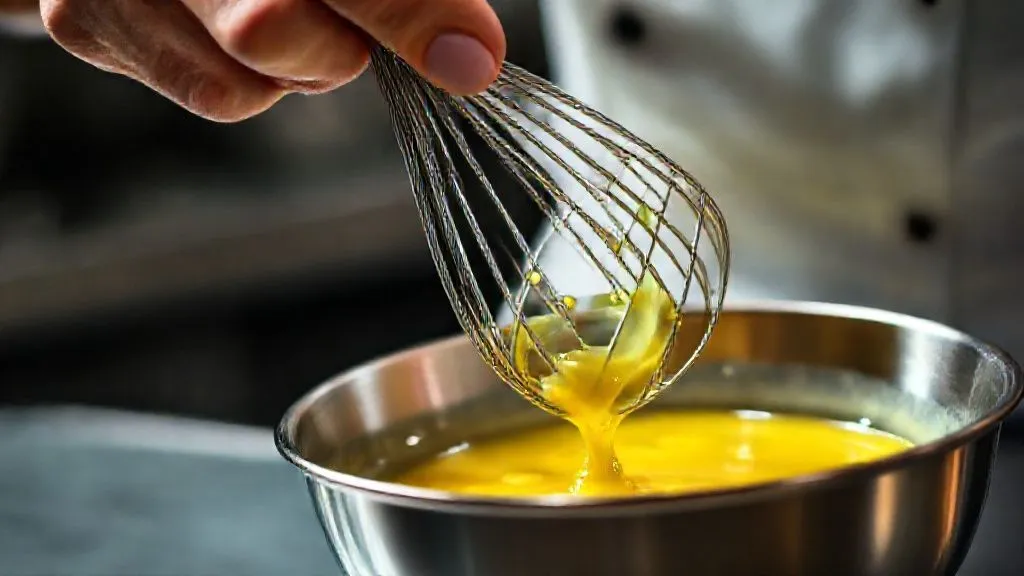
"The Gilded Spoon," a renowned fine-dining establishment, faced a recurring challenge with their signature Eggs Benedict when guests requested dairy-free options. Their classic Hollandaise, rich with butter, was a non-starter. By implementing a function-first approach, they developed a revolutionary dairy-free version. They replaced butter's fat and emulsifying properties with a blend of high-quality extra virgin olive oil and aquafaba (chickpea brine), which acts as a powerful emulsifier and aerator. A touch of nutritional yeast added a subtle cheesy, umami depth. The result was a surprisingly light, yet equally rich and stable Hollandaise that delighted even their most discerning guests, proving that you can substitute a critical allergen in a gourmet dish last minute without sacrificing quality.
Gluten (Wheat, Barley, Rye)
Gluten provides structure, elasticity, and unique texture, especially in baked goods and thickeners.
- For Flour (Thickening): Cornstarch, arrowroot powder, or tapioca starch are excellent gluten-free thickeners for sauces and gravies. Use half the amount of these as you would wheat flour.
- For Flour (Structure/Baking): This is trickier. A blend of gluten-free flours (almond, rice, tapioca, potato starch) is often needed to mimic wheat flour's properties. For binding, psyllium husk or xanthan gum (in very small amounts) can help.
Nuts (Peanuts, Tree Nuts)
Nuts contribute distinct flavor, crunch, and often act as thickeners or emulsifiers in sauces and pestos.
- For Flavor/Crunch: Toasted seeds like sunflower, pumpkin, or even toasted buckwheat groats can offer a similar earthy, nutty flavor and satisfying crunch.
- For Thickening/Creaminess: Sunflower seed butter, tahini (sesame paste, ensure no sesame allergy), or pureed roasted chickpeas can provide body and richness.
Eggs
Eggs are versatile – binders, leaveners, emulsifiers, and moisture providers.
- For Binding: Flax 'eggs' (1 tbsp ground flaxseed + 3 tbsp water, let sit), chia 'eggs', or mashed banana (flavor consideration) can work.
- For Leavening: A mix of baking soda and vinegar can provide lift. Aquafaba, whipped stiff, can mimic egg whites for meringues or mousses.
- For Emulsification: Aquafaba, silken tofu, or commercial egg replacers are options.
Soy
Soy often appears in sauces (soy sauce), tofu (protein, texture), and as a hidden ingredient in many processed foods.
- For Soy Sauce: Coconut aminos or gluten-free tamari (if gluten is the primary concern, not soy) are excellent alternatives, offering a similar umami depth.
- For Tofu: For texture, firm eggplant or large portobello mushrooms can sometimes substitute, depending on the dish.
For more detailed information on specific allergen substitutes, a resource like the Food Allergy Research & Education (FARE) website offers extensive guidance.
Mastering Texture and Mouthfeel in Allergen-Free Dishes
In gourmet cooking, flavor is only half the battle. Texture and mouthfeel are equally critical for a truly satisfying experience. When you need to substitute a critical allergen in a gourmet dish last minute, maintaining these sensory qualities can be the trickiest part.
- Thickeners for Body: When flour or dairy is removed, a sauce can become thin. Use precise amounts of cornstarch, arrowroot, or tapioca starch slurries. For a richer, more viscous feel without gluten, consider carefully reducing stocks or using vegetable purées (like white bean or cauliflower) to add body. Hydrocolloids like xanthan gum or guar gum can provide viscosity and stability, but must be used sparingly (often just a pinch per liter) to avoid a gummy texture.
- Fats for Richness: Dairy and nuts contribute significant fat and a luxurious mouthfeel. Replace these with high-quality, neutral-flavored oils like avocado oil, grapeseed oil, or a good extra virgin olive oil. For dishes needing a solid fat, vegan butter alternatives or refined coconut oil (which has less coconut flavor) can be excellent.
- Emulsifiers for Smoothness: Eggs and dairy are powerful emulsifiers. When removed, your sauces might break. Aquafaba (whipped chickpea brine) is a revelation for replacing egg white properties, while lecithin (from sunflower) can aid in stable emulsions. Silken tofu, when blended, can also provide a creamy, emulsified texture for sauces and dressings.
- Aeration for Lightness: For dishes where eggs or gluten contribute to a light, airy texture, consider whipping aquafaba, using a siphon, or carefully folding ingredients to incorporate air.
| Thickener | Properties | Best Use |
|---|---|---|
| Cornstarch | Clear, neutral flavor, good for sauces, needs heat | Fruit sauces, light gravies |
| Arrowroot Powder | Clear, neutral, good for cold/acidic liquids, heat sensitive | Dressings, fruit pies, delicate sauces |
| Tapioca Starch | Chewy, glossy, good for frozen items, neutral flavor | Puddings, pie fillings, gluten-free baking |
| Xanthan Gum | Powerful, stable, small amounts needed, can be gummy | Dressings, gravies, gluten-free baking (structure) |
Mastering these techniques allows you to not just substitute a critical allergen in a gourmet dish last minute, but to craft a dish that stands on its own merits, delivering a complete and satisfying sensory experience. For further exploration of culinary science, resources like Serious Eats' culinary guides often delve into the scientific aspects of ingredients and cooking.
The Art of Presentation and Communication: Selling the Substitute
Even if you've flawlessly managed to substitute a critical allergen in a gourmet dish last minute, your job isn't done. In a fine-dining setting, the guest experience is paramount, and how you present and communicate the modified dish is crucial to its reception.
Plate with Confidence
Never make the allergen-free dish look like an afterthought or a stripped-down version. Plate it with the same care, artistry, and attention to detail as the original. Use garnishes, sauces, and thoughtful arrangement to make it visually appealing and consistent with your restaurant's standards. The guest should feel privileged, not deprived. A beautifully presented dish communicates respect and care, reinforcing the perception of a gourmet experience.
Clear and Empathetic Communication
The front-of-house staff plays a vital role here. They must be clearly informed about the substitution and why it was made. When presenting the dish, a simple, confident statement is best: "Chef has prepared a special [Dish Name] for you, ensuring it is entirely free of [Allergen]. We've taken great care to maintain the integrity of the flavors and textures." This approach acknowledges the guest's needs, reassures them of their safety, and highlights the kitchen's dedication.
"Dining is an emotional experience. When an allergen is involved, that emotion is often anxiety. Our role is to transform that anxiety into trust and delight, both through our food and our words." - Renowned Restaurateur Danny Meyer.
Avoid making excuses or drawing attention to the 'missing' ingredient. Focus on the deliciousness of what *is* there. This builds immense trust and loyalty, turning a potential crisis into an opportunity to showcase exceptional service and culinary adaptability.
Preventing Future Last-Minute Scrambles: Proactive Kitchen Management
While mastering how to substitute a critical allergen in a gourmet dish last minute is a crucial skill, the ultimate goal is to minimize such emergencies. Proactive kitchen management is the bedrock of a safe and efficient culinary operation, especially concerning allergens.
Comprehensive Allergen Matrix
Every professional kitchen should maintain a detailed allergen matrix for every dish on the menu. This document clearly lists all major allergens present in each component of every dish. It's a living document, updated every time a recipe changes. This allows staff, from line cooks to servers, to quickly identify potential allergens and advise guests accurately. This is fundamental for managing dietary requirements efficiently.
| Dish Name | Dairy | Gluten | Nuts | Soy | Eggs | Fish | Shellfish | Sesame |
|---|---|---|---|---|---|---|---|---|
| Seared Scallops | No | No | No | No | No | Yes | Yes | No |
| Mushroom Risotto | Yes | No | No | No | No | No | No | No |
| Chocolate Torte | Yes | Yes | Yes | Yes | Yes | No | No | No |
Dedicated Prep Stations & Utensils
Cross-contamination is the silent killer in allergen management. Implement strict protocols: designated cutting boards, knives, and even prep areas for allergen-free dishes. Use separate fryers for gluten-free items, and ensure all surfaces are thoroughly cleaned and sanitized before preparing an allergen-free meal. Color-coded equipment can be a simple, effective visual aid.
Staff Training and Education
Regular, comprehensive training for all kitchen and front-of-house staff is non-negotiable. Everyone needs to understand the severity of allergies, the signs of an allergic reaction, and the established protocols for handling allergen requests. This isn't a one-time lecture; it's ongoing education, reinforcing best practices and updating knowledge as menus evolve.
By investing in these proactive measures, you transform your kitchen from reactive to preventative, significantly reducing the stress and risk associated with allergen management. For industry best practices in kitchen hygiene and allergen control, refer to guidelines from organizations like ServSafe.
Frequently Asked Questions (FAQ)
Q: What's the absolute fastest way to identify a safe substitute when I have no time? A: The fastest way is to rely on your understanding of an ingredient's core function (binder, emulsifier, thickener, flavor). For example, if an egg is purely a binder, a flax egg or a starch slurry is a quick go-to. If dairy is for richness, a high-quality oil or cashew cream base. Having a mental 'function-first' framework and knowing your pantry's safe staples is key. Always prioritize safety over perfect replication in extreme time crunch.
Q: How do I ensure cross-contamination doesn't occur in a busy kitchen? A: Strict protocols are essential. Designate separate, clean cutting boards and knives for allergen-free prep. Use fresh gloves. Clean and sanitize all surfaces thoroughly before beginning. Cook allergen-free dishes first or in a separate, clear area of the line. For severe allergies, consider using fresh, unopened packages of ingredients. Communication with the entire team is paramount.
Q: Can I really achieve the same 'gourmet' quality with allergen substitutes? A: While the exact sensory profile might differ, you absolutely can achieve a gourmet-level dish. The key is to understand the functional properties of the allergen and choose substitutes that replicate those functions effectively. Sometimes, the 'substitute' dish can even become a new signature item. It requires creativity, a deep understanding of ingredients, and a willingness to experiment, but the results can be truly exceptional.
Q: What if a guest has multiple severe allergies? A: This is the most challenging scenario. In such cases, simplification is often the safest and most practical approach. Work directly with the guest (via the server) to identify a few core, safe ingredients they can consume. Build a simple, elegant dish around those, focusing on pristine ingredients and precise technique. It's better to serve a perfectly executed, simple, safe dish than a complex, risky one. Transparency and honesty about limitations are crucial.
Q: Are there any universal 'danger' ingredients I should always be wary of for general allergy concerns? A: Beyond the Big 9, be cautious with ingredients that frequently contain hidden allergens. For example, many sauces, marinades, and processed foods can contain soy, wheat, or dairy. Always check labels. For nuts, be aware of shared equipment in suppliers. In a gourmet kitchen, always use high-quality, known-source ingredients to minimize hidden risks.
Key Takeaways and Final Thoughts
Mastering how to substitute a critical allergen in a gourmet dish last minute is a testament to a chef's skill, adaptability, and unwavering commitment to guest safety. It's a high-pressure situation that demands a blend of culinary expertise, quick thinking, and empathetic communication.
- Safety First, Always: Never compromise on the guest's health. Cross-contamination is as dangerous as the allergen itself.
- Understand Function, Not Just Flavor: Deconstruct the allergen's role in the dish – is it a binder, emulsifier, thickener, or flavor enhancer?
- Build a Toolkit of Reliable Swaps: Have go-to alternatives for common allergens like dairy, gluten, nuts, and eggs, understanding their unique properties.
- Proactive is Powerful: Implement robust allergen matrices, dedicated prep protocols, and continuous staff training to prevent emergencies.
- Communicate with Confidence: Present the allergen-free dish with pride and clarity, ensuring the guest feels valued and safe.
The ability to gracefully navigate such challenges not only saves a meal but elevates your reputation as a culinary professional. It transforms a moment of potential crisis into an opportunity to showcase your expertise, compassion, and dedication to every diner's experience. Keep learning, keep adapting, and always put safety and culinary excellence at the forefront of your craft.
Recommended Reading
- 9 Proven Ways to Slash Employee Turnover in Competitive Markets
- Easy Healthy Meal Prep Recipes for Weight Loss: Your Ultimate Guide
- 7 Playful Ways to Motivate Reluctant Kids to Love Healthy Cooking!
- Why is my professional pizza dough bland? 7 Flavor Fixes You Need Now
- Ethical Substitutes: 5 Steps for Rare Artisanal Ingredient Scarcity


0 Comentários: