 By
By 
Exploring the Evolving Cuisine Trends for 2026
The culinary world in 2026 is experiencing a vibrant shift, moving beyond fleeting fads to embrace deeper, more meaningful changes in how we eat and what we crave. Reports emerging in late 2025 and early 2026 highlight a significant focus on global flavors, innovative cooking techniques, and a renewed appreciation for quality ingredients. Understanding these key cuisine trends 2026 can help you navigate restaurant menus, inspire your home cooking, and broaden your gastronomic horizons.
Consumers today are more adventurous than ever, seeking authentic tastes and unique dining experiences that tell a story. This desire for discovery is shaping the future of food, pushing chefs and home cooks alike to explore new territories. If you're curious about what's next on the plate, this guide will walk you through the most impactful culinary movements defining this year.
This article will delve into the specific flavors, ingredients, and dining philosophies that are taking center stage in 2026, offering insights into how these trends are not just changing our plates but also reflecting a broader cultural shift towards conscious and experiential eating.
Global Palates and Unexpected Flavors
One of the most exciting aspects of the current culinary landscape is the continued exploration of global flavors, with a particular emphasis on regions previously underrepresented in mainstream Western dining. West African cuisine, with its rich stews, vibrant spices, and diverse grains, is gaining significant traction. Similarly, regional Indian cuisines, moving beyond the familiar butter chicken and tikka masala, are introducing diners to a spectrum of flavors from specific states and communities, showcasing unique spice blends and cooking methods.
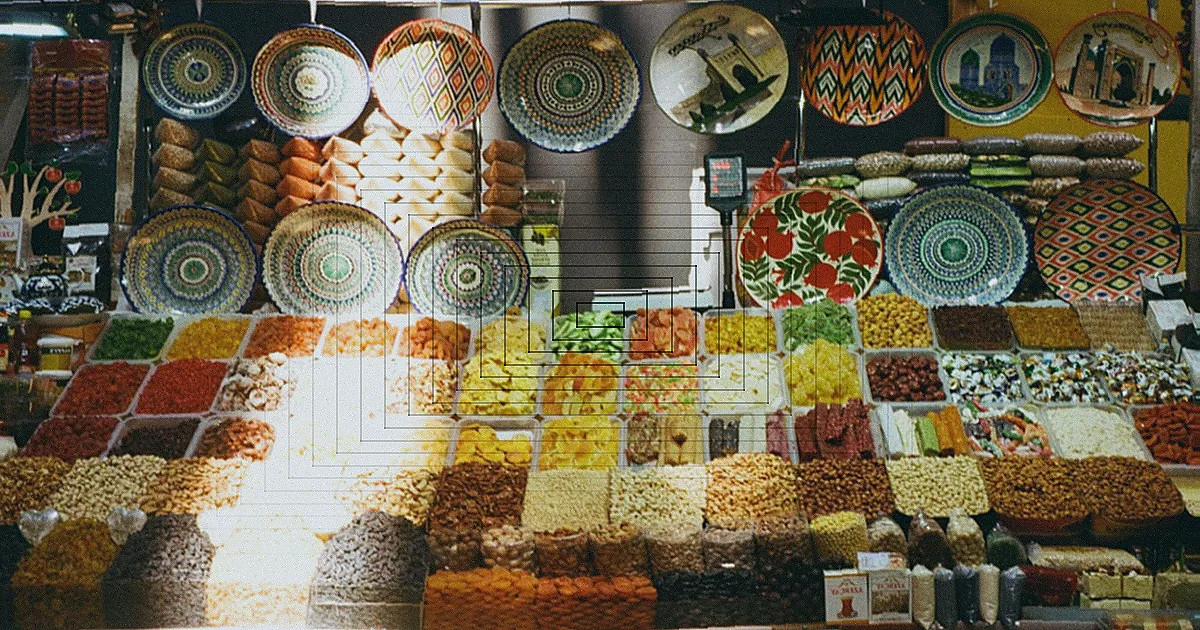
Fusion cuisine also continues to evolve, no longer just a simple blending of two cultures, but a sophisticated layering of influences that create entirely new taste experiences. This approach celebrates flavor complexity, moving towards smoky, tangy, and sweet-savory combinations rather than solely focusing on extreme heat. The subtle interplay of these elements creates a more nuanced and memorable dish.
The Rise of 'Swicy' Flavors
A particularly notable development within the cuisine trends 2026 is the growing momentum of "swicy" flavors. This innovative combination of sweet and spicy elements is appearing in unexpected places, from beverages to main courses. Imagine the intriguing kick of cola infused with chipotle, or the savory depth of maple paired with the fermented tang of kimchi. This trend isn't about overpowering the palate but rather creating a delightful push-pull sensation that keeps diners coming back for more.
These adventurous pairings are a testament to consumers' willingness to experiment and chefs' creativity in pushing boundaries. It highlights a desire for dishes that engage multiple senses and offer a playful twist on traditional flavor profiles. Exploring these new combinations can truly elevate your cooking and dining experiences this year.
Read also: Best sous vide 2026 — Want the Best Sous Vide for 2026? Here’s What Pros Use
Techniques Rooted in Tradition, Elevated for Today
Beyond new flavors, the current year also sees a strong return to traditional cooking methods, but with contemporary twists that enhance both taste and sustainability. Cooking over fire, whether through grilling, smoking, or open-flame roasting, is experiencing a renaissance. This method imparts a unique depth of flavor and texture that modern kitchens often struggle to replicate, connecting diners to a primal, authentic eating experience.

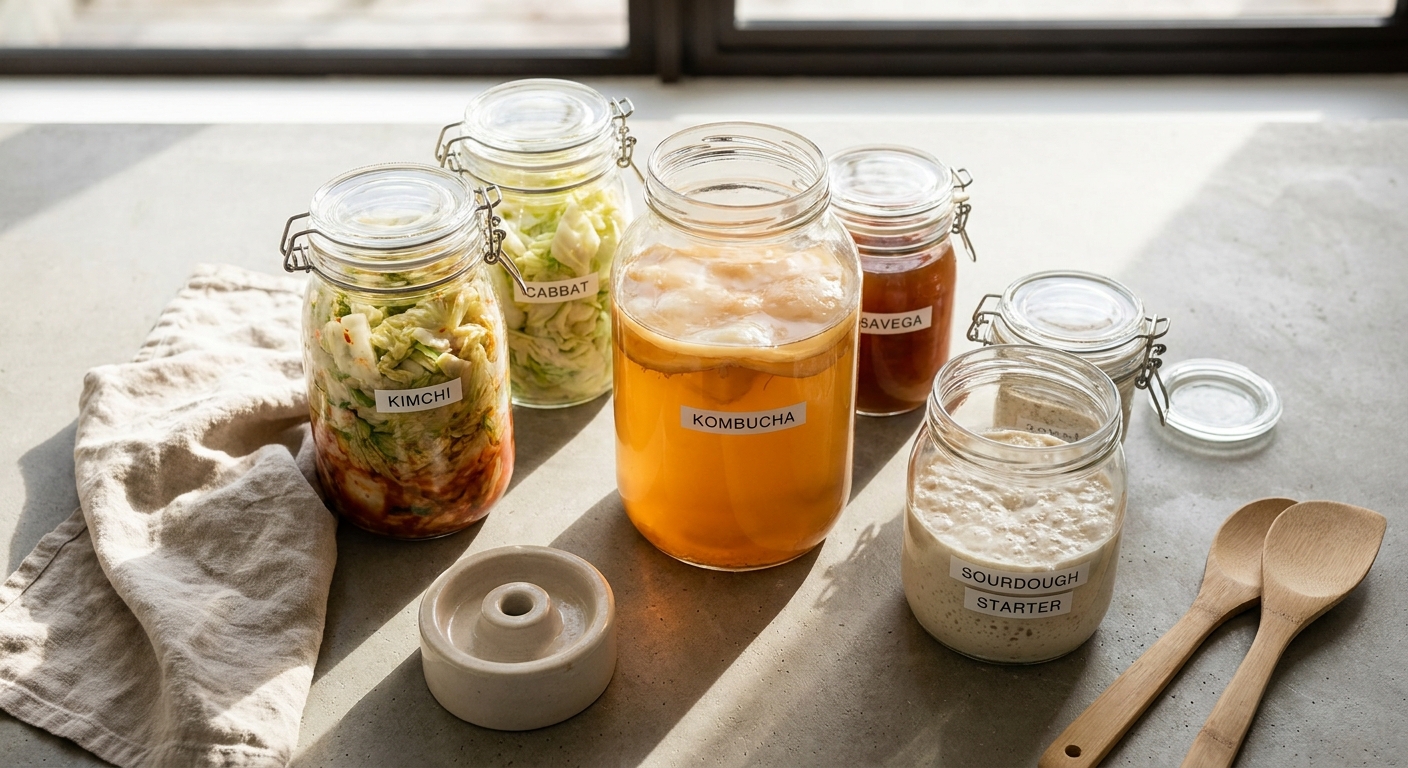
Fermentation is another age-old technique that continues to captivate, appreciated not only for its flavor-enhancing properties but also for its health benefits, particularly concerning gut health. From artisanal sourdough to homemade kimchi and kombucha, fermented foods are becoming staples in many diets. Chefs are experimenting with new ingredients and longer fermentation times to create complex, umami-rich flavors.
Important Tip: Don't be afraid to experiment with new spices and ingredients from global markets to truly embrace the evolving culinary landscape.
This return to traditional techniques, coupled with modern understanding and innovation, is a hallmark of the cuisine trends 2026. It represents a desire for food that is both wholesome and exciting, bridging the gap between historical practices and contemporary palates. You can learn more about traditional cooking methods and their modern applications by visiting Wikipedia's article on cooking.
Spotlight Ingredients and Functional Foods
The ingredients taking center stage in 2026 reflect a dual focus on unique flavor profiles and health benefits. Mushrooms, long appreciated for their earthy notes, are now being celebrated for their versatility and umami depth, appearing in everything from savory main courses to innovative coffee alternatives. Tea, traditionally a beverage, is being incorporated into cooking as a flavoring agent for broths, marinades, and even desserts, adding subtle aromatic complexities.
See also: Is Your Sous Vide Steak Missing That Perfect Sear?

Caviar, often associated with luxury, is finding new applications beyond traditional accompaniments, with chefs using it to add a pop of salinity and texture to a wider range of dishes. These ingredients are chosen for their ability to elevate a dish through distinct flavors and textures, contributing to the multi-sensory experiences consumers are increasingly seeking.
Beyond Basic – Fiber for Gut Health
Aligning with a broader wellness movement, there's a growing emphasis on functional foods and beverages that support mental and gut health. Fiber-rich produce, such as broccolini and various types of cabbage, is gaining prominence. These ingredients are not only nutritious but also versatile, offering a canvas for creative culinary applications.
Consumers are consciously seeking out foods that contribute to their overall well-being, leading to a demand for dishes that are both delicious and beneficial. This focus on functional ingredients is a core component of the cuisine trends 2026, reflecting a holistic approach to diet and health. For more on the health benefits of certain foods, consider exploring resources from USA.gov's health section.
Dining Experiences – From Nostalgia to "Quiet Luxury"
Beyond the plate, the way people want to experience food is also evolving. Multi-sensory dining experiences are highly sought after, where atmosphere, presentation, and even sound contribute to the overall enjoyment of a meal. This approach transforms dining into an immersive event, engaging all senses.
Nostalgia with a modern twist is another powerful draw. Diners are looking for comfort foods and classic dishes reimagined with contemporary techniques or elevated ingredients, offering a comforting yet exciting familiarity. This trend taps into a desire for connection to the past while embracing innovation.

On the other end of the spectrum is "quiet luxury" in dining, which prioritizes understated elegance, impeccable service, and high-quality, often locally sourced, ingredients over ostentatious displays. This approach emphasizes substance and craftsmanship, appealing to those who value refined simplicity and authenticity. It also ties into a notable shift towards animal protein, where consumers are prioritizing quality and provenance over highly processed plant-based alternatives, seeking ethically sourced and premium meats.
Check out: Quick One Pot Dinners: 7 Stress-Free Meals for Exhausted Chefs
| Trend Category | Key Elements |
|---|---|
| Global Flavors | West African, Regional Indian, Fusion |
| Cooking Techniques | Over Fire, Fermentation, Traditional Twists |
| Spotlight Ingredients | Mushrooms, Tea, Caviar |
| Health Focus | Fiber-rich Produce, Gut Health |
| Flavor Profile | Smoky, Tangy, Sweet-Savory, 'Swicy' |
| Dining Experience | Multi-sensory, Nostalgia, Quiet Luxury |
These diverse dining preferences highlight a sophisticated consumer base that values both innovation and authenticity. Whether it's the thrill of discovering a new "swicy" combination or the comforting familiarity of a re-imagined classic, the cuisine trends 2026 offer something for every palate. You can explore more about the concept of umami, a key component in complex flavors, at Wikipedia. For insights into the broader culinary landscape, this article on culinary art provides a good overview.
Frequently Asked Questions
What are the main cuisine trends 2026 focusing on? The main focuses are global and fusion flavors (especially West African and regional Indian), traditional cooking techniques like fire and fermentation, and spotlight ingredients such as mushrooms, tea, and caviar. There's also a strong emphasis on "swicy" flavors and functional foods for health.
Are functional foods still popular in the cuisine trends 2026? Yes, functional foods remain highly popular, with a growing emphasis on fiber-rich produce like broccolini and cabbage, aligning with consumer interest in gut and mental health.
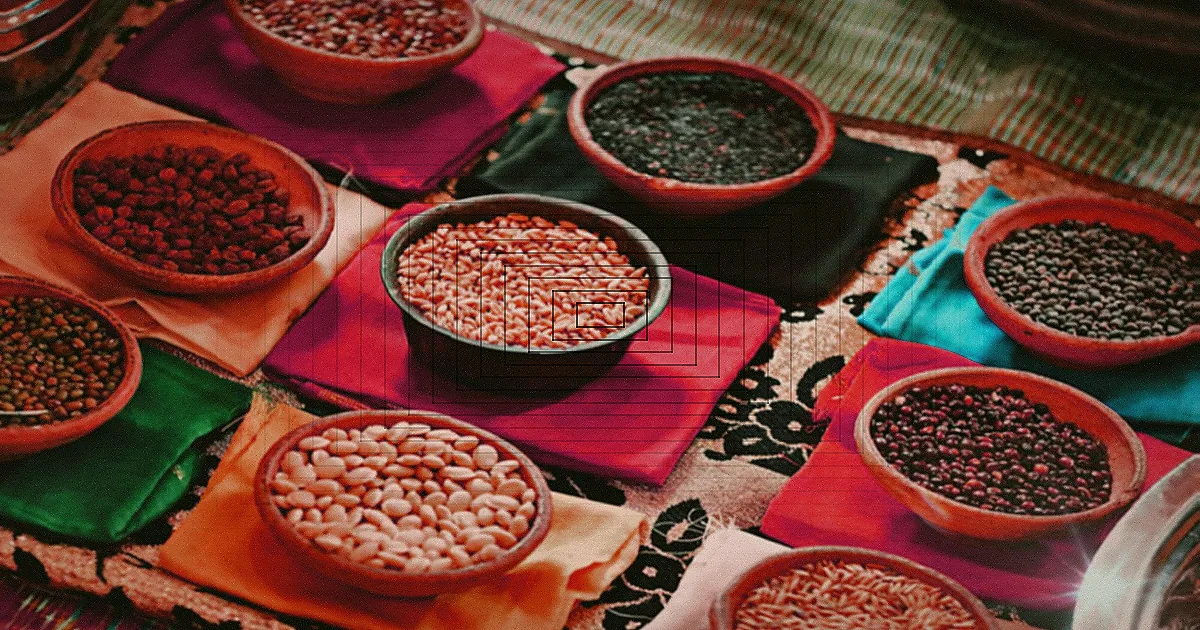
How can I incorporate the latest cuisine trends 2026 into my home cooking? Start by experimenting with new spices and ingredients from West African or regional Indian cuisines. Try incorporating fermented foods like kimchi or making your own sourdough. Don't shy away from "swicy" combinations, and consider cooking over an open flame for unique flavors. For ideas on fermentation, check out Wikipedia's article on food fermentation.
Conclusion
The cuisine trends 2026 paint a picture of a dynamic and exciting culinary future, one that celebrates diversity, tradition, and innovation in equal measure. From the vibrant spices of West Africa to the comforting allure of nostalgic dishes with a modern twist, the emphasis is on creating experiences that are both delicious and memorable. Consumers are seeking out authenticity, complex flavors, and meals that contribute to their well-being, pushing the boundaries of what's possible in the kitchen.
- Global Exploration: Embrace West African and regional Indian cuisines.
- Flavor Innovation: Experiment with "swicy" combinations and smoky, tangy notes.
- Traditional Techniques: Revisit cooking over fire and the art of fermentation.
- Ingredient Focus: Spotlight mushrooms, tea, caviar, and fiber-rich produce.
- Holistic Dining: Seek multi-sensory experiences, modern nostalgia, and quiet luxury.
For more content, visit the homepage of Cooking Melt.
Whether you're a seasoned foodie or just beginning your culinary journey, these trends offer a fantastic opportunity to explore new tastes, techniques, and dining philosophies. Step out of your comfort zone, embrace the rich tapestry of global flavors, and discover the exciting world of food that awaits in 2026.


0 Comentários: