 By
By 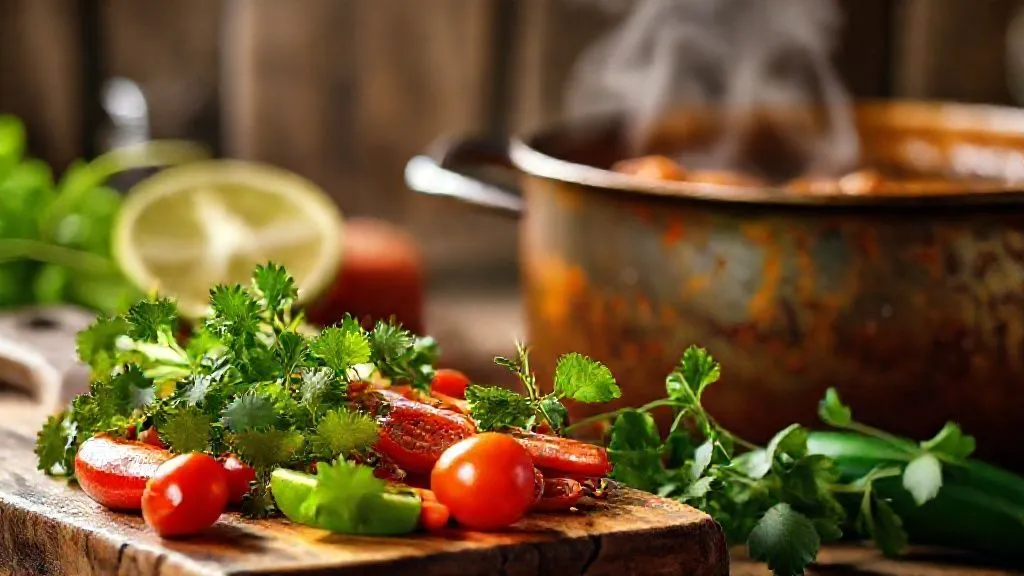
Preventing Flavor Loss in High-Volume Authentic Mexican Dishes: My Battle-Tested Strategies
For over two decades in the vibrant world of Mexican cuisine, I've had the immense privilege of working in kitchens ranging from bustling taquerias to high-end regional restaurants, all grappling with a universal challenge: how to scale authentic flavors without compromising their soul. I've witnessed firsthand the disheartening moment when a meticulously crafted salsa or a slow-cooked carnitas batch, initially bursting with character, loses its vibrancy when cooked for a crowd.
This isn't just a minor inconvenience; it's a critical flaw that can erode a restaurant's reputation, lead to unhappy customers, and ultimately impact the bottom line. The delicate balance of fresh herbs, toasted chiles, and slow-simmered sauces, so integral to true Mexican food, often succumbs to the pressures of high-volume production, resulting in dishes that are merely 'good' instead of gloriously authentic.
In this definitive guide, I'll share the frameworks, techniques, and insider insights I've honed over years of trial and error. We'll delve into actionable strategies for understanding and preserving the intricate flavor profiles that define authentic Mexican dishes, ensuring that every large batch you prepare is as compelling and delicious as its small-scale counterpart.
The Foundation: Understanding Flavor Volatility in Mexican Cuisine
Before we can prevent flavor loss, we must understand its nature. Certain flavor compounds, especially those found in fresh ingredients like cilantro, lime, and delicate chiles, are incredibly volatile. They are susceptible to degradation through heat, oxidation, and prolonged holding times.
Think of the bright, zesty aroma of freshly squeezed lime juice versus one that's been sitting out for hours – the difference is stark. The complex, nuanced notes of a freshly toasted and ground pasilla chile can turn flat and one-dimensional after extended simmering. This degradation isn't a mystery; it's a culinary science rooted in the chemical breakdown of these delicate compounds.
In my experience, many kitchens mistakenly treat all ingredients equally when scaling. However, understanding which elements are robust and which are fragile is the first step toward preserving the integrity of your high-volume authentic Mexican dishes.

Ingredient Sourcing & Pre-Preparation: The Unsung Heroes of Flavor Retention
The journey to preventing flavor loss begins long before cooking. The quality of your raw ingredients is paramount. In high-volume operations, it's tempting to opt for cheaper, lower-grade produce or pre-processed items to save on labor or cost. This is a false economy, as it immediately compromises the potential for deep, authentic flavor.
I always advocate for sourcing the best possible ingredients, ideally local and seasonal when available. A truly ripe, flavorful tomato requires less manipulation and delivers more impact than a pale, watery one. Similarly, using whole, dried chiles that you toast and grind yourself will always yield a more profound flavor than pre-ground powders, which often lose potency quickly.
Proper pre-preparation is equally crucial. This includes washing, drying, and storing herbs correctly to prevent wilting and oxidation, and preparing vegetables just before they are needed to retain their crispness and enzymatic vitality. Investing in quality from the outset pays dividends in the final flavor profile.
Case Study: How "El Sabor Grande" Maintained Freshness in Their Guacamole
El Sabor Grande, a popular Mexican restaurant known for its incredibly fresh guacamole, faced a dilemma when expanding to a second, higher-volume location. They initially tried pre-mashing avocados hours in advance, adding lime, and storing them, only to find the guacamole quickly browning and losing its vibrant, zesty punch. Customer complaints about 'bland' guacamole started to surface.
Working with their kitchen manager, I helped them implement a staggered preparation system. Instead of one large batch, they prepped avocados in smaller, manageable quantities every 2-3 hours. Crucially, they adopted a 'just-in-time' approach for their aromatics: finely diced onions, cilantro, and jalapeños were prepared and stored separately, only being folded into the mashed avocado *immediately* before serving. They also started using a vacuum sealer for their pre-mashed avocado base (without aromatics), significantly reducing oxidation. This simple shift, focusing on preserving the integrity of each component until the last possible moment, restored their guacamole's legendary freshness, reducing waste and boosting customer satisfaction by 20% within a month.
Mastering the Maillard Reaction and Caramelization in Bulk
The Maillard reaction and caramelization are the bedrock of deep, savory flavors in many Mexican dishes, from searing meats for carnitas to roasting vegetables for salsas. These reactions create complex compounds that form the backbone of your flavor profile. The challenge in high-volume cooking is achieving consistent, rich browning without overcrowding your pans, which leads to steaming rather than searing.
Overcrowding drops the pan's temperature, preventing the necessary dry heat for proper browning. This results in pale, less flavorful ingredients. I've found that patience and proper equipment are key here. Using larger, heavier-bottomed pans or griddles, and working in smaller batches if necessary, ensures that each piece gets the direct heat it needs.
Don't rush this step. It's foundational. A well-browned piece of meat or a properly roasted vegetable will infuse your entire dish with a depth of flavor that simply cannot be replicated by shortcuts.
- Preheat Thoroughly: Ensure your cooking surface (pan, griddle, comal) is screaming hot before adding ingredients.
- Don't Overcrowd: Work in batches. Give meats and vegetables enough space to breathe and make direct contact with the hot surface.
- Use Proper Fat: A high smoke point oil (like grapeseed or avocado oil) is essential for achieving good browning without burning.
- Resist the Urge to Stir: Allow ingredients to sit undisturbed for several minutes to develop a crust before flipping.
- Deglaze Strategically: After searing, deglaze the pan with broth or stock to capture all those flavorful browned bits (fond) and incorporate them into your sauce base.

Strategic Layering: Building Flavor That Endures
One of the most powerful techniques for preventing flavor loss in high-volume authentic Mexican dishes is strategic layering. This means introducing different flavor components at various stages of the cooking process. Think of it like building a symphony: you have your bass notes, your mid-range harmonies, and your bright, high-note flourishes.
Base flavors, like sautéed onions, garlic, roasted chiles, and long-simmered broths, should be introduced early and cooked thoroughly to develop depth. These are the flavors that can withstand prolonged cooking and form the backbone of your dish.
Mid-range flavors, such as certain spices, tomatoes, or braised meats, are added in the middle, allowing them to meld and mature. Finally, the delicate, fresh 'top notes' – fresh herbs, citrus juice, specific finishing spices, or a vibrant salsa cruda – are added at the very end, often just before serving. These are the elements that provide brightness, acidity, and aromatic pop, and they are the most susceptible to degradation.
"The secret to enduring flavor in large batches isn't just about what you add, but *when* you add it. Preserve the fresh, vibrant notes by introducing them as late as possible."
Temperature Control & Holding: The Silent Flavor Killers
Prolonged exposure to high temperatures is a major culprit in flavor degradation. While holding food at safe temperatures is non-negotiable for food safety, maintaining it at those temperatures for too long can mute delicate flavors, overcook textures, and even lead to a 'stewed' taste.
The goal is to minimize the time food spends in the 'danger zone' for bacteria growth but also to minimize the time it spends at holding temperatures that continue to cook and break down flavors. Rapid cooling techniques, such as ice baths or shallow pans in a walk-in cooler, are essential for bringing cooked food down to safe refrigeration temperatures quickly. When reheating, do so rapidly and to the minimum safe temperature, ideally in smaller batches, to maintain quality.
According to the FDA's Food Code guidelines, hot foods should be held at 135°F (57°C) or above. While this is critical for safety, continuous holding at this temperature can still impact flavor. Consider holding components separately and combining/finishing just before service where possible.
| Holding Method | Impact on Flavor | Best Use Case |
|---|---|---|
| Steam Table (Wet Heat) | Can lead to overcooking, loss of fresh notes, 'stewed' flavor over time. | Short-term holding for robust stews, beans. Not ideal for delicate sauces or fresh garnishes. |
| Dry Heat Warmer (e.g., Alto-Shaam) | Better moisture retention than steam, less flavor degradation than direct steam. | Meats (like carnitas, barbacoa) where moisture is key but crispness isn't. |
| Rapid Chill & Reheat | Minimizes degradation, preserves fresh flavor profiles most effectively. | Salsas, rice, beans, pre-cooked meats. Allows for 'finish to order' quality. |
| Insulated Cambro/Hot Box | Good for short transport/holding, less active cooking than other methods. | Prepared dishes for immediate serving, short catering holding. |
The Power of Acid and Freshness Post-Cook
Once a dish has been cooked and held, its flavors can often feel a bit muted or flat. This is where the strategic application of acid and fresh elements comes into play. A squeeze of fresh lime juice, a sprinkle of minced cilantro, or a dash of high-quality vinegar can awaken and brighten an entire dish, making it taste freshly prepared.
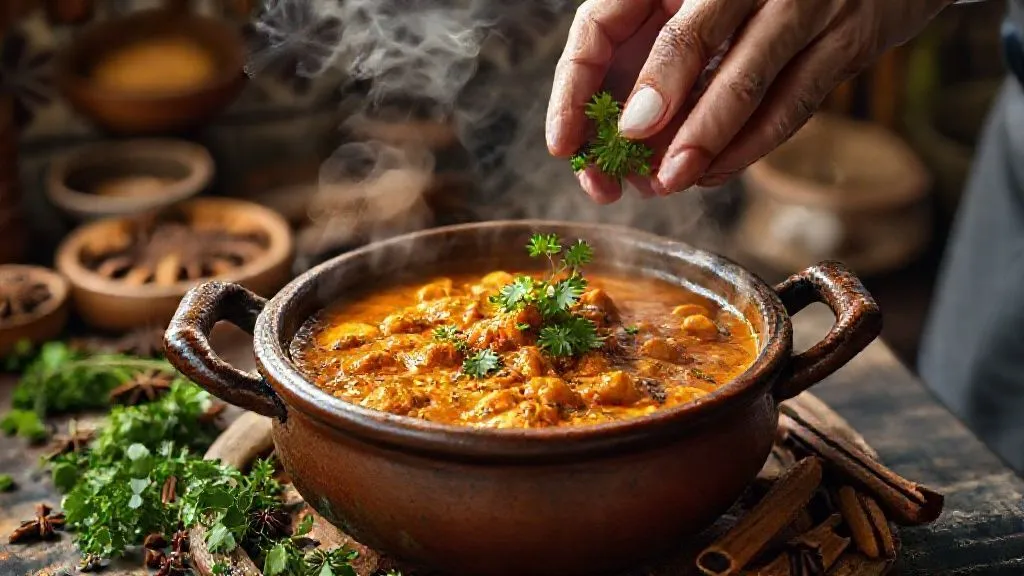
I always keep these 'finishing' elements separate until the very last moment. For example, in a large batch of cochinita pibil, the slow-cooked pork will have deep, rich flavors, but it truly sings when a generous amount of fresh pickled red onion and a splash of its acidic brine are added just before serving. These elements don't just add flavor; they provide contrast and balance, cutting through richness and invigorating the palate.
Garnishes, often seen as mere decoration, are actually crucial flavor contributors in Mexican cuisine. Don't underestimate the power of a fresh sprig of cilantro, a crumble of cotija cheese, or a drizzle of crema – they all add layers of flavor and texture that complete the dish.

Spice Management: Roasting, Grinding, and Infusion for Lasting Impact
Spices are the heart and soul of many Mexican dishes, and their proper handling is critical for preventing flavor loss in high-volume authentic Mexican dishes. Pre-ground spices, while convenient, lose their volatile aromatic compounds rapidly once exposed to air. For truly authentic and lasting flavor, I insist on using whole spices and preparing them fresh.
Toasting whole spices (like cumin seeds, coriander seeds, or dried chiles) in a dry pan until fragrant before grinding them releases their essential oils and deepens their flavor profile. This step is non-negotiable for moles, adobos, and robust salsas. Grind them just before use, or in small batches that will be consumed quickly, using a spice grinder or molcajete.
Infusion is another powerful technique. Instead of simply adding ground spices to a large pot, consider blooming them in hot oil at the beginning of your cooking process. This extracts their fat-soluble flavors and disperses them evenly throughout the dish. For delicate spices, infusing them into a warm liquid (like broth) and adding that liquid later can provide a gentler, more controlled flavor release.
- Source Whole Spices: Always opt for whole spices over pre-ground whenever possible.
- Toast Before Grinding: Gently toast whole spices in a dry pan until aromatic to enhance their flavor.
- Grind Fresh: Grind toasted spices just before adding them to your dish, or in small batches for immediate use.
- Bloom in Fat: For deep, rich flavors, bloom ground spices in a small amount of hot oil or lard at the beginning of your cooking process.
- Infuse in Liquid: For more delicate spice notes, consider infusing them into warm broth or stock before incorporating into your larger batch.
As culinary science expert Harold McGee often emphasizes in his seminal work, On Food and Cooking, the careful handling and preparation of spices directly correlates to their aromatic impact and longevity in a dish. Ignoring these steps is a direct path to blandness.
Quality Control & Tasting Protocols for Large Batches
Even with the best techniques, taste can vary in high-volume production. This is why rigorous quality control and a consistent tasting protocol are absolutely essential. It's not enough to taste the first batch; you must taste throughout the production cycle and, crucially, just before service.
Establish a clear tasting protocol: who tastes, when they taste, and what they are looking for. Train your team to identify common flavor deficiencies (lack of salt, acidity, spice, or overall balance). I recommend using a standardized checklist for each dish, focusing on specific flavor attributes like 'brightness,' 'depth,' 'heat level,' and 'freshness.'
Don't be afraid to make minor adjustments at the end. A final splash of lime, a pinch of salt, or a fresh herb addition can elevate a large batch from good to outstanding. This final 'seasoning to taste' is often the difference between a mass-produced feel and a handcrafted experience.
| Attribute | Check | Adjustment |
|---|---|---|
| Salt Level | Is it balanced? Does it enhance other flavors? | Add fine sea salt gradually, taste after each addition. |
| Acidity/Brightness | Does it feel lively? Is there a dullness? | Add fresh lime juice, orange juice, or a mild vinegar. |
| Heat Level | Is the spice appropriate for the dish? | Add fresh chile (e.g., serrano, jalapeño) or a dash of hot sauce if under. If over, balance with dairy or fat. |
| Herbaceousness | Are fresh herb notes present and vibrant? | Stir in fresh, chopped cilantro, epazote, or parsley just before serving. |
| Overall Balance | Do all flavors harmonize? Is anything overpowering? | Adjust other attributes as needed, or consider adding a touch of sweetness (e.g., agave, orange juice) to round out. |
According to a study published in the Journal of Food Quality and Preference, consistent sensory evaluation is a critical factor in maintaining product consistency and consumer satisfaction in food production, emphasizing that objective measurement alone cannot replace human taste perception.
Frequently Asked Questions (FAQ)
How do I prevent cilantro from wilting and losing flavor in large batches of salsa or guac? The key is to add cilantro as late as possible. For salsas, blend cooked ingredients, then fold in fresh, chopped cilantro just before serving or packaging. For guacamole, add it right before service. Store cilantro as whole bunches in a glass of water, covered loosely with a plastic bag, in the refrigerator to maximize freshness. Avoid chopping it too far in advance, as the delicate oils oxidize quickly.
What's the best way to store large quantities of prepared salsa to maintain its fresh taste? For cooked salsas, cool them rapidly after cooking and store in airtight containers in the refrigerator. For fresh salsas (salsa fresca, pico de gallo), the challenge is greater. I recommend preparing the base (tomatoes, onions) and holding the delicate herbs (cilantro) and lime juice separately, adding them in batches as needed. If storing a fully prepared fresh salsa, ensure it's in an airtight container with minimal air exposure, and consume within 24-48 hours for optimal flavor. A thin layer of olive oil on top can also help reduce oxidation.
Can I pre-cook meats for Mexican dishes days in advance without flavor loss, like carnitas or barbacoa? Yes, absolutely. In fact, many slow-cooked Mexican meats benefit from resting overnight, as flavors deepen and textures improve. The key is proper cooling and reheating. After cooking, cool the meat rapidly in its braising liquid (e.g., in an ice bath) and refrigerate. When reheating, do so gently and slowly, preferably in its own liquid, to prevent drying out and maintain moisture and flavor. Shredding or pulling the meat can often be done after cooling, making reheating more efficient.
How do I ensure my moles maintain their complex flavor after reheating, especially in a high-volume setting? Moles are complex and can lose some aromatic top notes upon reheating. To counteract this, always taste and adjust the seasoning after reheating. Consider having a 'finishing blend' of freshly toasted and ground spices, or a small amount of fresh chocolate or dried chiles rehydrated and blended, that you can stir into the mole just before serving. A touch of fresh stock or even a little fruit juice can also brighten it up. Avoid prolonged simmering after the initial cook, as this can 'cook out' delicate spice notes.
What are common mistakes in high-volume Mexican cooking that lead to blandness, and how can they be avoided? The most common mistakes are overcrowding pans during searing (leading to steaming, not browning), adding all ingredients at once without considering flavor volatility, inadequate seasoning (especially salt and acid), using stale or pre-ground spices, and prolonged hot holding. Avoid these by batch cooking, strategic layering, tasting frequently, using fresh spices, and implementing rapid cooling/reheating protocols. Remember, the 'soul' of Mexican food lies in its vibrant, fresh flavors, even at scale.
Key Takeaways and Final Thoughts
- Prioritize Quality: Start with the best ingredients; they are the foundation of authentic flavor.
- Master Initial Browning: Don't skimp on the Maillard reaction; it builds deep, lasting flavor.
- Layer Flavors Strategically: Add robust flavors early, delicate ones late to preserve their integrity.
- Control Temperature: Rapid cooling and gentle reheating are crucial for flavor retention.
- Embrace Fresh Finishers: Utilize acid, fresh herbs, and garnishes to brighten and balance dishes just before serving.
- Manage Spices Wisely: Toast and grind whole spices fresh for maximum impact and longevity.
- Implement Tasting Protocols: Consistent quality control and adjustment are non-negotiable for large batches.
Preventing flavor loss in high-volume authentic Mexican dishes is not a simple task, but it is entirely achievable with careful planning, attention to detail, and a deep respect for the ingredients and techniques. By implementing these battle-tested strategies, you're not just cooking food; you're preserving a culinary heritage and ensuring that every guest experiences the true, vibrant soul of Mexican cuisine, no matter the scale. Keep experimenting, keep tasting, and keep that passion for authentic flavor burning brightly!
Recommended Reading
- Why is Your Focaccia Dense? 7 Fixes for Light & Airy Perfection!
- Unveiling the Secret: Master Authentic Japanese Ramen Broth Today!
- 5-Minute Mornings: Quick-Prep Breakfasts for Busy Professionals
- Thai Kitchen Crisis: 7 Smart Swaps When Key Ingredients Vanish
- 5 Proven Steps: Stop Delicate Fish Sticking on Commercial Grills
0 Comentários: