 By
By 
Achieving Your Goals with Healthy-Eating 2026
As of May 2026, the pursuit of optimal well-being remains a top priority for many. The landscape of nutrition and wellness is constantly evolving, yet the core principles of effective healthy-eating 2026 remain accessible and achievable for everyone. This year, more than ever, individuals are seeking practical, sustainable approaches to nourish their bodies and minds. This article will guide you through the essential components of a successful healthy eating plan for 2026, focusing on actionable steps and evidence-based strategies.
Are you struggling to find a healthy eating plan that truly works for you in 2026? Many people find themselves overwhelmed by conflicting advice or unable to maintain dietary changes long-term. This leads to frustration and a feeling of being stuck. This guide aims to cut through the noise, providing clear, actionable advice to help you build lasting healthy eating habits.
We will explore how to create a personalized approach to nutrition, understand macronutrient and micronutrient needs, develop effective meal planning strategies, and overcome common obstacles. By the end of this article, you will have a comprehensive understanding of how to implement healthy-eating 2026 principles to support your overall health and vitality.
Understanding the Foundations of Healthy Eating
At its core, healthy-eating 2026 is about providing your body with the nutrients it needs to function optimally. This involves a balanced intake of macronutrients (proteins, carbohydrates, and fats) and micronutrients (vitamins and minerals). It's not about restrictive dieting, but rather about making informed food choices that support energy, mood, and long-term health.
The focus in 2026 is on whole, unprocessed foods. This includes a variety of fruits, vegetables, lean proteins, whole grains, and healthy fats. These foods are packed with essential vitamins, minerals, and fiber, which are crucial for everything from immune function to digestive health. For instance, incorporating a diverse range of colorful vegetables ensures you're getting a broad spectrum of antioxidants and phytonutrients. According to the U.S. government, understanding basic nutritional guidelines is the first step toward improved health outcomes.
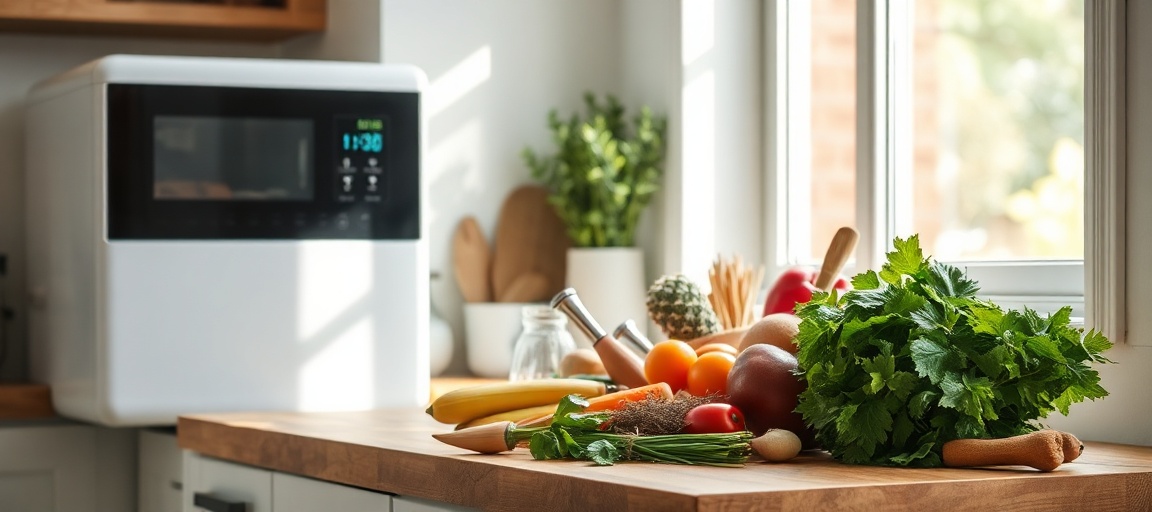
A balanced diet also considers the quality of your food. Choosing organic when possible, sourcing locally, and understanding where your food comes from can contribute to a healthier lifestyle. While the exact definition of 'healthy' can vary based on individual needs and goals, the emphasis remains on nutrient density and minimizing intake of processed foods high in added sugars, unhealthy fats, and sodium.
Creating Your Personalized Healthy-Eating 2026 Plan
One of the most effective approaches to healthy-eating 2026 is personalization. What works for one person may not work for another, due to genetics, lifestyle, activity levels, and personal preferences. Developing a plan tailored to your unique needs is key to long-term success.
Start by assessing your current eating habits. Keep a food journal for a week to identify patterns, triggers for unhealthy choices, and areas for improvement. This self-awareness is the first step toward making conscious changes. Consider your daily schedule: when do you typically eat? Are there opportunities to prepare meals in advance? Understanding your routine helps in building a realistic plan.
Next, set specific, measurable, achievable, relevant, and time-bound (SMART) goals. Instead of a vague goal like 'eat healthier,' try 'incorporate one extra serving of vegetables into my lunch each day for the next month.' This makes your goal tangible and easier to track. Remember that consistent small changes often lead to more significant, lasting results than drastic overhauls.
Read also: Mastering Baking-Pastry 2026 Will Transform Your Kitchen Skills

Macronutrient Balance
Understanding the role of macronutrients is fundamental. Proteins are essential for muscle repair and growth, carbohydrates provide energy, and fats are vital for hormone production and nutrient absorption. Aim for a balanced intake, adjusting ratios based on your activity level and health goals. For example, individuals with higher activity levels may require more carbohydrates for energy.
Micronutrient Focus
Vitamins and minerals, though needed in smaller amounts, are critical for countless bodily functions. Ensuring a diet rich in fruits, vegetables, and whole grains helps meet these needs. Pay attention to key nutrients like Vitamin D, Calcium, Iron, and Magnesium, which are common areas of deficiency for many. Consulting a healthcare professional or registered dietitian can help identify potential deficiencies and tailor recommendations.
Practical Strategies for Meal Planning and Preparation
Meal planning and preparation are cornerstones of successful healthy-eating 2026. Taking the time to plan your meals and snacks can prevent impulsive, less healthy choices when hunger strikes.
Weekly Meal Planning:
- Schedule Time: Dedicate 30-60 minutes each week (e.g., Sunday afternoon) to plan your meals for the upcoming days.
- Create a Grocery List: Based on your meal plan, create a detailed grocery list to avoid impulse buys and ensure you have all necessary ingredients.
- Theme Nights: Consider theme nights (e.g., Meatless Monday, Taco Tuesday) to simplify planning and add variety.
- Batch Cooking: Prepare larger quantities of staple foods like grains, roasted vegetables, or grilled chicken on the weekend to use in various meals throughout the week.
Smart Snacking:
- Keep Healthy Options Accessible: Stock your pantry and fridge with fruits, nuts, seeds, yogurt, and vegetable sticks for quick, nutritious snacks.
- Portion Control: Pre-portion snacks into small containers or bags to avoid overeating.
- Hydration: Sometimes thirst can be mistaken for hunger. Ensure you are drinking enough water throughout the day.
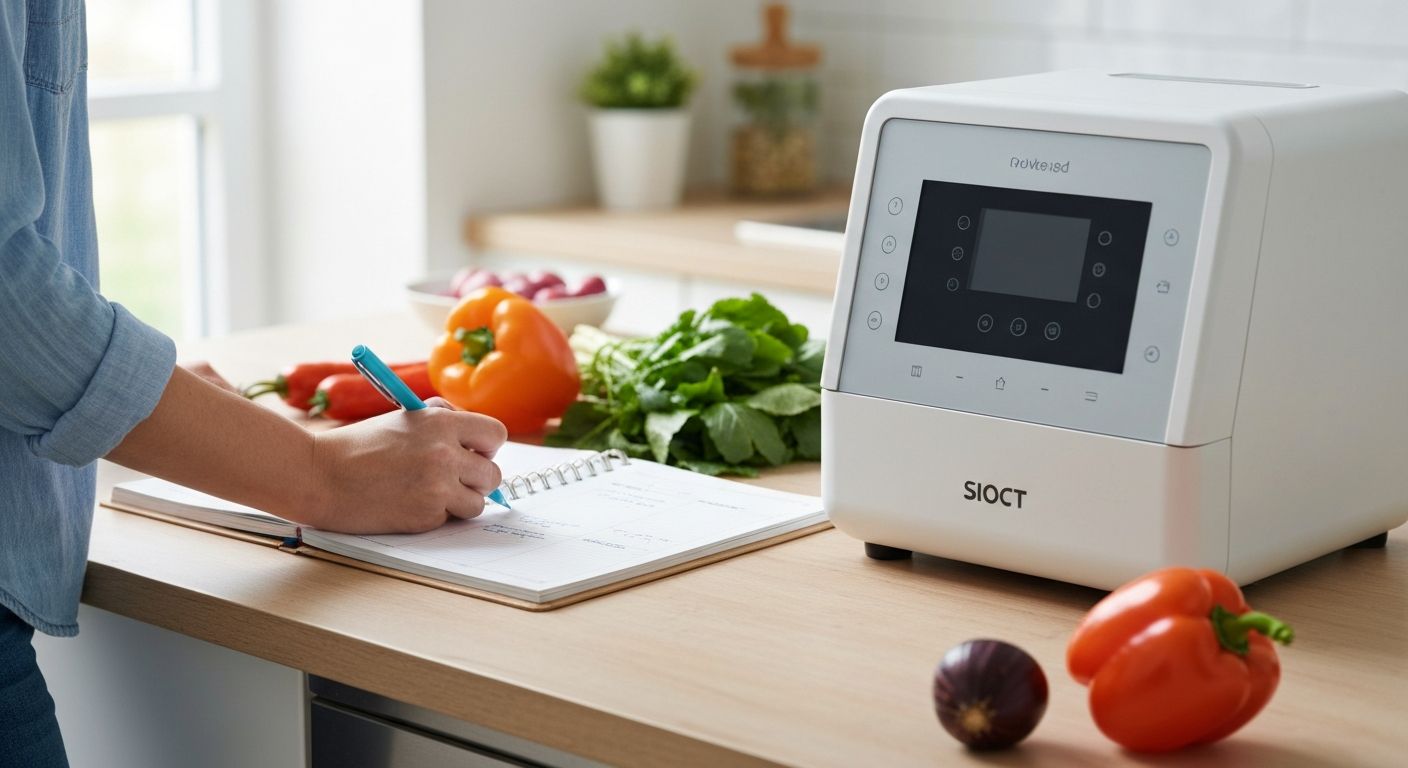
Healthy Cooking Techniques: Opt for healthier cooking methods like baking, grilling, steaming, or stir-frying instead of deep-frying. Use herbs, spices, lemon juice, and vinegar for flavor instead of excessive salt or heavy sauces. Learning a few versatile recipes can make a significant difference.
Navigating Dietary Trends and Considerations in 2026
The year 2026 sees a continued interest in various dietary approaches, each with its own set of benefits and considerations. Understanding these trends can help you make informed choices that align with your personal health goals and preferences as part of your healthy-eating 2026 journey.
See also: Unlock 3 Secrets of Brewing Automation to Make Better Beer at Home
Plant-Based Eating: This approach emphasizes foods derived from plants, including fruits, vegetables, grains, nuts, and seeds. It can range from flexitarian (mostly plant-based with occasional meat) to vegetarian and vegan. Plant-based diets are often rich in fiber, vitamins, and antioxidants, and linked to numerous health benefits, including a reduced risk of heart disease and type 2 diabetes. For more information on plant-based diets, you can explore resources on Wikipedia.
Mindful Eating: This practice involves paying full attention to the experience of eating and drinking, as well as to the sensations of hunger and fullness. It encourages a non-judgmental awareness of your food choices and eating habits. Mindful eating can help improve digestion, reduce overeating, and foster a healthier relationship with food.
Gut Health Focus: There's a growing understanding of the importance of the gut microbiome for overall health. Diets rich in fiber, fermented foods (like yogurt and kimchi), and prebiotics (found in foods like garlic, onions, and bananas) can support a healthy gut environment. This is increasingly recognized as a key component of healthy-eating 2026.
Overcoming Common Challenges
Implementing and maintaining healthy eating habits can present challenges. Recognizing these obstacles and developing strategies to overcome them is crucial for sustained success in healthy-eating 2026.
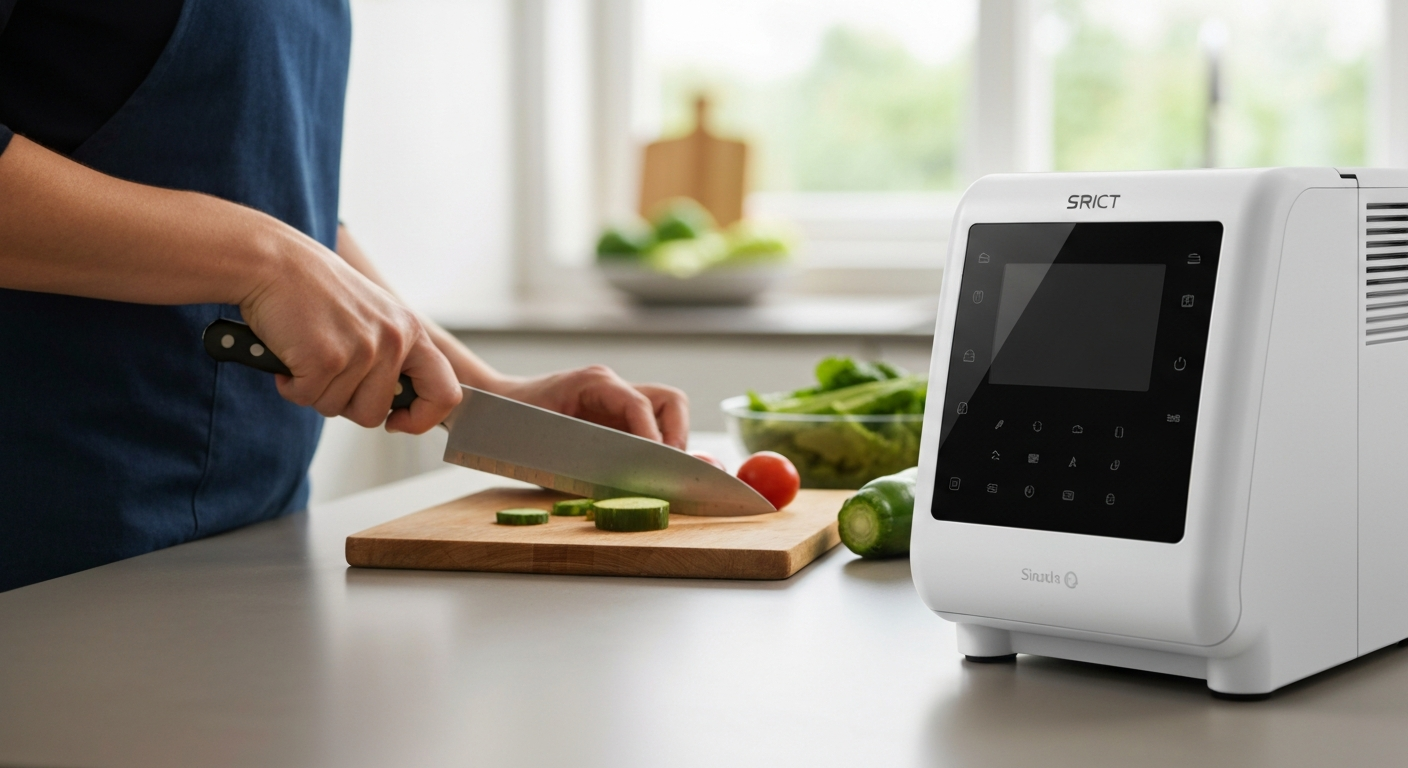
Time Constraints: When time is limited, quick and healthy options are essential. Keep a stash of healthy snacks, utilize pre-prepped ingredients, and rely on simple recipes that require minimal cooking time. Meal prepping on weekends can save significant time during busy weekdays.
Social Situations: Eating out or attending social gatherings can be tricky. Look at menus online beforehand to make healthier choices. Don't be afraid to ask for modifications (e.g., dressing on the side, steamed vegetables instead of fried). Focus on enjoying the company and choose healthier options when possible, rather than striving for perfection.
Emotional Eating: Many people turn to food for comfort or to cope with stress, boredom, or sadness. Identifying emotional triggers and finding alternative coping mechanisms, such as exercise, meditation, journaling, or talking to a friend, can help break this cycle. If emotional eating is a significant issue, seeking support from a therapist or counselor is recommended.
Practical Tip: Keep a variety of fresh fruits and vegetables readily available. The easier it is to grab a healthy option, the more likely you are to choose it over processed alternatives.
Check out: What Kids Cooking Tech Is Actually Worth Your Money for Young Chefs?
The Role of Hydration and Sleep
While focusing on food is vital, don't overlook the importance of hydration and adequate sleep in your healthy-eating 2026 strategy. These two factors significantly impact your overall health, energy levels, and ability to make good food choices.
Hydration: Water is essential for nearly every bodily function, including digestion, temperature regulation, and nutrient transport. Aim to drink plenty of water throughout the day. Individual needs vary, but a general guideline is around eight 8-ounce glasses per day. Herbal teas and water-rich foods like fruits and vegetables also contribute to your fluid intake.

Sleep: Chronic sleep deprivation can disrupt hormones that regulate appetite, leading to increased cravings for unhealthy foods. It can also decrease motivation for physical activity. Prioritizing 7-9 hours of quality sleep per night is crucial for physical recovery, mental clarity, and supporting your healthy eating goals.
Frequently Asked Questions about Healthy-Eating 2026
What are the most important nutrients for healthy eating in 2026? The most important nutrients include fiber, lean proteins, healthy fats, and a wide range of vitamins and minerals found in whole foods like fruits, vegetables, and whole grains.
How can I make healthy eating more affordable? Focus on whole foods like beans, lentils, oats, and seasonal produce. Buy in bulk when possible, plan meals to reduce waste, and cook at home more often. Comparing prices and looking for store brands can also help.
Is it okay to still enjoy treats as part of healthy eating in 2026? Absolutely. Healthy eating is about balance, not deprivation. Enjoying occasional treats in moderation is perfectly fine and can help prevent feelings of restriction that often lead to overeating.
Conclusion
Embarking on a journey of healthy-eating 2026 is a powerful investment in your long-term well-being. It's about cultivating sustainable habits that nourish your body and mind, rather than following restrictive, short-term diets.
Key takeaways for successful healthy-eating 2026:
- Prioritize whole, unprocessed foods.
- Personalize your plan to fit your lifestyle and needs.
- Embrace meal planning and preparation.
- Stay hydrated and prioritize quality sleep.
- Be mindful of your eating habits and emotional triggers.
- Seek balance and enjoy food without guilt.
For more content, visit the homepage of Cooking Melt.
Remember that consistency is more important than perfection. Celebrate your progress, learn from any setbacks, and approach your healthy-eating 2026 journey with patience and self-compassion. Your commitment to nourishing yourself is a profound act of self-care that will yield significant rewards for years to come.





0 Comentários: