 By
By 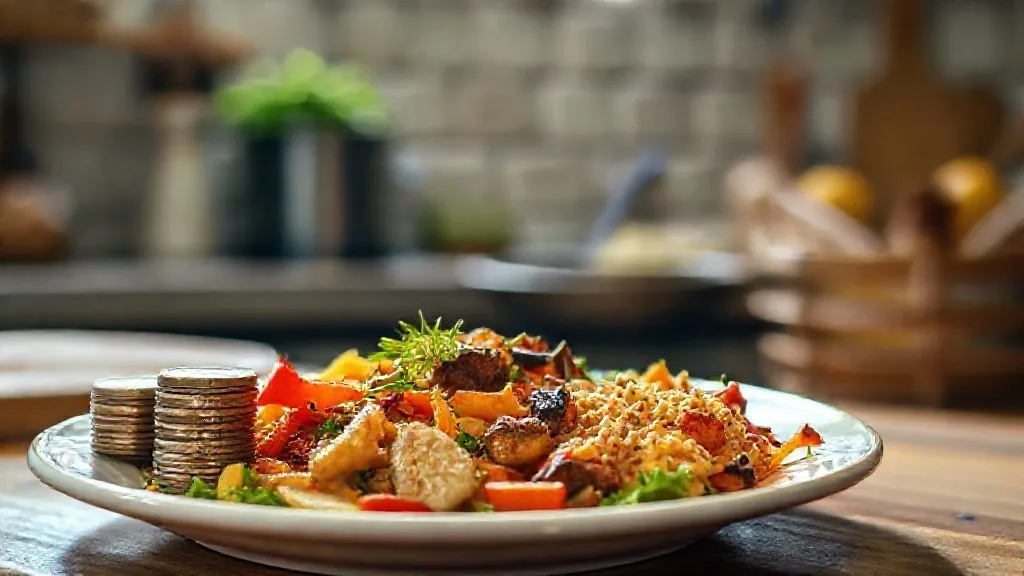
How to make nutrient dense food appealing and affordable?
For over fifteen years in the healthy eating space, I've seen countless individuals and families grapple with a common misconception: that truly nourishing food must be either bland and boring or prohibitively expensive. It's a narrative that, frankly, frustrates me because it couldn't be further from the truth.
The struggle is real. Many believe that opting for nutrient-dense foods means sacrificing flavor, variety, or a significant portion of their grocery budget. They see vibrant, healthy meals on social media and assume they're out of reach, leading to a cycle of less optimal choices and persistent health concerns.
But what if I told you there's a practical, enjoyable path to eating incredibly well without breaking the bank or sacrificing taste? In this guide, I'll share my proven frameworks, actionable strategies, and expert insights that demonstrate how to transform your kitchen into a hub of delicious, affordable, and profoundly nourishing meals. We'll tackle everything from smart shopping to creative cooking, ensuring your plate is both appealing and incredibly healthy.
Understanding Nutrient Density: More Than Just Calories
Before we dive into the 'how,' it's crucial to understand 'what' we're aiming for. Nutrient density refers to the amount of beneficial nutrients (vitamins, minerals, fiber, antioxidants) a food contains relative to its calorie content. It's about getting the most nutritional bang for your caloric buck, rather than just filling up on empty calories.
The Micronutrient Powerhouse
Think of nutrient-dense foods as micronutrient powerhouses. These are foods packed with essential vitamins like C, A, K, and B-complex, minerals such as iron, magnesium, zinc, and calcium, plus a bounty of fiber and phytonutrients. They fuel your body at a cellular level, support your immune system, improve digestion, and even boost your mood.
In my experience, focusing on nutrient density is the single most impactful shift you can make for your health. It moves beyond restrictive dieting and towards truly nourishing your body with foods that provide sustained energy and long-term vitality.
Why it Matters for Health & Wallet
Eating nutrient-dense foods isn't just about feeling good; it's also a smart financial strategy. When you consume foods rich in nutrients, you feel fuller and more satisfied for longer, which naturally reduces cravings for less healthy, often more expensive, processed snacks. This leads to fewer impulse purchases and a more efficient grocery budget over time.
Moreover, a diet rich in these foods can significantly contribute to preventing chronic diseases, potentially saving you a fortune in future healthcare costs. As Harvard Health highlights, prioritizing nutrient-dense foods is a cornerstone of overall well-being and disease prevention.
Strategic Shopping: Your First Line of Defense Against High Costs
The grocery store can be a minefield of tempting but unhealthy and overpriced options. My philosophy for making nutrient-dense food appealing and affordable begins long before you even step into the kitchen: it starts with smart, strategic shopping.
Embrace Seasonal & Local Produce
One of the easiest ways to get delicious, fresh, and often cheaper produce is to buy what's in season. Seasonal fruits and vegetables are typically harvested at their peak, meaning they taste better, are more nutrient-rich, and are more abundant, driving down prices. Shopping at local farmer's markets can also offer superior quality and often better prices than conventional supermarkets, while supporting your community.

The Power of Pulses, Grains, and Frozen Veggies
Don't underestimate the humble heroes of the pantry: pulses (beans, lentils, chickpeas), whole grains (oats, brown rice, quinoa), and frozen vegetables. These are incredibly nutrient-dense, shelf-stable, and remarkably affordable. A bag of dried lentils or a sack of oats can provide dozens of meals for pennies per serving, offering substantial protein, fiber, and essential minerals.
Frozen fruits and vegetables are another secret weapon. They are picked at peak ripeness and flash-frozen, locking in nutrients. They're often cheaper than fresh out-of-season produce and eliminate waste, as you only use what you need. Think frozen berries for smoothies, spinach for sauces, or mixed vegetables for stir-fries.
To truly master strategic shopping, I always advise following these actionable steps:
- Inventory Your Pantry & Fridge: Before you make a list, know what you already have to avoid unnecessary purchases and inspire meal ideas.
- Plan Your Meals for the Week: Outline breakfasts, lunches, and dinners. This helps you buy only what's needed and reduces food waste.
- Check Weekly Sales & Flyers: Build your meal plan around discounted items, especially produce and proteins.
- Stick to Your List: Impulse buys are budget killers. Shop with a clear purpose.
- Shop the Perimeter First: This is where you'll typically find fresh produce, dairy, and lean proteins – the foundation of nutrient-dense eating.
For more insights into seasonal eating and produce, the USDA provides excellent resources on maximizing freshness and value.
Mastering Meal Prep: Efficiency Meets Nutrition
Once you've strategically acquired your nutrient-dense ingredients, the next step in making them appealing and affordable is effective meal preparation. In my experience, meal prep is not just a trend; it's a fundamental habit for anyone serious about consistent healthy eating.
Batch Cooking for Big Wins
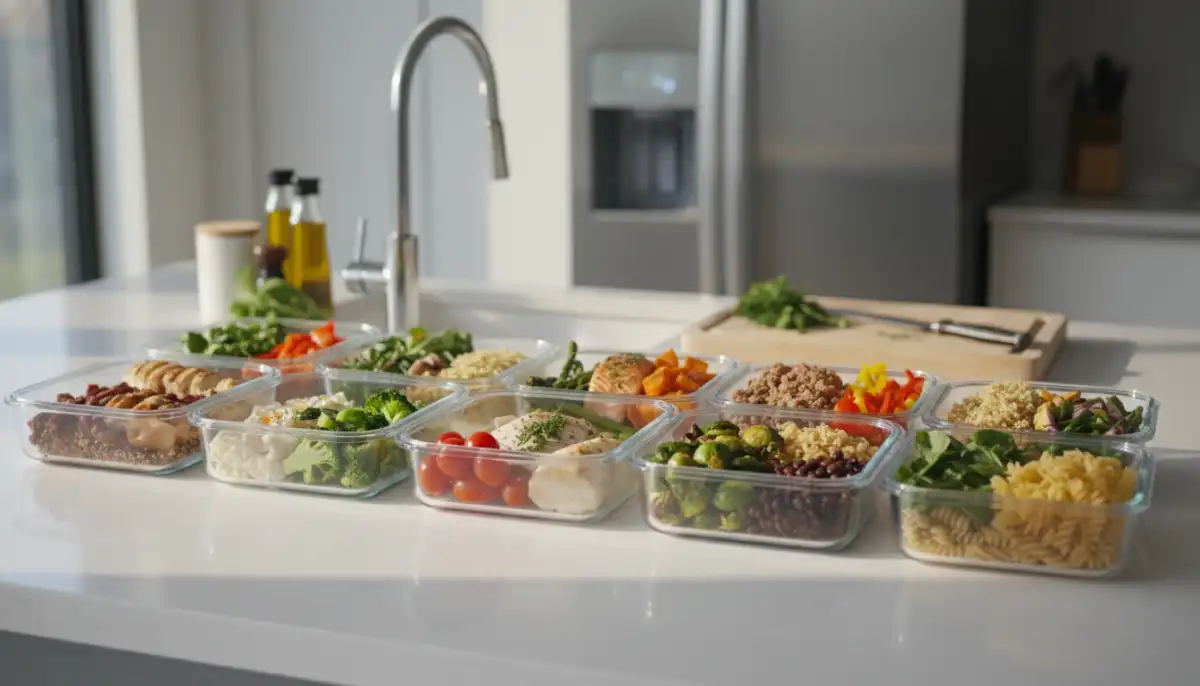
Batch cooking involves dedicating a few hours, usually on a weekend, to prepare larger quantities of staple ingredients or full meals that can be consumed throughout the week. This might include roasting a large tray of mixed vegetables, cooking a big pot of quinoa or brown rice, preparing a lean protein like baked chicken breasts or a lentil stew, and washing and chopping greens.
This approach saves immense time during busy weekdays, reduces the temptation for takeout, and ensures you always have a healthy option readily available. It also allows you to buy ingredients in bulk, which often translates to lower per-unit costs.
Smart Storage for Freshness
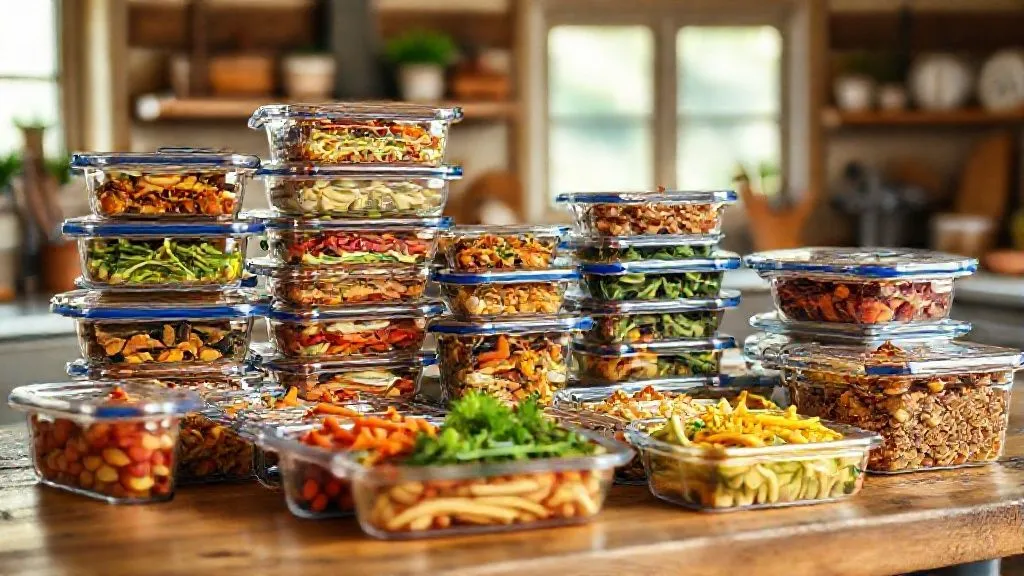
Proper storage is critical to ensure your meal-prepped food stays fresh and appealing. Invest in good quality, airtight containers – glass containers are excellent for reheating and longevity. Divide your batch-cooked items into individual portions or store components separately (e.g., grains, protein, vegetables) to mix and match throughout the week.
Refrigerate cooked foods within two hours and consume them within 3-4 days. For longer storage, many items like cooked grains, stews, and roasted vegetables freeze beautifully. Labeling containers with dates will help you keep track and minimize waste.
Here’s an example of how a week of meal prep could look, designed for both nutrition and affordability:
| Day | Breakfast | Lunch | Dinner |
|---|---|---|---|
| Monday | Overnight oats with frozen berries | Large salad with chickpeas & roasted veggies | Lentil soup with whole-grain bread |
| Tuesday | Scrambled eggs with spinach | Leftover lentil soup | Sheet pan chicken & broccoli |
| Wednesday | Overnight oats with frozen berries | Large salad with chickpeas & roasted veggies | Pasta with homemade tomato sauce & white beans |
| Thursday | Scrambled eggs with spinach | Leftover pasta with white beans | Black bean burgers on whole wheat buns |
| Friday | Smoothie with frozen fruit & spinach | Leftover black bean burger | Homemade whole wheat pizza with veggie toppings |
Flavor First: Making Healthy Food Irresistibly Appealing
This is where the 'appealing' part of our equation truly shines. I've seen too many people give up on healthy eating because they equate it with bland, uninspired meals. That's a myth we need to debunk. Nutrient-dense food can, and should, be utterly delicious.
The Spice Rack is Your Best Friend
A well-stocked spice rack is an absolute game-changer. Spices add incredible depth, warmth, and complexity to simple ingredients without adding extra calories, fat, or sodium. Think about the transformative power of cumin and coriander in a lentil dish, smoked paprika on roasted vegetables, or turmeric in a curry. Learning to layer flavors with spices is a skill that will elevate your home cooking exponentially.
Don't be afraid to experiment! Start with familiar blends like Italian seasoning, chili powder, or curry powder, then branch out to individual spices. Toasting whole spices before grinding them can unlock even more intense flavors.
Herbs, Acids, and Healthy Fats
Beyond spices, fresh herbs like parsley, cilantro, basil, and mint provide vibrant, fresh notes. They add a burst of flavor and often come with their own nutritional benefits. Acids, such as lemon juice, lime juice, and various vinegars (apple cider, red wine, balsamic), are crucial for brightening flavors and cutting through richness, making dishes taste lighter and more complex.
Healthy fats, like extra virgin olive oil, avocado oil, and nuts/seeds, are not just for cooking; they carry flavor and help your body absorb fat-soluble vitamins. A drizzle of good olive oil can turn a simple salad or roasted vegetable dish into something truly special.
"Flavor is the ultimate gateway to nutrient density. If it tastes good, you'll eat it consistently. Don't underestimate the power of a pinch of salt, a squeeze of lemon, or a dash of chili to elevate simple ingredients into culinary delights. It's about making healthy choices a joy, not a chore."
Case Study: How Sarah Transformed Her Family's Palate
Sarah, a client I worked with, always struggled to get her two young children and husband to eat vegetables. Their diet was heavy on processed foods, and she felt overwhelmed by the thought of cooking separate meals. After implementing my 'flavor first' approach, things began to change.
Instead of plain steamed broccoli, Sarah started roasting it with garlic powder, smoked paprika, and a squeeze of lemon juice. She began blending spinach into her family's favorite pasta sauces, unnoticed, and experimenting with a variety of herbs in her simple protein dishes. She even started making homemade salad dressings with olive oil, vinegar, and fresh herbs, replacing store-bought versions.
Within weeks, her family was not only tolerating but actively enjoying a wider array of nutrient-dense foods. Her children, initially skeptical, started asking for the 'spicy broccoli,' and her husband commented on how much more vibrant and satisfying their meals had become. This wasn't about deprivation; it was about discovering the joy of real food, made delicious.
Creative Cooking Techniques: Elevating Simple Ingredients
You don't need to be a gourmet chef to make nutrient-dense food appealing. In fact, some of the simplest cooking techniques are the most effective for bringing out the natural flavors and maximizing the nutritional value of your ingredients.
Roasting, Steaming, and Sautéing
Roasting is a fantastic method for vegetables. High heat caramelizes their natural sugars, creating a sweet, savory depth that's incredibly appealing. Think roasted broccoli, carrots, sweet potatoes, or Brussels sprouts seasoned with herbs and spices. It's hands-off and brings out incredible flavor.
Steaming is perfect for preserving the vibrant color and delicate nutrients of greens like spinach, kale, or asparagus. While often seen as bland, a quick steam followed by a drizzle of olive oil, lemon juice, and a sprinkle of salt and pepper can be incredibly fresh and satisfying.
Sautéing allows for quick cooking and the development of rich flavors, especially when you use aromatic vegetables like onions, garlic, and bell peppers as a base for almost any dish. It's versatile for cooking proteins, vegetables, and even grains.
These fundamental techniques are easy to master and form the backbone of countless healthy recipes. For those looking to refine their skills, resources like Culinary Schools' guide to cooking basics can be incredibly helpful.
Repurposing Leftovers with Flair
One of the biggest budget and time savers is smart leftover management. Don't just reheat; reimagine! Leftover roasted vegetables can become part of a frittata, a hearty salad, or blended into a soup. Cooked grains can be transformed into a vibrant grain bowl with fresh toppings, or even a veggie burger patty.
This approach not only prevents food waste but also keeps your meals exciting throughout the week. A simple protein from Monday can be combined with different flavors and textures on Wednesday, making it feel like a completely new dish.
Budget-Friendly Protein Sources: Beyond Just Meat
Protein is essential for satiety and muscle health, but it often gets a reputation for being the most expensive part of a meal. In my experience, this couldn't be further from the truth if you diversify your protein sources.
Plant-Based Powerhouses
Lentils, beans (black beans, kidney beans, cannellini beans), and chickpeas are incredibly affordable, versatile, and packed with protein and fiber. A single bag of dried lentils can provide numerous servings for just a few dollars. They can be incorporated into soups, stews, salads, veggie burgers, or even made into dips like hummus.
Tofu and tempeh are also excellent plant-based options, offering complete proteins at a reasonable cost. They absorb flavors beautifully, making them incredibly versatile for stir-fries, curries, or baked dishes. These plant-based options are not only good for your wallet but also for your gut health and the planet.

Economical Animal Proteins
If you do consume animal proteins, there are still highly nutritious and affordable choices. Eggs are a true superfood – inexpensive, versatile, and packed with nutrients. Canned fish like sardines, mackerel, and tuna are rich in Omega-3s and long-lasting, perfect for quick meals or salads.
For poultry, opt for chicken thighs or drumsticks over breasts, as they are often more flavorful and significantly cheaper. Ground turkey or chicken can also be a more economical choice than ground beef, and can be used in a myriad of dishes from chili to meatballs. Prioritizing these less expensive cuts and types of protein can drastically reduce your grocery bill without compromising on nutrition.
Growing Your Own: A Garden of Savings (and Flavor)
While not for everyone, even a small foray into growing your own food can significantly impact both the affordability and appeal of your nutrient-dense meals. There's a profound satisfaction that comes from eating something you've nurtured yourself.
Herbs on the Windowsill
You don't need a sprawling garden to start. A few pots on a sunny windowsill can yield a steady supply of fresh herbs like basil, mint, chives, oregano, or parsley. These are often expensive to buy fresh at the store, and having them on hand means you're more likely to incorporate those vibrant, fresh flavors into your cooking, elevating even the simplest dishes.
Plus, the act of snipping fresh herbs adds a sensory experience that makes healthy eating more appealing and enjoyable. It connects you more deeply to your food.
Simple Container Gardening
For those with a bit more space (even a small balcony or patio), container gardening can provide fresh produce like cherry tomatoes, lettuce, spinach, or bell peppers. These are often items that you use frequently, and growing them yourself ensures they are organic (if you choose) and harvested at peak ripeness, maximizing both flavor and nutrient content. The initial investment in pots and soil is quickly offset by the savings and the superior taste of homegrown produce.
Navigating Food Labels & Marketing: Don't Fall for the Gimmicks
In the quest to make nutrient-dense food appealing and affordable, it's vital to become a savvy consumer. Food manufacturers are masters of marketing, and their labels can often be misleading, steering you away from truly healthy and cost-effective choices.
Spotting 'Healthy' Traps
Terms like 'low-fat,' 'light,' 'natural,' or 'sugar-free' often mask highly processed foods that are anything but nutrient-dense. For instance, 'low-fat' products often compensate for reduced fat with added sugars, artificial sweeteners, or sodium, which can be detrimental to your health and satiety. 'Natural' has no regulated definition in many contexts and can appear on products full of unhealthy additives.
My advice: always look beyond the front-of-package claims. Turn the product over and read the ingredients list and the nutrition facts panel carefully. This is where the truth lies.
Focus on Whole Ingredients
The simplest rule for identifying nutrient-dense foods is to prioritize whole, unprocessed, single-ingredient items. If the ingredient list reads like a science experiment, it's likely not the best choice. Opt for foods where the ingredient list is short and recognizable: oats, beans, fresh vegetables, fruits, eggs, plain yogurt, and lean meats.
This focus on whole ingredients automatically steers you toward more affordable options and away from expensive, heavily marketed processed foods. As the World Health Organization consistently advises, a diet based on whole foods is fundamental for health.

Frequently Asked Questions (FAQ)
Is organic food always more nutrient-dense? Not necessarily. While organic foods are grown without synthetic pesticides and fertilizers, which can be beneficial, their nutrient density largely depends on factors like soil health, harvest time, and variety, much like conventional produce. Focus on buying organic for items on the 'Dirty Dozen' list (foods with higher pesticide residues) if budget allows, but prioritize overall vegetable and fruit intake regardless of organic certification.
How can I get my picky eaters to enjoy more nutrient-dense foods? Involve them in the cooking process, make food fun and appealing (e.g., cutting vegetables into shapes), offer choices (e.g., 'Do you want carrots or peas?'), and don't force. Repeated, gentle exposure to new foods, often prepared in different ways (like roasting with appealing spices), is key. Blending vegetables into sauces or smoothies can also work wonders initially.
What are the most affordable nutrient-dense staples I should always have on hand? My top recommendations include dried or canned beans and lentils, oats, brown rice, eggs, frozen spinach and mixed berries, seasonal root vegetables (carrots, potatoes, sweet potatoes), canned tomatoes, and budget-friendly proteins like chicken thighs or ground turkey. These form a versatile foundation for countless meals.
Can I truly eat nutrient-dense meals if I have very limited cooking skills? Absolutely! Nutrient-dense eating doesn't require complex culinary expertise. Simple techniques like roasting vegetables with olive oil and spices, steaming greens, making one-pan meals (protein + veggies), or assembling salads and grain bowls require minimal skill. Focus on whole ingredients and basic preparation methods, and you'll be well on your way.
How do I balance convenience with nutrient density when I'm short on time? This is where smart meal prep truly shines. Dedicate a small amount of time once or twice a week to batch cook staples. Utilize pre-cut frozen vegetables, canned beans, and pre-washed greens for quick assembly. Rotisserie chicken can be a convenient lean protein source. The goal is to make healthy choices the easiest choices, even on your busiest days.
Key Takeaways and Final Thoughts
- Strategic Shopping is Your Superpower: Prioritize seasonal, local produce, and embrace affordable staples like pulses, whole grains, and frozen fruits/vegetables to maximize your budget and nutrition.
- Meal Prep is a Game-Changer: Batch cooking and smart storage will save you time, reduce waste, and ensure you always have healthy, appealing options at your fingertips.
- Flavor is Non-Negotiable: Don't compromise on taste. Master the art of using spices, herbs, acids, and healthy fats to transform simple ingredients into delicious, crave-worthy meals.
- Simple Techniques Yield Great Results: Roasting, steaming, and sautéing are accessible cooking methods that bring out the best in nutrient-dense foods. Learn to repurpose leftovers creatively.
- Diversify Your Protein Sources: Explore economical plant-based proteins like beans and lentils, alongside affordable animal proteins like eggs and chicken thighs, to keep costs down and nutrition high.
- Grow a Little (or a Lot): Even a small herb garden can significantly enhance the appeal and freshness of your meals, offering both savings and satisfaction.
- Be a Savvy Consumer: Look beyond misleading marketing claims and focus on whole, unprocessed ingredients. Your health and your wallet will thank you.
Eating nutrient-dense food doesn't have to be a daunting, expensive, or bland endeavor. It's about empowering yourself with knowledge, embracing smart strategies, and finding joy in the process of nourishing your body. By applying the frameworks and insights I've shared, you can confidently create meals that are not only incredibly appealing and affordable but also profoundly beneficial for your long-term health and well-being. Start small, be consistent, and enjoy the delicious journey to a healthier you!
Recommended Reading
- 7 Proven Steps to Scale Flexitarian Menus for High-Volume Service
- 5-Tier Wedding Cake: Stabilize for Long Transport & Prevent Disaster
- Unlock Nature's Pharmacy: What Cooking Methods Boost Anti-Inflammatory Benefits?
- 7 Proven Steps: How to Stop Delicate Fish from Sticking to Grill Grates for Good
- 7 Steps to Consistent Probiotic Counts in Commercial Fermented Foods




0 Comentários: