 By
By 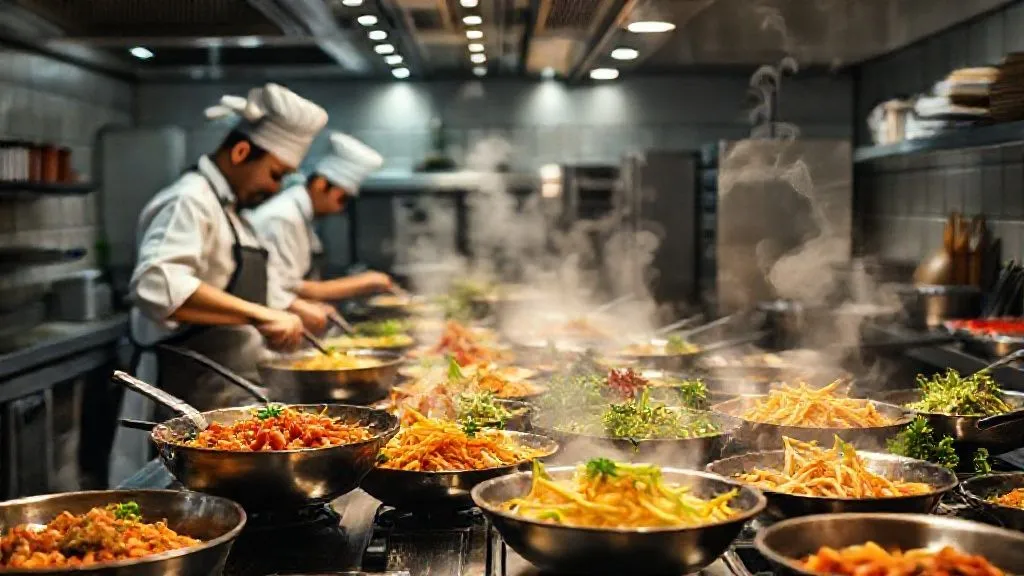
How to scale flexitarian menu items for high volume service?
For over two decades in the vibrant world of vegan and vegetarian foodservice, I've witnessed firsthand the incredible evolution of dietary preferences. What started as niche requests has blossomed into a mainstream movement, particularly with the rise of flexitarianism. This shift, while exciting, brings a unique set of operational challenges that many kitchens, big and small, struggle to navigate effectively.
The desire to offer delicious, appealing plant-forward options often clashes with the realities of high-volume service: maintaining consistency, managing ingredient costs, streamlining prep, and ensuring speed without compromising quality. Chefs and restaurateurs frequently find themselves juggling complex dietary needs with the relentless pace of a busy service, leading to menu fatigue, operational bottlenecks, and even profitability issues.
But it doesn't have to be a trade-off. In this definitive guide, I'll share the frameworks, strategies, and expert insights I've developed and refined over years of hands-on experience. You'll learn how to transform your kitchen into a powerhouse capable of delivering exceptional flexitarian dishes at scale, from intelligent menu design to advanced operational efficiencies, ensuring both culinary excellence and robust profitability.
1. Understanding the Flexitarian Demand Landscape
Before diving into the 'how,' it's crucial to grasp the 'why.' The growth of flexitarianism isn't just a trend; it's a significant market shift driven by health, environmental, and ethical considerations. Understanding your customer base's specific motivations and preferences is the first step in successfully scaling your flexitarian offerings.
In my experience, many operations underestimate the sheer demand. According to a recent study by the NPD Group, plant-based food consumption continues to grow, with a significant portion of consumers identifying as flexitarian. This means they are actively seeking options that allow them to reduce meat intake without fully committing to a vegetarian or vegan diet.
Your customers expect not just alternatives, but genuinely satisfying, flavorful, and innovative dishes. They want diversity, freshness, and the assurance that their dietary choices are respected and catered for with the same care as traditional menu items.
"The flexitarian movement isn't just about removing meat; it's about elevating vegetables, grains, and legumes to star status. Embrace this culinary opportunity, and your kitchen will thrive."

2. Strategic Menu Design for Scalability
The cornerstone of successfully scaling flexitarian menu items for high volume service lies in intelligent menu design. This isn't about adding a few token vegetarian dishes; it's about fundamentally rethinking how your menu is constructed to maximize versatility, efficiency, and appeal.
The "Component-Based" Approach
I've found that the most effective strategy is a component-based menu. This involves breaking down dishes into core, versatile elements that can be combined in various ways to create multiple offerings. Think of it as a culinary LEGO set.
- Identify Core Components: Focus on adaptable elements like roasted vegetables, diverse grains (quinoa, farro, brown rice), robust legume or mushroom bases, and versatile protein options (tofu, tempeh, plant-based 'meat' alternatives, or even lean animal proteins for the flexitarian choice).
- Create Versatile Sauces and Dressings: A few well-crafted sauces can transform simple components into entirely different dishes. Think a vibrant pesto, a spicy harissa vinaigrette, a creamy cashew dressing, or a rich mushroom gravy. Ensure these are either naturally vegan or can be easily adapted.
- Standardize Cooking Methods: Utilize cooking methods that are efficient for batch production, such as roasting, steaming, and braising. This ensures consistency and reduces complexity during peak service hours.
Recipe Adaptability and Versatility
Every recipe should be designed with flexibility in mind. Can a dish easily be made fully vegan by omitting cheese, or does it require a complete overhaul? The goal is to minimize distinct prep lines and maximize cross-utilization of ingredients. Developing a "recipe matrix" where core components slot into different finished dishes is a game-changer for efficiency.
| Component Type | Vegan Option | Vegetarian Option | Flexitarian Addition | Versatile Use |
|---|---|---|---|---|
| Protein Base | Lentil & Mushroom Bolognese | Halloumi & Roasted Veg | Grilled Chicken Slice | Pasta, Grain Bowl, Wrap |
| Grain | Herbed Quinoa Pilaf | Saffron Risotto | (Same) | Side, Base for Bowl, Filler |
| Vegetable | Roasted Root Medley | Glazed Asparagus & Peas | (Same) | Side, Salad Topper, Mix-in |
| Sauce | Spicy Harissa Vinaigrette | Creamy Pesto | (Same) | Dressing, Marinade, Flavor Boost |

3. Optimizing Ingredient Sourcing and Management
Scaling flexitarian menus means a potential shift in your ingredient list. Efficient sourcing and meticulous inventory management are critical to control costs, ensure freshness, and minimize waste.
Strategic Supplier Partnerships
Establishing strong relationships with reliable suppliers is paramount. For high-volume service, you'll need vendors who can consistently deliver quality produce, grains, legumes, and specialized plant-based products in bulk. Explore options for direct farm partnerships for seasonal produce, which can offer cost savings and superior freshness. Don't shy away from negotiating bulk discounts and discussing delivery schedules that align with your prep cycles. A diversified supplier base can also mitigate risks.
Inventory Control and Waste Reduction
Effective inventory management is more crucial than ever with fresh produce and specialized ingredients. Implement robust "First-In, First-Out" (FIFO) systems. Utilize digital inventory tracking software to monitor usage, predict demand, and reduce spoilage. Batch cooking and cross-utilization from your component-based menu design are powerful tools against waste.
- Reduced Spoilage: Buying in appropriate quantities and using ingredients across multiple dishes.
- Cost Savings: Bulk purchasing and minimizing discarded product.
- Enhanced Freshness: Faster turnover of perishable items.
- Environmental Impact: Contributing to a more sustainable operation.
Case Study: How 'Green Spoon Bistro' Revolutionized Ingredient Management
Green Spoon Bistro, a popular urban eatery known for its innovative plant-forward menu, faced significant ingredient waste and inconsistent supply as their popularity surged. Their initial approach involved ordering specific ingredients for each dish, leading to overstocking of some items and shortages of others. By shifting to a component-based menu and forging direct partnerships with local farms for seasonal produce and a specialized plant-based wholesaler for their core legumes and grains, they transformed their operation. They implemented a digital inventory system that tracked usage patterns and predicted needs more accurately. This strategic overhaul allowed them to reduce food waste by 28% and negotiate bulk discounts, improving their food cost percentage by 6.5 points within six months. This move not only boosted their bottom line but also enhanced the freshness and local appeal of their dishes, solidifying their reputation.
For further insights into optimizing your supply chain, I recommend exploring resources like this Harvard Business Review article on digital supply chains.
4. Streamlining Kitchen Operations and Workflow
Efficiency in a high-volume kitchen serving flexitarian options means rethinking your operational flow. Every second counts, and a well-designed workflow can make all the difference in speed, consistency, and staff morale.
Dedicated Prep Stations
To prevent cross-contamination and improve efficiency, consider establishing dedicated prep stations for plant-based ingredients. This minimizes the risk of allergens (e.g., meat proteins, dairy) coming into contact with vegan dishes and allows staff to focus on specific tasks. Ensure separate cutting boards, utensils, and storage containers are clearly marked and maintained.
Batch Cooking and Mise en Place
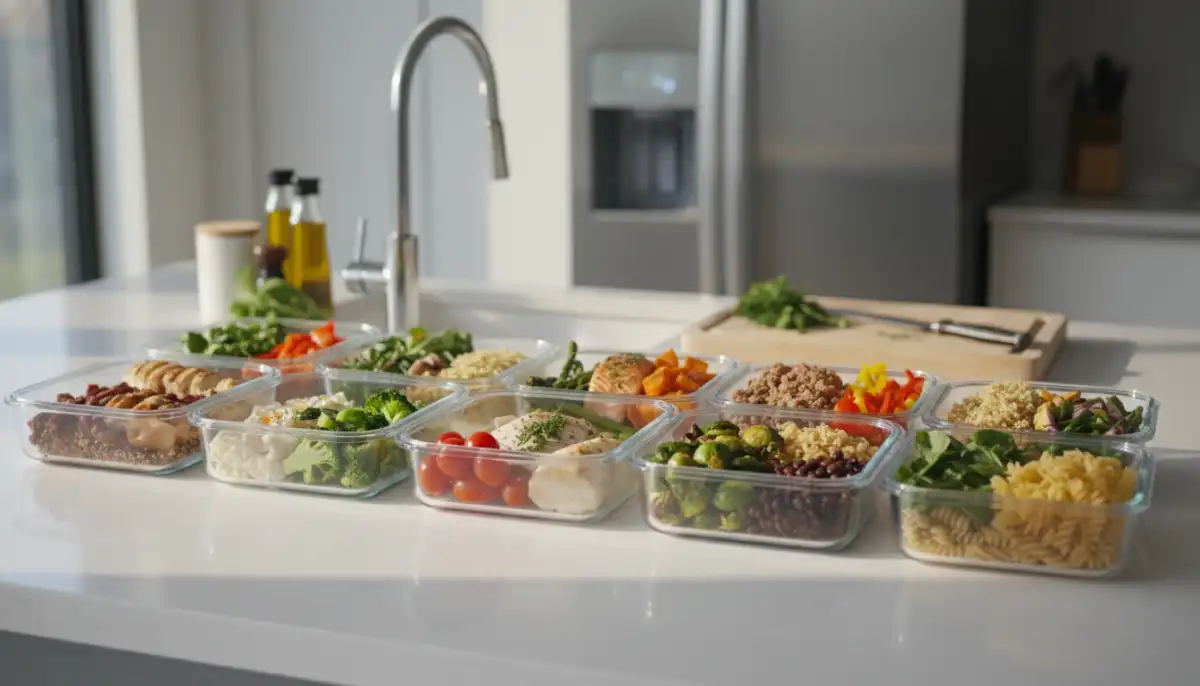
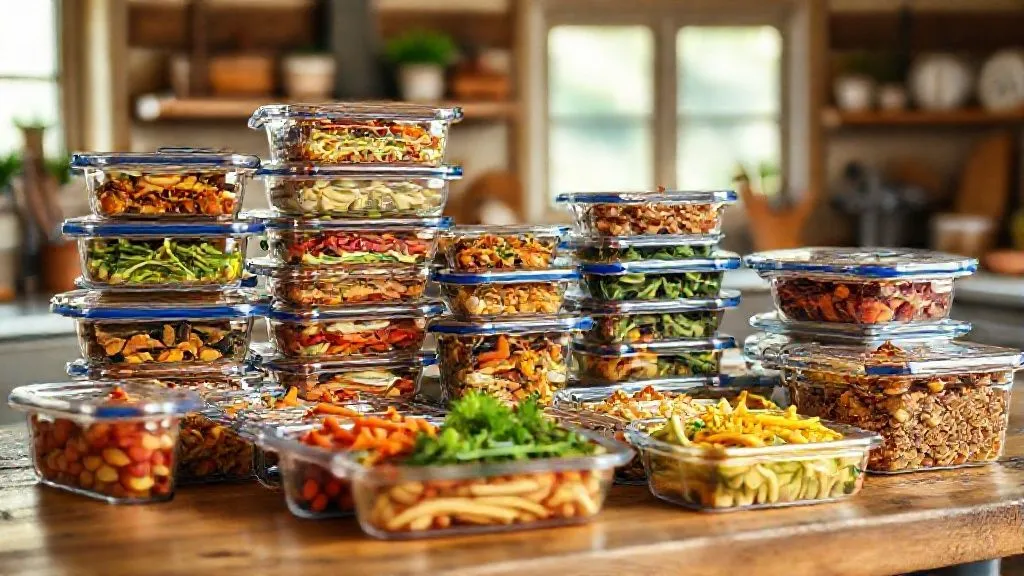
Maximizing mise en place (everything in its place) and employing batch cooking techniques are non-negotiable. Prepare large quantities of your core components (roasted vegetables, cooked grains, sauces) during off-peak hours. Blast chilling and proper storage are essential to maintain quality and safety.
"Efficiency isn't just about speed; it's about reducing friction. A well-organized kitchen with a streamlined workflow feels calm, even during the busiest rushes."
- Pre-Portioning: Portion out ingredients for individual dishes where possible to ensure consistency and speed during service.
- Scheduled Prep: Develop a detailed prep schedule that allocates specific tasks and times for batch cooking and component preparation.
- Cross-Training: Ensure staff are cross-trained across various stations, particularly in plant-based prep, to maintain flexibility and cover during busy periods or staff absences.
- Clear Communication: Implement clear communication protocols between prep and service teams to ensure a smooth flow of components.
For more on optimizing kitchen flow, resources like the Restaurant Business Online's guides on kitchen design and flow can be invaluable.
5. Leveraging Technology and Equipment
Modern kitchens have an arsenal of tools that can significantly enhance efficiency when learning how to scale flexitarian menu items for high volume service. Investing wisely in technology and specialized equipment can reduce labor costs, improve consistency, and increase output.
Smart Kitchen Appliances
Consider equipment that can handle large volumes and diverse cooking tasks:
- Combi Ovens: Excellent for roasting large batches of vegetables, steaming, and even baking plant-based items with precise temperature and humidity control.
- Blast Chillers: Crucial for rapidly cooling batch-cooked components, ensuring food safety and extending shelf life.
- High-Capacity Food Processors & Blenders: Essential for making large quantities of sauces, purees, and chopping vegetables efficiently.
- Induction Cooktops: Offer precise temperature control and energy efficiency, ideal for delicate plant-based sauces and sautéing.
Inventory and Recipe Management Software
Beyond the physical kitchen, digital tools are equally important. Robust inventory management software can track ingredients, manage costs, and predict purchasing needs. Recipe management systems ensure consistent execution of dishes, providing detailed instructions, ingredient lists, and portion sizes for every team member.
6. Staff Training and Development for Plant-Forward Focus
Your team is your greatest asset. For high-volume flexitarian service, comprehensive training goes beyond basic cooking skills; it encompasses understanding ingredients, dietary needs, and efficient plant-based techniques.
Culinary Skills for Vegan/Vegetarian Cuisine
Many traditional culinary programs focus heavily on meat and dairy. Invest in training your chefs and cooks in the nuances of plant-forward cooking. This includes:
- Flavor Building: Mastering umami without meat, using herbs, spices, and fermentation.
- Texture Management: Achieving satisfying textures with plant-based ingredients.
- Protein Sources: Understanding and properly preparing various legumes, grains, nuts, seeds, and plant-based meat alternatives.
- Ingredient Pairing: Creating balanced and exciting flavor profiles unique to vegan and vegetarian dishes.
Cross-Training and Allergy Awareness
Cross-training staff across different stations not only increases flexibility but also builds a more knowledgeable team. Crucially, every staff member, from prep cooks to front-of-house, must be rigorously trained in allergy awareness and prevention. This is non-negotiable for the safety and trust of your customers, especially when dealing with common allergens like nuts, soy, and gluten, which are prevalent in plant-based diets.
Key training areas should include:
- Identifying common allergens in dishes.
- Understanding cross-contamination protocols for prep and cooking.
- Communicating dietary information accurately to customers.
- Proper labeling and storage of ingredients.
For comprehensive allergy training, resources like those provided by Food Allergy Research & Education (FARE) are invaluable.
7. Quality Control and Consistency at Volume
The ultimate test of scaling successfully is maintaining unwavering quality and consistency, even when serving hundreds or thousands of meals. A single inconsistent dish can erode customer trust built over many positive experiences.
Standard Operating Procedures (SOPs)
SOPs are the backbone of consistency. Every dish, every component, needs a detailed recipe card outlining:
- Precise ingredient measurements.
- Step-by-step cooking instructions.
- Standardized portion sizes.
- Plating guidelines with accompanying photos.
These documents should be easily accessible and regularly reviewed with the team. They ensure that whether it's Chef A or Chef B preparing a dish, the end result is identical.
Regular Taste Testing and Feedback Loops
Implement daily or weekly taste testing sessions where the head chef or kitchen manager samples batch-cooked components and finished dishes. Encourage open feedback from the entire kitchen team. Beyond internal checks, actively solicit and listen to customer feedback. Online reviews, comment cards, and direct conversations can provide invaluable insights into where consistency might be slipping.
"Consistency isn't an accident; it's the result of meticulous planning, rigorous training, and unwavering commitment to standards."
When you consistently deliver delicious, high-quality flexitarian options, you build a loyal customer base that trusts your brand. This trust is priceless in the competitive foodservice industry and is a key factor in how to scale flexitarian menu items for high volume service successfully.
8. Cost-Benefit Analysis and Profitability
While the culinary and operational aspects are vital, the financial viability of scaling flexitarian menus cannot be overlooked. A well-executed strategy should not only meet demand but also contribute positively to your bottom line.
Calculating True Food Costs
It's crucial to go beyond the raw cost of ingredients. Factor in labor costs for prep, energy consumption for specialized equipment, and even potential waste. While some plant-based ingredients might appear cheaper than meat, others, particularly specialty vegan cheeses or meat alternatives, can be premium. Understand the true cost of each component and finished dish.
Pricing Strategies for Flexitarian Menus
Your pricing should reflect the value, quality, and innovation of your flexitarian offerings. Don't fall into the trap of underpricing plant-based dishes simply because they don't contain meat. Customers are often willing to pay for:
- Quality Ingredients: Fresh, local, organic produce.
- Culinary Skill: Innovative and flavorful preparations.
- Dietary Assurance: The peace of mind that their dietary needs are met safely and deliciously.
- Sustainability: The positive environmental impact of their choices.
Analyze market positioning, competitor pricing, and your target profit margins. A well-priced flexitarian menu can offer excellent profitability, especially when ingredient costs are managed efficiently through bulk purchasing and waste reduction. For a deeper dive into restaurant financial planning, refer to resources like Forbes Advisor's guide on restaurant business plans.
Frequently Asked Questions (FAQ)
Q1: What are the biggest initial hurdles when scaling flexitarian menus? The biggest hurdles typically involve adapting existing recipes for volume without losing quality, managing a potentially more complex ingredient inventory, and ensuring staff are adequately trained in plant-forward cooking techniques and allergen awareness. Overcoming these requires a strategic, phased approach to menu redesign and operational adjustments.
Q2: How do I ensure flavor and texture aren't compromised in large batches? Maintaining flavor and texture at scale is paramount. This involves rigorous recipe testing for batch cooking, understanding how ingredients react in larger quantities (e.g., seasoning levels, cooking times), and using appropriate equipment like combi ovens for even cooking. Investing in high-quality plant-based ingredients and mastering techniques like umami layering are also crucial.
Q3: Is it more expensive to scale flexitarian options compared to traditional menus? Initially, there might be perceived higher costs due to sourcing specialized ingredients or investing in new equipment/training. However, with strategic ingredient sourcing (e.g., bulk legumes, grains, seasonal vegetables), waste reduction, and efficient operational workflows, flexitarian menus can be highly profitable. Often, the base ingredients are less expensive than meat, allowing for healthy profit margins when managed correctly.
Q4: How important is staff training for success in high-volume flexitarian service? Staff training is absolutely critical. It goes beyond just cooking; it encompasses understanding dietary needs, preventing cross-contamination, efficient prep techniques for plant-based ingredients, and even front-of-house staff being knowledgeable about menu items. A well-trained team ensures consistency, reduces errors, and enhances the overall customer experience, building trust and loyalty.
Q5: What's one key piece of advice for a chef starting this scaling journey? My single most important piece of advice is to start with a 'component-based' menu design. Break down your dishes into versatile, interchangeable components (e.g., roasted vegetables, grain bases, protein sources, sauces). This allows for incredible flexibility, reduces prep time, minimizes waste through cross-utilization, and ensures consistency across a diverse range of flexitarian offerings. It's the foundational strategy for efficient scaling.
Key Takeaways and Final Thoughts
Successfully learning how to scale flexitarian menu items for high volume service is no small feat, but it's an incredibly rewarding one. It demands a holistic approach that integrates intelligent menu design, astute operational planning, technological leverage, and a commitment to staff development and quality.
- Embrace Component-Based Menu Design: This is your secret weapon for versatility and efficiency.
- Optimize Sourcing & Inventory: Control costs and reduce waste through smart partnerships and meticulous management.
- Streamline Your Kitchen Workflow: Efficiency is paramount, from prep stations to batch cooking.
- Leverage Technology: Smart equipment and software are your allies in consistency and output.
- Invest in Your Team: Comprehensive training in plant-forward cuisine and allergy awareness is non-negotiable.
- Prioritize Quality & Consistency: Build trust with every delicious, perfectly executed dish.
- Analyze Profitability: Ensure your flexitarian offerings are not just popular, but also financially sustainable.
The demand for plant-forward options is only growing. By strategically implementing these expert insights, you're not just adapting to a trend; you're future-proofing your business, delighting a broader customer base, and solidifying your reputation as a culinary innovator. The journey to mastering high-volume flexitarian service is challenging, but with these frameworks, you're well-equipped to achieve culinary excellence and operational triumph. Go forth and create deliciousness, at scale!
Recommended Reading
- Unveiling the Truth: Signs Your Opened Alcoholic Beverages Are Spoiled?
- 7 Proven Strategies: Master High-Volume Garden Fermentation & Stop Spoilage
- 7 Expert Strategies: Fix Dense Crumb in Pro No-Knead Bread Batches
- 7-Day Meal Prep: My Expert Method to Keep Pre-Cut Veggies Crisp & Fresh
- 5 Critical Reasons Your Gourmet Flavors Vanish on Plating


0 Comentários: