 By
By 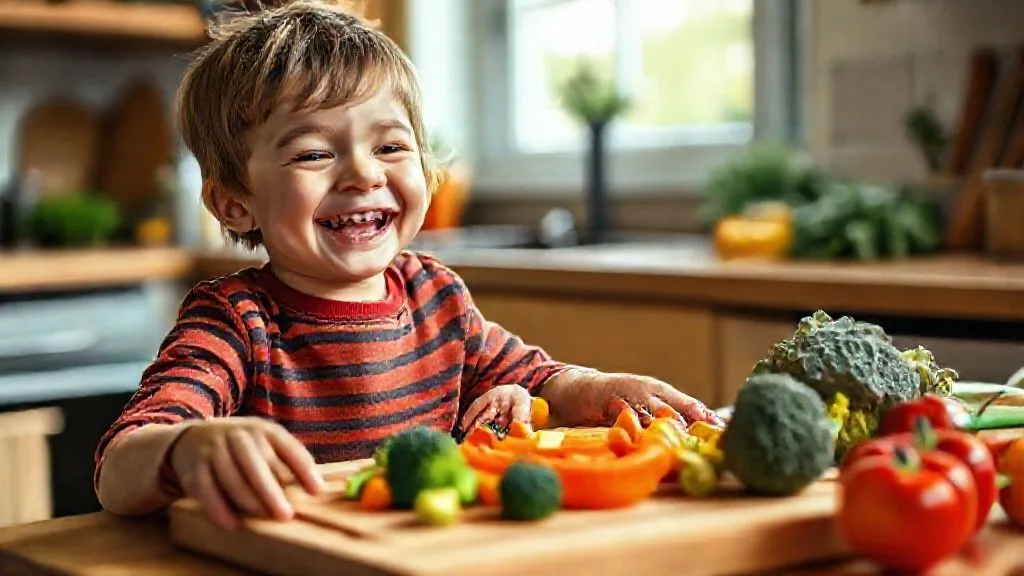
How to Make Healthy Vegetables Fun for Extremely Picky Children?
For over 15 years in the world of kids' nutrition and mealtime dynamics, I've witnessed the silent battles waged at dinner tables across the globe. The frustration, the worry, the sheer exhaustion parents feel when their child recoils at the sight of a green bean is palpable.
It's a deeply common and often isolating struggle: how do you nourish a child who treats every vegetable like a sworn enemy? The health implications weigh heavily, and the joy of family meals often evaporates amidst pleas and power struggles. You're not alone in asking, 'How to make healthy vegetables fun for extremely picky children?'
In this definitive guide, I'll share my most effective, empathy-driven, and genuinely fun strategies, backed by both experience and expert insights. We'll move beyond mere 'tricks' to build sustainable habits, transforming mealtime from a battlefield into a playground of discovery. Prepare to unlock actionable frameworks, real-world examples, and expert advice that promises to bring more peace and produce to your family table.
Understanding the Picky Eater Mindset: It's Not Just 'Fussiness'
Before we dive into solutions, it's crucial to understand the 'why' behind extreme pickiness. From my vantage point, it's rarely a deliberate defiance. Often, it stems from a complex interplay of sensory sensitivities, a natural human neophobia (fear of new things), and a child's innate desire for control. What we perceive as stubbornness can be genuine discomfort or anxiety.
As a specialist, I've learned that true empathy is the first ingredient in any successful mealtime strategy. Labeling a child as simply 'fussy' overlooks the deeper, often sensory or developmental challenges they might be facing.
Research consistently shows that children's food preferences are influenced by genetics, early exposure, and even their gut microbiome. Understanding these layers helps us approach the problem with patience and strategic intent, rather than frustration. For a deeper dive into the psychology of picky eating, consider resources like the American Academy of Pediatrics' guidelines on healthy eating for children. American Academy of Pediatrics.
The Power of Exposure: Gentle, Consistent, and Playful
One of the most powerful, yet often underestimated, tools in our arsenal is consistent, no-pressure exposure. I've seen parents give up after a few attempts, but studies suggest it can take 10-15 or even more exposures for a child to accept a new food.
Repeated Exposure, No Pressure
This isn't about forcing bites. It's about simply having the vegetable present on the plate, in a serving dish, or even just visible in the kitchen. The goal is familiarity, reducing the 'newness' factor. 'Today, we're having carrots and peas. You don't have to eat them, but they're here if you want to try one.' is a far more effective approach than coercion.
Involve Them in the Process
When children feel ownership, they're more likely to engage. From my experience, involving them in meal preparation is a game-changer. It demystifies food and transforms it into an activity.
- Garden Adventures: If possible, plant a small vegetable garden. Watching a seed grow into a carrot or a tomato is incredibly powerful.
- Grocery Store Explorers: Let them choose a new vegetable to try. 'Pick one green thing you've never had before!'
- Kitchen Helpers: Assign age-appropriate tasks: washing vegetables, tearing lettuce, stirring ingredients, or even using child-safe knives to chop soft items.
- Mystery Ingredient Game: Blindfold them and let them guess vegetables by touch or smell.

Culinary Camouflage: Sneaking Veggies in Smart Ways (Ethically!)
While I advocate for transparency, there are absolutely ethical and effective ways to 'hide' vegetables, especially when you're just starting to expand a picky eater's palate. This isn't about deception; it's about introducing flavors and nutrients without triggering immediate aversion.
Smoothies and Sauces
Smoothies are a classic for a reason. Spinach, kale, or even cooked carrots can disappear into a fruit-heavy blend. The key is to start with a small amount and gradually increase. Similarly, pureed vegetables like pumpkin, butternut squash, or cauliflower can be stirred into pasta sauces, mac and cheese, or even mashed potatoes.
Baking with a Boost
Beyond savory dishes, baking offers a fantastic opportunity. Zucchini bread, carrot muffins, or even black bean brownies (believe me, they work!) are delicious ways to incorporate vegetables. The sweetness often masks the vegetable flavor, making it a palatable entry point.
My advice on 'hiding' vegetables is to use it as a bridge, not a permanent solution. As your child's palate expands, gradually reveal the 'secret' ingredients. 'Remember those delicious muffins? Guess what was in them? Zucchini!'
Here's a quick guide to some common veggie swaps and how they can boost nutrition without changing the taste too drastically:
| Vegetable | Best for | Benefit |
|---|---|---|
| Spinach | Smoothies, pasta sauces, pesto | Iron, vitamins A & C |
| Cauliflower | Mashed potatoes, mac & cheese, pizza crust | Vitamin C, fiber |
| Carrots (cooked/pureed) | Muffins, pasta sauces, soups | Vitamin A, antioxidants |
| Zucchini (grated) | Breads, muffins, meatloaf | Vitamin C, fiber |
| Butternut Squash (pureed) | Soups, mac & cheese, casseroles | Vitamin A, potassium |
Make it a Game: Playful Presentations and Fun Food Art
Children learn through play, and mealtime is no exception. I've found that transforming vegetables into an interactive, imaginative experience can dramatically reduce resistance. This is where creativity truly shines, making 'How to make healthy vegetables fun for extremely picky children?' a joy rather than a chore.
Edible Art and Shapes
Cookie cutters aren't just for cookies! Use them on slices of bell peppers, cucumbers, or even cheese to create stars, hearts, or animals. Arrange carrot sticks and celery into a 'log cabin' or broccoli florets as 'trees' on a plate. The visual appeal makes food far more inviting.
Storytelling with Food
Create a narrative around the food. 'These broccoli trees are where the dinosaur lives!' or 'Can you make a rainbow on your plate with these colorful peppers?' Engaging their imagination shifts focus from the 'food' itself to the story and play.
- Rainbow Plates: Challenge them to eat a specific color of the rainbow each day, or create a full rainbow on their plate.
- Dipping Fun: Offer a variety of healthy dips (hummus, yogurt dip, guacamole) with vegetable sticks. The act of dipping is often a big hit.
- Mini Meals/Snack Boards: Present small portions of various vegetables alongside other preferred foods on a 'snack board' or bento box. This offers choice and reduces pressure.
- Funny Faces: Use vegetable pieces to create funny faces on toast or mini pizzas. Olives for eyes, pepper strips for hair, a cucumber slice for a smile.

The "One Bite Rule" and Positive Reinforcement
While I advocate for no pressure, a gentle 'one bite rule' can be introduced for older children (around 4+ years old) who understand the concept without feeling coerced. The key is gentle and consistent, not forceful.
The Gentle Nudge
Explain that they don't have to like it, but trying one small bite is part of exploring new foods. If they genuinely dislike it, that's okay. The goal is exposure, not immediate acceptance. This approach respects their autonomy while encouraging adventure.
Praising Effort, Not Just Consumption
Positive reinforcement is incredibly powerful. Instead of 'Good job eating your broccoli!', try 'I really appreciate you trying that new carrot stick!' or 'You were so brave to taste that!'. Focus on the effort and the process, not just the outcome. This fosters a growth mindset around food.
Case Study: The Thompson Family's Vegetable Journey
The Thompson family had a 5-year-old, Leo, who refused all green vegetables. His parents were at their wits' end. After attending one of my workshops, they committed to the 'one bite rule' combined with playful presentation. They started by making 'broccoli trees' for his plate, always offering a small dip, and praising him simply for touching the broccoli to his tongue. There was no pressure to swallow. After two weeks of consistent, calm effort, Leo, to his parents' astonishment, took a tiny bite of a broccoli tree. He didn't love it, but he didn't gag. They celebrated his bravery. Within two months, he was occasionally eating a few small florets without prompting, especially if they were dipped. This resulted in a significant reduction in mealtime stress and a gradual expansion of Leo's vegetable repertoire, proving that small, consistent steps yield remarkable long-term gains.
For more insights on positive reinforcement and child psychology around food, I often recommend resources from experts like Ellyn Satter, whose division of responsibility in feeding is a cornerstone of peaceful mealtimes. You can explore her work at The Ellyn Satter Institute.
Leading by Example: Parents as Role Models
Children are incredibly observant, and they learn more from what we do than what we say. If you want your child to enjoy vegetables, they need to see you enjoying them. This is a fundamental principle I stress in all my teachings.
Family Meals Matter
Eating together as a family, whenever possible, is paramount. It creates a positive, shared experience around food. When children see parents and siblings happily consuming a variety of vegetables, it normalizes the behavior and makes it less intimidating.
Keep Your Own Plate Colorful
Ensure your own plate is vibrant and varied. Talk positively about the taste and texture of vegetables you're eating. 'Mmm, I love how crunchy these bell peppers are!' or 'This roasted sweet potato is so sweet and delicious.' Your genuine enthusiasm is contagious.
As parents, we are the most powerful influencers in our children's early eating habits. Model the joy of discovery and the pleasure of healthy eating, and watch them follow suit at their own pace.
Beyond the Plate: Environment, Tools, and Patience
Successful mealtime dynamics extend beyond just the food itself. The environment, the tools we use, and our own patience play crucial roles in shaping a child's relationship with vegetables and food in general. Think of it as creating a holistic 'vegetable-friendly' ecosystem.
The Dinner Table Atmosphere
A calm, low-pressure environment is essential. Avoid screens, distractions, or discussions about the child's eating habits during the meal. Focus on pleasant conversation and connection. Make mealtime a cherished family ritual.
Fun Utensils and Plates
Sometimes, a simple change can spark interest. Plates with dividers, colorful cutlery, or character-themed bowls can make the meal feel more like an adventure. 'Let's put the broccoli in the green section and the carrots in the orange section!' This small shift can make a big difference for extremely picky children.
Here's a checklist to help create an optimal mealtime environment:
| Aspect | Recommendation | Impact |
|---|---|---|
| Atmosphere | Keep it calm, positive, and distraction-free. Focus on conversation. | Reduces stress, increases enjoyment |
| Involvement | Allow child-led plating (from serving dishes) and age-appropriate kitchen tasks. | Fosters autonomy and ownership |
| Presentation | Use colorful plates, fun shapes, and offer dips. | Boosts visual appeal and engagement |
| Duration | Limit mealtime to 20-30 minutes to avoid fatigue and power struggles. | Maintains focus, prevents boredom |
| Parental Role | Model healthy eating, share positive comments about food, avoid pressure. | Teaches by example, builds trust |

When to Seek Professional Help
While these strategies are highly effective for most picky eaters, it's vital to recognize when professional intervention might be necessary. As an industry specialist, I've seen situations where pickiness crosses into more serious feeding disorders.
Identifying Red Flags
If your child is showing signs of poor growth, has very few accepted foods (less than 10-15), exhibits extreme distress around food, or has textures/types of food they simply cannot tolerate (beyond typical dislike), it's time to seek expert advice.
Consulting a Pediatrician or Dietitian
Your pediatrician is always the first point of contact. They can assess growth and overall health. They might then refer you to a registered dietitian specializing in pediatric nutrition, or an occupational therapist who addresses sensory feeding issues. These professionals can provide tailored strategies and support. For reliable health information, always refer to reputable sources like the Centers for Disease Control and Prevention (CDC).
Frequently Asked Questions (FAQ)
Q: My child gags at the sight or smell of vegetables. What should I do? A: This often indicates a strong sensory sensitivity or a past negative experience. Start with 'food play' that doesn't involve eating. Let them touch, smell, wash, and explore vegetables without any pressure to eat. Pureed vegetables in smoothies or sauces (where the texture is completely masked) can be a gentle starting point. Gradually introduce small pieces of very mild vegetables, perhaps roasted with a favorite seasoning, and always respect their gag reflex – it's a protective mechanism.
Q: Should I offer rewards for eating vegetables? A: I generally advise against tangible rewards (like toys or sweets) directly linked to eating vegetables. This can create an unhealthy association, making vegetables seem like a chore to be endured for a prize, rather than something enjoyable. Instead, focus on intrinsic rewards: praise their effort, celebrate their bravery, and make mealtime a pleasant, connection-filled experience. 'Dessert is served after dinner' is fine, but avoid 'If you eat your broccoli, you get ice cream.'
Q: How long does it take to see results with these strategies? A: Patience is your most powerful tool. It's a marathon, not a sprint. You might see small shifts in a few weeks, but significant changes can take months, even a year or more, especially for extremely picky eaters. The key is consistency and a low-pressure environment. Celebrate tiny victories and remember that every positive exposure builds towards acceptance.
Q: What if my child refuses to even touch vegetables? A: This is common with extreme pickiness. Begin with 'food chaining' – introducing foods with similar properties (color, texture, flavor) to ones they already accept. Also, focus on non-eating interactions: let them help wash vegetables, sort them by color, or use them as stamps in playdough. The goal is to desensitize them to the sight and presence of vegetables before even considering tasting.
Q: Are there any vegetables that are generally easier for picky eaters to accept? A: Yes, often starchy or slightly sweet vegetables are better received. Think roasted sweet potatoes, corn, peas, or mild bell peppers (especially red or yellow). Roasting can bring out natural sweetness and create a pleasing texture. Start with these 'gateway' vegetables and gradually introduce others, always in small, non-threatening portions.
Key Takeaways and Final Thoughts
Navigating the world of picky eaters, especially when it comes to vegetables, requires a blend of strategy, empathy, and unwavering patience. As someone who has guided countless families through this journey, I can assure you that positive change is not only possible but incredibly rewarding. Let's recap the core principles that will empower you to make healthy vegetables fun for extremely picky children:
- Understand the 'Why': Approach pickiness with empathy, recognizing sensory and developmental factors.
- Embrace Exposure: Offer vegetables consistently, without pressure, over many attempts.
- Involve and Empower: Let children participate in gardening, shopping, and cooking.
- Get Creative: Use camouflage (ethically!), fun shapes, and storytelling to make vegetables appealing.
- Reinforce Positively: Praise effort and bravery, not just consumption.
- Model Good Habits: Be a role model by enthusiastically eating a variety of vegetables yourself.
- Create a Positive Environment: Ensure mealtimes are calm, connected, and distraction-free.
- Know When to Seek Help: Don't hesitate to consult professionals if concerns arise.
Remember, your ultimate goal isn't just to get vegetables into their bodies, but to foster a healthy, joyful relationship with food that will last a lifetime. Celebrate every tiny step forward, maintain a lighthearted approach, and trust the process. You are building foundations for lifelong wellness, one playful bite at a time. The journey to making healthy vegetables fun for extremely picky children is a testament to your love and dedication, and I'm confident you have all the tools to succeed.
Recommended Reading
- Mastering Agile: 7 Strategies to Halt Scope Creep with Demanding Clients
- Scaling Stew for 100+ Servings: Master Flavor, Avoid Pitfalls
- Fix Tough Sous Vide Short Ribs: 7 Expert Steps for Fork-Tender Results
- Catering Ceviche: 7 Critical Steps for Raw Fish Safety in Large Batches
- Your Easy Weekly Meal Prep Plan for Weight Loss (Beginner's Guide)






0 Comentários: