 By
By 
How to create allergen-free family recipes without sacrificing taste?
For over two decades in the 'Kids Cooking' and 'Family Cooking' niche, I've had the privilege of guiding countless families through their culinary journeys. I've witnessed the profound joy that shared meals bring, but I've also seen the immense stress and frustration that food allergies can introduce into the kitchen. Parents often come to me feeling defeated, believing that an allergen-free diet means a lifetime of bland, uninspiring meals for their children and the entire family.
The common misconception is that removing common allergens like dairy, gluten, nuts, or eggs automatically strips a dish of its flavor and texture. This belief often leads to a cycle of repetitive, unexciting meals, or worse, a constant fear of accidental exposure. It’s a genuine pain point for many caregivers who simply want to provide safe, nourishing, and delicious food for everyone at their table, without feeling like they’re running a separate restaurant for each family member.
But I'm here to tell you that it doesn't have to be that way. In this comprehensive guide, I'll share my tried-and-true strategies, practical ingredient swaps, and expert cooking techniques that will empower you to create allergen-free family recipes without sacrificing taste. We'll delve into frameworks for flavor building, smart kitchen management, and even how to get your kids involved, transforming mealtime from a source of anxiety into a celebration of safe, delicious food for everyone.
Understanding the "Big 8" and Beyond: Your Culinary Foundation
Before we can master the art of allergen-free cooking, we must first understand what we're working with. The U.S. Food and Drug Administration (FDA) identifies eight major food allergens, often referred to as the "Big 8," responsible for most serious allergic reactions: milk, eggs, peanuts, tree nuts, soy, wheat, fish, and shellfish. However, as an experienced specialist, I know that dietary restrictions can extend beyond these, encompassing sensitivities to corn, sesame, certain fruits, or even specific food additives.
Identifying Common Allergens and Their Hidden Forms
Your journey begins with becoming a diligent label reader. Allergens can hide in unexpected places, often under less obvious names. For instance, casein and whey are milk derivatives, lecithin can be soy or sunflower-based, and maltodextrin can sometimes be derived from wheat. Understanding these aliases is crucial for complete avoidance.
Expert Insight: Always assume an ingredient contains an allergen unless explicitly stated otherwise or you can verify its source. When in doubt, leave it out. This cautious approach is your first line of defense in ensuring kitchen safety.
I always advise my clients to keep a detailed list of their family's specific allergies and sensitivities handy, perhaps on the fridge or as a note on their phone. This serves as a quick reference when grocery shopping or reviewing recipes. It's not just about knowing what to avoid, but also understanding the potential cross-reactivity between certain foods, like different types of tree nuts.
For a comprehensive list and detailed information on food allergens, I highly recommend consulting official resources like the FDA's Food Allergens guidance. This knowledge forms the bedrock of safe and delicious allergen-free cooking.
The Art of the Swap: Mastering Allergen-Free Ingredient Substitutions
This is where the magic truly happens! Over my years of experience, I've seen how creative ingredient substitutions can transform a daunting task into an exciting culinary challenge. The goal isn't just to replace an ingredient but to ensure the substitute provides similar function, texture, and flavor profile, or at least complements the dish without compromise.
Dairy-Free Delights
Replacing dairy often means finding alternatives for milk, cheese, butter, and yogurt. For milk, unsweetened almond, soy, oat, or rice milk are common choices, each bringing its own subtle flavor and creaminess. For baking, oat or soy milk often perform best. Cheeses have come a long way, with many plant-based options made from nuts (cashew, almond), soy, or starches that melt and taste surprisingly similar to their dairy counterparts. Coconut oil or plant-based margarines are excellent butter substitutes for both cooking and baking.
Gluten-Free Grains and Flours
Going gluten-free extends beyond just wheat flour. It includes barley, rye, and often oats (unless certified gluten-free due to cross-contamination risk). For baking, a blend of gluten-free flours is usually more successful than a single type. My go-to blend often includes rice flour, tapioca starch, potato starch, and a binder like xanthan gum. For pasta, explore options made from corn, rice, quinoa, or legumes. These alternatives offer a fantastic way to enjoy your favorite carb-heavy dishes without the gluten.
Egg-cellent Alternatives
Eggs serve multiple functions in recipes: binding, leavening, and adding moisture. The best substitute depends on the egg's primary role. For binding, a "flax egg" (1 tbsp ground flaxseed + 3 tbsp water, rested for 5 mins) or chia egg works wonders. For leavening, a combination of baking soda and vinegar can create lift. Mashed banana or unsweetened applesauce can add moisture and binding in sweet recipes, but remember they will impart their own flavor.
Nut-Free Innovations
Replacing nuts, especially in baking or as a snack, requires creativity. Sunflower seed butter (sunbutter) is a fantastic peanut butter alternative, offering a similar texture and savory depth. For crunchy toppings, roasted pumpkin seeds (pepitas) or sunflower seeds are excellent. When a recipe calls for almond flour, consider using finely ground sunflower seeds or a 1:1 gluten-free flour blend, adjusting liquids as needed.
- Understand the Function: Before swapping, identify what the original ingredient contributes (structure, moisture, fat, flavor).
- Choose Wisely: Select a substitute that mimics that function as closely as possible.
- Start Small: When adapting a new recipe, make a smaller batch first to test the swap's effectiveness.
- Adjust as Needed: Be prepared to tweak other ingredients, like liquids or binders, to achieve the desired consistency.
- Embrace New Flavors: Some substitutes will introduce new flavor notes. Learn to appreciate and work with them!

Flavor First: Building Taste Profiles Without Common Triggers
The biggest fear I hear from parents is that allergen-free food will be bland. This is simply not true! In my experience, it's often an opportunity to explore a wider palette of spices, herbs, and natural flavor enhancers. The key to creating allergen-free family recipes without sacrificing taste lies in understanding how to build complex, satisfying flavor profiles.
Herbs, Spices, and Aromatics: Your Secret Weapons
These are the unsung heroes of allergen-free cooking. Fresh herbs like basil, cilantro, parsley, and dill can brighten any dish. Dried spices such as cumin, paprika, turmeric, and chili powder add warmth and depth. Don't underestimate the power of aromatics like garlic, onions, ginger, and shallots, which form the foundational flavor base for many cuisines. Sautéing these until fragrant before adding other ingredients can elevate a simple dish to something extraordinary.
Umami Boosters for Richness
Umami, often described as a savory, meaty taste, is crucial for a satisfying meal. When you remove ingredients like cheese or certain meats, you might lose some of this natural richness. However, there are fantastic allergen-free ways to reintroduce it. Nutritional yeast offers a cheesy, nutty umami flavor, perfect for dairy-free sauces. Mushrooms, especially dried varieties rehydrated, provide a deep umami. Tomato paste, soy-free tamari (if soy is an issue, coconut aminos is a great alternative), and even roasted vegetables can add significant savory depth.
Key Insight: Flavor layering is paramount. Instead of relying on one dominant flavor, build complexity by adding herbs at different stages of cooking, using contrasting textures, and incorporating acidic notes (lemon, vinegar) to brighten and balance richness.
Consider the principles of flavor pairing. For example, the bitterness of kale can be beautifully balanced by the sweetness of roasted sweet potatoes and the acidity of lemon. Experimentation is encouraged here; it's how you discover your family's new favorite flavor combinations. As culinary expert Harold McGee often demonstrates, understanding food chemistry can unlock incredible flavor potential in the kitchen.
Preventing Cross-Contamination: Safety in the Kitchen
Even with the most delicious allergen-free recipes, safety is paramount. Cross-contamination is a silent threat in any kitchen managing food allergies. It occurs when an allergen is unintentionally transferred from a food containing an allergen to a food that does not contain the allergen. This is a critical area where my expertise truly helps families establish safe practices.
Dedicated Utensils and Surfaces
One of the most effective strategies is to designate specific kitchen tools for allergen-free cooking. This might include a separate cutting board, spatula, or even a color-coded set of measuring cups. If this isn't feasible for every item, ensure all utensils and surfaces are thoroughly washed with hot, soapy water before preparing allergen-free meals. Countertops should be wiped down diligently, and shared appliances like toasters should be approached with caution, perhaps using toaster bags for gluten-free bread.
Smart Storage Solutions
Storage is another key area. Always store allergen-free ingredients and prepared dishes above or away from foods containing allergens. Use clearly labeled, airtight containers. For example, if you have both regular and gluten-free flour, store the gluten-free flour in a sealed container on a higher shelf to prevent any airborne particles from contaminating other foods.
- Wash Hands Thoroughly: Before and after handling any food, especially if you're switching between allergen-containing and allergen-free ingredients.
- Clean All Surfaces: Use hot, soapy water to clean countertops, cutting boards, and sinks before starting.
- Designate Equipment: If possible, have separate cutting boards, spatulas, and serving spoons for allergen-free meals.
- Read Labels Every Time: Ingredients can change. A quick re-check ensures ongoing safety.
- Educate Everyone: Ensure all family members and caregivers understand the importance of preventing cross-contamination.
| Area | Allergen-Safe Practice | Risk if Ignored |
|---|---|---|
| Cutting Boards | Use separate, color-coded boards OR wash thoroughly with hot, soapy water. | Direct allergen transfer to safe food. |
| Utensils | Dedicated set OR wash between uses (e.g., spoon for peanut butter vs. sunbutter). | Indirect allergen transfer. |
| Countertops/Surfaces | Wipe down with disinfectant before food prep. | Surface contamination affecting safe ingredients. |
| Storage | Label clearly, store allergen-free items above or separate from others. | Accidental consumption of contaminated or incorrect item. |
| Frying Oil | Use fresh oil for allergen-free deep frying. | Oil can become a vehicle for allergen transfer. |
| Toasters/Ovens | Use toaster bags, clean oven racks, or separate baking sheets. | Crumbs or residue can cause reactions. |
Batch Cooking and Meal Prep: Making Allergen-Free Easy
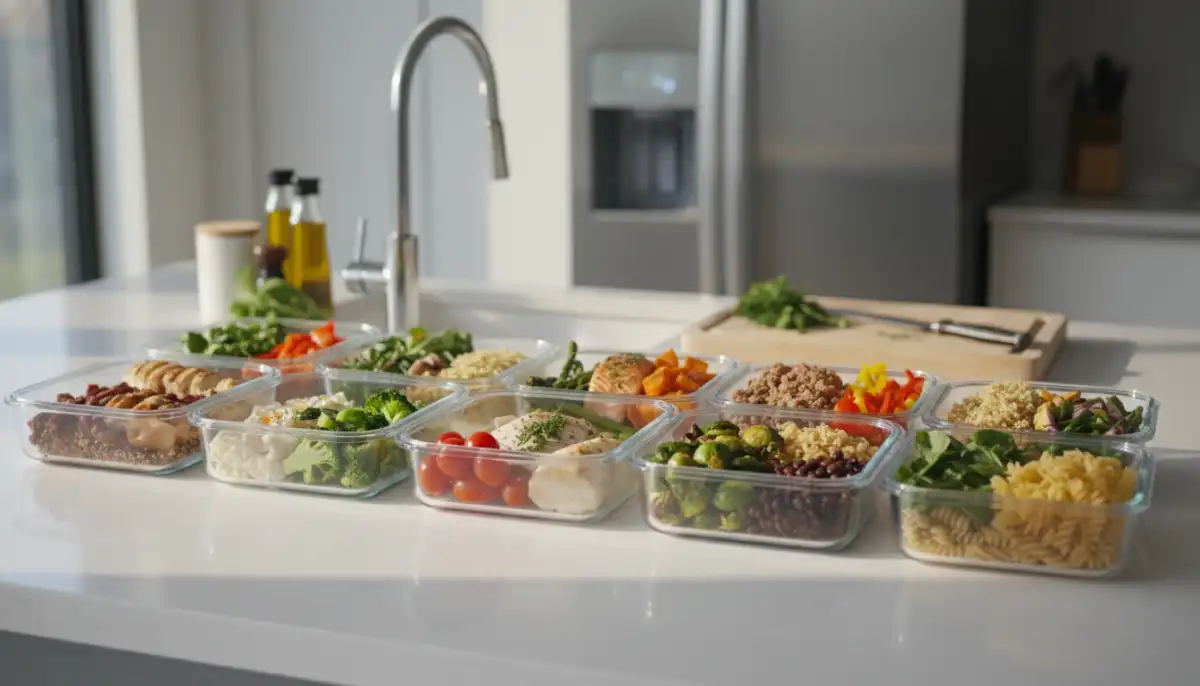
One of the biggest hurdles families face when managing food allergies is the perceived time commitment. It often feels like you're cooking multiple meals. However, with smart planning and the power of batch cooking and meal prep, creating allergen-free family recipes without sacrificing taste becomes not just manageable, but truly efficient. I've guided many busy parents through this, and it’s a game-changer.
Strategic Planning is Key
Dedicate a short block of time each week, perhaps on a Sunday afternoon, to plan your meals. Start by identifying common core ingredients that are safe for everyone. Think about versatile proteins like chicken, legumes, or safe fish, and a variety of vegetables. Then, consider how these can be prepared in a way that allows for easy adaptation or serving as a base for different meals throughout the week. This minimizes the number of separate components you need to prepare.
Freezer-Friendly Favorites
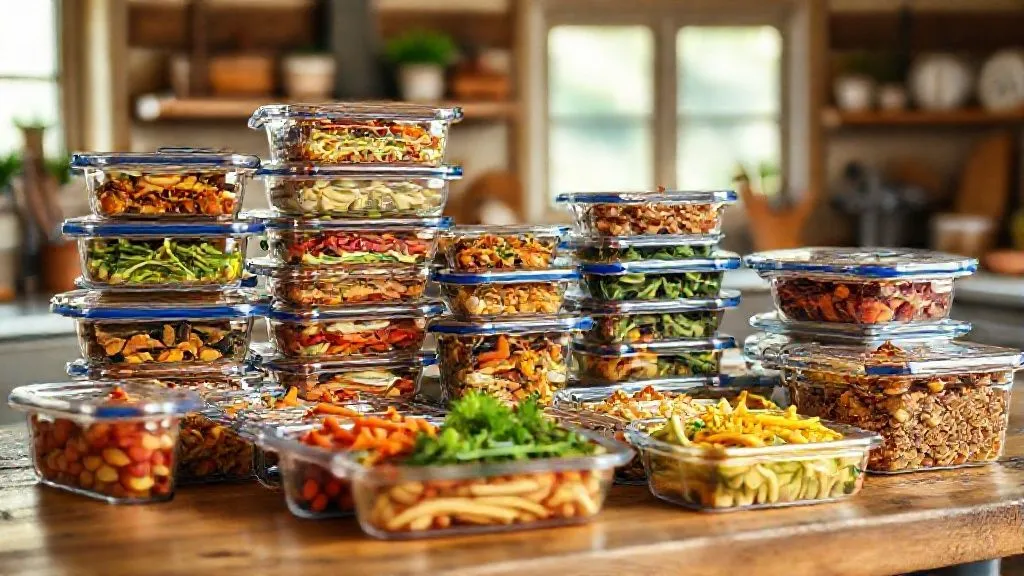
Not every meal needs to be cooked from scratch daily. Many allergen-free dishes freeze beautifully. Think about making a large batch of allergen-free chili, stew, pasta sauce, or even muffins. Portion them out into individual or family-sized servings and freeze. On busy weeknights, simply thaw and reheat. This not only saves time but also reduces decision fatigue and the temptation to resort to less safe takeout options.
When I worked with the Johnson family, who had a child with multiple severe allergies, they were overwhelmed by daily cooking. By implementing a weekly meal prep strategy, they started dedicating two hours on Sundays to prepare bases like cooked quinoa, roasted vegetables, and a large batch of allergy-friendly meatballs. This meant weeknight dinners were assembled in minutes, reducing stress and ensuring safe, delicious meals every night.
Engaging the Kids: Turning Allergy-Friendly Cooking into Family Fun
In my journey through 'Kids Cooking', I've learned that involving children in the kitchen is not just about teaching them life skills; it's about empowering them, especially when dealing with food allergies. When children understand the 'why' behind their dietary restrictions and actively participate in preparing their safe meals, they develop a sense of ownership, reduce anxiety, and often become more adventurous eaters. This is a crucial step in creating allergen-free family recipes without sacrificing taste, as it fosters a positive relationship with food.
Age-Appropriate Tasks for Every Little Chef
Even toddlers can help! For younger children, tasks like washing vegetables, stirring ingredients in a bowl (with supervision), or setting the table can be incredibly engaging. Older children can take on more responsibility, such as measuring ingredients, chopping (with child-safe knives), reading recipes, or even helping with meal planning. Make it a game, a learning opportunity, and a bonding experience.
Empowering Choices and Building Confidence
Allowing children to choose an allergen-free recipe they'd like to try or selecting a new safe ingredient at the grocery store can significantly boost their enthusiasm. This sense of control is particularly important for children who often feel restricted by their allergies. It helps them see their diet not as a limitation, but as a unique and creative culinary path.
Case Study: The Miller Family's Allergy-Friendly Adventure
The Miller family, with their 7-year-old son Leo who had severe dairy and egg allergies, struggled with mealtime. Leo often felt left out and was reluctant to try new foods. I suggested they turn meal prep into "Leo's Kitchen Lab." They started by letting Leo choose one new allergen-free recipe each week. He helped measure, stir, and even decorated his own allergy-friendly cupcakes. This involvement transformed his attitude. He became excited about trying his creations and even started suggesting ingredient swaps himself. The family reported a significant reduction in mealtime battles and a newfound joy in their shared cooking experiences, proving that involving kids directly enhances the success of allergen-free family recipes.
Recipe Adaptation Workshop: Transforming Family Classics
The heart of creating allergen-free family recipes without sacrificing taste often lies in skillfully adapting beloved family classics. This isn't about reinventing the wheel, but rather intelligently modifying existing recipes to fit dietary needs while preserving their essence. As an experienced mentor, I've guided countless families through this process, and it's incredibly rewarding to see their favorite dishes return to the table, safe for everyone.
Deconstructing a Recipe: Understanding Its Core
Before you begin swapping, take a moment to understand the original recipe's components and their roles. Is the flour for structure? The egg for binding and moisture? The milk for creaminess? Once you identify the function of each allergen-containing ingredient, you can more effectively choose a suitable, functional substitute. For example, in a classic lasagna, dairy cheese provides richness and texture, while wheat noodles provide structure. You'll need plant-based cheese alternatives and gluten-free pasta that can withstand baking.
Testing, Tasting, and Tweaking
Adaptation is an iterative process. Don't expect perfection on your first try. Make notes of your substitutions and any adjustments you make. Taste frequently throughout the cooking process. Is it missing richness? Add nutritional yeast or a bit more olive oil. Is the texture off? Adjust liquid or flour quantities. Keep a recipe journal to track your successful adaptations and lessons learned. This experimentation is how you build your personal repertoire of delicious, safe family recipes.
- Identify Allergens: Go through your classic recipe and highlight every ingredient that contains an allergen.
- Research Substitutes: For each highlighted allergen, find appropriate substitutes that mimic its function (e.g., flax egg for binding, gluten-free flour blend for structure).
- Consider Flavor Impact: Be mindful that some substitutes (e.g., coconut milk) might impart their own flavor. Adjust spices or other flavorings accordingly.
- Adjust Liquids and Binders: Gluten-free flours often absorb more liquid, while some egg substitutes might require less. Be prepared to adjust.
- Test in Small Batches: If it's a new adaptation, try a half or quarter batch first to minimize waste if it doesn't work out.
- Document Your Successes: Write down your exact modifications for successful recipes so you can replicate them.
Beyond the Plate: Dining Out and Social Situations
Creating delicious allergen-free family recipes at home is a huge step, but the real world extends beyond your kitchen. Dining out, attending school events, or visiting friends and family can present unique challenges. As an industry specialist, I emphasize that managing allergies effectively means extending your safety protocols and communication skills beyond your own four walls.
Communicating with Restaurants
Don't hesitate to call restaurants ahead of time to discuss your family's allergies. When you arrive, always speak directly with the manager or chef. Clearly state all allergies and ask specific questions about ingredients and preparation methods. Many restaurants are increasingly accommodating, but it's your responsibility to advocate for your family's safety. Carry chef cards (pre-printed cards detailing allergies in multiple languages) if traveling, or even consider bringing your own safe snacks or meals as a backup.
Navigating Potlucks and Parties
Social gatherings require a proactive approach. Always offer to bring a safe dish that your family can enjoy and that others can sample. Clearly label your dish with its ingredients and indicate that it is allergen-free. Speak to the host beforehand to understand the menu and discuss potential risks. If you're unsure about any food item, it's always best to politely decline. Trust your instincts; your family's health is always the priority.
For further support and resources on managing food allergies in various social settings, organizations like the Food Allergy Research & Education (FARE) offer invaluable guidance and advocacy. Their insights are crucial for navigating the world beyond your kitchen safely and confidently.
Frequently Asked Questions (FAQ)
Question: Can I really achieve the same taste with allergen-free ingredients? Detailed answer: Absolutely! While some textures might differ slightly (e.g., gluten-free bread can be denser), the flavor profile can be just as rich, if not more so, by strategically using herbs, spices, and natural flavor enhancers. The key is to move beyond direct 1:1 replacements and embrace new ingredients and cooking techniques that build robust flavors from the ground up. Many allergen-free dishes are incredibly delicious in their own right.
Question: What are the most common mistakes when cooking allergen-free? Detailed answer: The most common mistakes I've observed include not reading labels thoroughly (ingredients change!), underestimating the risk of cross-contamination, trying to substitute too many ingredients at once in a new recipe, and not adequately seasoning allergen-free dishes. Often, people assume 'healthy' or 'allergen-free' means bland, but that's a misconception we're actively debunking!
Question: How do I ensure my kids still get all necessary nutrients? Detailed answer: This is a critical concern. When removing major food groups like dairy or wheat, it's essential to replace their nutritional contributions. For instance, ensure adequate calcium from fortified plant milks, leafy greens, and sesame seeds. Iron can come from legumes, fortified cereals, and dark leafy greens. Consulting with a registered dietitian specializing in food allergies can provide personalized guidance to ensure all nutritional needs are met for your growing children. For more information on balanced nutrition, reputable sources like the USDA's MyPlate guidelines can offer a general framework, adaptable for allergy needs with professional help.
Question: Is it more expensive to cook allergen-free? Detailed answer: Initially, some specialty allergen-free products can seem pricier. However, by focusing on whole, unprocessed foods like fresh fruits, vegetables, legumes, and lean proteins, and learning to make staples from scratch (like sauces or baked goods), you can significantly manage costs. Batch cooking and buying in bulk for safe ingredients also help reduce the overall expense. The goal is smart, efficient cooking, not just buying expensive replacements.
Question: How can I get my picky eater to try new allergen-free foods? Detailed answer: Patience and positive exposure are key. Involve them in the cooking process, offer choices within safe options, and present new foods alongside familiar favorites. Don't pressure them, but encourage them to at least take a small taste. Repeated, low-pressure exposure over time often leads to acceptance. Celebrate small victories, and remember that taste buds evolve!
Key Takeaways and Final Thoughts
- Knowledge is Power: Thoroughly understand your family's specific allergies and learn to read labels meticulously.
- Master the Art of Substitution: Embrace creative ingredient swaps that maintain function, texture, and flavor.
- Prioritize Flavor Building: Utilize herbs, spices, and umami boosters to create rich, satisfying dishes.
- Practice Diligent Cross-Contamination Prevention: Implement strict kitchen safety protocols to protect your family.
- Embrace Strategic Meal Planning: Use batch cooking and meal prep to make allergen-free cooking efficient and stress-free.
- Involve Your Children: Empower them in the kitchen to foster a positive relationship with their food and diet.
- Adapt, Test, and Document: Transform family classics through iterative adaptation, and keep a record of your successful recipes.
- Extend Safety Beyond Your Home: Communicate clearly when dining out and proactively manage social food situations.
Creating allergen-free family recipes without sacrificing taste is not just possible; it's an incredibly rewarding culinary journey. As your experienced guide, I've seen firsthand how families transform their kitchens from places of anxiety into vibrant hubs of creativity and joy. With these strategies, you're not just cooking; you're nurturing, protecting, and delighting your loved ones, proving that dietary restrictions can lead to a richer, more imaginative, and undeniably delicious culinary life. Embrace the challenge, savor the flavors, and enjoy every safe, wonderful meal together.
Recommended Reading
- Why Air-Fried Battered Foods Fail Catering: 7 Solutions for Lasting Crispness
- Busy Pro's Guide: 7 Steps to Healthy Air Fryer Batch Cooking
- Safe Smoked Meat: 7 Steps to Long-Term Preservation Without Botulism
- 7 Proven Strategies: How to Adapt Kids Cooking Activities for Varied Skill Levels?
- 7 Spice Secrets: Why Your Restaurant's Jerk Chicken Lacks Authentic Kick





0 Comentários: