 By
By 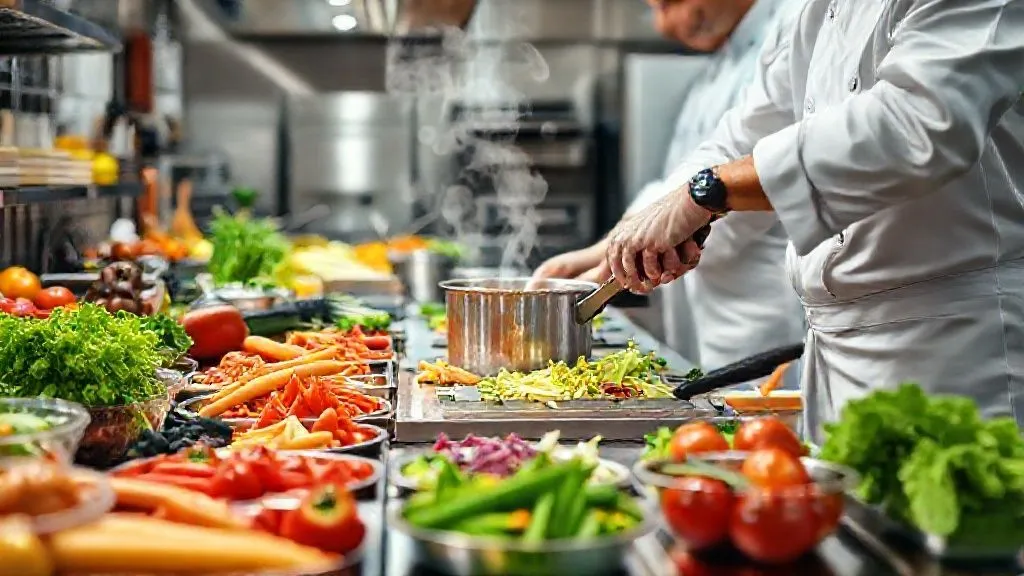
Streamlining Quick Healthy Kids' Meal Prep for Professional Kitchens
For over two decades in the demanding world of professional kitchens, particularly those catering to the youngest diners, I've witnessed a common, often crippling, challenge. It's the delicate tightrope walk between delivering genuinely nutritious, appealing meals for children and maintaining the breakneck pace and efficiency that professional settings demand. The stakes are incredibly high, touching not just profit margins but, more importantly, the health and happiness of our future generations.
The pressure to deliver not just 'food,' but genuinely healthy, appealing, and safe meals for children, often clashes head-on with the realities of a fast-paced commercial environment. Chefs and kitchen managers grapple with restrictive budgets, diverse dietary needs, stringent safety regulations, and the notoriously fickle palates of their young clientele. This often leads to shortcuts, sacrificing nutritional value for speed, or overwhelming staff with complex, time-consuming preparations.
Through this deep dive, I'll share the proven frameworks, practical strategies, and critical insights I've gathered from years of hands-on experience and consulting. My goal is to help you transform your kitchen's approach to **streamlining quick healthy kids' meal prep for professional kitchens**, ensuring every plate is a win for both your business and the children you serve. We'll explore actionable blueprints for efficiency, quality, and compliance.
The Foundational Shift: Mindset and Menu Design for Young Palates
Before any knife touches a cutting board, a fundamental shift in mindset is required. Preparing food for children isn't just about smaller portions; it's about understanding their developmental needs, sensory preferences, and the critical role nutrition plays in their growth. This understanding forms the bedrock of truly effective and appealing kids' menus.
Understanding the Unique Nutritional Needs of Children
Children are not just miniature adults; their bodies are in constant states of rapid growth and development, demanding a different nutritional profile. They need nutrient-dense foods to fuel their energy, support cognitive function, and build strong bones and muscles. A balanced diet for kids emphasizes a diverse range of whole grains, lean proteins, healthy fats, and an abundance of fruits and vegetables, often in forms that are easy to eat and digest.
- Energy for Growth: Kids require consistent energy from complex carbohydrates and healthy fats.
- Building Blocks: Protein is crucial for tissue repair and growth, while calcium and Vitamin D are vital for bone development.
- Micronutrient Power: A wide array of vitamins and minerals supports immunity, vision, and overall well-being.
- Variety is Key: Exposure to diverse flavors and textures helps prevent pickiness and develops a broader palate.
Designing a Dynamic, Kid-Friendly Menu
Once you grasp the nutritional imperatives, the next step is translating them into a menu that kids will actually eat and enjoy. This requires creativity, strategic ingredient choices, and a willingness to think beyond traditional 'chicken nugget and fries' offerings. The aim is to make healthy choices the exciting default, not an afterthought.
- Research Preferences with a Twist: Engage with your target demographic (or their parents/guardians) to understand popular flavors and textures. Then, find innovative ways to integrate healthier components. For instance, if pasta is popular, offer whole-wheat pasta with a vegetable-rich sauce.
- Incorporate Hidden Veggies and Whole Grains: This is where culinary artistry shines. Puréeing vegetables into sauces, grating them into meatballs, or using whole grains in familiar forms like wraps or rice bowls can significantly boost nutrient intake without alienating picky eaters.
- Offer Balanced Plates as a Standard: Every kids' meal should ideally include a lean protein, a complex carbohydrate, and at least two servings of fruits or vegetables. Think deconstructed meals where components are separate but balanced, allowing kids to choose.
- Test, Taste, and Iterate: Kids are honest critics. Conduct taste tests with actual children and be prepared to adapt. Small tweaks to seasoning, texture, or presentation can make a huge difference in acceptance.
"The most successful kids' menus aren't just about what's on the plate, but how it's presented and how it makes a child feel. It's about empowering them to enjoy healthy eating, not forcing it." - My personal philosophy after years in the trenches.
Ultimately, a well-designed kids' menu is a living document, constantly evolving with feedback, seasonal ingredients, and new nutritional insights. It’s an investment in the health of your young customers and the reputation of your establishment.

Strategic Ingredient Sourcing & Inventory Management
The foundation of quick, healthy kids' meals begins long before preparation: it starts with smart sourcing. Your ingredients dictate not only the nutritional value but also the cost, consistency, and speed of your meal prep. An optimized supply chain is crucial for **streamlining quick healthy kids' meal prep for professional kitchens**.
Building Relationships with Reliable Suppliers
I've learned that strong relationships with suppliers are invaluable. They can offer insights into seasonal availability, bulk pricing, and often, more sustainably sourced options. Look for partners who understand the specific demands of children's nutrition and are willing to work with you on specific cuts or pre-prepped components.
- Local Sourcing: Prioritize local farms and producers for fresh produce. This reduces transportation time, enhances flavor, and supports your community.
- Bulk Discounts & Consistent Quality: Negotiate favorable terms for ingredients you use in high volume, like whole grains, legumes, or versatile proteins. Ensure they can consistently meet your quality standards.
- Pre-prepped Options (Strategic): While fresh is best, consider judiciously using high-quality, pre-cut or pre-portioned ingredients for items that are labor-intensive to process in-house, ensuring they meet your health standards.
Smart Inventory: Reducing Waste, Maximizing Freshness
Efficient inventory management is not just about cost savings; it's about ensuring you always have fresh, high-quality ingredients on hand while minimizing spoilage. For kids' meals, freshness translates directly to appeal and nutritional value. Implementing a robust FIFO (First-In, First-Out) system and regular inventory audits are paramount.
| Ingredient Category | Strategy | Benefit |
|---|---|---|
| Produce | Seasonal & Local | Freshness, Cost-Effective |
| Proteins | Lean & Versatile | Health, Adaptability |
| Grains/Legumes | Bulk & Diverse | Cost, Nutrition |
| Dairy/Alternatives | Low-Sugar, Allergen-Free | Health, Inclusion |
Moreover, understanding the shelf life of your ingredients and adjusting ordering patterns accordingly can drastically cut down on waste. This is particularly important for perishable items like fresh fruits and vegetables, which are cornerstones of healthy kids' meals. For more insights on optimizing your supply chain, consider resources from Food Safety Magazine, which often covers best practices in commercial kitchens.
Batch Cooking & Component Prep: The Efficiency Engine
This is where the rubber meets the road for efficiency. The concept of batch cooking and component preparation is a game-changer for any professional kitchen aiming to **streamline quick healthy kids' meal prep for professional kitchens**. It shifts from reactive cooking to proactive preparation, saving time, reducing stress, and ensuring consistency.
Mastering the Art of Component Preparation
Component prep involves breaking down complex dishes into individual elements that can be prepared in advance and then assembled quickly to form various meals. This approach allows for incredible versatility and speed during peak service hours.
- Pre-chopped Vegetables: Diced onions, julienned carrots, minced garlic, bell pepper strips – all can be prepped and stored for several days.
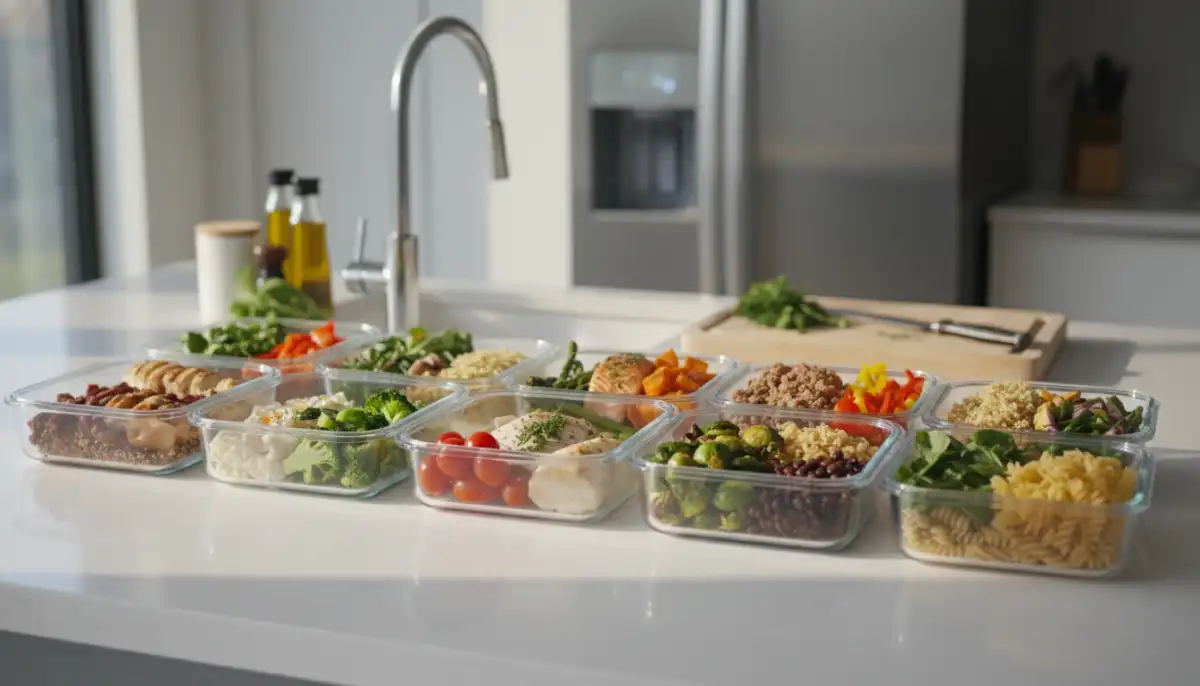
- Cooked Grains: Large batches of quinoa, brown rice, or whole-wheat pasta can be cooked, cooled, and portioned.
- Lean Protein Bases: Grilled chicken breasts, roasted turkey, or cooked lentils can be prepared, shredded, or diced, ready for various applications.
- Homemade Sauces & Dressings: Prepare large quantities of healthy tomato sauce, pesto, or yogurt-based dressings.
Batch Cooking for Scalability and Consistency
Batch cooking takes component prep a step further by preparing entire dishes or large quantities of a single component that can be used across multiple menu items. This is particularly effective for items like soups, stews, roasted vegetables, or even baked goods.
- Identify Batch-Friendly Items: Analyze your menu for ingredients or dishes that can be easily scaled up without compromising quality. Think about items that freeze well or hold their integrity when reheated.
- Schedule Dedicated Prep Days: Designate specific days or shifts for intensive batch cooking. This allows staff to focus without the pressure of immediate service.
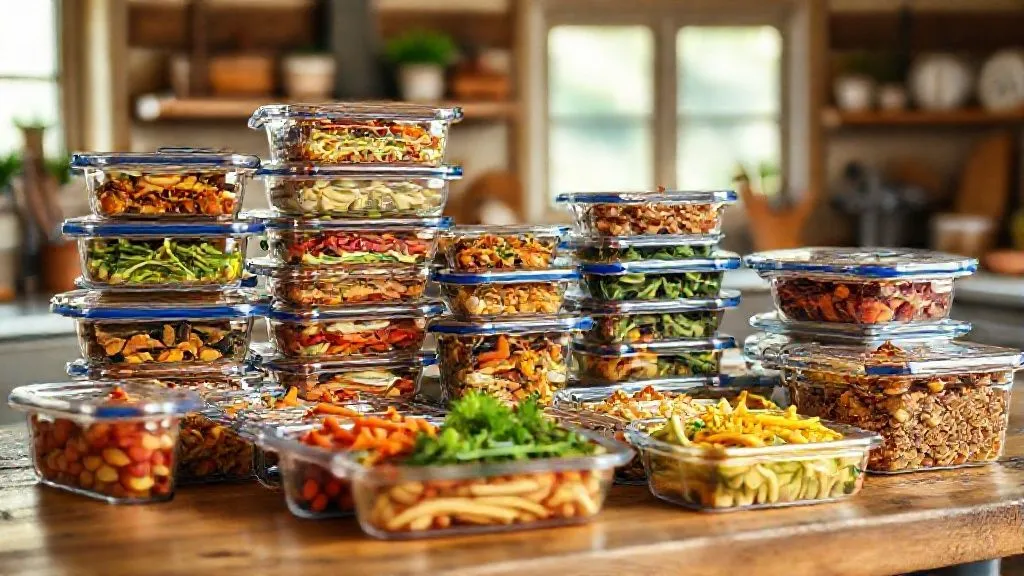
- Proper Storage and Labeling: Invest in high-quality, airtight containers. Label everything meticulously with contents, date of preparation, and 'use-by' date. This is critical for food safety and inventory rotation.
- Develop Reheating Protocols: Standardize reheating methods to ensure food safety and maintain optimal texture and flavor. This is especially important for items that will be served to children.
Case Study: "Tiny Tummies Bistro" Transforms Prep
Tiny Tummies Bistro, a mid-sized restaurant known for its family-friendly atmosphere, faced significant challenges with their kids' menu. Their chefs were constantly scrambling during lunch rushes, leading to inconsistent meal quality and high food waste. By implementing a robust batch cooking and component prep strategy, they saw remarkable improvements. They began pre-roasting large quantities of vegetables, cooking various whole grains, and preparing lean protein bases (like shredded chicken and ground turkey) twice a week.
This allowed them to reduce their average kids' meal prep time by 40% during service. Instead of cooking each component from scratch, chefs could quickly assemble meals like 'Rainbow Veggie & Quinoa Bowls' or 'Mini Turkey Sliders with Sweet Potato Fries' from pre-prepared ingredients. This resulted in a 25% reduction in food waste, a noticeable improvement in meal consistency, and a significant boost in staff morale due to reduced stress during peak hours.
Optimizing Workflow: Kitchen Layout & Dedicated Stations
A well-designed kitchen layout is more than just aesthetics; it's a blueprint for efficiency. When it comes to **streamlining quick healthy kids' meal prep for professional kitchens**, even small adjustments to workflow can yield significant time savings and reduce errors, particularly in a busy environment.
Designing for Flow: The Ergonomics of Speed
Think about the journey of a dish from raw ingredient to plated meal. Are there unnecessary steps? Is equipment conveniently located? An ergonomic design minimizes movement, reduces physical strain on staff, and accelerates the entire preparation process. This is the essence of a well-oiled machine.
- Logical Zones: Create distinct zones for receiving, storage, prep, cooking, plating, and dishwashing. Minimize cross-traffic between these areas.
- Tool Proximity: Ensure all necessary tools and small equipment are within arm's reach of their respective workstations.
- Mise en Place Philosophy: Encourage a strict mise en place culture, where all ingredients are prepped, measured, and organized before cooking begins. This eliminates frantic searching during service.
The Dedicated "Kids' Corner"
In many professional kitchens, kids' meals are often an afterthought, prepared at whatever station is free. I've found that dedicating a specific, compact workstation to kids' meal prep can dramatically improve efficiency and consistency, particularly for high-volume establishments.
- Centralized Ingredients: Stock this station with all frequently used kids' meal components (pre-cooked proteins, chopped veggies, whole-grain pasta, fruit portions, child-friendly sauces).
- Specialized Equipment: Include smaller-sized utensils, portion control tools, and perhaps a dedicated toaster oven or griddle for quick warming or assembly.
- Allergen Awareness: This station can also be designed with clear allergen protocols in mind, reducing the risk of cross-contamination by keeping allergen-free ingredients separate.
The Power of Presentation: Making Healthy Appealing
It's an age-old adage that we eat with our eyes first, and this is especially true for children. A healthy meal, no matter how nutritious, will be rejected if it doesn't look appealing. Mastering presentation is a crucial, yet often overlooked, aspect of **streamlining quick healthy kids' meal prep for professional kitchens**.
Beyond Taste: The Visual Appeal
Children are naturally drawn to color, variety, and fun. Incorporating these elements into your plating can transform a mundane meal into an exciting culinary adventure. Think about how you can use natural colors of fruits and vegetables to create a vibrant plate.
"A plate for a child should tell a story. It should invite them to explore, to interact, and to enjoy, making healthy eating an adventure rather than a chore."
- Color Contrast: Combine ingredients with contrasting colors (e.g., bright red tomatoes with green peas and yellow corn).
- Fun Shapes: Use cookie cutters for sandwiches, vegetables, or fruits. Offer foods in bite-sized, easy-to-handle pieces.
- Separation: Many children prefer their food components not touching. Utilize bento-style plates or plates with dividers.
- Garnishes: A sprig of fresh parsley, a few berries, or a swirl of yogurt sauce can elevate a simple dish.
Portion Control and Engaging Serving Ideas
Appropriate portion sizes are vital for children, preventing overeating and minimizing food waste. Beyond just size, how you serve the food can encourage children to try new things. For detailed guidance on child nutrition, I often refer to resources like the USDA MyPlate guidelines.
- Smaller Utensils: Provide child-sized forks and spoons to make eating easier and more enjoyable.
- "Build Your Own" Concepts: Offer components separately for kids to assemble (e.g., mini tacos, pita pizzas, fruit skewers). This adds an element of fun and control.
- Dipping Sauces: A small side of a healthy dip (hummus, yogurt dip, mild salsa) can encourage vegetable consumption.
Allergy Management & Food Safety: Non-Negotiables
In the realm of kids' meal prep, food safety and allergy management aren't just important; they are absolutely paramount. The consequences of error can be severe, making robust protocols and continuous training indispensable. This area demands unwavering attention to detail and a proactive approach.
Robust Allergy Protocols and Cross-Contamination Prevention
I cannot stress enough the importance of meticulous allergy management. With rising rates of food allergies, professional kitchens must have clear, actionable protocols to protect their youngest, most vulnerable diners. This goes beyond simply asking about allergies; it involves a systemic approach to prevention.
- Detailed Allergen Information: Maintain an up-to-date, easily accessible list of all ingredients and their common allergens for every menu item.
- Dedicated Prep Areas/Equipment: Whenever possible, designate separate cutting boards, utensils, and even cooking surfaces for allergen-free meal preparation. If this isn't feasible, ensure thorough cleaning and sanitization between uses.
- Ingredient Segregation: Store allergen-containing ingredients separately from allergen-free alternatives, with clear labeling.
- Staff Communication: Implement a clear communication system from the front-of-house to the kitchen regarding allergy orders. Use specific tickets or flags to highlight these meals.
- Final Check: Before serving, have a designated staff member (e.g., the chef or expediter) double-check allergen-free meals against the order.
Continuous Staff Training on Food Safety
Human error is often the weakest link in food safety. Regular, comprehensive training for all kitchen staff is the single most effective way to mitigate risks. This training should cover not only general food safety but also specific protocols for kids' meals.
- HACCP Principles: Ensure all staff understand and apply Hazard Analysis and Critical Control Points (HACCP) principles.
- Temperature Control: Emphasize proper cooking, holding, cooling, and reheating temperatures. Children are more susceptible to foodborne illnesses.
- Personal Hygiene: Reinforce strict handwashing, glove usage, and general kitchen hygiene.
- Cross-Contamination: Provide specific training on preventing cross-contamination between raw and cooked foods, and between allergenic and non-allergenic ingredients.
Staying informed about the latest food safety guidelines from reputable organizations like the FDA is crucial. Their resources offer invaluable insights for maintaining the highest standards in your kitchen.

Staff Training & Empowerment: Your Greatest Asset
No matter how perfect your systems or how advanced your equipment, your kitchen staff are the heart of your operation. Investing in their training, fostering their skills, and empowering them to contribute are critical for sustained success in **streamlining quick healthy kids' meal prep for professional kitchens**.
Investing in Culinary Education for Kids' Menus
It's not enough to simply tell staff to prepare kids' meals. They need to understand the 'why' behind the specific requirements. Provide training that goes beyond basic cooking techniques, focusing on the nuances of children's cuisine.
- Nutritional Awareness: Educate staff on the importance of each ingredient and how it contributes to a child's health.
- Creative Plating Techniques: Train them on how to make healthy food visually appealing to children.
- Allergy Protocol Mastery: Conduct rigorous, hands-on training for allergy management and cross-contamination prevention.
- Feedback Loops: Encourage staff to share observations about what kids are eating (or not eating) and suggest improvements.
Fostering a Culture of Innovation and Feedback
Empowered employees are engaged employees. Create an environment where staff feel comfortable suggesting new ideas, identifying inefficiencies, and taking ownership of their work. This collaborative approach can lead to unexpected innovations in your kids' meal prep process.
- Cross-Training: Train staff across different stations, especially in the kids' meal prep area, to build versatility and understanding.
- Recognition: Acknowledge and reward staff who excel in efficiency, creativity, or adherence to safety protocols.
- Regular Briefings: Hold brief, focused meetings to discuss challenges, share successes, and reiterate key objectives for kids' meal service.
When your team feels valued and knowledgeable, they become your strongest advocates for quality and efficiency, naturally contributing to **streamlining quick healthy kids' meal prep for professional kitchens**.
Leveraging Technology: Smart Tools for Smarter Prep
In today's fast-paced culinary world, technology is no longer a luxury but a necessity for maximizing efficiency. For professional kitchens dedicated to **streamlining quick healthy kids' meal prep for professional kitchens**, smart tools can revolutionize everything from inventory to recipe consistency.
Recipe Management and Inventory Software
Manual tracking and recipe cards are prone to error and incredibly time-consuming. Modern software solutions offer a centralized system for managing recipes, nutritional data, and ingredient costs, ensuring consistency and accuracy across the board.
- Standardized Recipes: Digital recipe cards ensure every dish is prepared identically, maintaining consistency in taste, appearance, and nutritional content.
- Nutritional Analysis: Many platforms can automatically calculate nutritional information, which is invaluable for marketing healthy kids' meals and meeting regulatory requirements.
- Cost Control: Track ingredient costs in real-time, allowing for precise menu pricing and profitability analysis for kids' menu items.
Automated Ordering and Waste Tracking
Beyond recipes, technology can streamline your entire supply chain and reduce waste, which directly impacts your bottom line and sustainability efforts. This is particularly relevant for perishable ingredients common in healthy kids' meals.
- Automated Reordering: Set par levels for ingredients, and the system can automatically generate purchase orders when stock runs low, preventing shortages.
- Waste Tracking: Log all waste, identifying patterns and areas for improvement. This data is crucial for optimizing portion sizes and ingredient utilization.
- POS Integration: Integrate your recipe and inventory systems with your Point of Sale (POS) system for real-time sales data, allowing you to predict demand more accurately for kids' menu items.
The right technological investments can significantly enhance operational transparency and efficiency. For more on how technology is reshaping the restaurant industry, explore insights from the National Restaurant Association.
| Tool Type | Benefit | Example |
|---|---|---|
| Recipe Management | Consistency, Costing | MenuSano |
| Inventory Tracking | Waste Reduction, Ordering | ChefTec |
| POS Systems | Sales Data, Customization | Toast |
| Allergen Tracking | Safety, Compliance | Allergen Checker |
Frequently Asked Questions (FAQ)
Q: How do I balance healthy options with what kids actually want to eat? A: This is the eternal challenge! My advice is to integrate healthier elements into familiar, kid-friendly formats. Instead of forcing entirely new dishes, try whole-wheat pasta with a hidden-vegetable sauce, mini lean-meat burgers on whole-grain buns, or 'build-your-own' stations with healthy components. Presentation is key; make it colorful, fun, and offer healthy dips. Often, kids resist because it's unfamiliar, so gradual introduction and attractive plating work wonders.
Q: What's the biggest mistake kitchens make with kids' meals? A: The biggest mistake I've observed is treating kids' meals as an afterthought or a 'dumping ground' for less-than-optimal ingredients. This leads to bland, uninspired, and often unhealthy options that undermine the kitchen's overall quality. Another common error is underestimating the intelligence and developing palates of children, assuming they only want sugary or fried foods. Kids, given the right exposure, can be adventurous eaters.
Q: Is it really cost-effective to invest so much in kids' meal prep? A: Absolutely. While initial investment in training, specific ingredients, or technology might seem high, the long-term benefits are substantial. Reduced food waste from smart inventory and batch cooking, increased customer loyalty from happy families, enhanced reputation for offering healthy options, and fewer errors due to streamlined processes all contribute to a strong ROI. It's an investment in your brand's future.
Q: How can we handle diverse dietary restrictions efficiently in a fast-paced kitchen? A: Efficiency in handling dietary restrictions hinges on proactive planning and robust systems. Implement clear communication protocols from order-taking to the kitchen. Utilize dedicated prep areas or equipment for allergen-free meals. Train staff rigorously on cross-contamination prevention. Consider having a few versatile, naturally allergen-friendly base components that can be adapted quickly. Technology, like allergen tracking software, can also be a huge asset.
Q: What's one immediate change I can implement to see results in kids' meal prep? A: Start with component preparation and batch cooking. Identify two or three frequently used ingredients (e.g., roasted chicken, cooked quinoa, a versatile vegetable purée) and dedicate a specific time each week to prepare them in larger batches. This immediate shift will free up significant time during service, reduce last-minute stress, and instantly improve consistency and speed for your kids' menu items.
Key Takeaways and Final Thoughts
The journey to **streamlining quick healthy kids' meal prep for professional kitchens** is multifaceted, demanding a blend of culinary expertise, operational foresight, and a genuine commitment to the well-being of young diners. It's not a quick fix but a continuous process of refinement and adaptation. However, the rewards—from enhanced efficiency and reduced waste to loyal customers and a stellar reputation—are immeasurable.
- Embrace a Child-Centric Mindset: Understand their needs and preferences to design truly appealing and nutritious menus.
- Optimize Your Supply Chain: Strategic sourcing and smart inventory management are foundational to quality and cost control.
- Leverage Batch Cooking & Component Prep: This is your most powerful tool for efficiency, consistency, and reduced stress during service.
- Design for Flow: An ergonomic kitchen layout and dedicated kids' stations can dramatically improve workflow.
- Prioritize Presentation & Portion Control: Make healthy food look exciting and serve it in appropriate, engaging ways.
- Master Food Safety & Allergy Management: These are non-negotiable and require rigorous protocols and continuous training.
- Empower Your Team: Invest in staff training and foster a culture of innovation and ownership.
- Integrate Technology: Use software solutions to streamline recipes, inventory, and overall operations.
By implementing these strategies, you're not just serving food; you're nurturing future generations and building a legacy of excellence in your professional kitchen. It's a challenging but incredibly rewarding endeavor, and one that, in my experience, pays dividends far beyond the plate. Start small, iterate often, and watch your kitchen transform into a beacon of healthy, efficient, and child-friendly culinary delight.
Recommended Reading
- 7 Steps: Sourcing Durable, Cost-Effective Meal Prep Containers for Bulk Orders
- 7 Proven Strategies: Sourcing Rare, Ethical Ingredients for High-End Menus
- Grilled Lobster Tails Tough? 7 Expert Fixes for Restaurant Chefs
- 5 Pro Steps: Salvage Broken Hollandaise for Flawless Brunch Service
- Why Choux Collapses? 7 Humidity Hacks for Perfect Pastry Shells





0 Comentários: