 By
By 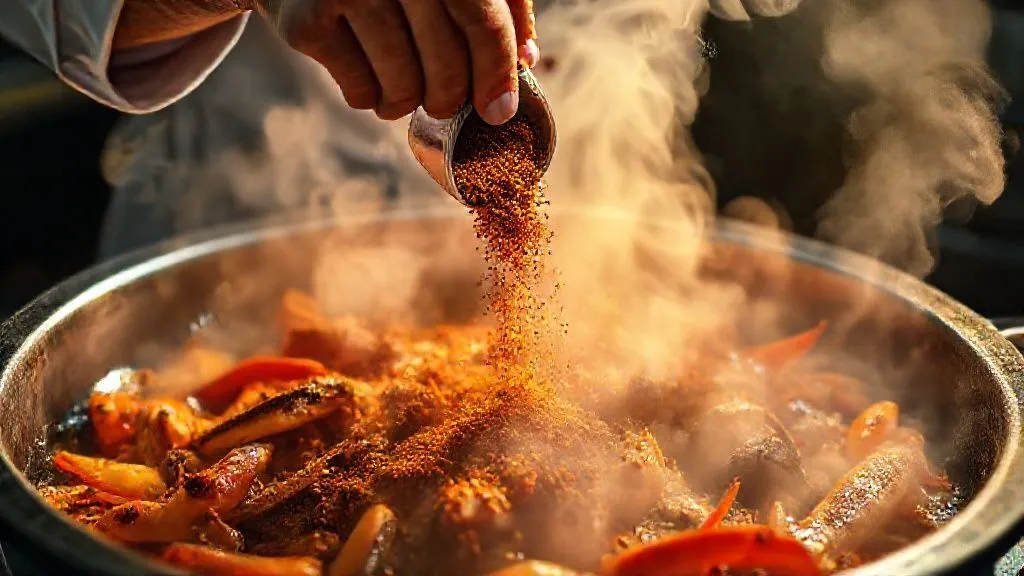
How to Guarantee Consistent Spice Level in 50-Person Seafood Boils?
For over two decades in the world of seafood boils, I've seen countless large gatherings fall victim to the 'spice lottery' – some guests rave about the perfect heat, while others complain about bland spots or an overwhelming inferno. It's a common, frustrating challenge, especially when you're cooking for 50 hungry people, where the stakes for consistency are incredibly high.
The problem isn't usually a lack of good intentions or even good ingredients; it's often a fundamental misunderstanding of how spices behave in bulk and the specific methodologies required to scale a recipe successfully. The casual 'dump and stir' approach that works for a small family pot simply won't cut it when you're dealing with dozens of pounds of shellfish and vegetables.
In this definitive guide, I'm going to share the exact frameworks, battle-tested techniques, and expert insights I've developed over years of catering large-scale seafood boils. You'll learn not just what to do, but why it works, ensuring every single person at your next 50-person seafood boil enjoys a perfectly balanced, consistently spiced experience, every single time.
The Foundation: Understanding Spice Dynamics in Large Batches
Before we even touch a measuring spoon, it's crucial to grasp the science behind why scaling spice for a 50-person seafood boil isn't as simple as multiplying by ten. This isn't baking, where ratios are often linear; spice absorption and distribution in a liquid medium like a boil are far more complex.
Why Scaling Spice Isn't Linear
When you scale a recipe from 5 people to 50, you're not just increasing the volume of ingredients; you're fundamentally altering the surface area-to-volume ratio, the heat dynamics, and the sheer amount of 'stuff' competing for spice absorption. A small pot has a high liquid-to-solid ratio, allowing spices to infuse easily. A massive pot, however, is often packed denser, meaning the liquid has to work harder to penetrate all ingredients evenly.
Furthermore, the perceived heat of a spice can change. Capsaicin, the compound responsible for chili heat, can bind to fats and proteins. In a large boil, with more shellfish and sausage, there are more binding sites, potentially muting the initial kick if not accounted for. This is why simply multiplying your small-batch spice amount often results in a milder-than-expected large batch.
The 'Spice Absorption' Factor
Different ingredients absorb spice at different rates and to varying degrees. Potatoes and corn are like sponges, soaking up flavor readily. Shrimp and crab, with their shells, are slower to absorb, primarily taking on flavor on their surface and within the meat. Sausage, being fatty, can 'hold' spice but also release it back into the broth. Understanding these variables is key to achieving consistency.
As culinary scientists often explain, flavor compounds are volatile and can be lost through evaporation, especially during long, vigorous boils. In a larger pot, with more surface area exposed to air and longer cooking times for some components, this loss can be more pronounced if you're not strategic.
Expert Insight: Never assume a direct linear scale for spice. Instead, think of it as a 'spice saturation' model – how much spice is needed to saturate the entire volume of food and liquid to a desired level, accounting for absorption, loss, and distribution challenges.
Precision in Measurement: Your First Line of Defense
The cornerstone of consistent spice in any large-scale operation, be it a seafood boil or a Michelin-star kitchen, is precise measurement. Eyeballing, even for seasoned chefs, introduces variability that simply cannot be tolerated when catering to 50 palates.
Standardizing Your Spice Blend
I always start by creating a master spice blend. This isn't just about convenience; it's about ensuring that every single pinch, scoop, or cup of 'boil seasoning' you add has the exact same ratio of ingredients. This eliminates the risk of accidentally adding too much cayenne in one batch and not enough garlic powder in another.
- Identify Your Core Spices: List every spice that goes into your signature boil (e.g., cayenne, paprika, garlic powder, onion powder, salt, black pepper, lemon pepper, dried herbs).
- Determine Ideal Ratios: Based on your small-batch success, establish a ratio for each spice. For example, for every 1 unit of cayenne, you might use 2 units of paprika, 1.5 units of garlic powder, etc.
- Weigh, Don't Measure by Volume: This is critical. Spices vary wildly in density. A cup of flaky paprika weighs differently than a cup of fine salt. Use a digital kitchen scale to weigh each spice.
- Create a Master Batch: Combine all your weighed spices in a large bowl. Whisk thoroughly until completely uniform. I often use a large commercial mixer for truly massive batches.
- Store Properly: Transfer your master blend to airtight containers. Label clearly with the date. Freshness matters!
By pre-mixing your seasoning, you ensure that every spoonful delivers the same flavor profile, whether you're adding it to the initial boil liquid or using it for a finishing dust. This simple step alone dramatically reduces variability.

For large-scale events, I recommend having several pre-measured portions of your master blend ready to go, perhaps in sealed bags or containers, each precisely weighed for a specific volume of liquid or amount of ingredients. This eliminates on-the-fly measurement errors during the heat of cooking.
The Layering Technique: Building Flavor from the Ground Up
Simply dumping all your spice blend into the boiling water at once is a rookie mistake for large boils. The key to consistency and depth of flavor is a multi-stage layering approach, ensuring spices are incorporated at different points of the cooking process.
Initial Infusion: The Boiling Liquid Base
This is where the foundation of your spice profile is laid. Add a significant portion (typically 50-60%) of your total spice blend directly into the water as it comes to a boil, along with aromatics like halved lemons, onions, and garlic. This allows the spices to bloom and create a deeply flavored broth that will begin to infuse the ingredients from the moment they are added.
This initial infusion should be robust but not overpowering. It's the baseline heat and flavor that everything else will build upon. Think of it as painting the first, broad strokes on your culinary canvas.
Mid-Cook Addition: Reinforcing the Heat
As ingredients are added – especially the hardier ones like potatoes and corn, and then later the sausage – the broth's spice concentration will naturally dilute as it's absorbed. This is the perfect time for a mid-cook spice addition (20-30% of your total blend). This re-energizes the broth and ensures that even ingredients added later get a fresh hit of flavor.
This stage is crucial for maintaining the desired spice level throughout the entire cooking process and compensating for any absorption or evaporation losses. I often add this mid-cook boost just after the potatoes have been in for 10-15 minutes, before the corn and shellfish go in.
Post-Cook Dusting: The Finishing Touch
For that immediate, vibrant kick and to ensure every piece of seafood looks as good as it tastes, a final dusting of spice is indispensable. This is a lighter application (10-20% of your blend) directly over the cooked ingredients as they are being drained or transferred to serving platters.
This surface application doesn't just add flavor; it also provides an aromatic burst and visual appeal. It's particularly effective for shellfish, whose shells don't absorb much spice, ensuring the first bite delivers the desired heat.
| Layering Stage | Timing | Spice % (Approx) | Purpose |
|---|---|---|---|
| Initial Infusion (Base) | Water comes to boil, before ingredients | 50-60% | Deep broth flavor, foundational heat |
| Mid-Cook Boost (Reinforcement) | After hardier veggies, before shellfish | 20-30% | Compensate absorption, maintain heat |
| Post-Cook Dusting (Finish) | As ingredients are drained/served | 10-20% | Immediate kick, aroma, visual appeal |
Batching and Distribution: Ensuring Uniformity for 50 Guests
Cooking for 50 people often means you're operating with multiple large pots or a single, extremely large vessel. How you manage these batches and distribute the finished product is paramount to consistent spice levels.
The Multi-Pot Approach vs. Single Large Vessel
In my experience, for 50 people, using two or three large 60-quart (or larger) pots is often more manageable than one colossal 100-quart pot. Why? Control. With multiple pots, you can:
- Better manage heat: Easier to bring to temperature and maintain a rolling boil.
- Control ingredient timing: Less risk of overcooking delicate items while waiting for tougher ones.
- Ensure even spice distribution: Easier to stir and ensure spices are incorporated throughout.
Strategic Stirring and Agitation
Regardless of your pot size, stirring is non-negotiable. Spices, especially ground ones, can settle at the bottom of the pot. Without regular, vigorous stirring, you'll create pockets of highly concentrated spice and areas where the flavor is noticeably weaker. I recommend stirring at least every 10-15 minutes, ensuring you scrape the bottom and sides to redistribute settled spices and infused liquid.

When you're ready to serve, the way you drain and present the boil also impacts consistency. Rather than simply scooping from the top, I advocate for a 'bottom-up' serving strategy or thorough mixing in a large trough. This ensures that the richly spiced liquid that settles at the bottom is evenly distributed across all serving portions. For more on large-scale food handling, consult resources like FoodSafety.gov's guidelines for large events.
The 'Taste-Test Matrix': Calibrating for Consistency
Even with all the precision in the world, the final arbiter of spice consistency is taste. But 'taste testing' for 50 people isn't a one-person job, nor should it be haphazard. You need a standardized protocol.
Developing a Standardized Tasting Protocol
Here's how I approach it:
- Multiple Tasters: Recruit 2-3 trusted individuals with varying spice tolerances. This provides a spectrum of feedback.
- Blind Tasting (Optional but Recommended): If possible, have tasters sample from different pots or different sections of a large pot without knowing which is which.
- Specific Feedback Points: Provide a simple scorecard. Ask them to rate on a scale of 1-5 for: Initial Heat, Lingering Heat, Overall Flavor Balance, Saltiness, and Garlic/Onion Presence.
- Sample Different Components: Don't just taste the liquid. Taste a potato (sponge), a shrimp (surface absorption), and a piece of sausage (fatty carrier). This gives a comprehensive view.
- Adjust Incrementally: If adjustments are needed, add spices in small, measured increments, stir thoroughly, and re-taste. It's easier to add more heat than to take it away.
Case Study: 'The Bayou Bash' Consistency Challenge
I once consulted for a large outdoor event, 'The Bayou Bash,' where the organizers were struggling with feedback about inconsistent spice levels in their 100-person seafood boils. Their method involved one large pot and a single chef who 'eyeballed' spice additions.
By implementing my three-step tasting protocol – using three different tasters (one mild, one medium, one hot preference) and a standardized scorecard – we quickly identified that the bottom third of their pot was significantly spicier than the top. The solution was two-fold: switching to two 75-quart pots for better heat and stirring management, and introducing two mid-cook spice additions instead of just one initial dump. This resulted in a dramatic improvement in consistency, with post-event surveys showing a 95% satisfaction rate for spice levels, a significant jump from their previous 60%.
Expert Insight: Your palate is a powerful tool, but it's subjective. For large-scale consistency, transform subjective taste into objective data through a structured tasting matrix.
Ingredient Sourcing & Quality: The Unsung Heroes of Spice
You can have the best technique in the world, but if your ingredients are subpar, your spice consistency will suffer. The quality and type of your components play a surprisingly significant role.
Freshness of Spices Matters
Stale spices lose their potency and vibrancy. A cayenne pepper that's been sitting in your pantry for three years will deliver far less heat than a fresh one. Always source your spices from reputable suppliers and ensure they are relatively fresh. Buy whole spices and grind them yourself for maximum impact, or purchase smaller quantities of ground spices more frequently.
The grind size also matters. Finer grinds dissolve and distribute more easily in liquid, providing a more immediate and uniform heat. Coarser grinds may settle more and release their flavor slower, which can be an advantage for sustained heat but a challenge for initial consistency.
Impact of Shellfish Size and Density
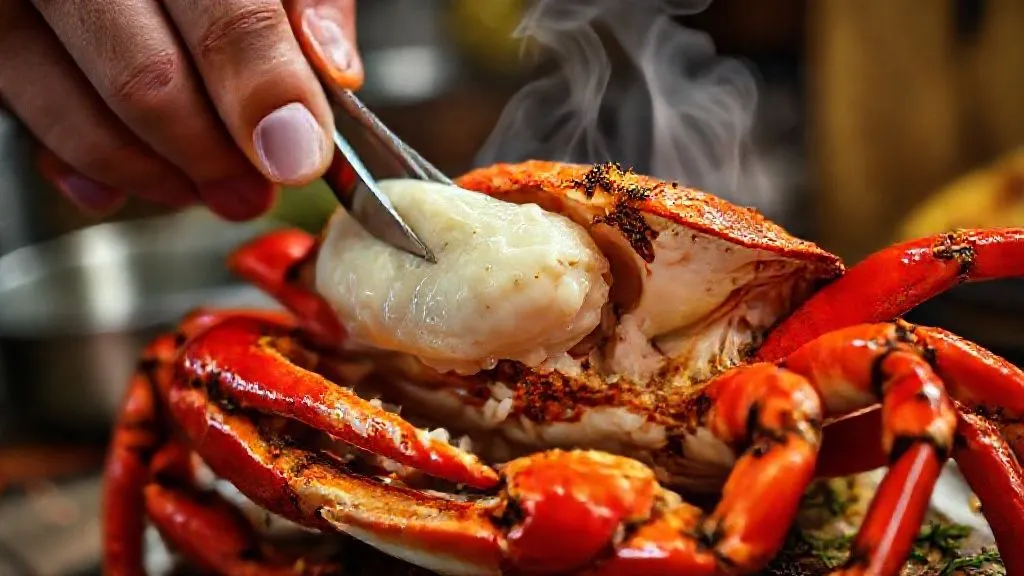
Consider the size and type of your shellfish. Larger crabs or denser crawfish will require more time in the spiced liquid to absorb flavor compared to smaller shrimp. If your boil includes a mix of large and small items, you'll need to adjust cooking times or, ideally, add them in stages to ensure everything is perfectly cooked and seasoned.
The amount of shell-on items versus peeled items also affects overall spice. Shells act as a barrier, meaning the spice primarily adheres to the surface or infuses into the meat through cracks. Peeled shrimp, on the other hand, will absorb flavor much more readily. Factor this into your spice layering strategy.
Equipment and Environment: Controlling the Variables
The tools you use and the environment you cook in are not minor details; they are critical variables that directly impact your ability to maintain consistent spice levels.
Boiler Size and Heat Distribution
A pot that's too small for the volume of food will lead to overcrowding, uneven cooking, and difficulty in stirring and distributing spice. Aim for a pot that allows enough head space for a vigorous boil and ample room for ingredients to circulate. For 50 people, two 60-quart pots or one 100-quart pot are generally good starting points.
The heat source is equally important. A powerful propane burner is almost a necessity for large boils, ensuring you can bring massive volumes of water to a rolling boil quickly and maintain that heat even after adding cold ingredients. Uneven or insufficient heat will result in sluggish cooking and poor spice infusion.
Serving Strategies for Even Distribution
How you serve a 50-person boil is just as important as how you cook it. Simply scooping from the top of a serving pot can lead to inconsistencies. The richly spiced liquid, seasonings, and smaller components tend to settle at the bottom of the pot or serving trough.
I advocate for either:
- The 'Trough Method': Drain the entire boil into a large, clean, food-grade trough or insulated cooler. Then, use a large paddle to gently but thoroughly mix all the components together before serving. This ensures every scoop contains a representative mix of ingredients and spice level.
- Batch Mixing: If using multiple smaller serving platters, mix each platter individually as you load it, ensuring a good distribution of liquid and settled spices.

Don't forget the 'juice' – the seasoned liquid. Many guests will want to drizzle extra liquid over their plates. Ensure this liquid is also consistently spiced, perhaps by reserving some of the initial boil liquid and keeping it warm, or by having a separate, well-seasoned broth available. The importance of attention to detail in every step cannot be overstated.
Advanced Tips & Troubleshooting for Large-Scale Boils
Even with the best planning, sometimes things don't go perfectly. Here are some advanced strategies and troubleshooting tips to ensure your 50-person boil is always a success.
The 'Spice Buffer' Concept
I often incorporate a 'spice buffer' into my initial calculations. This means I plan for about 5-10% more spice than I think I'll need, but don't add it all at once. I hold back that buffer, ready to deploy it if my taste tests indicate the boil is running a little mild. It's much easier to add spice than to subtract it. This buffer gives you flexibility and a safety net without over-committing to a high heat level upfront.
This buffer can be added during the mid-cook stage or even as a final, light dusting just before serving, depending on where the spice deficiency is most apparent.
Addressing Spice Fallout in Serving Trays
Once you transfer your boil to serving trays or a communal trough, gravity and moisture can cause some of the fine spice particles to settle or stick to the bottom. To combat this, have a small amount of your master spice blend, perhaps mixed with a touch of melted butter or oil, ready to be tossed with the ingredients in the serving vessel. This creates a fresh, vibrant coating and ensures that even the last scoops are as flavorful as the first.
Another trick is to lightly mist the boil with a mixture of seasoned water or broth and a touch of oil as it sits in the serving vessel. This keeps the surface moist and helps spice adhere.
| Problem | Solution |
|---|---|
| Boil tastes bland after initial taste test | Activate 'Spice Buffer': Add 5-10% more spice blend during mid-cook or just before serving. Ensure thorough stirring. |
| Uneven spice distribution in serving trough | Thoroughly mix boil in trough with a large paddle before serving. Consider a final light dusting of spice blend mixed with a touch of oil. |
| Some ingredients (e.g., potatoes) are too spicy, others (e.g., shrimp) are bland | Refine layering technique: Reduce initial spice, increase mid-cook and post-cook dusting. Adjust ingredient addition timing. |
| Spice settles at bottom of pot during cooking | Increase frequency and vigor of stirring, ensuring paddle reaches the bottom of the pot to redistribute settled spices. |

Frequently Asked Questions (FAQ)
Question: Can I prepare my spice blend days in advance? Absolutely! Preparing your master spice blend several days or even weeks in advance is highly recommended. Store it in an airtight container in a cool, dark place. This not only saves time on the day of the boil but also ensures consistency in every batch you make. Just ensure your spices are fresh to begin with.
Question: How do I adjust for guests with varying spice tolerances in a 50-person boil? While you can't make every piece of seafood a different spice level, you can offer options. Prepare the main boil at a medium-to-medium-hot level. Then, have extra melted butter infused with a very mild spice blend (e.g., just paprika, garlic, and a hint of cayenne) and another with a much hotter blend (more cayenne or even a touch of ghost pepper powder) available on the side for guests to customize their plates. Also, provide cooling agents like lemon wedges, sour cream, or plain rice.
Question: What's the best way to keep the boil warm for a large group without overcooking? Once cooked, drain the boil thoroughly and transfer it to large, insulated food-grade coolers. These will keep the food hot for hours without continuing to cook it. A layer of foil on top before sealing the cooler helps trap steam and heat. Avoid leaving it in the cooking liquid for too long, as this can make ingredients mushy and dilute surface spice.
Question: Does the type of water (tap vs. filtered) affect spice consistency? While the mineral content of water can subtly affect flavor, for spice level consistency, it's generally not a primary concern unless your tap water has a very strong, distinct taste (e.g., high sulfur). The sheer volume of spices and aromatics in a seafood boil tends to overshadow minor water differences. Focus on consistent temperature and volume.
Question: How can I ensure the spice penetrates thicker items like crab clusters? For thicker items, pre-scoring or lightly cracking the shells before adding them to the boil can significantly help spice penetration. Also, ensure these items get adequate time in the boiling, spiced liquid. The layering technique, especially the mid-cook addition, is vital here, as it re-ups the spice concentration in the broth these items are soaking in.
Key Takeaways and Final Thoughts
Achieving a consistent spice level in a 50-person seafood boil is not an art of guesswork; it's a science of precision, planning, and systematic execution. As an experienced specialist, I've seen the transformation from chaotic, inconsistent boils to beautifully balanced, crowd-pleasing feasts by adhering to these principles.
- Precision is Paramount: Always weigh your spices and create a standardized master blend.
- Layer Your Flavors: Employ a multi-stage spice addition (initial, mid-cook, post-cook) for depth and consistency.
- Manage Your Batches: Opt for multiple pots or ensure vigorous, thorough stirring in a single large vessel.
- Calibrate with Care: Implement a structured, multi-person taste-test matrix to fine-tune your spice.
- Don't Forget the Details: Quality ingredients, proper equipment, and smart serving strategies are non-negotiable.
Embrace these strategies, and you'll move beyond hoping for a good boil to guaranteeing a spectacular one. Your guests will thank you, and you'll earn a reputation for consistently delivering the perfect, spicy seafood experience. Go forth and boil with confidence!
Recommended Reading
- Mastering Hollow Choux: 7 Pro Steps for Perfect Pastry Centers
- Unlock Juicy Poultry: Best Sous Vide Infusion Techniques
- Why Sous Vide Dishes Lack Aroma? 7 Expert Fixes for Flavorful Innovations
- Master Mise en Place: 7 Pro Strategies for High-Pressure Service
- Scaling Thai Curry Paste: 7 Steps to Authentic Flavor & Efficiency
0 Comentários: