 By
By 
How to Make Superfood Recipes Palatable for Picky Executive Clients?
For over 15 years in the high-end culinary and healthy eating space, I've had the unique challenge and privilege of catering to some of the most discerning palates: executive clients. I've seen countless well-intentioned attempts to introduce 'healthy' options fall flat because they simply didn't understand the nuances of what makes food truly appealing to those accustomed to fine dining and often, very specific tastes.
The problem isn't the superfoods themselves; it's the perception and presentation. Executives are busy, often stressed, and their meals are not just fuel but often a part of their social and business interactions. They prioritize taste, familiarity, and an elevated experience, and often view overtly 'healthy' food as bland, restrictive, or uninspiring. This creates a significant hurdle for corporate wellness initiatives and personal health goals alike.
This article isn't about compromising health for taste; it's about elevating healthy eating to an art form that resonates with executive expectations. I'll share actionable frameworks, real-world analogies, and expert insights drawn from my extensive experience to show you how to transform superfood recipes into irresistible culinary experiences that even the pickiest executive client will not only accept but genuinely enjoy.
Understanding the Executive Palate: Beyond Just "Healthy"
Before we can transform superfoods, we must first understand the unique psychology and preferences that shape the executive palate. It's rarely about a conscious aversion to health; it's often a subconscious rejection of what they perceive as a downgrade in their dining experience.
The Psychology of Discerning Tastes
Executives are often exposed to high-quality ingredients, sophisticated cooking techniques, and impeccable presentation. Their taste memory is rich with complex flavor profiles and satisfying textures. When presented with something that deviates too far from this standard, even if nutritionally superior, it can trigger a negative response. The 'healthy' label itself can sometimes be a barrier, conjuring images of steamed vegetables and plain chicken.
In my experience, the key is to respect their existing preferences while subtly introducing new elements. It’s about evolution, not revolution, on their plate. As culinary expert Alice Waters famously said, "You don't have to cook fancy or complicated masterpieces – just good food from fresh ingredients." We're just adding the 'super' to 'good food'.
Common Executive Food Preferences & Aversions
While individual tastes vary, I've observed some common patterns. Executives often prefer well-seasoned dishes, rich (but not necessarily heavy) sauces, perfectly cooked proteins, and a balance of flavors. Aversions often include overly bitter tastes, mushy textures, raw or undercooked vegetables in large quantities, and anything that looks overtly 'diet' or 'health food'. They appreciate a dish that tells a story, not just one that fills a nutritional quota.
"The secret to winning over a discerning palate isn't masking ingredients, but rather enhancing them to their fullest potential, ensuring every bite offers a harmonious symphony of flavor and texture that delights without overtly announcing its health benefits."
Mastering Flavor Elevation: The Culinary Art of Disguise
This is where the magic happens. It’s not about hiding superfoods, but integrating them so seamlessly that they become an integral part of a delicious, gourmet dish. The focus shifts from the 'health' aspect to the 'taste' and 'experience'.
Umami Bomb: Leveraging Savory Depth
Umami, the fifth basic taste, is your best friend when dealing with picky eaters. Ingredients rich in umami naturally enhance the savory depth of a dish, making it more satisfying and complex. Think mushrooms, aged cheeses (sparingly, if dairy is a concern), nutritional yeast, sun-dried tomatoes, seaweed (like nori or kombu in broths), and even a dash of tamari or coconut aminos.
For instance, finely chopped mushrooms can be sautéed and blended into a rich sauce or a vegetable purée, adding an earthy depth without an obvious 'mushroomy' taste. A touch of nutritional yeast in a 'cheese' sauce made from cashews can mimic that familiar savory richness, making a cauliflower gratin utterly irresistible. Forbes highlights how umami can even impact well-being, underscoring its appeal.
The Power of Aromatic Herbs and Spices
Fresh herbs like basil, cilantro, parsley, mint, and tarragon bring vibrant, complex notes. Dried spices such as smoked paprika, cumin, coriander, turmeric, and cardamom can transform a simple dish into an exotic delight. The key is layering: start with whole spices toasted in oil, then add ground spices, and finish with fresh herbs just before serving to preserve their bright flavors.
Imagine a vibrant quinoa salad. Instead of just lemon and salt, infuse it with toasted cumin, fresh mint, and a hint of smoked paprika. These aromatics elevate the dish from basic to gourmet, making the quinoa (a fantastic superfood) a welcome component rather than a 'healthy grain'.

Strategic Sweetness: Natural & Balanced
When sweetness is desired, opt for natural, unrefined sources that offer additional nutrients. Dates, berries, maple syrup, honey, and ripe fruits can provide sweetness without the sugar crash. A date-sweetened chocolate avocado mousse, for example, is decadent, rich, and packed with healthy fats and antioxidants, yet feels like a luxurious dessert.
The goal is balance. A dish shouldn't be overtly sweet unless it's a dessert. A hint of sweetness can balance bitterness or acidity, creating a more rounded and appealing flavor profile.
Texture & Presentation: The Unsung Heroes of Appeal
Often overlooked, texture and presentation are paramount in appealing to an executive client. They eat with their eyes first, and a dish that looks sophisticated and offers varied textures is far more enticing than one that looks monotonous.
The Importance of Contrast in Texture
A dish that is all soft or all crunchy quickly becomes boring. Aim for a symphony of textures: creamy avocado, crisp roasted nuts, chewy grains, tender protein, and crunchy fresh vegetables. This contrast keeps the palate engaged and makes each bite interesting.
Consider a lentil salad. Instead of just soft lentils, add toasted walnuts for crunch, finely diced bell peppers for a crisp bite, and a creamy, herbed dressing. These textural elements transform a humble superfood into a dynamic culinary experience.
Visual Gastronomy: Plating for Impact
Plating is not just for Michelin-star restaurants; it's essential for executive dining. Use color, height, and negative space to create a visually stunning dish. A sprinkle of fresh herbs, a drizzle of contrasting sauce, or a perfectly placed edible flower can elevate a simple meal.
- Use Color: Incorporate a variety of naturally vibrant ingredients. Think purple cabbage, orange sweet potatoes, green spinach, and red berries.
- Create Height: Stack components, lean ingredients, or use molds to add dimension.
- Define Negative Space: Don't overcrowd the plate. Let the components breathe and stand out.
- Garnish Thoughtfully: A sprig of fresh herb, a few toasted seeds, or a swirl of sauce can complete the picture.
As The Culinary Institute of America emphasizes, presentation is a critical component of the dining experience, influencing perception of taste and quality.

Ingredient Integration: Subtlety is Key
Introducing superfoods should be a gradual, almost imperceptible process. The goal is to make them feel like a natural, delicious part of the meal, not an obvious 'healthy addition'.
Blending Superfoods Seamlessly
Many superfoods can be integrated without significantly altering the texture or flavor of a familiar dish. Spinach or kale can be blended into smoothies, sauces, or soups. Cauliflower can be puréed into mashed potatoes or rice. Chia seeds can thicken dressings or add nutrients to overnight oats. Flaxseed meal can be added to baked goods.
For example, a rich, creamy tomato sauce can get a nutrient boost from puréed red bell peppers and carrots, or even a handful of spinach, adding vitamins and fiber without changing the beloved flavor profile. This approach minimizes the 'shock factor' for picky eaters.
"Gateway" Superfoods for the Skeptic
Start with superfoods that are already widely accepted for their taste and versatility. Avocado, salmon, berries, almonds, quinoa, and olive oil are excellent entry points. These ingredients are delicious on their own and can be easily incorporated into a variety of dishes without raising an eyebrow.
"When introducing new superfoods to a resistant palate, begin with ingredients that offer inherent deliciousness and familiar textures. Build trust with the familiar before venturing into the truly novel."
Once these 'gateway' superfoods are embraced, you can gradually introduce more unique options, perhaps by combining them with the established favorites.
Case Study: Transforming the Boardroom Buffet
How LuxeCorp Embraced Nutrient-Dense Delights
LuxeCorp, a high-profile financial firm, faced a common challenge: their executive team, while demanding peak performance, often relied on heavy, carb-laden catering for their long meetings. This led to post-lunch slumps and a general lack of energy. Their initial attempts to introduce 'healthy' options were met with polite but firm resistance; executives simply gravitated towards the familiar comfort foods.
I was brought in to overhaul their executive dining program. Instead of replacing their beloved dishes, we focused on strategic upgrades and subtle introductions. We didn't eliminate the pasta; we served a whole-wheat pasta primavera bursting with seasonal vegetables, a light pesto made with spinach and walnuts, and grilled chicken breast. The bread basket was still present, but alongside artisanal sourdough, we offered gluten-free seed crackers and an olive tapenade rich in healthy fats.
- Strategic Upgrades: Swapped white rice for a flavorful quinoa pilaf in side dishes.
- Flavor-Forward Integration: Lentil soup was made with smoked paprika and roasted vegetables, presented as a gourmet starter.
- Elegant Presentation: Every dish, from a simple fruit salad to a vibrant salmon entrée, was plated with attention to detail, making it visually appealing.
- Subtle Education: We provided small, elegant cards highlighting the *energy-boosting* and *focus-enhancing* qualities of the ingredients, rather than just 'healthy'.
The results were remarkable. Within three months, executive feedback shifted from resistance to appreciation. They reported sustained energy levels throughout the afternoon, improved focus, and even requested specific 'superfood-enhanced' dishes. LuxeCorp saw a noticeable uptick in afternoon productivity, demonstrating that palatable superfood integration is not just possible, but highly beneficial.
Strategic Menu Planning: Balancing Familiarity with Innovation
Successful superfood integration in an executive setting requires thoughtful menu planning that respects tradition while subtly pushing boundaries. It’s a delicate dance between comfort and culinary adventure.
The 80/20 Rule: Comfort Meets Adventure
A good rule of thumb is to ensure 80% of the menu feels familiar and comforting, while 20% introduces innovative superfood elements. This ratio provides a sense of security while gently encouraging exploration. For example, if serving a classic beef tenderloin, pair it with a vibrant purée of sweet potato and turmeric, and a side of roasted asparagus with toasted almonds, rather than a heavy potato gratin.
This allows executives to choose familiar items but still be exposed to the enhanced, nutrient-dense components that elevate the overall meal. It's about making healthy choices the path of least resistance and greatest reward.
Customization and Dietary Accommodations
Executive clients often have specific dietary preferences or restrictions. Being able to seamlessly integrate superfoods while accommodating gluten-free, dairy-free, vegetarian, or other needs is crucial. Many superfoods are naturally aligned with these dietary needs, making them excellent choices for inclusive menus. For example, quinoa is naturally gluten-free, avocados are dairy-free and rich in healthy fats, and berries are suitable for most diets.
Here's a comparison of how traditional executive catering might be subtly upgraded with superfood integration:
| Meal Course | Traditional Offering | Superfood-Integrated Offering |
|---|---|---|
| Appetizer | Mini Quiches, Cheese & Crackers | Smoked Salmon & Dill Cucumber Bites, Edamame Hummus with Seed Crackers |
| Main Course | Chicken Caesar Salad, Beef Wellington | Grilled Halloumi & Kale Salad with Citrus Vinaigrette, Pan-Seared Cod with Forbidden Rice & Roasted Asparagus |
| Side Dish | Creamed Spinach, Au Gratin Potatoes | Sautéed Garlic Spinach with Toasted Pine Nuts, Cauliflower & Turmeric Mash |
| Dessert | Chocolate Lava Cake, Cheesecake | Avocado Chocolate Mousse with Berries, Greek Yogurt Parfait with Granola & Chia Jam |
Educating Without Preaching: The Art of Subtle Persuasion
Directly lecturing executives about the benefits of kale is rarely effective. Instead, focus on the tangible, immediate benefits that resonate with their professional lives: sustained energy, enhanced focus, improved mood, and sharper cognitive function. These are the aspects of health they truly value.
Highlighting Benefits Beyond "Health"
When presenting a dish, you might casually mention, "This wild salmon is fantastic for brain function and sustained energy, perfect for your afternoon meetings." Or, "The antioxidants in these berries are great for mental clarity." Frame the conversation around performance and well-being, not just 'eating your vegetables'.
According to a Harvard Business Review article, what you eat directly affects your ability to lead and perform. This is the language that resonates with executives.
Engaging with Executive Chefs and Catering Teams
Your culinary team is your greatest asset. Educate them on the principles of superfood integration, emphasizing flavor, texture, and presentation. Encourage them to experiment and innovate. A chef who understands the 'why' behind the superfoods will be more invested in making them delicious.
Provide them with resources, workshops, and tasting sessions. Show them how a simple ingredient swap can elevate a dish from 'healthy' to 'gourmet'. Their creativity and buy-in are indispensable for long-term success.
Addressing Common Objections & Feedback
Even with the best intentions, you will encounter feedback and objections. The key is to listen, empathize, and adapt.
"It Tastes Too Healthy": Flavor Adjustments
This is a common complaint that usually means the dish is lacking in salt, fat (healthy fats!), acidity, or umami. Don't be afraid to adjust. A squeeze of lemon, a drizzle of high-quality olive oil, a sprinkle of flaky sea salt, or a dash of a savory spice blend can often transform a 'too healthy' dish into a 'just right' one. Sometimes, even a small amount of a rich, full-fat ingredient (like a few shavings of Parmesan or a dollop of Greek yogurt) can make all the difference.
"I Don't Have Time": Efficiency in Preparation
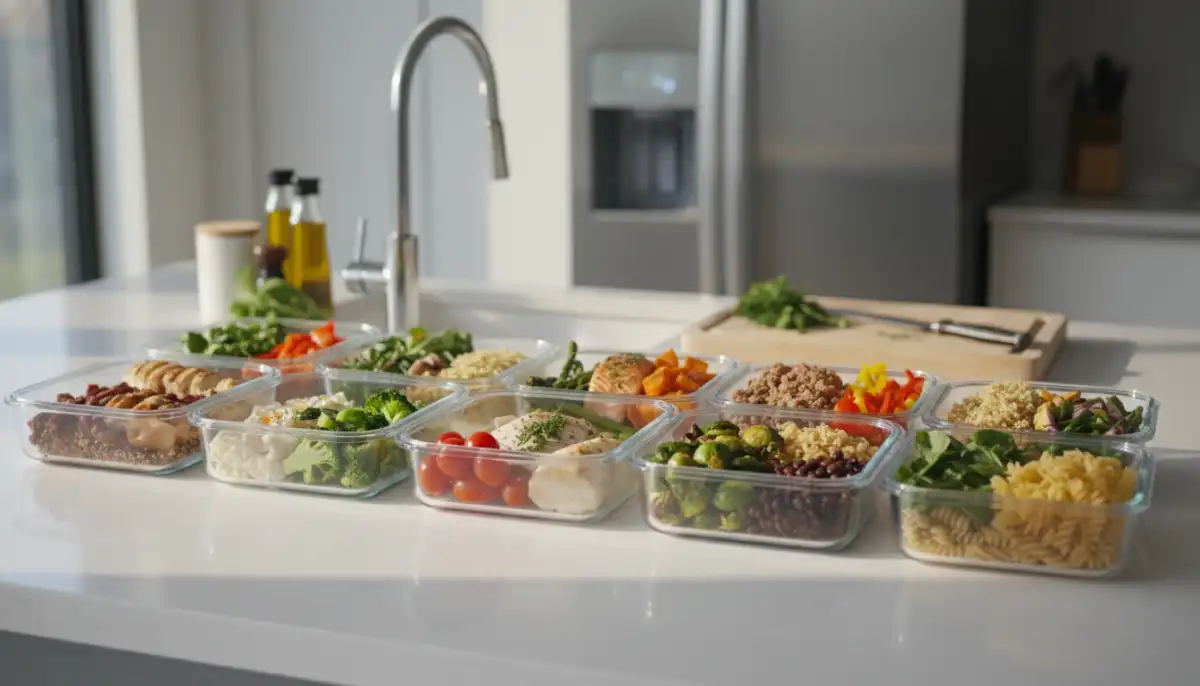
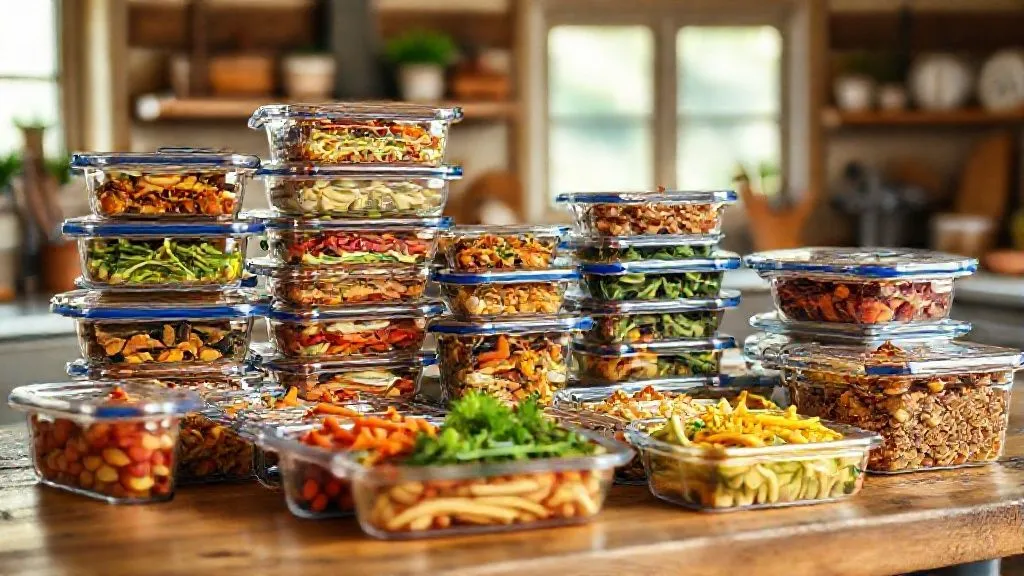
For executive clients who are short on time, emphasize dishes that are quick to prepare, can be made in advance, or are perfectly suited for on-the-go consumption. Smoothies, overnight oats, layered salads, and meal-prepped bowls are excellent options.
- Batch Cooking: Prepare grains, roasted vegetables, and proteins in larger quantities for multiple meals.
- Smart Assembly: Focus on dishes that require minimal last-minute cooking, primarily assembly.
- Portable Solutions: Design meals that are easy to transport and eat discreetly, such as bento boxes or mason jar salads.

Frequently Asked Questions (FAQ)
Q: What are the top 3 superfoods to start with for picky eaters among executive clients? A: I'd recommend starting with Avocado for its creamy texture and healthy fats, easily integrated into smoothies, salads, or as a spread. Next, Wild Salmon for its rich flavor, protein, and omega-3s, which is often already accepted in high-end dining. Finally, Berries (like blueberries or raspberries) for their natural sweetness, vibrant color, and antioxidant power, perfect in desserts, breakfast items, or as a snack. These are generally well-received and versatile.
Q: How can I ensure the food stays fresh and appealing for long executive meetings? A: Focus on dishes that hold well at room temperature or can be easily kept in warmers/coolers without degrading quality. Avoid delicate greens that wilt quickly. Layering ingredients (e.g., in a salad jar with dressing at the bottom) can prevent sogginess. Use sturdy vegetables like roasted root vegetables or grains. For warm dishes, ensure proper temperature control to maintain both safety and palatability. Individual portions also help maintain freshness and presentation.
Q: Is it possible to make superfood desserts palatable for executives? A: Absolutely! The key is to focus on rich textures and familiar flavors. Think avocado chocolate mousse (rich, creamy, decadent), date-sweetened energy bites coated in cocoa and nuts, or fruit crumbles with an oat and nut topping. Use natural sweeteners strategically and incorporate healthy fats (like nuts, seeds, or coconut milk) to achieve that satisfying mouthfeel associated with traditional desserts. Presentation is crucial here too; small, elegant portions work best.
Q: How do I handle specific dietary restrictions (e.g., gluten-free, keto) while integrating superfoods? A: Many superfoods are naturally compliant with common dietary restrictions. For gluten-free, lean on quinoa, millet, buckwheat, and gluten-free oats. For keto, focus on avocados, nuts, seeds, leafy greens, and fatty fish. The challenge is ensuring the *entire meal* is compliant and delicious. Always label dishes clearly and offer a variety of options. Cross-contamination is a serious concern, so meticulous kitchen practices are essential. Communication with the client about their specific needs is paramount.
Q: What's the biggest mistake people make when introducing superfoods to a high-end clientele? A: The biggest mistake is prioritizing 'health' over 'deliciousness' and 'experience'. When a dish is presented as overtly 'healthy' without attention to gourmet flavor, texture, and presentation, it immediately creates resistance. It's not about forcing superfoods; it's about crafting a meal that is so undeniably delicious and aesthetically pleasing that the health benefits become a delightful bonus, not the main selling point.
Key Takeaways and Final Thoughts
Making superfood recipes palatable for picky executive clients isn't about compromise; it's about elevated culinary intelligence. It requires a deep understanding of taste psychology, a mastery of flavor and texture, and an unwavering commitment to presentation. By integrating superfoods subtly and strategically, you can transform perceived 'health food' into sought-after gourmet experiences.
- Prioritize Flavor & Texture: These are the ultimate gatekeepers to executive palates.
- Master the Art of Disguise: Blend, purée, and season superfoods to enhance, not dominate.
- Embrace Visual Gastronomy: A beautifully plated dish is halfway to acceptance.
- Start with Gateway Superfoods: Build trust with familiar, delicious options.
- Educate Subtly: Focus on performance and well-being, not just 'health'.
- Listen and Adapt: Use feedback to refine and improve your offerings continually.
In my journey, I've learned that the most effective way to foster healthy eating among discerning individuals is to make it irresistible. By applying these strategies, you're not just serving food; you're cultivating a culture of vibrant well-being, one delicious, nutrient-dense bite at a time. Go forth and transform your executive dining experience!
Recommended Reading
- Safe Smoked Meat: 7 Steps to Long-Term Preservation Without Botulism
- Cracking the Collapse: Why Your Commercial Gluten-Free Bread Fails & 5 Fixes
- Unlock Culinary Joy: 15+ Fun Oven-Free Cooking Activities for Kids!
- Mastering Brisket: 7 Pro Strategies to Prevent Drying in Large Batches
- Batch Grilling Diverse Veggies: 7 Expert Steps for Large Events, No Mush!


0 Comentários: