 By
By 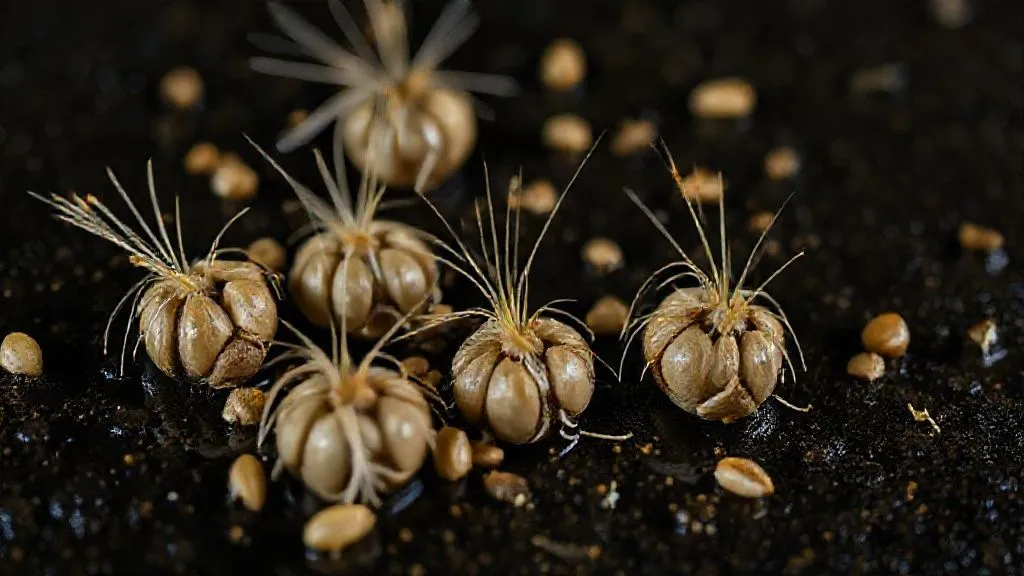
How to fix inconsistent germination for high-quality craft malting?
For over two decades in the craft malting and brewing industry, I've witnessed firsthand the passion and dedication that goes into producing exceptional ingredients. Yet, I've also seen countless aspiring maltsters and even seasoned professionals grapple with a silent saboteur: inconsistent germination. This isn't just a minor hiccup; it’s a fundamental flaw that can undermine your entire process, from enzyme development to extract yield, ultimately impacting the very soul of your beer.
The frustration is palpable when you open a germination box or turn a floor malt and see a patchwork of vigorous growth alongside dormant kernels or even mold. This variability not only leads to wasted raw materials and energy but also creates unpredictable malt performance, making it nearly impossible to brew with confidence. It’s a problem that demands a systematic, expert-driven approach, not guesswork.
In this definitive guide, I'll share the actionable frameworks, hard-won insights, and practical strategies I've developed over years of troubleshooting malting operations. We'll delve deep into the science and art of achieving uniform germination, providing you with a clear blueprint to fix inconsistent germination for high-quality craft malting, ensuring every batch you produce is a testament to precision and excellence. Prepare to transform your malting process from a variable challenge into a consistent triumph.
Understanding the Root Causes of Germination Variability
Before we can fix inconsistent germination, we must first understand its multifaceted origins. Germination isn't a single event but a complex biological process influenced by numerous factors, many of which begin long before the barley even touches water in your malt house.
The Barley's Journey: From Field to Steep
The journey of your barley grain starts in the field, and its genetic makeup, along with environmental conditions during growth and harvest, profoundly impacts its malting potential. Different barley varieties possess varying levels of dormancy and water sensitivity. A batch harvested wet and improperly dried, or stored in fluctuating conditions, can develop uneven dormancy, leading to a staggered start in germination.
Expert Insight: "Never underestimate the power of your raw material. High-quality, healthy barley with low dormancy is the bedrock of consistent malting. Invest in understanding your varietal and its history."
Even after careful selection, issues like physical damage during threshing or transport can compromise the pericarp, creating entry points for microbes or causing uneven water uptake. Understanding your grain's specific characteristics and history is the first critical step.
For more detailed information on barley dormancy and its implications for malting, I highly recommend exploring research from agricultural science institutions like the USDA Agricultural Research Service.
The Art and Science of Steeping: Foundation for Consistency
Steeping is arguably the most critical stage for setting the foundation for consistent germination. It's where the dormant barley awakens, absorbing water and initiating metabolic processes. Mistakes here ripple through the entire malting process.
Water Quality and Temperature
The quality of your water — its pH, mineral content, and microbial load — can significantly impact water uptake and subsequent germination. I've seen operations struggle simply because they hadn't considered their water profile. Similarly, maintaining a consistent water temperature throughout the steep is paramount. Fluctuations can cause uneven hydration, as different parts of the grain bed react differently.
Steep-Rest Cycles and Oxygenation
Modern malting often employs steep-rest cycles, where the grain is periodically drained and exposed to air. This oxygenation is vital for the embryo's respiration and metabolism, preventing an anaerobic environment that can lead to 'smothering' and poor germination. The duration and frequency of these cycles must be precisely controlled based on the barley's dormancy and desired moisture content.
- Optimal Steep Temperature: Typically 12-16°C (54-61°F) for most barley varieties.
- Target Moisture Content: Aim for 42-46% moisture in the kernel post-steep, depending on the variety and desired modification.
- Oxygenation Intervals: Regular air rests (e.g., 2-4 hours every 8-12 hours of steep) are crucial.

Achieving the correct moisture content uniformly across the entire batch is the primary goal of steeping. Uneven moisture means uneven germination. For deeper dives into steeping science, resources like the Master Brewers Association of America offer excellent technical papers.
Precision Germination: Controlling the Environment
Once steeped, the barley moves to the germination phase, where controlled conditions are paramount for uniform growth. This is where the magic — and frustration — often happens.
Temperature Uniformity and Control
Temperature is the single most influential factor during germination. Even a few degrees' difference across the malt bed can lead to significant variations in enzyme development and acrospire growth. Whether you're using a floor malt, a Saladin box, or a drum malt, ensuring consistent air temperature and managing the exothermic heat generated by the germinating grain is critical. Proper insulation, ventilation, and turning are key.
Moisture Management and Turning
The germinating grain continues to respire and consume moisture. Maintaining optimal moisture levels without over-wetting or drying out is a delicate balance. Regular turning, especially in floor malting, serves multiple purposes: it aerates the bed, prevents root matting, dissipates heat, and helps redistribute moisture. The frequency and gentleness of turning are crucial to prevent physical damage to delicate rootlets and acrospires.
Expert Insight: "Think of your germination bed as a living organism. It needs consistent temperature, fresh air, and just the right amount of hydration to thrive. Neglect any of these, and consistency will suffer."
- Common Mistake 1: Insufficient turning leading to hot spots and root matting.
- Common Mistake 2: Over-humidification causing mold growth.
- Common Mistake 3: Ignoring temperature gradients within the bed.
Here's a general guideline for optimal germination parameters, though these can vary by barley variety:
| Parameter | Optimal Range | Impact of Inconsistency |
|---|---|---|
| Germination Temperature | 14-18°C (57-64°F) | Uneven enzyme development, variable acrospire growth |
| Relative Humidity | 95-100% | Drying out, mold growth |
| Turning Frequency (Floor) | Every 8-12 hours | Hot spots, root matting, uneven aeration |
| Target Acrospire Length | 0.75-1.25 times kernel length | Under/over modification, poor extract |
Monitoring and Assessment: Your Eyes on the Malt Bed
You can't fix what you don't measure. Diligent monitoring is non-negotiable for achieving consistent germination. This goes beyond just checking the thermometer on the wall.
Visual Inspection and Acrospire Development
Regular visual inspection is your primary tool. Learn to recognize healthy, uniform germination. Look for bright, white rootlets (chitting) emerging simultaneously, followed by the acrospire growing beneath the husk. Inconsistent germination reveals itself as varying acrospire lengths, some kernels barely chitting while others are well-modified. Pull samples from different areas of your germination bed to assess uniformity.
Measuring Moisture Content and Temperature Gradients
Beyond visual cues, quantitative measurements are essential. Use a moisture meter to track kernel moisture content throughout germination. Infrared thermometers can help identify hot spots or cold zones within the malt bed, indicating areas of uneven growth or insufficient aeration/turning. Record these data points religiously; they are invaluable for identifying patterns and making informed adjustments.

For more on best practices in malt analysis and quality control, the Craft Maltsters Guild provides excellent resources and educational programs.
Troubleshooting Common Germination Faults
Even with the best intentions and practices, problems can arise. Here's how to troubleshoot some common germination faults that lead to inconsistency.
Dormancy and Water Sensitivity
If you have a batch with high dormancy, simply extending the steep time might not be enough. Consider a 'warm-up' period before steeping, storing the grain at slightly elevated temperatures (e.g., 20-25°C) for a few days to break dormancy. For water-sensitive barley, which can become anaerobic and die if steeped too long, shorter steep cycles with more frequent air rests are crucial. Test small samples first to understand the grain's specific needs.
Mold and Bacterial Growth
Mold indicates excess moisture, poor aeration, or high microbial load from the raw grain. Reduce steep time, increase air rests, ensure consistent turning, and improve sanitation. Bacterial growth often presents as a sour smell and sliminess; this is usually a sign of inadequate oxygen during steep or germination, or too high a temperature. Lower temperatures and enhance aeration.
Uneven Growth Patterns
This is the classic symptom of inconsistent germination. It typically stems from uneven steeping (moisture content) or uneven conditions during germination (temperature, oxygen). Review your steep protocols for uniformity. During germination, ensure your turning methods are effective at homogenizing the bed, and that your air handling system delivers consistent temperature and humidity throughout the entire volume of grain.
- Step 1: Re-evaluate Steep Uniformity: Take moisture readings from multiple points in your steep tank or vessel. If inconsistent, adjust water flow, agitation, or drainage.
- Step 2: Optimize Germination Airflow: Check for dead zones or areas of restricted airflow in your germination chamber. Adjust fan speeds, plenum settings, or turning patterns.
- Step 3: Calibrate Temperature Probes: Ensure all temperature sensors are accurate and placed strategically to give a true representation of the malt bed's temperature.
- Step 4: Assess Turning Effectiveness: Are you adequately mixing the grain? Is the turning mechanism causing damage or simply moving the top layer? Adjust speed, depth, or frequency.
- Step 5: Grain Analysis: If problems persist, send a sample of your raw barley for lab analysis (germination energy, water sensitivity, dormancy assessment) to identify inherent grain issues.
Case Study: Reaching Peak Consistency at "Artisan Ales Malt House"
How Artisan Ales Malt House Transformed Their Malting Consistency
Artisan Ales Malt House, a small but ambitious craft maltster, faced persistent issues with inconsistent germination for their flagship Pale Ale malt. Brewers complained of erratic extract yields and unpredictable enzymatic activity, leading to varying beer quality. Their germination bed consistently showed areas of over-modification alongside under-modified kernels, despite following standard protocols.
After a thorough audit, we identified several key culprits. First, their steeping tank lacked proper agitation, leading to uneven water uptake. Second, their manual turning on the floor malt was inconsistent, creating temperature gradients and root matting in localized spots. Finally, they weren't rigorously tracking kernel moisture post-steep, relying solely on visual cues.
We implemented a three-pronged approach: Firstly, they retrofitted their steep tank with a gentle recirculation pump to ensure uniform hydration. Secondly, they adopted a more systematic turning schedule, using a marked grid on the floor to ensure every section received equal attention and aeration. Crucially, they began using a handheld moisture meter to confirm target moisture after steeping and at key points during germination. Within three months, Artisan Ales Malt House saw a dramatic improvement. Their germination uniformity, measured by acrospire length, increased from 65% to over 90%. Brewers reported consistent extract and predictable enzyme performance, leading to a 15% increase in repeat orders and a reputation for producing some of the most reliable malt in the region. This resulted in a significant boost in their business and brand loyalty.
Kilning: Locking in Quality (and Addressing Residual Issues)
While kilning is primarily about drying and developing flavor, it also plays a crucial role in locking in the quality achieved during germination and, to some extent, can mitigate minor inconsistencies.
The Role of Kilning in Malt Quality
Kilning arrests germination, sets the final moisture content, and develops the characteristic flavors and colors of the malt. A well-executed kiln cycle ensures that the enzymatic potential developed during germination is preserved, or in some cases, further modified (e.g., for specialty malts). Inconsistent germination means inconsistent enzymatic activity and modification within the batch, which kilning can't entirely fix, but it can stabilize.
Adjusting Kilning for Past Inconsistencies
If you've had minor germination inconsistencies, careful kilning can help. For instance, a slightly lower initial kilning temperature and a slower ramp-up can help 'even out' enzymatic development for a batch with varied modification levels, allowing slightly under-modified kernels a little more time. However, this is a compensatory measure, not a fix for fundamental germination problems. The goal should always be perfect germination before kilning.
Expert Insight: "Kilning is the final act, not a magic wand. It can enhance good malt and stabilize mediocre malt, but it cannot transform poorly germinated grain into high-quality product."
Advanced Techniques and Future-Proofing Your Malt House
To truly master consistency and future-proof your operation, consider integrating more advanced techniques and technologies.
Data Logging and Automation
The human eye and hand are invaluable, but automation and data logging take precision to the next level. Automated temperature and humidity controls, coupled with data loggers, provide real-time feedback and historical data for analysis. This allows you to identify trends, pinpoint deviations, and make data-driven adjustments. Imagine being able to see a precise temperature map of your germination bed at any given moment!
Continuous Learning and Adaptation
The world of malting is constantly evolving. New barley varieties, equipment, and research emerge regularly. Staying informed, attending workshops, and collaborating with other maltsters and brewers will keep your knowledge sharp and your processes optimized. Continuous improvement is not just a buzzword; it's a necessity for high-quality craft malting.
Here are some key data points to track for continuous improvement:
| Metric | Target | Action if Off-Target |
|---|---|---|
| Steep Moisture Uniformity | +/- 0.5% across bed | Adjust steep agitation/flow |
| Germination Bed Temperature Delta | < 1°C across bed | Adjust turning frequency, airflow |
| Acrospire Length Uniformity | 90%+ within target range | Review steep and germination parameters |
| Kernel Moisture Content (Daily) | Consistent daily trend | Adjust humidification, turning |
| Germination Energy (Lab Test) | 95%+ for raw barley | Source different barley varieties |

Frequently Asked Questions (FAQ)
Question? My barley isn't chitting uniformly after steeping. What's the most common reason?
Detailed answer: The most common reason for uneven chitting (rootlet emergence) after steeping is inconsistent moisture absorption. This can be due to several factors: uneven water distribution in the steep tank, variations in barley dormancy within the batch, or temperature fluctuations during the steep causing different rates of water uptake. Ensure your steep tank has adequate agitation or recirculation, conduct a germination energy test on your raw barley to check for dormancy issues, and meticulously control steep water temperature.
Question? How much turning is too much turning during germination, especially for floor malting?
Detailed answer: The 'right' amount of turning is a delicate balance. Too little turning leads to root matting, hot spots, and uneven aeration, while too much or too aggressive turning can physically damage the delicate acrospires and rootlets, hindering growth and enzyme development. For floor malting, a general guideline is every 8-12 hours, ensuring the entire bed is gently lifted, aerated, and redistributed. The key is gentleness and thoroughness. Observe your grain; if you see damaged acrospires, reduce intensity. If you see matting or temperature spikes, increase frequency.
Question? Can I fix a batch of malt that germinated poorly?
Detailed answer: While you can't 'fix' poor germination in the sense of making under-modified kernels fully modified, you can sometimes mitigate the impact. For a batch with significant inconsistency, consider adjusting your kilning profile to be slower and at slightly lower temperatures initially. This can give slightly under-modified kernels a little more time for enzymatic activity before drying. However, this is a compromise. The resulting malt will still be less uniform than ideal, impacting extract efficiency and potentially flavor. The best approach is always prevention.
Question? What impact does inconsistent germination have on the final beer?
Detailed answer: The impact is significant and multifaceted. Inconsistent germination leads to varied enzyme levels and modification in your malt. This means unpredictable extract efficiency in the brewhouse (you get less sugar from your grain), variable protein breakdown (affecting head retention and haze), and inconsistent color and flavor development during kilning. Brewers will struggle to hit gravity targets, achieve desired body, or replicate recipes consistently, leading to frustrating batch-to-batch variation in their final product.
Question? How important is the barley variety choice for consistent malting?
Detailed answer: Barley variety choice is exceptionally important. Different varieties have inherent differences in dormancy levels, kernel size, husk characteristics, and enzymatic potential. Some varieties are naturally more prone to dormancy or water sensitivity, making them harder to malt consistently without specific adjustments. Choosing varieties known for good malting performance and working closely with your barley supplier to understand the specific characteristics of each lot is crucial for achieving consistent results. Don't be afraid to trial new varieties on a small scale.
Key Takeaways and Final Thoughts
- Master Your Raw Material: Understand your barley's genetics, harvest, and storage history. It's the starting point for everything.
- Precision Steeping is Paramount: Control water quality, temperature, and oxygenation during steep cycles for uniform hydration.
- Optimize Germination Conditions: Maintain consistent temperature, humidity, and aeration throughout the malt bed with diligent turning.
- Monitor Relentlessly: Use visual inspection, moisture meters, and temperature probes to track progress and identify deviations early.
- Troubleshoot Systematically: Address specific faults like dormancy, mold, and uneven growth with targeted, data-driven adjustments.
- Embrace Continuous Improvement: Leverage data logging and stay informed about new techniques to future-proof your malting process.
Achieving consistent germination for high-quality craft malting is not an elusive art; it's a science backed by meticulous attention to detail and a deep understanding of the biological processes at play. By implementing the strategies outlined in this guide, you're not just fixing a problem; you're elevating your craft, ensuring that every kernel you malt contributes to the exceptional quality your brewers and their customers expect. The journey to perfect malt is ongoing, but with these tools, you are well-equipped to make every batch a triumph of consistency and quality. Keep learning, keep experimenting, and keep brewing excellence.
Recommended Reading
- Still Hazy Beer? 7 Expert Strategies When Cold Crashing & Fining Fail
- Scaling Tempeh: 7 Proven Steps to Quality Fermentation at Volume
- Your Batch Prep Spoils Too Fast? 6 Pro Strategies for Freshness
- Ingredient Clash? How to Fix a Gourmet Dish with Expert Precision
- Craving Vegan Desserts? Discover the Best Gelatin Substitutes Now!






0 Comentários: