 By
By 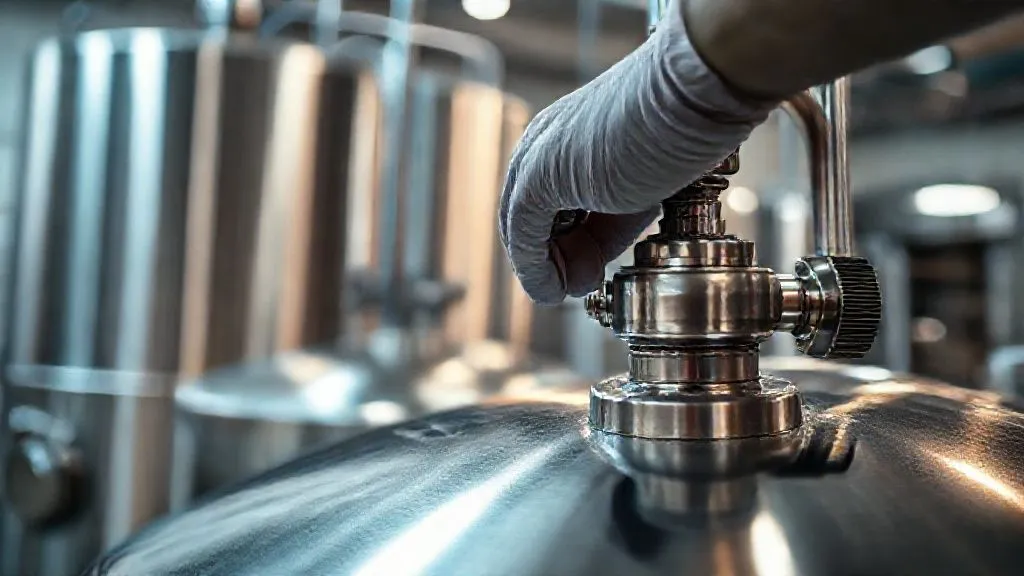
How to Prevent and Eliminate Volatile Acidity in Winemaking?
For over two decades in the winemaking world, I've witnessed firsthand the heartbreak of a promising vintage marred by a single, insidious flaw: volatile acidity, or VA. It’s a silent predator, often creeping in unnoticed until it’s too late, turning what should be a labor of love into a vinegar-tinged disappointment. I remember one particular season, a small boutique winery I was consulting for nearly lost an entire lot of their flagship Cabernet Sauvignon — a testament to the devastating impact VA can have.
Volatile acidity, characterized primarily by acetic acid and ethyl acetate, is the bane of many winemakers. It imparts off-flavors and aromas reminiscent of vinegar, nail polish remover, or even a pungent sourness, effectively destroying the wine's delicate balance and aromatics. It's not just a minor fault; it's a fundamental flaw that renders a wine unpalatable and unsellable, posing a significant threat to quality and profitability.
But here’s the good news: VA is largely preventable, and even in some cases, manageable. In this comprehensive guide, I'll share the expert strategies, actionable frameworks, and real-world insights I've gathered over years in the cellar. You'll learn not just what VA is, but precisely how to prevent it from ever taking hold and, should it appear, how to mitigate its impact. We’ll dive deep into the science, the practical steps, and the mindset required to safeguard your wine from this common enemy.
Understanding the Enemy: What is Volatile Acidity (VA)?
Before we can combat VA, we must understand it. Volatile acidity refers to the steam-distillable acids present in wine, with acetic acid (the primary component of vinegar) being the most prevalent, followed by ethyl acetate. While a tiny amount of VA is naturally produced during fermentation and can even contribute to a wine's complexity, excessive levels are a clear fault. Think of it like a whisper versus a shout — a whisper adds nuance, a shout overwhelms.
Acetic acid is a carboxylic acid that gives vinegar its characteristic sour taste and pungent smell. Ethyl acetate, on the other hand, is an ester that contributes a nail polish remover or solvent-like aroma. Together, they create a sensory profile that is unmistakably off-putting. The legal limits for VA vary by country and wine type, but generally, anything above 0.6-0.7 g/L (expressed as acetic acid) for white wines and 0.7-0.9 g/L for red wines is considered problematic, and often unmarketable.
Expert Insight: VA isn't just about taste and smell. High levels can inhibit yeast activity, interfere with malolactic fermentation, and even make wines more susceptible to other spoilage organisms. It's a cascade of problems.
The impact of VA extends beyond sensory perception. It can mask desirable fruit aromas, strip the wine of its freshness, and leave a harsh, lingering finish. For any winemaker striving for quality, controlling VA is not optional; it's fundamental.
The Root Causes: Where Does VA Come From?
Volatile acidity doesn't just appear out of nowhere. It's typically the byproduct of microbial activity, primarily from acetic acid bacteria (AAB) and certain yeasts, often exacerbated by specific winemaking conditions. Understanding these sources is the first step in prevention.
Poor Sanitation: The Silent Killer
This is perhaps the most common and insidious cause. Acetic acid bacteria, like Acetobacter, are ubiquitous in the environment, found on fruit, in dust, and on inadequately cleaned equipment. They thrive in aerobic conditions and convert ethanol (alcohol) into acetic acid. If your tanks, hoses, barrels, or presses aren't meticulously cleaned and sanitized, you're essentially providing a breeding ground for these spoilage organisms.
Oxidation: Fueling Acetic Acid Bacteria
Oxygen is a double-edged sword in winemaking. While small, controlled amounts are beneficial during certain stages (e.g., yeast health, tannin polymerization), excessive exposure is a major trigger for VA. Acetic acid bacteria are obligate aerobes, meaning they require oxygen to metabolize ethanol into acetic acid. Any process that introduces too much air — leaky seals, topping losses, excessive racking, or storage in partially filled containers — creates an ideal environment for VA development.
Stressed Yeast: A Recipe for Disaster
While AAB are the primary culprits, certain yeasts can also contribute to VA, especially when stressed. Wild yeasts (non-Saccharomyces species) are notorious for producing higher levels of VA. Even cultured Saccharomyces cerevisiae can produce elevated VA if fermentation conditions are suboptimal. Factors like nutrient deficiencies, extreme temperatures, very high sugar musts, or re-fermentations can stress yeast, leading to sluggish or stuck fermentations and increased VA production.
Other spoilage microbes, particularly Brettanomyces yeasts, can also produce acetic acid, though their more dominant fault aromas are usually phenolic (barnyard, band-aid). However, their presence often indicates a broader sanitation issue that could also foster AAB.

Prevention is Paramount: Proactive Strategies for VA Control
As I always tell my clients, the best way to deal with VA is to ensure it never starts. Prevention is far easier and more effective than remediation. It requires a holistic approach, meticulous attention to detail, and consistent application of best practices.
1. Impeccable Sanitation Protocols
This cannot be overstated. Cleanliness is next to godliness in the winery. Every piece of equipment that touches grape must or wine — from destemmers and presses to tanks, hoses, pumps, and barrels — must be thoroughly cleaned and sanitized. I've seen this mistake countless times, where a seemingly clean hose harbors hidden colonies of bacteria.
- Rinse Immediately: After use, always rinse equipment with cold water to remove gross solids before they dry and harden.
- Clean Thoroughly: Use appropriate detergents (alkaline cleaners for organic buildup, acid cleaners for tartrate) and scrub brushes. Ensure all surfaces are physically clean.
- Sanitize Effectively: Apply a suitable sanitizer (e.g., sulfur dioxide solution, peroxyacetic acid, chlorine dioxide) at the correct concentration and contact time.
- Inspect and Maintain: Regularly inspect seals, gaskets, and hoses for cracks or damage where bacteria can hide. Replace worn components promptly.
- Barrel Care: Barrels are particularly challenging. Proper cleaning, steaming, and regular SO2 gassing are crucial to prevent microbial growth.
2. Mastering Sulfur Dioxide (SO2) Management
Sulfur dioxide is a winemaker's most powerful tool against microbial spoilage and oxidation. It acts as an antimicrobial agent, inhibiting acetic acid bacteria and wild yeasts, and as an antioxidant. However, its effectiveness is highly dependent on pH.
- Measure pH Accurately: Free SO2 is more effective at lower pH levels. For example, to achieve the same antimicrobial protection, you need significantly more free SO2 in a wine with a pH of 3.8 than one with a pH of 3.3.
- Maintain Adequate Free SO2: Regularly test and adjust free SO2 levels throughout the winemaking process, especially after fermentation, during aging, and before bottling. Aim for 0.8 ppm molecular SO2, which translates to varying free SO2 levels depending on pH (e.g., ~25-30 ppm free SO2 at pH 3.4-3.5).
- Protect from Oxygen: SO2 gets 'bound' by oxygen and its byproducts, reducing its free form. Minimize oxygen exposure to conserve your SO2.
3. Optimizing Yeast Health and Fermentation Conditions
A healthy, vigorous fermentation is your best defense against VA. Stressed yeast can produce more VA and also leave residual sugars, which are prime food for spoilage bacteria.
- Select Appropriate Yeast: Choose a robust, commercial wine yeast suited to your grape varietal and fermentation conditions.
- Proper Yeast Rehydration and Nutrition: Follow yeast manufacturer instructions for rehydration. Provide adequate yeast nutrients (Yeast Assimilable Nitrogen - YAN) to prevent sluggish or stuck fermentations.
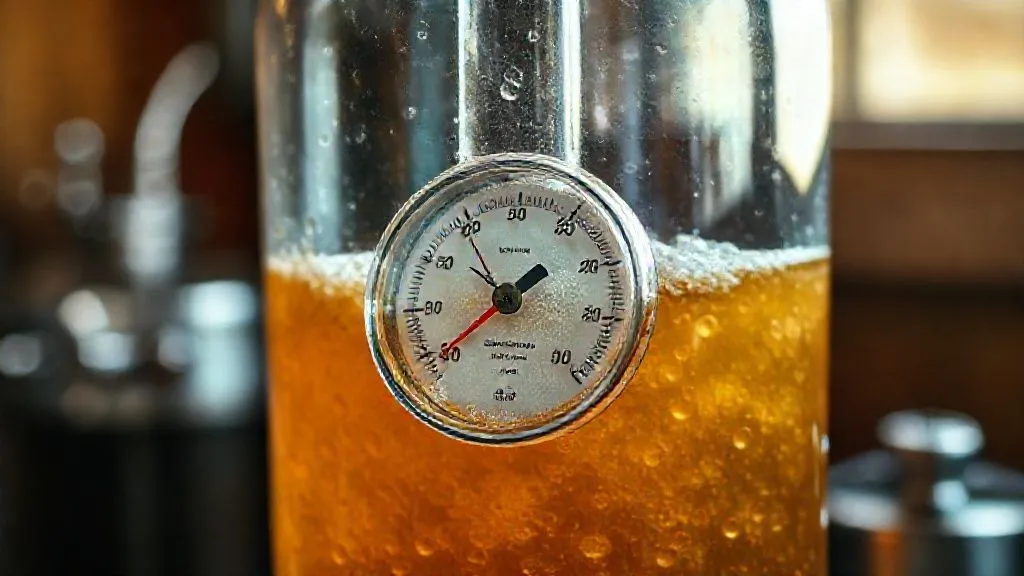
- Temperature Control: Maintain consistent fermentation temperatures. Extreme highs can stress yeast and encourage spoilage; extreme lows can lead to stuck fermentations.
- Avoid Stuck Fermentations: Monitor fermentation progress daily with a hydrometer. If a fermentation stalls, address the cause immediately (e.g., re-inoculation, nutrient addition, warming).
4. Controlling Oxygen Exposure
Oxygen is the friend of acetic acid bacteria. Minimizing unwanted oxygen ingress is critical.
- Minimize Headspace: Keep tanks and barrels topped up completely to eliminate air pockets. Use CO2 or argon to blanket wine surfaces if topping is delayed.
- Gentle Racking: Rack wines gently, avoiding splashing. Use inert gas (nitrogen or CO2) to blanket tanks during racking.
- Tight Seals: Ensure all bungs, valves, and fittings are sealed tightly. Regularly check for leaks.
- Barrel Storage: Store barrels in a cool, humid environment to minimize evaporation and oxygen ingress through the wood.
Early Detection: Tools and Techniques for Monitoring VA
Even with the best preventative measures, vigilance is key. Regular monitoring allows you to catch VA development early, when remediation might still be possible.
Sensory Evaluation: Trust Your Nose (and Palate)
Your senses are your first line of defense. Train yourself to recognize the subtle hints of VA. Look for:
- Vinegar/Sour Aroma: The most obvious sign of acetic acid.
- Nail Polish Remover/Solvent: Indicates the presence of ethyl acetate.
- Pungent/Sharp Taste: A harsh, sour, or burning sensation on the palate.
Taste and smell your wines regularly, especially during and after fermentation, and throughout aging. Compare samples from different tanks or barrels. If you detect any off-aromas, investigate immediately.
Laboratory Analysis: Precision in Detection
While sensory evaluation is crucial, lab analysis provides objective, quantifiable data. Regular testing for VA (acetic acid) is a standard practice in professional wineries. Most commercial labs offer this service, or you can invest in in-house equipment if your production volume warrants it.
Here's a typical VA monitoring schedule:
| Stage | Frequency | Purpose |
|---|---|---|
| Pre-Fermentation (Must) | Optional, if fruit quality is suspect | Baseline VA from damaged fruit |
| During Fermentation | Weekly, or if fermentation is sluggish | Monitor yeast health and early spoilage |
| Post-Fermentation (Dry Wine) | After malolactic, before aging | Establish baseline for aging |
| During Aging (Tank/Barrel) | Monthly to Quarterly | Detect ingress or spoilage during storage |
| Pre-Bottling | Final check | Ensure quality before packaging |
Timely analysis allows you to track trends and identify potential problems before they escalate. According to a study published by the American Journal of Enology and Viticulture [Source], consistent monitoring is key to proactive quality control.
When Prevention Fails: Strategies for Eliminating or Reducing Existing VA
Despite best efforts, sometimes VA still develops. When this happens, your options are limited, but not entirely non-existent. The goal shifts from prevention to mitigation and, if possible, reduction. It's important to note that completely eliminating high VA is extremely difficult without significantly impacting wine quality.
The Power of Blending: Dilution as a Solution
If you have a wine with moderately high VA, one of the simplest and least invasive methods is blending it with a clean, low-VA wine. This dilutes the volatile acids to an acceptable level. This strategy requires careful sensory evaluation and analytical testing to ensure the final blend meets quality standards and legal limits. It's a common practice in larger wineries to manage small problematic lots.
Advanced Filtration Techniques: Reverse Osmosis and Ion Exchange
For wines with significantly elevated VA, advanced technologies like reverse osmosis (RO) or ion exchange can be employed. These methods are essentially 'physical separation' techniques that selectively remove volatile components. As a veteran in the industry, I've seen these employed successfully, but they come with caveats:
- Reverse Osmosis: Wine is passed through a semi-permeable membrane that separates it into a permeate (water, ethanol, volatile acids) and a retentate (everything else). The permeate can then be treated to remove VA, and the 'cleaned' permeate is blended back with the retentate.
- Ion Exchange: This process uses resins to selectively remove acetic acid. It's often used in conjunction with RO.
These techniques are highly effective at reducing VA, but they are also costly, require specialized equipment, and can potentially strip the wine of some desirable aromatics and flavors. They are typically reserved for valuable lots where the cost of treatment is justified.
Re-fermentation for VA Reduction (with caveats)
In some specific cases, if a wine has residual sugar and high VA, a controlled re-fermentation can sometimes reduce acetic acid levels. Certain yeasts can consume acetic acid in the presence of sugar. However, this is a risky strategy:
- It requires careful management to ensure a clean, complete re-fermentation without introducing new faults.
- It may not be effective for all wines or all levels of VA.
- It changes the wine's profile, potentially making it drier or altering its character.
This is a technique best attempted under the guidance of an experienced enologist, and only when other options are not viable. As UC Davis Enology [Source] emphasizes, intervention should always be a last resort after prevention has failed.
Case Study: Rescuing a VA-Affected Syrah
Case Study: How 'Crimson Valley Cellars' Mitigated a VA Crisis
Crimson Valley Cellars, a mid-sized winery known for its bold Syrah, faced a significant challenge during the 2018 vintage. A batch of their premium Syrah, nearing bottling, showed VA levels creeping up to 1.1 g/L — well above market tolerance. Initial investigation revealed a combination of a sluggish malolactic fermentation that left some residual sugar, followed by a slight oxygen ingress due to a faulty tank valve that went unnoticed for several weeks.
By implementing a multi-pronged approach based on the principles I've outlined, they achieved a remarkable turnaround. First, they conducted precise laboratory analysis to confirm the exact VA components. Then, they carefully blended the affected lot with a clean, lower-VA Syrah from the same vintage, reducing the overall VA to 0.8 g/L. To further refine, they performed a targeted reverse osmosis treatment on a portion of the affected wine, specifically targeting the volatile acids, and then re-blended this treated portion. Finally, they increased their free SO2 levels slightly to stabilize the wine before sterile filtration and bottling.
This resulted in a final bottled wine with VA levels around 0.65 g/L, which, while still on the higher side, was significantly improved and passed sensory evaluation as a robust, albeit slightly rustic, Syrah. The wine was released as a 'Reserve' with a slightly adjusted price point, minimizing financial loss and preserving their brand reputation. This case demonstrates that while challenging, strategic intervention can salvage a problematic vintage.

Long-Term VA Management: Building a Resilient Winemaking Program
Preventing VA isn't a one-time fix; it's an ongoing commitment to excellence and vigilance. Building a resilient winemaking program means embedding these practices into your daily operations and fostering a culture of quality control.
- Standard Operating Procedures (SOPs): Document every step of your winemaking process, from grape reception to bottling. Ensure detailed SOPs for cleaning, sanitation, SO2 additions, fermentation monitoring, and topping.
- Staff Training: Regularly train your cellar team on the importance of sanitation, oxygen management, and sensory evaluation. Empower them to identify and report potential issues.
- Continuous Learning: Stay updated on the latest research and best practices in enology. The winemaking world is constantly evolving, and new insights emerge regularly. Resources like the Wine & Spirit Education Trust (WSET) [Source] offer excellent professional development.
- Record Keeping: Maintain meticulous records of all additions, measurements, and observations for each lot. This data is invaluable for troubleshooting and continuous improvement.
Remember, winemaking is an art form, but it's also a science. The more you understand and control the scientific variables, the more freedom you have to express your artistry. As industry leader Jamie Goode [Source] often emphasizes, quality winemaking hinges on attention to detail and a proactive mindset.
| Problem Area | Preventative Action | Monitoring/Detection |
|---|---|---|
| Sanitation | Implement rigorous cleaning & sanitizing SOPs for all equipment | Visual inspection, ATP swabs, microbial plating |
| Oxygen Exposure | Minimize headspace, gentle racking, inert gas blanketing | Dissolved oxygen meter, regular topping checks |
| Yeast Health | Proper yeast selection, rehydration, nutrient addition, temperature control | Hydrometer readings, fermentation kinetics, YAN analysis |
| SO2 Management | Regular SO2 additions based on pH and wine type | Free & total SO2 analysis, pH meter |
| Residual Sugar | Ensure complete fermentations (alcoholic & malolactic) | Clinitest/enzymatic sugar analysis |
Frequently Asked Questions (FAQ)
Question: Can I completely remove VA from a heavily affected wine without impacting quality? No, it's extremely difficult. While techniques like reverse osmosis can significantly reduce VA, there's always a risk of stripping desirable aromatics and flavors from the wine, leading to a less complex or 'thinner' final product. The goal is usually reduction to an acceptable level, not complete elimination, especially for high-value wines.
Question: What's the difference between acetic acid and ethyl acetate in terms of VA? Acetic acid is the primary volatile acid, responsible for the vinegar smell. Ethyl acetate is an ester formed from acetic acid and ethanol, contributing nail polish remover or solvent-like aromas. Both are components of VA, but they have distinct sensory profiles. Often, the presence of one indicates the presence of the other, as they are both products of similar microbial activity.
Question: Does VA always mean my wine is spoiled? Not necessarily 'spoiled' in the sense of being unsafe, but it does mean it has a significant fault. A very tiny amount of VA is naturally present and can even add complexity, especially in some traditional styles. However, once VA becomes noticeable on the nose or palate (typically above 0.6-0.7 g/L), it's considered a fault that detracts from the wine's quality and marketability. It's a spectrum, not an on/off switch.
Question: Can I use a VA-affected wine for distillation or vinegar? Yes, absolutely. If a wine is heavily affected by VA and beyond saving for consumption as wine, it can be distilled into spirits (though the VA might carry over into the distillate if not managed) or, more commonly, intentionally turned into wine vinegar. Many commercial vinegars are made from wines that didn't meet quality standards. This is a practical way to salvage some value from a lost batch.
Question: Are some grape varietals more susceptible to VA than others? While any wine can develop VA, varietals that naturally have higher pH (e.g., Zinfandel, Syrah, Grenache in warmer climates) can be more susceptible because SO2 is less effective at higher pH, providing less protection against spoilage organisms. Additionally, grapes with compromised fruit integrity (e.g., botrytis, physical damage) are more prone to VA development due to existing microbial populations.
Key Takeaways and Final Thoughts
- Prevention is paramount: Meticulous sanitation, robust SO2 management, healthy fermentations, and strict oxygen control are your primary defenses against VA.
- Vigilance is non-negotiable: Regular sensory evaluation and laboratory analysis are crucial for early detection.
- Remediation is challenging: While blending and advanced filtration can mitigate VA, they often come with compromises in quality and cost.
- Education and consistency: A well-trained team and documented SOPs are the backbone of a VA-resistant winemaking program.
Volatile acidity is a formidable opponent in winemaking, capable of undoing months of hard work and passion. But armed with knowledge, diligence, and the right strategies, you can significantly reduce its threat and produce wines that are clean, expressive, and true to their potential. Embrace these practices, empower your team, and continue to learn — your wines, and your reputation, will thank you for it. Here's to stable, beautiful wines, free from the shadow of VA!
Recommended Reading
- 7 Steps to Resuscitate Stalled Wine Fermentation Post-Nutrient Crash
- Unlock Flavor: How to Prevent Bland Vegetable-Centric Vegan Mains
- 7 Flavorful Swaps: Reduce Saturated Fat in Recipes Without Sacrificing Taste
- 5 Expert Hacks: Craft Unique, Robust Slow Cooker Broth Without Bitterness
- 5 Proven Steps: Taming Wild Yeast Over-Fermentation in Kombucha


0 Comentários: