 By
By 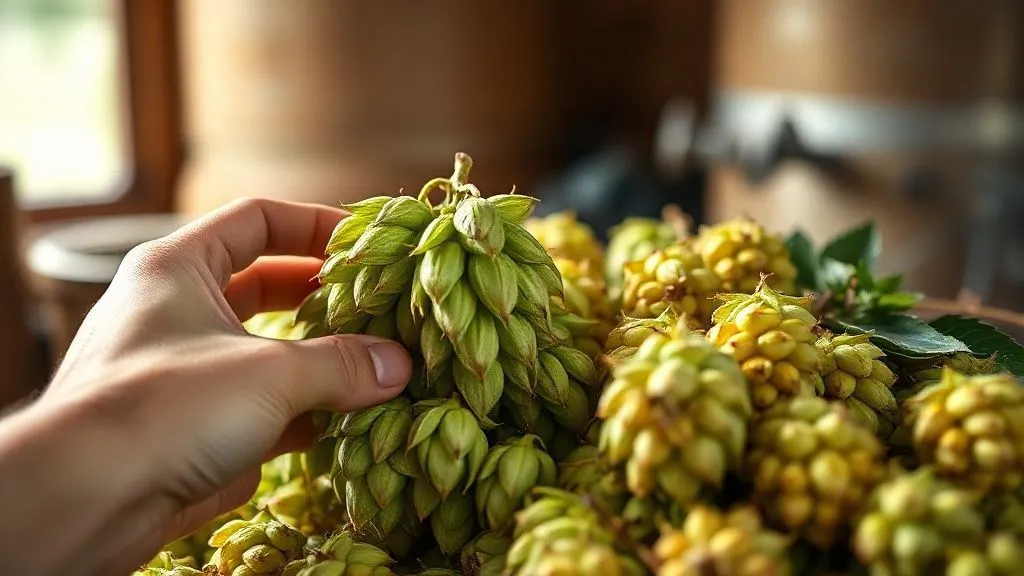
Best Hop Substitutes for Unavailable Citra Without Flavor Loss?
For over two decades in the homebrewing trenches, I've witnessed the sheer panic that grips a brewer when their go-to hop, especially one as iconic as Citra, is suddenly out of stock. It's like a chef discovering their star ingredient is missing just as dinner service begins. I've been there, staring at an empty hop freezer, knowing a beloved recipe hangs in the balance.
Citra isn't just a hop; it's a phenomenon. Its unparalleled burst of tropical fruit, grapefruit, lime, and passionfruit has defined an entire generation of IPAs and pale ales. The problem isn't just finding *any* substitute; it's finding the best hop substitutes for unavailable Citra without flavor loss – a challenge that can make or break a batch and, frankly, your reputation among your tasting panel.
But fear not, fellow brewers! In this definitive guide, I'll share the expert strategies, specific hop recommendations, and nuanced blending techniques I've honed over years. You'll learn not just what to swap, but *how* to ensure your brew retains that signature Citra magic, even when the original is nowhere to be found.
Understanding Citra's Unique Flavor Profile
Before we can replace Citra, we must truly understand it. It's not just 'fruity'; it's a complex symphony of aromatic compounds. Named for its intense citrus notes, Citra delivers a potent punch of grapefruit, lime, and orange, beautifully complemented by undertones of tropical fruit like mango, passionfruit, and lychee, often with a hint of melon. This multifaceted profile is what makes it so beloved and, consequently, so hard to replicate.
The Aromatic Symphony of Citra
The magic of Citra lies in its high concentration of specific essential oils, particularly myrcene, which contributes to its tropical and resinous character, and a significant presence of geraniol and linalool, which lean into the citrus and floral notes. It's this specific balance that creates its distinctive aroma and flavor.
In my experience, simply chasing 'fruitiness' is a fool's errand. You need to understand the *types* of fruitiness and the underlying aromatic compounds to truly nail a Citra substitution.
- Dominant Citrus: Grapefruit, lime, orange zest
- Tropical Notes: Mango, passionfruit, lychee, melon
- Subtle Undertones: Pine, dank, slight floral
- High Alpha Acids: Contributes to bitterness, but primarily used for aroma and flavor
The Science of Hop Substitution: More Than Just Similar Flavors
Substituting hops isn't just about finding another hop that tastes 'good.' It's about understanding the underlying chemistry. Hops contribute bitterness through alpha acids, but their flavor and aroma come primarily from their essential oil profile. When substituting, we're trying to match that oil profile as closely as possible.
Matching Terpenes: The Key to Flavor Fidelity
Terpenes are organic compounds that give hops their unique scents and flavors. For Citra, key terpenes like myrcene (tropical, resinous), limonene (citrus), and linalool (floral, citrus) are dominant. A successful substitute will have a similar terpene profile, or a blend of hops that collectively achieves it. It's a bit like matching paint colors – you might need to mix a few to get the exact shade.
Top Contenders: Single Hop Substitutes for Citra
While no single hop is a perfect 1:1 clone of Citra, several come remarkably close and can stand in admirably, especially when used thoughtfully. These are your first line of defense against a Citra shortage.
Mosaic: The Obvious Choice?
Mosaic is often the first hop brewers reach for when Citra is unavailable, and for good reason. It's a direct descendant of Simcoe and Nugget, offering a complex profile that often includes blueberry, tropical fruit, citrus, and a hint of dankness. It shares Citra's high myrcene content, which gives it a similar tropical punch. While it can lean a bit more 'berry' or 'earthy' than Citra's pure citrus, it's an excellent standalone option for many recipes.
Galaxy: Tropical Powerhouse
Hailing from Australia, Galaxy is another superstar known for its intense passionfruit, peach, and clean citrus notes. It's incredibly potent and aromatic, making it a fantastic choice for late additions and dry hopping. If your recipe leans heavily into the tropical side of Citra, Galaxy can be a very compelling substitute, though it might lack some of Citra's sharper grapefruit character.
Simcoe: Piney Citrus Blend
Simcoe, often called 'pine bomb,' also offers significant grapefruit and passionfruit notes, alongside its characteristic pine and earthy undertones. While it's not a direct tropical fruit explosion like Citra, its citrus elements can work well, especially in West Coast IPAs where a touch of pine is welcome. It's a more complex and robust hop that can add depth, but might require blending to fully soften its piney edges.
Vic Secret: Australian Tropical Punch
Another Australian gem, Vic Secret brings a unique blend of pineapple, passionfruit, and a clean, bright citrus character. It's a powerful hop that can stand on its own, offering a distinct tropical profile that can fill the void left by Citra. It tends to be less dank than Mosaic and less peachy than Galaxy, providing a fresh, vibrant fruitiness.

The Art of Blending: Crafting a Custom Citra Profile
While single hop substitutes are good, the true mastery of replacing Citra often lies in the art of blending. By combining two or more hops, you can meticulously reconstruct the complex aromatic mosaic that makes Citra so special. This allows for greater nuance and precision, often resulting in a flavor profile that's not just a substitute, but a unique and delicious variant.
Why Blending Often Outperforms Single Substitutes
Think of it like mixing paints. Citra isn't just one color; it's a blend of colors. By combining hops with complementary profiles – one strong in grapefruit, another in mango, and perhaps a third adding a touch of lime – you can achieve a more comprehensive and balanced flavor. This approach minimizes the 'missing' notes that a single substitute might leave behind.
Strategic Blending Combinations:
Here are some tried-and-true blending strategies that I've personally used and recommended:
- Mosaic + Amarillo: This is a fantastic combination. Mosaic brings the tropical, berry, and dank notes, while Amarillo contributes a bright, sweet orange and grapefruit zest. A 70% Mosaic / 30% Amarillo blend often gets you very close to Citra's core.
- Galaxy + Centennial: For a more intense passionfruit and lemon-lime character, combine Galaxy's tropical punch with Centennial's strong grapefruit and floral notes. A 60% Galaxy / 40% Centennial blend can be incredibly vibrant.
- Vic Secret + El Dorado: If you're chasing that pineapple and stone fruit aspect with a clean finish, this blend is superb. Vic Secret provides the sharp pineapple and passionfruit, while El Dorado adds candied fruit, pear, and watermelon notes. Try a 50% Vic Secret / 50% El Dorado for a juicy, fruit-forward result.
- Mosaic + Simcoe + Amarillo: For a truly complex profile, a trio can work wonders. Mosaic for tropical, Simcoe for grapefruit/pine depth, and Amarillo for sweet orange. Experiment with ratios like 50:25:25.
My advice for blending is always to start with small test batches if possible. Even a 1-gallon batch can give you invaluable insight into how a blend will perform before committing to a full 5-gallon brew.
Case Study: Replicating a Hazy IPA with a Hop Blend
My friend, a professional brewer at 'Brewmaster's Forge,' faced a critical shortage of Citra for their flagship Hazy IPA. Their entire seasonal release schedule was at risk. Instead of just swapping for Mosaic, which would have altered the beer's signature profile too much, I advised them to try a blend: 60% Mosaic, 20% Amarillo, and 20% El Dorado. We focused on maintaining the tropical intensity and juicy mouthfeel. The result? A remarkably similar tropical fruit bomb with a slightly nuanced citrus zest, which their customers loved, even preferring it in some blind taste tests. This averted a potential crisis, maintained brand consistency, and even opened up a new variant for them, proving the power of strategic blending.
| Blend | Dominant Notes | Suggested Ratio |
|---|---|---|
| Mosaic + Amarillo | Tropical, Orange, Grapefruit | 70:30 |
| Galaxy + Centennial | Passionfruit, Lemon, Floral | 60:40 |
| Vic Secret + El Dorado | Pineapple, Stone Fruit, Citrus | 50:50 |
| Mosaic + Simcoe + Amarillo | Tropical, Pine, Orange, Grapefruit | 50:25:25 |
Optimizing Your Hop Schedule for Substitutes
It's not just *what* hops you use, but *when* and *how* you use them. Different hops express their flavors differently depending on the timing of their addition to the boil, whirlpool, or fermenter. This is crucial when working with substitutes for unavailable Citra without flavor loss.
Dry Hopping vs. Whirlpool Additions
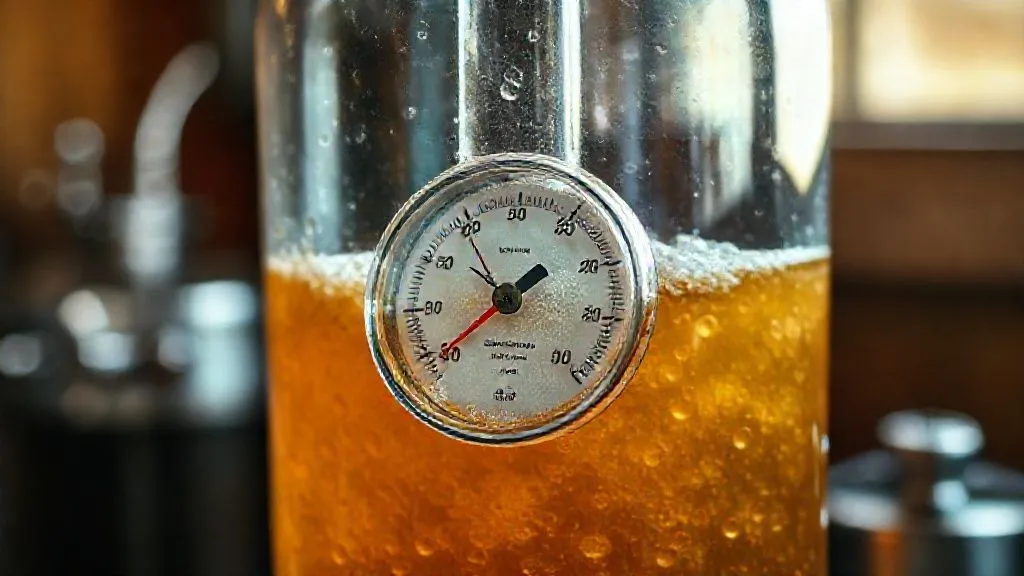
For maximum aroma and flavor, especially the volatile tropical and citrus notes, focus your substitute additions primarily in the whirlpool and dry hop stages. Boil additions (60+ minutes) primarily contribute bitterness, and many of the delicate aromatics will simply boil off. Whirlpool additions (170-180°F / 77-82°C) are excellent for extracting flavor without significant volatilization, while dry hopping extracts pure aroma.
Adjusting IBUs for Different Alpha Acid Levels
Always check the alpha acid (AA) percentage of your substitute hops. If your chosen substitute has a significantly different AA than Citra (typically 11-13% AA), you'll need to adjust your bittering additions to achieve your target International Bitterness Units (IBUs). Use a brewing software calculator to ensure you don't over-bitter or under-bitter your beer. For instance, if your substitute has a lower AA, you'll need to add more of it, or add a higher AA neutral bittering hop earlier in the boil.

Beyond the Hops: Supporting Ingredients and Techniques
While hops are central, they don't act in isolation. The supporting cast of ingredients and brewing techniques plays a significant role in how your hop substitutes will express themselves. Ignoring these elements means you're leaving flavor on the table.
Yeast Selection's Role in Flavor Expression
Yeast isn't just for fermentation; it's a flavor powerhouse. Certain yeast strains can biotransform hop compounds, enhancing or altering their aromatic profile. For example, many popular Hazy IPA yeast strains (like London Ale III or Conan variants) are known to boost tropical fruit esters, which can beautifully complement your Citra substitutes. Conversely, a very clean fermenting yeast might allow the hop character to shine more directly without additional fruity esters. Consider how your yeast choice will interact with your chosen hop blend. For a deeper dive into yeast selection, I often refer brewers to Wyeast Labs' detailed strain descriptions.
Water Chemistry Tweaks for Enhanced Aromatics
Water chemistry is often overlooked but profoundly impacts hop expression. A higher chloride-to-sulfate ratio (e.g., 2:1 or 3:1) can enhance the perception of juiciness and mouthfeel, which is perfect for supporting tropical hop flavors. Sulfates, on the other hand, tend to accentuate hop bitterness and dryness. For a comprehensive guide on water treatment, John Palmer's How to Brew is an invaluable resource that I've relied on for years.
Troubleshooting Common Substitution Challenges
Even with the best planning, sometimes things don't go exactly as expected. Being prepared to troubleshoot is part of being an experienced brewer.
Off-Flavors and How to Avoid Them
One common issue with certain hop substitutes, especially those high in myrcene like some Mosaic or Simcoe, can be an overly 'dank' or 'catty' aroma if used in excessive amounts or subjected to too much oxygen during dry hopping. To mitigate this, ensure your dry hop contact time isn't excessively long (typically 3-5 days is sufficient) and minimize oxygen exposure throughout the cold side of your brewing process. Another potential issue is a vegetal or grassy note, which can also stem from over-dry hopping or using very old hops.
Adjusting for Intensity Differences
Some hops are simply more potent than others. Galaxy, for instance, often packs a bigger punch than Citra in terms of sheer aromatic intensity. If your substitute feels 'too much' or 'not enough,' you may need to adjust the quantity. If it's too intense, consider reducing the dry hop amount by 10-20% in your next batch. If it's lacking, try increasing it or extending the dry hop contact time slightly (e.g., from 3 to 5 days). This iterative process of refinement is how you truly master your recipes.
Emerging Hop Varieties and Future Alternatives
The world of hops is constantly evolving, with breeders continually developing new and exciting varieties. Keep an eye on experimental hops from major suppliers like Yakima Chief Hops or BSG Craft Brewing. Some newer cultivars are specifically bred to offer similar profiles to popular hops, or to create entirely new flavor experiences. Paying attention to these developments can provide you with even more options for when Citra or other favorites become scarce.

Frequently Asked Questions (FAQ)
Can I use a single hop like Amarillo as a direct Citra replacement? While Amarillo offers wonderful citrus notes, it tends to be more orange and floral, lacking Citra's distinct grapefruit and tropical punch. It's often better used in a blend (e.g., with Mosaic) rather than a direct 1:1 substitute to achieve a more comprehensive Citra-like profile without flavor loss.
How do I adjust my hop additions if the substitute has a different alpha acid percentage? You absolutely must adjust. If your substitute has a lower alpha acid (AA) than Citra, you'll need to use a larger quantity for bittering additions or supplement with a high-AA bittering hop like Magnum early in the boil. Conversely, if it has a higher AA, you'll need less. Always use a reliable brewing calculator, like those found in popular brewing software, to hit your target IBUs precisely.
What impact does fermentation temperature have on hop expression when using substitutes? Fermentation temperature has a significant impact! Warmer fermentation temperatures can produce more fruity esters from the yeast, which can either enhance or clash with your hop substitutes. Colder fermentation temperatures typically result in a cleaner fermentation, allowing the hop character to shine more purely. Experiment to find the balance that best complements your chosen substitute blend.
Are there any specific yeast strains that pair exceptionally well with Citra-like hop profiles? Absolutely. For Hazy IPAs aiming for a juicy, tropical profile, strains like Wyeast 1318 (London Ale III), Imperial A38 Juice, or Omega OYL-052 (DIPA Ale) are fantastic. These strains are known for their ability to biotransform hop compounds into more pronounced tropical fruit esters, enhancing the overall aroma and flavor of your Citra substitutes.
How long should I dry hop with these substitutes to maximize aroma without grassy notes? In my experience, 3 to 5 days is the sweet spot for most dry hopping in fermenters. Going much longer, especially with high hop loads, increases the risk of extracting grassy, vegetal, or even astringent flavors. If you're using a hop stand or recirculating during dry hopping, contact time can be even shorter, sometimes just 24-48 hours. Always taste your beer periodically during dry hopping to find the optimal point.
Key Takeaways and Final Thoughts
Navigating a Citra shortage doesn't have to mean compromising your brew. With the right knowledge and a bit of creativity, you can not only preserve your beer's signature flavor but perhaps even discover exciting new dimensions.
- Understand Citra: Break down its complex citrus and tropical notes, and the underlying terpenes.
- Choose Wisely: Consider single substitutes like Mosaic, Galaxy, Simcoe, or Vic Secret based on your desired emphasis.
- Embrace Blending: Combine hops like Mosaic + Amarillo or Galaxy + Centennial for a more precise and comprehensive flavor profile.
- Optimize Your Schedule: Focus on whirlpool and dry hop additions for maximum aroma, and adjust for alpha acid differences.
- Support with Chemistry: Leverage yeast and water chemistry to enhance hop expression and mouthfeel.
Remember, brewing is an art as much as a science. Don't be afraid to experiment, taste, and refine. By applying these expert strategies, you'll ensure that even when Citra is unavailable, your passion for brewing, and the quality of your beer, will never be compromised. Cheers to your next brilliantly crafted brew!

Recommended Reading
- Mastering pH: 7 Steps to Eliminate Botulism Risk in Low-Acid Foods
- 7 Expert Ways: Prevent Stovetop One-Pot Sauce Separation & Breaking
- 7 Strategies to Halt Rapid Spoilage of Raw Vegan Restaurant Dishes
- Pro GF Bread Collapse? 7 Expert Fixes for a Perfect Loaf Structure
- Mastering Street Food: 7 Steps to Authentic Flavors with Local Ingredients
0 Comentários: