 By
By 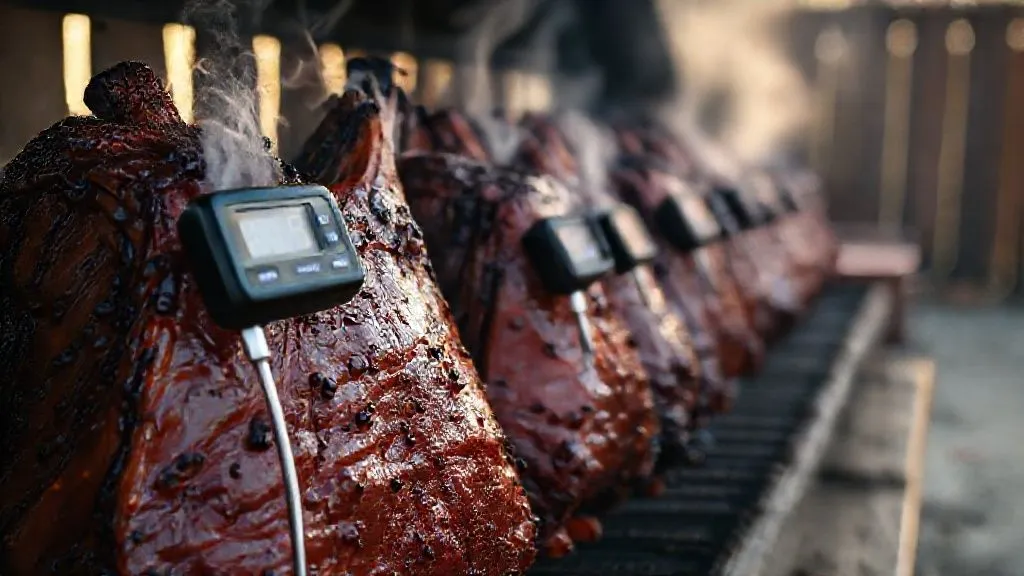
How to Achieve Consistent Internal Temperature Across 20 Briskets?
For over two decades in the world of competitive BBQ and large-scale catering, I've seen the agony in pitmasters' eyes when they pull a batch of briskets, only to find a third are perfect, another third undercooked, and the rest overdone. It's a devastating blow to reputation, profit, and passion. That inconsistent internal temperature across multiple briskets isn't just a minor inconvenience; it's a fundamental challenge that separates the amateurs from the true grill masters.
The problem is multifaceted: varying brisket sizes, uneven smoker temperatures, inadequate monitoring, and a lack of systematic process. When you're dealing with a single brisket, a slight fluctuation might be forgivable. But multiply that by 20, and those minor variations become catastrophic failures, leading to wasted product, dissatisfied clients, and immense frustration. It's a high-stakes game where precision is paramount.
In this definitive guide, I'll walk you through the precise, actionable frameworks and expert insights I've developed and refined over countless cooks. You'll learn not just what to do, but why, understanding the science and art behind achieving impeccable, consistent internal temperatures across every single one of your 20 briskets, ensuring every slice is perfectly tender and juicy.
Understanding the Brisket Canvas: Pre-Smoke Preparation for Consistency
Before any smoke even touches your meat, the foundation for consistency is laid during preparation. Think of each brisket as a unique canvas; our goal is to make them as uniform as possible before they enter the smoker.
Selecting Uniform Briskets
This is where many go wrong from the start. When buying in bulk, it's tempting to grab whatever's available. However, for true consistency, you must strive for uniformity in size and quality. I always recommend sourcing from a trusted butcher or wholesaler who can provide briskets of similar weight and grade. Aim for prime or choice grade briskets, typically in the 12-16 lb range (pre-trim). Smaller or larger briskets will cook at different rates, introducing variability from the outset. Don't be afraid to specify your requirements; a good supplier understands the need for consistency in volume cooking.
Trimming for Even Heat Distribution
Trimming is an art form, especially when consistency is the goal. Every brisket needs to be trimmed to a similar fat cap thickness – ideally between 1/4 to 1/2 inch across the entire flat. This fat layer insulates the meat, and an inconsistent thickness means inconsistent cooking. Furthermore, remove any excessively thin edges or 'burnt ends' precursors that will dry out long before the main body of the brisket is done. Square off the briskets as much as possible, removing any sharp points that will overcook. A well-trimmed brisket allows heat to penetrate more evenly, reducing hot spots and cold spots within the meat itself.
The Art of Rub Application and Brining
While often overlooked in the context of temperature consistency, the rub and any brining process play a subtle but important role. A consistent, even application of rub ensures that the surface of each brisket reacts similarly to the smoke and heat. For large batches, I often use a commercial-grade meat tumbler for rubs or a dedicated brining station to ensure every piece receives identical treatment. While brining isn't standard for traditional brisket, if you choose to do it, ensure all briskets are exposed to the brine for the same duration and concentration. This uniformity in seasoning and moisture content contributes to a more predictable cooking process.
Mastering Your Pit: Environment Control for Multi-Brisket Cooks
Your smoker is the engine of your operation, and controlling its environment precisely is paramount when cooking 20 briskets. This isn't about guesswork; it's about engineering a consistent heat zone.
Choosing the Right Smoker for Volume
Cooking 20 briskets demands significant capacity and, crucially, even heat distribution. Offset smokers, while iconic, can struggle with consistency across such a large cooking area unless expertly managed. For this volume, I highly recommend large cabinet smokers, rotisserie smokers, or commercial-grade insulated smokers. These units are designed to maintain incredibly stable temperatures across their entire chamber, often utilizing convection fans or clever airflow designs to minimize hot and cold spots. An insulated cabinet smoker, for instance, can drastically reduce temperature fluctuations that plague open-pit designs.
Strategic Brisket Placement within the Smoker
Even the best smokers have subtle temperature variances. Understanding these zones is critical. Generally, the top racks might be slightly hotter, and areas closer to the heat source will cook faster. To mitigate this, I employ a 'checkerboard' or 'rotation' strategy. Avoid overcrowding; leave at least an inch or two of space between each brisket for proper airflow and smoke circulation. If your smoker has multiple racks, distribute the briskets evenly. Mapping your smoker's hot and cold spots through test runs with temperature probes is invaluable. This knowledge will inform your rotation strategy later on.

Maintaining Stable Pit Temperature: Fuel and Airflow
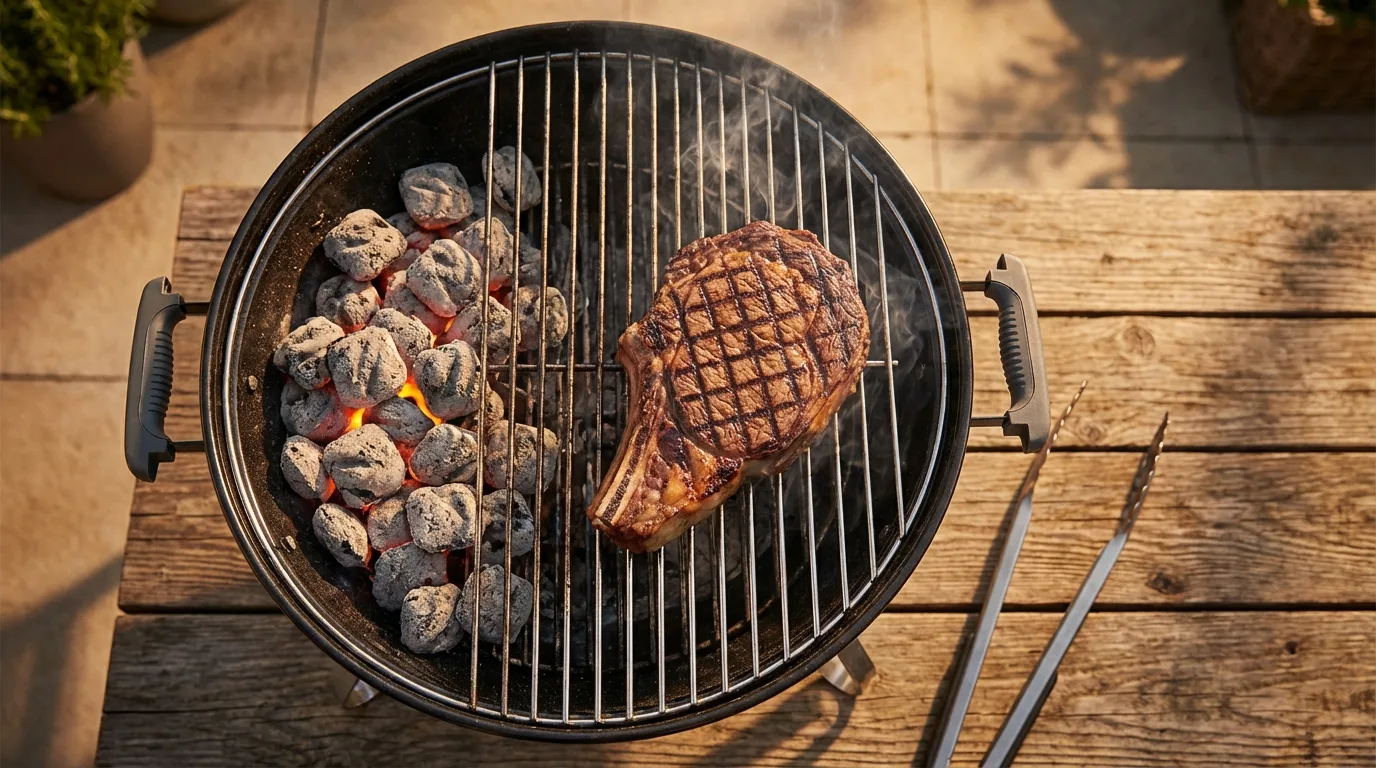
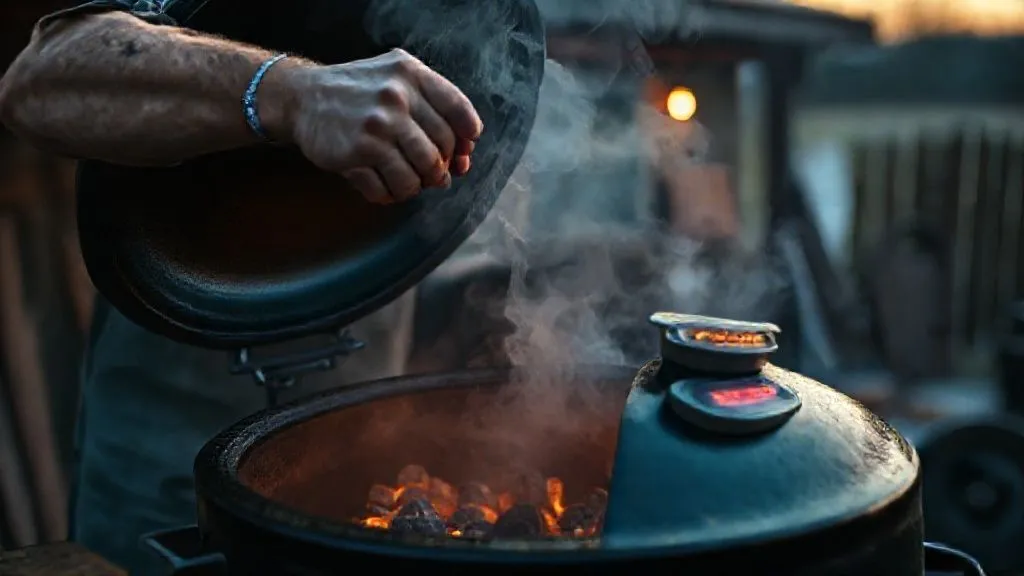
The goal is a consistent pit temperature, typically between 250-275°F (121-135°C), for the entire cook. This requires meticulous management of your fuel source (wood, charcoal, gas, pellets) and airflow. For charcoal and wood, learn to read your fire: consistent blue smoke, not thick white acrid smoke. Adjust vents incrementally and patiently. Avoid drastic changes. For pellet or gas smokers, calibrate your thermostat regularly. External factors like wind and ambient temperature will affect your pit. On cold or windy days, expect to use more fuel and monitor more frequently. Consider windbreaks or insulating blankets for your smoker in adverse conditions. Consistency in pit temperature directly translates to consistency in internal meat temperature.
The Science of Sensing: Advanced Temperature Monitoring Strategies
You can't manage what you don't measure. When cooking 20 briskets, individual temperature monitoring becomes non-negotiable. This is where technology meets expertise.
Multi-Probe Thermometers: Essential Tools
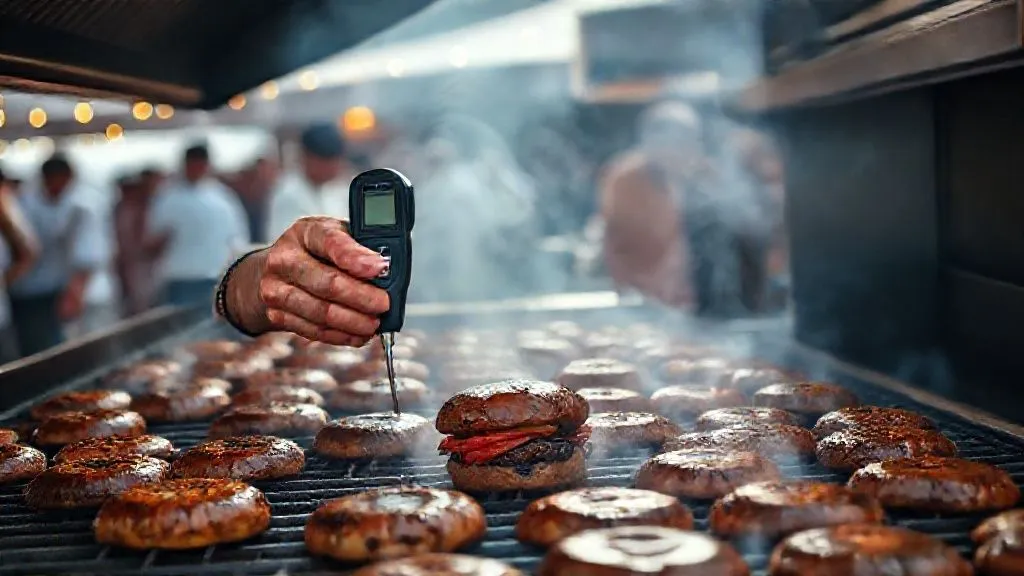
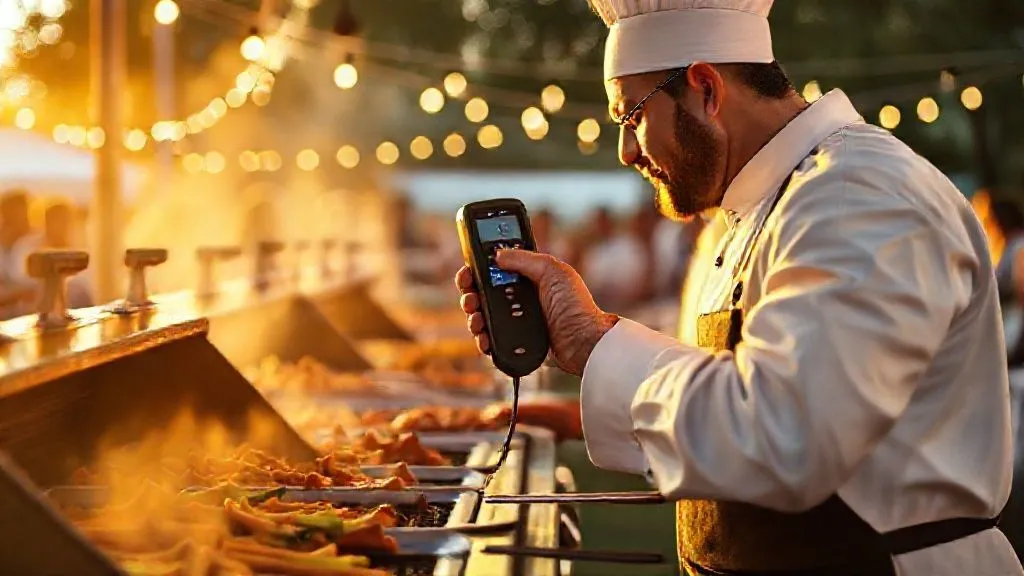
Forget single-probe thermometers. For 20 briskets, you need a robust, multi-channel thermometer system. I personally rely on commercial-grade wireless systems that can monitor at least 8-12 probes simultaneously, allowing me to track multiple briskets from a central display. For the remaining briskets, I use secondary, high-quality instant-read thermometers for spot checks during critical phases. The key is to have enough probes to get a representative sample of your briskets across different zones of your smoker.
Strategic Probe Placement: The Coldest Spot Rule
Where you place your probe is critical. Always insert the probe into the thickest part of the flat, avoiding fat pockets and bone. The goal is to measure the coldest part of the meat. If you probe into a fat seam, you'll get an artificially high reading. For a batch of 20, I strategically place probes in briskets located in what I've identified as potentially cooler zones of the smoker, as well as those in hotter zones. This gives me a real-time understanding of the temperature gradient across my entire batch. As a general rule, if the coldest brisket is hitting target, the others are likely at or above it.
| Brisket Location | Probe Placement Strategy | Monitoring Priority |
|---|---|---|
| Top Rack, Rear Left | Center of thickest flat, away from fat. | High (potential cold spot) |
| Middle Rack, Center | Center of thickest flat, away from fat. | Medium (reference point) |
| Bottom Rack, Front Right | Center of thickest flat, away from fat. | High (potential hot spot) |
| All Other Briskets | Spot check with instant-read at stall & finish. | As needed |
Understanding the Stall and How to Power Through It
The dreaded 'stall' is where the internal temperature of the brisket plateaus, often between 150-170°F (65-77°C), sometimes for hours. This phenomenon is due to evaporative cooling as moisture from the meat evaporates from the surface, cooling the meat similar to how sweat cools our bodies. It’s a natural part of the process, but it can be frustrating, especially with 20 briskets. Don't panic and crank up the heat drastically; this will only dry out the meat. Instead, understand that some briskets will stall longer or at a different temperature than others. This is a key point where individual brisket management becomes crucial. Patience is your best friend here, but strategic interventions can help.
The Art of Intervention: Managing Temperature Discrepancies
Even with perfect preparation and monitoring, some briskets will inevitably cook faster or slower than others. Your ability to intervene effectively is what ensures overall consistency.
Rotation and Relocation Tactics
This is where your knowledge of your smoker's hot and cold zones comes into play. If you notice a particular brisket lagging in temperature, consider moving it to a hotter part of the smoker. Conversely, if one is racing ahead, move it to a cooler spot. For 20 briskets, I recommend a systematic rotation every 2-3 hours after the initial 4-6 hours of smoke. This might involve rotating briskets from top to bottom racks, or front to back. Document your rotations to avoid confusion. This active management helps even out the exposure to heat and smoke.
The Crutch Method: When and How to Wrap
The 'crutch' – wrapping briskets in butcher paper or foil – is an invaluable tool for managing the stall and accelerating cooking, especially when aiming for consistency across a large batch. I typically wrap briskets individually when they hit the 160-170°F (71-77°C) range, or when their bark is set to my liking. Wrapping helps push them through the stall faster by preventing further evaporative cooling. For 20 briskets, you'll likely be wrapping them in batches as they hit their target temperature. This allows you to bring the slower cooks up to speed with the faster ones, ensuring they all finish around the same time. Butcher paper allows some breathability for bark formation, while foil creates a tighter seal, steaming the meat and tenderizing it more aggressively. Choose based on your desired bark and tenderness profile.
Adjusting for External Factors: Wind, Ambient Temperature
Never underestimate the impact of the environment. A sudden drop in ambient temperature or an unexpected gust of wind can cause your pit temperature to plummet, especially in less insulated smokers. Be prepared to adjust your fuel and airflow accordingly. I often keep a separate ambient thermometer near my smoker to monitor these conditions. On challenging days, I might increase my pit temperature by 10-15°F to compensate for heat loss, or strategically position windbreaks. Being proactive about these external factors prevents large temperature swings that can throw off your entire cook and lead to inconsistent briskets. According to USDA meat science principles, consistent cooking temperature is vital for both safety and quality.
Resting for Perfection: The Critical Final Phase
The cook isn't over when the brisket comes off the smoker. The resting phase is absolutely critical for achieving optimal tenderness and, yes, temperature consistency.
The Science Behind the Rest
When you pull a brisket off the smoker at its target internal temperature (typically 200-205°F or 93-96°C), the internal temperature will actually continue to rise for a period, known as 'carry-over cooking.' More importantly, resting allows the muscle fibers to relax and reabsorb juices that have been pushed to the center during cooking. Cutting into a brisket too soon will result in a dry, tough product as all those delicious juices run out. For a large brisket, a rest of at least 2-4 hours is essential. For 20 briskets, this means planning your finish times carefully.
Holding Boxes and Cambros: Maintaining Post-Cook Temperature
For holding 20 briskets, insulated coolers, cambros, or commercial holding cabinets are indispensable. After wrapping each brisket (if not already wrapped in the crutch), place them snugly into your insulated containers. Fill any empty space with towels or foil to minimize air pockets and maintain heat. The goal is to keep the internal temperature of the briskets above 140°F (60°C) for food safety, but ideally around 150-170°F (65-77°C) for optimal serving. A good holding strategy can keep briskets warm and juicy for 4-6 hours, sometimes even longer. This is your secret weapon for serving all 20 briskets at their peak. As J. Kenji López-Alt of Serious Eats often emphasizes, resting is as crucial as the cook itself.
Monitoring Internal Temperature During the Rest
While the briskets are resting, it's wise to keep an eye on a few of them with remote probes. This ensures they don't drop below safe temperatures and helps you understand how long they can truly hold. You'll observe a slow, gradual decrease in temperature. This monitoring allows you to confidently serve your briskets knowing they are both safe and perfectly rested. If a brisket cools too much, you can briefly warm it in a low-temperature oven (around 150°F) before slicing, though this should be a last resort as it can dry out the bark.
“The rest is not downtime; it's the final, crucial cooking phase. Rushing it is like running a marathon and quitting at the finish line.”
Case Study: "Brisket Battalion's Big Breakthrough"
Let me share a fictional, yet highly realistic, scenario that illustrates the power of these principles.
The Challenge
Brisket Battalion, a burgeoning BBQ catering company, landed a massive contract for a corporate event requiring 20 perfectly cooked briskets. Their previous attempts at large-scale cooks often resulted in 5-7 briskets being 'just okay' and another 3-4 being completely unusable due to severe under or overcooking. This inconsistency was threatening their reputation and future growth.
The Implementation of Best Practices
Working with a consultant (much like myself!), Brisket Battalion implemented a rigorous new process. First, they standardized their brisket sourcing, insisting on 14-16 lb Choice briskets. Second, they meticulously trimmed each brisket to a uniform 1/4-inch fat cap and squared off edges. They invested in a commercial-grade, insulated cabinet smoker, and a 12-channel wireless thermometer system. During the cook, they monitored 10 briskets continuously, strategically placed across the smoker. They established a 3-hour rotation schedule for all 20 briskets. As each brisket hit 165°F, it was individually wrapped in butcher paper to power through the stall. Finally, they purchased two large Cambro holding units, pre-warmed, to rest all 20 briskets for a minimum of 3 hours.
The Results
The transformation was remarkable. For the first time, all 20 briskets emerged from the smoker within a 90-minute window of their target internal temperature. After the rest, every single brisket probed like butter, with consistent tenderness and moisture. Brisket Battalion not only delivered a flawless event, but their confidence soared. This systematic approach eliminated waste, improved product quality, and solidified their reputation as a reliable, high-quality caterer. Their next contract was 50% larger, directly attributed to their newfound consistency.
Leveraging Data: Analyzing and Iterating Your Process
The journey to grill mastery is continuous. Even after a successful cook, there's always room for improvement. This is where data-driven insights come into play.
Logging Cook Data: A Foundation for Improvement
I cannot stress this enough: keep a detailed log of every large-batch cook. This includes: starting weights of briskets, trim waste, rub used, pit temperature fluctuations, ambient temperature, fuel consumption, individual brisket internal temperatures at key phases (e.g., wrap time, stall duration, final pull temp), and rest duration. This data might seem tedious to collect, but it's gold. It allows you to identify patterns, pinpoint potential weaknesses in your process, and make informed adjustments for future cooks. Think of it as your personal BBQ lab notebook.
| Cook Date | Brisket # | Start Weight (lbs) | Wrap Temp (°F) | Stall Duration (hrs) | Pull Temp (°F) | Rest Duration (hrs) |
|---|---|---|---|---|---|---|
| 2023-10-26 | 1 | 15.2 | 168 | 3.5 | 203 | 4 |
| 2023-10-26 | 2 | 14.8 | 165 | 4.0 | 202 | 4 |
| 2023-10-26 | 3 | 16.1 | 170 | 3.0 | 204 | 4 |
Identifying Patterns and Solving Problems Systematically
Once you have data from several cooks, you can start to see trends. Are the briskets on the top rack consistently finishing faster? Perhaps your top vent needs adjustment. Are the briskets on the left side always stalling longer? Maybe that's a colder spot in your smoker that needs more frequent rotation. By analyzing this data, you move from guesswork to a systematic problem-solving approach. This iterative process is how true mastery is achieved. For deeper insights into meat cooking, refer to resources like Texas A&M AgriLife Extension's meat science publications.
Continuous Improvement: The Pitmaster's Mindset
The pursuit of consistent internal temperature across 20 briskets isn't a one-time fix; it's a commitment to continuous improvement. Each cook is an opportunity to refine your methods, learn from your results, and push the boundaries of your craft. Embrace experimentation, but always ground it in data and observation. Share your insights with fellow pitmasters and learn from their experiences. The BBQ community thrives on shared knowledge, and by applying these principles, you're not just cooking; you're evolving into a truly exceptional grill master.

Frequently Asked Questions (FAQ)
Q: How much space do I really need between briskets in the smoker for consistency? A: For optimal airflow and even heat/smoke distribution, aim for at least 1-2 inches (2.5-5 cm) of space between each brisket. Overcrowding is a common mistake that leads to inconsistent cooking, as it creates dead air zones and prevents proper bark formation. If you can't maintain this spacing, you're trying to cook too many briskets for your smoker's capacity.
Q: Is it better to start all 20 briskets at the same time, or stagger them? A: For maximum consistency and logistical simplicity, I recommend starting all briskets at the same time. This allows you to manage the pit temperature uniformly and apply rotation strategies across the entire batch. Staggering can introduce more variables and make overall temperature management more complex, especially for managing the stall and resting phases.
Q: What's the ideal internal temperature to pull briskets off the smoker? A: While the exact temperature can vary slightly based on the brisket and your desired tenderness, a good range is typically 200-205°F (93-96°C). However, temperature is only part of the equation; the 'probe test' (when a thermometer probe slides in with very little resistance, like warm butter) is equally, if not more, important. Always trust the probe test over a specific number alone.
Q: How do I manage briskets that are significantly different in size? A: Ideally, you should aim for uniform sizes. If you must cook briskets of varying sizes, place the larger ones in hotter zones of your smoker and the smaller ones in cooler zones. Monitor the smaller briskets very closely as they will finish much faster. You may need to pull them earlier and rest them longer, or wrap them earlier to slow their cook. It's a compromise and increases the complexity of achieving consistent results across the entire batch.
Q: Can I use different types of wood for different briskets to vary flavor? A: While technically possible, for consistency in internal temperature and overall cook profile, it's best to stick to a single, consistent wood source for the entire batch. Introducing different wood types can subtly alter cooking dynamics and make it harder to troubleshoot inconsistencies. Focus on mastering the temperature first; flavor variations can come later once you've achieved consistent results.
Key Takeaways and Final Thoughts
- Preparation is Paramount: Uniform brisket selection and precise trimming are the non-negotiable first steps.
- Master Your Environment: Understand your smoker's zones and maintain stable pit temperatures, accounting for external factors.
- Monitor Relentlessly: Invest in multi-probe systems and strategically place them for accurate, real-time data.
- Intervene Strategically: Use rotation, relocation, and the crutch method to manage temperature discrepancies as they arise.
- Embrace the Rest: This crucial phase ensures tenderness and allows for better temperature management before serving.
- Log and Learn: Data collection and analysis are your keys to continuous improvement and true mastery.
Achieving consistent internal temperature across 20 briskets is a challenge, but it's one that can be conquered with a systematic approach, the right tools, and an unwavering commitment to precision. It's not about luck; it's about applying proven techniques, understanding the science, and constantly refining your craft. Take these lessons, apply them diligently, and watch your briskets transform from inconsistent variables into a symphony of perfectly cooked, tender, and juicy masterpieces. Your journey to large-scale grill mastery starts now.
Recommended Reading
- 9 Reasons: What Causes Inconsistent Flavor in Mass-Produced Pickles?
- Stop Mushy Veggies! 7 Secrets for Perfect Slow Cooker Meals Every Time
- 7 Proven Ways to Boost Healthy Kids' Dessert Sales Amidst Sugar Fears
- 5 Crucial Strategies: Prevent Sauce Breakage in High-Volume Kitchens
- 7 Reasons Your Bakery's Cheesecake Cracks & How to Fix Them Now


0 Comentários: