 By
By 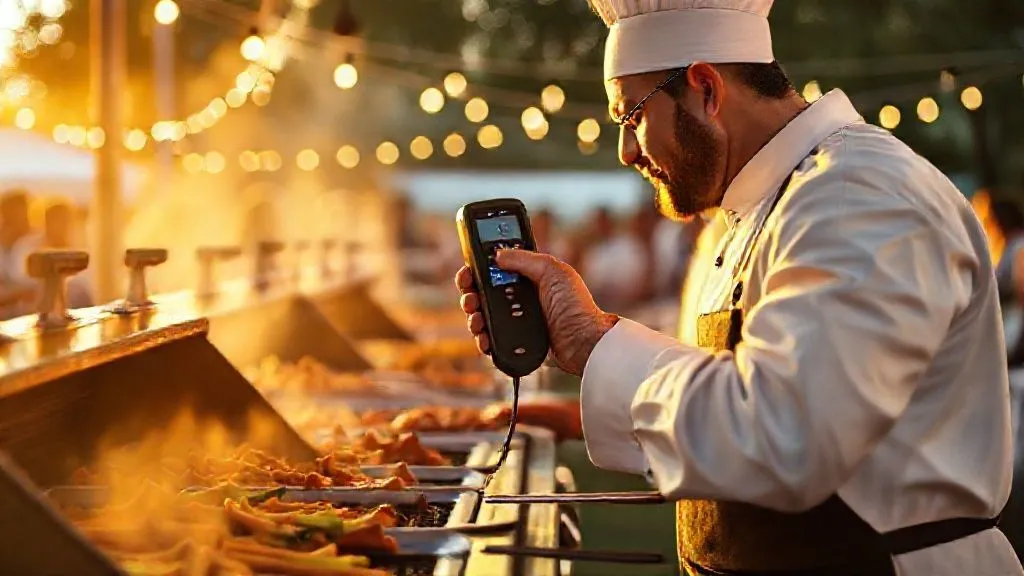
How to Maintain Food Safety for 200 Guests at Outdoor BBQ Events?
For over two decades in the grilling and outdoor cooking industry, I’ve had the privilege of catering countless events, from intimate backyard gatherings to massive corporate functions. What I’ve seen time and again is that the difference between a memorable, joyous occasion and a potential public health nightmare often boils down to one critical factor: unwavering attention to food safety. When you’re feeding 200 guests outdoors, the stakes are incredibly high, and the margin for error is razor-thin.
The challenge of scaling food safety for such a large crowd in an outdoor environment is immense. You’re battling fluctuating temperatures, potential cross-contamination vectors, and the logistical complexities of preparing, transporting, and serving food far from a conventional kitchen. Many hosts underestimate these challenges, leading to risks that can range from minor discomfort to serious foodborne illness outbreaks, tarnishing reputations and, more importantly, endangering health.
That’s why I’ve distilled my years of practical experience and industry knowledge into this definitive guide. You’re not just going to get a list of rules; you’ll learn the actionable frameworks, the critical checkpoints, and the expert insights needed to confidently maintain food safety for 200 guests at outdoor BBQ events, ensuring every bite is as safe as it is delicious. We’ll cover everything from initial planning to post-event cleanup, empowering you to execute a flawless, worry-free outdoor feast.
The Foundation: Planning & Preparation is Paramount
Before the first grill is lit or the first ingredient is purchased, meticulous planning is your strongest defense against food safety issues. I've learned that a well-thought-out plan anticipates problems before they arise, especially when scaling up for 200 guests.
Venue Assessment & Layout
Your outdoor venue presents unique challenges. Is there adequate shade for food staging? What’s the proximity to water sources for handwashing? I always conduct a thorough site visit to map out the flow: where will raw food be prepped, cooked, held hot, held cold, and served? Designating clear zones minimizes confusion and, crucially, prevents cross-contamination. Consider wind direction for smoke management and potential contamination from dust or airborne particles.
Menu Selection & Sourcing
When planning for 200, simplicity often equals safety. Complex dishes with multiple ingredients and intricate preparation steps increase risk. Opt for BBQ classics that are robust and hold well, like pulled pork, brisket, or grilled chicken, alongside simpler sides. Crucially, source your ingredients from reputable suppliers. I always verify that my meat, poultry, and dairy come from certified, inspected sources. Don't compromise on quality or provenance; it's the first line of defense.
Staffing & Training: Your Human Shield
You can't do this alone. A well-trained team is indispensable. For an event of this scale, I recommend a dedicated food safety supervisor who understands HACCP principles (Hazard Analysis and Critical Control Points) and can oversee all operations. Every team member, from grill masters to servers, needs clear roles and basic food safety training. This includes handwashing protocols, temperature monitoring, and recognizing potential hazards.
| Role | Key Responsibilities | Critical Skill |
|---|---|---|
| Food Safety Supervisor | Oversees all food safety protocols, temperature logs, staff training, incident response. | HACCP certified, experienced. |
| Grill Master/Cooks | Proper cooking temperatures, preventing cross-contamination at grill, managing cook times. | Thermometer proficiency, hygiene. |
| Food Runners/Servers | Maintaining hot/cold holding temps, replenishing buffet, guest interaction, allergen communication. | Awareness, cleanliness. |
| Prep Team | Safe washing, cutting, marinating, initial storage. | Dedicated surfaces, knife skills, hygiene. |
Temperature Control: The Golden Rule of BBQ Safety
The 'Danger Zone' (40°F to 140°F / 4°C to 60°C) is where harmful bacteria multiply rapidly. For 200 guests, even a small lapse can have huge consequences. My mantra is simple: keep hot food hot, and cold food cold, aggressively.
Receiving and Storage Protocols
The moment ingredients arrive, the clock starts ticking. I insist on immediate temperature checks upon delivery. Perishable items should be packed in insulated containers with ice or gel packs and transported in refrigerated vehicles if possible. Upon arrival at the venue, they must go straight into appropriate cold storage. Ensure your coolers are pre-chilled and packed efficiently to minimize air pockets, maintaining temperatures below 40°F (4°C).
Thawing Safely
Never thaw large quantities of meat at room temperature. This is a common mistake I've seen in less experienced hands. The safest methods are thawing in the refrigerator, under cold running water (in a sealed bag), or as part of the cooking process. For 200 guests, refrigerator thawing will require significant planning – often several days in advance for large cuts like briskets or pork shoulders.
Cooking to Perfection (and Safety)
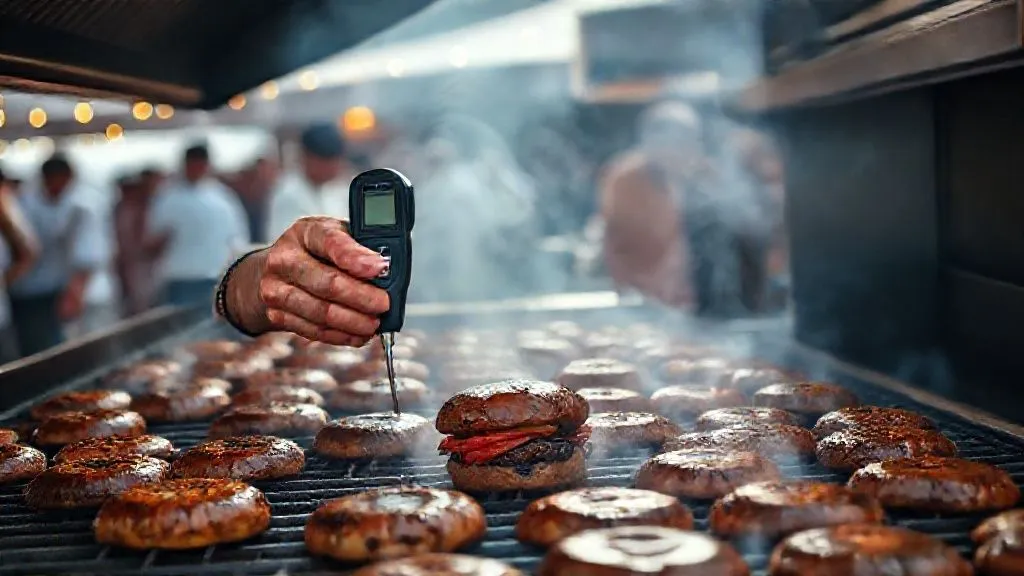
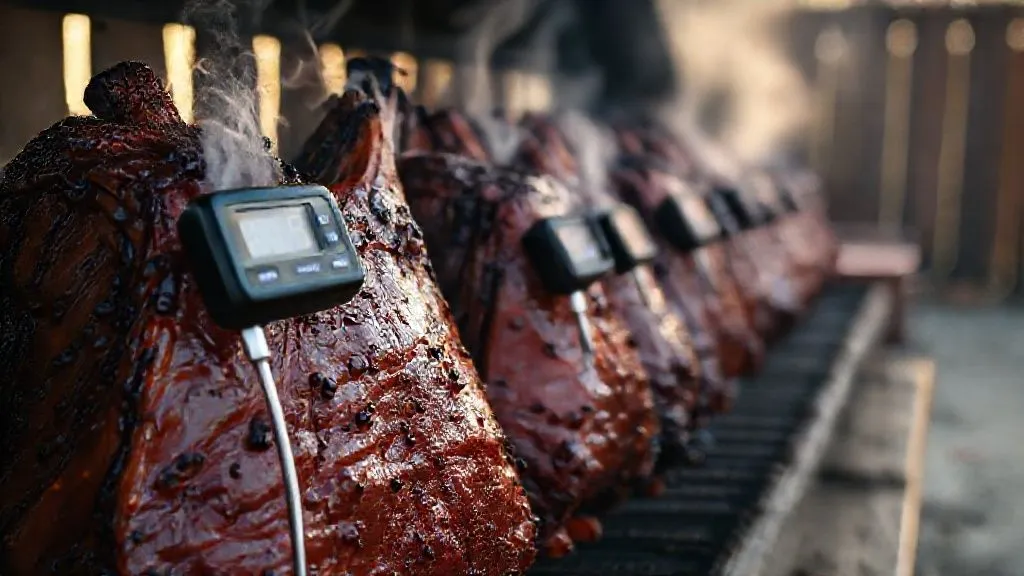
This is where your digital thermometer becomes your best friend. There's no guessing game when it comes to internal temperatures. Every piece of meat, especially poultry, needs to reach its minimum safe internal temperature. I always check multiple spots in larger cuts to ensure even cooking. Calibrate your thermometers regularly – it's a simple step that provides immense peace of mind.
Expert Insight: "The 'Danger Zone' is not a suggestion; it's a scientific reality. Every minute food spends between 40°F and 140°F (4°C and 60°C) is a minute bacteria are multiplying. Your goal is to minimize that time to an absolute maximum of two hours, total."

Preventing Cross-Contamination: A Critical Barrier
Cross-contamination is the silent killer of food safety. It's often invisible, yet its consequences can be devastating. For large outdoor events, the risk is amplified due to limited space and diverse tasks being performed simultaneously.
Dedicated Work Zones
My strategy for large events involves strict segregation. Designate separate areas and equipment for raw meats, cooked meats, and ready-to-eat foods like salads. This means different cutting boards, knives, and even prep tables. If space is limited, a thorough wash-rinse-sanitize process between tasks is non-negotiable. Think of it as a culinary demilitarized zone.
Utensil & Cutting Board Management
This seems basic, but it's where many go wrong. Use color-coded cutting boards (e.g., red for raw meat, green for produce) and utensils. Have a plentiful supply, so you’re not washing and reusing in a rush. Dirty utensils should be immediately placed in a designated bus tub, away from clean ones. I always preach 'one-task, one-utensil' to my team.
Personal Hygiene for Staff
Handwashing is the single most effective way to prevent the spread of pathogens. For outdoor events, this means setting up portable handwashing stations with soap and running water, not just hand sanitizer. Staff should wash their hands frequently: after handling raw meat, after using the restroom, after touching their face or hair, and before handling cooked or ready-to-eat food. Gloves are not a substitute for handwashing; they are an additional barrier, and they must be changed frequently.
Case Study: How 'Grill Master General' Prevented a Close Call
A few years ago, my team, Grill Master General, was catering a major outdoor festival for 250 guests. During the initial setup, our food safety supervisor noticed a new, eager prep assistant using the same knife and cutting board to slice raw chicken and then, moments later, reach for the pre-cooked buns. Thanks to our rigorous training and the supervisor's vigilance, the situation was immediately corrected. The contaminated buns were discarded, the area was sanitized, and the assistant received a quick, on-the-spot refresher. This swift intervention, born from a culture of constant awareness and clear protocols, averted what could have been a widespread cross-contamination incident, saving the event from potential disaster and protecting our reputation.
Hot Holding & Cold Holding: Maintaining the Zone
Once your food is cooked, the battle isn't over. Maintaining safe temperatures until it reaches your guests' plates is crucial. This is particularly challenging outdoors, where ambient temperatures can fluctuate wildly.
Equipment Essentials
For hot holding, invest in professional-grade chafing dishes, slow cookers, or insulated food carriers that can consistently keep food above 140°F (60°C). For cold holding, you'll need plenty of coolers, ice baths, or refrigerated display units capable of maintaining temperatures below 40°F (4°C). I often use a combination of ice and gel packs in layers for maximum cold retention in coolers.
Monitoring and Logging Temperatures
This isn't optional; it's a must. Assign a dedicated team member to routinely check and log the temperatures of all hot and cold held food, at least every two hours. This log provides an auditable record and allows for immediate corrective action if temperatures stray into the danger zone. If food has been in the danger zone for more than two hours, it must be discarded, no exceptions. For more information on safe food handling practices, I often refer to the FDA's guidelines on safe food handling.
- Pre-Chill/Pre-Heat Equipment: Ensure all holding equipment reaches target temperatures before food is placed in them.
- Load Properly: Do not overfill chafing dishes or coolers, as this can impede proper temperature distribution.
- Use Lids: Keep hot food covered to retain heat and prevent contamination. Keep cold food covered to maintain temperature and protect from elements.
- Stir Hot Food: Periodically stir hot food to ensure even heat distribution, especially in larger containers.
- Monitor Regularly: Check internal food temperatures with a calibrated thermometer every 2 hours and record.
- Discard After 4 Hours: Regardless of temperature monitoring, any food held hot or cold for more than 4 hours should be discarded to be absolutely safe.

Serving with Confidence: Presentation Meets Protection
The serving line is the final frontier of food safety. It's where all your hard work can be undone if not managed correctly. For 200 guests, efficiency and hygiene must go hand-in-hand.
Buffet Line Management
Design your buffet line to minimize bottlenecks and ensure a smooth flow. Use sneeze guards to protect food from airborne contaminants. Provide fresh serving utensils for each dish and replace them frequently. Never allow guests to reuse plates or cutlery if they go back for seconds. This is a common but dangerous practice. I typically have a dedicated staff member overseeing the buffet, ensuring cleanliness and proper serving techniques.
Allergen Awareness
With 200 guests, you are guaranteed to have a diverse range of dietary needs and allergies. Clear labeling of all dishes, listing common allergens (nuts, dairy, gluten, shellfish, soy, eggs), is non-negotiable. Train your serving staff to answer questions about ingredients or to direct guests to someone who can. Cross-contact with allergens is just as dangerous as cross-contamination with bacteria, so maintain separate serving utensils and be vigilant about shared surfaces.
Guest Education
While you're responsible for the food, guests also have a role to play. Discreet signage encouraging hand sanitization before eating and discouraging plate reuse can be helpful. A polite announcement from the host before serving can also reinforce these messages without being overly prescriptive. It's about fostering a culture of collective safety.
Post-Event Procedures: Don't Let Your Guard Down
The party's over, but your food safety responsibilities aren't. Proper post-event handling and cleanup are just as vital as pre-event preparation.
Safe Leftover Handling
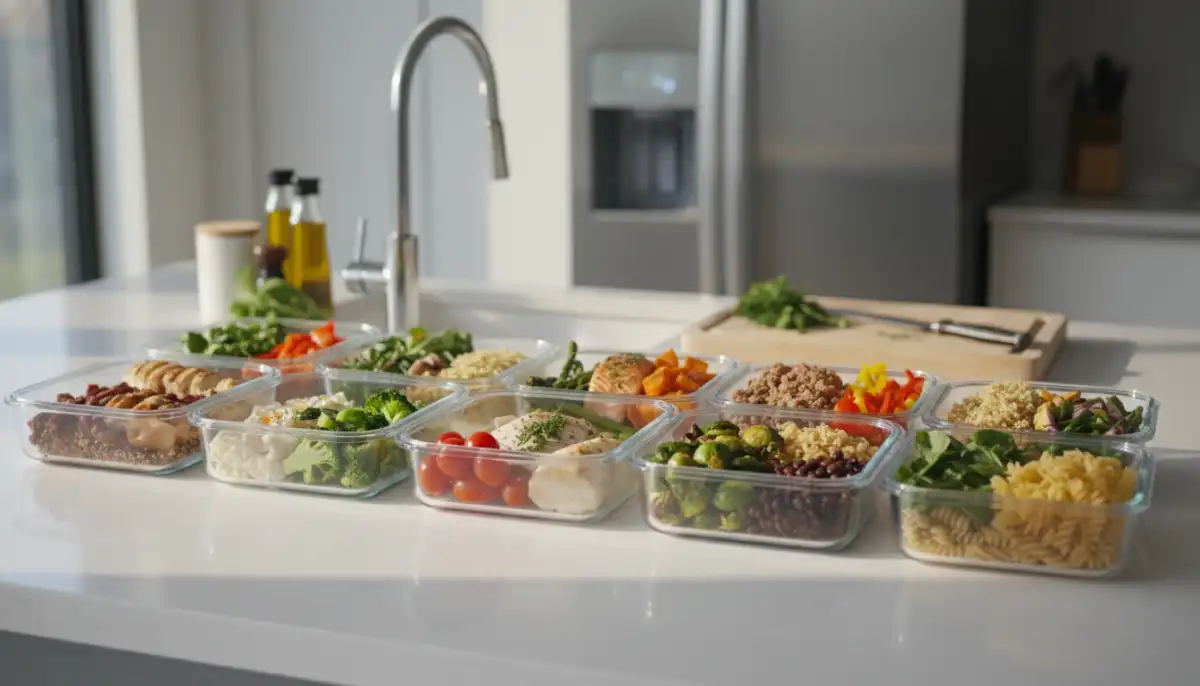
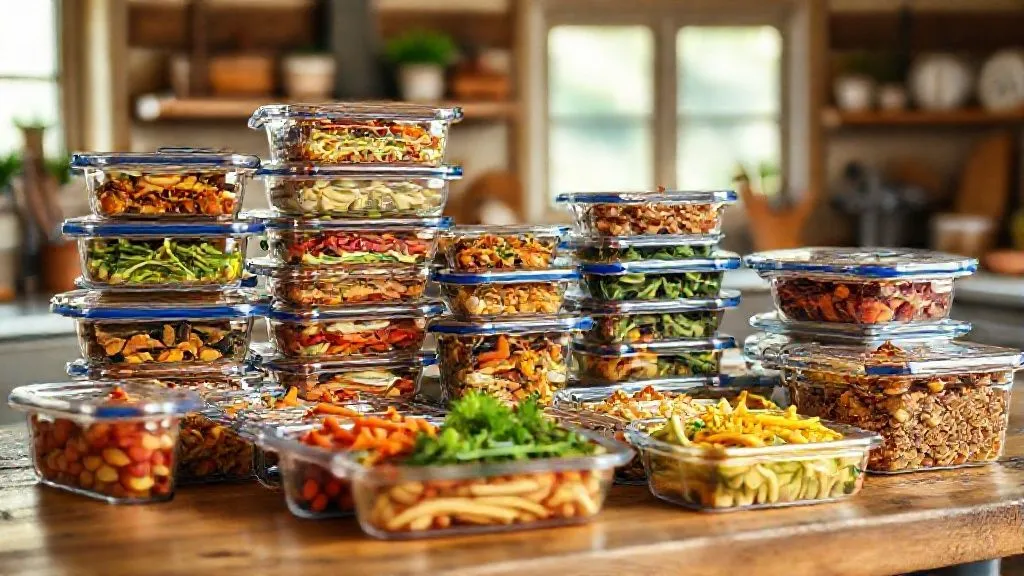
Realistically, with 200 guests, there will be leftovers. The key is to cool them rapidly. Divide large quantities of food into shallow containers (no more than 2-3 inches deep) to facilitate quick cooling. Place them in a refrigerator (below 40°F/4°C) as soon as possible, ideally within two hours of being removed from heat. Never pack hot food directly into large, deep containers and put them in the fridge; this allows the center to stay in the danger zone for too long. For detailed guidance on cooling foods, the FoodSafety.gov website offers excellent resources.
Cleaning and Sanitization
All equipment, utensils, serving dishes, and surfaces that came into contact with food must be thoroughly cleaned and sanitized. This involves a three-step process: wash with hot soapy water, rinse with clean water, and then sanitize with an approved sanitizing solution (e.g., diluted bleach solution or commercial food-grade sanitizer). Proper sanitization is crucial to eliminate any lingering bacteria and prepare your equipment for its next use.
Documentation & Emergency Preparedness
In the world of professional catering, documentation isn't just bureaucracy; it's a vital part of your food safety system and your legal protection. For an event of 200 guests, you need to be prepared for anything.
Record Keeping
Maintain detailed records of your food safety practices. This includes: temperature logs for all cooked and held foods, staff training records, supplier information, and any incident reports. These records demonstrate due diligence and are invaluable if a food safety concern ever arises. They also serve as a learning tool for future events, helping you refine your processes.

Incident Response Plan
What if, despite all precautions, a guest reports feeling ill? You need a clear, pre-defined plan. This should include: who to contact (medical personnel, local health department), how to collect information (what they ate, when symptoms started), and how to secure any remaining food samples for testing. Having this plan in place provides clarity during a stressful situation and demonstrates responsible management. Local health departments often provide guidance on this; for example, the CDC has resources on outbreak investigations.
Frequently Asked Questions (FAQ)
Question: How far in advance should I start planning the food safety aspect for a 200-guest BBQ? I recommend starting at least 4-6 weeks out. This gives you ample time to conduct a venue assessment, finalize your menu with safety in mind, source reliable suppliers, train your staff, and acquire all necessary equipment for hot and cold holding. Rushing these steps is a primary cause of food safety oversights.
Question: Can I use disposable gloves instead of frequent handwashing? Absolutely not. Disposable gloves are a secondary barrier, not a substitute for handwashing. Staff must wash their hands thoroughly before putting on gloves, and gloves need to be changed frequently, especially after handling raw meat, touching surfaces, or performing non-food-related tasks. Think of gloves as a clean extension of a clean hand, not a way to avoid cleaning.
Question: What's the biggest mistake people make regarding food safety at large outdoor events? In my experience, the single biggest mistake is underestimating the 'Danger Zone' and the speed at which bacteria can multiply, especially in varying outdoor temperatures. Many assume food will be fine for 'a little longer' or rely on visual cues instead of thermometers. Consistent, documented temperature control for both hot and cold holding is where most operations fail, and it's the most critical area to master.
Question: How do I handle ice for drinks versus ice for cooling food? Always maintain a strict separation. Ice meant for consumption (in drinks) must be handled with the same care as food – scooped with a clean utensil, never handled with bare hands, and kept in a dedicated, clean cooler. Ice used for cooling food containers or maintaining product temperature is not for consumption and should never be cross-used. Clear labeling of ice bins is a simple but effective preventive measure.
Question: What are the key items for an outdoor food safety emergency kit? Your kit should include: a first aid kit, extra digital thermometers (calibrated), sanitizing solution and spray bottles, plenty of disposable gloves in various sizes, hand soap and paper towels for handwashing stations, a designated cooler for potential 'suspect' food samples, and contact information for local emergency services and the health department. Being prepared for the unexpected is part of being an expert.
Key Takeaways and Final Thoughts
Successfully maintaining food safety for 200 guests at outdoor BBQ events is a testament to meticulous planning, rigorous execution, and a deep understanding of potential hazards. It's a significant undertaking, but one that is entirely achievable with the right approach.
- Plan Religiously: Every detail, from venue layout to staff training, must be considered well in advance.
- Master Temperature Control: The 'Danger Zone' is your enemy. Keep hot foods hot (>140°F) and cold foods cold (<40°F) at all times, with documented checks.
- Prevent Cross-Contamination: Segregate raw from cooked, use dedicated equipment, and enforce strict personal hygiene.
- Equip Properly: Invest in reliable hot and cold holding equipment, and always have calibrated thermometers on hand.
- Document Everything: Your records are proof of your diligence and a vital learning tool.
- Train Your Team: Your staff are your front-line defenders against foodborne illness. Empower them with knowledge.
Remember, when you're feeding a large crowd, you're not just serving food; you're ensuring well-being and creating lasting memories. By adopting these expert strategies and committing to unwavering vigilance, you’ll not only safeguard your guests but also elevate your reputation as a trusted purveyor of exceptional outdoor culinary experiences. Go forth, grill safely, and enjoy the satisfaction of a job well done!
Recommended Reading
- 7 Proven Ways: Attract Parents via Kids' Kitchen Safety Protocols
- The Secret to Fall-Apart Slow Cooker Meat: No More Dry, Overcooked Dishes!
- Why Your Vegan Croissants Lack Flake: 7 Expert Fixes for Commercial Crispness
- 7 Proven Strategies: Fix Professional Kitchen Layout Causing Slow Prep
- 7 Urgent Steps: How to Correct Staff's Unsafe Knife Handling Habits Now

0 Comentários: