 By
By 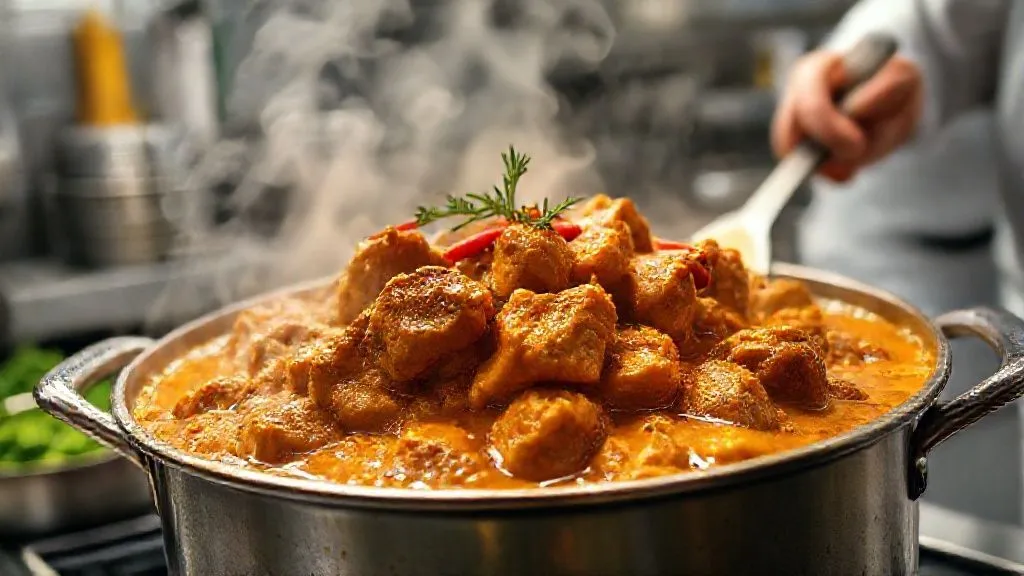
How to scale authentic Caribbean curry goat for large catering orders?
For over two decades in the vibrant world of Caribbean catering, I've cooked thousands of pounds of goat, transforming humble home recipes into grand culinary statements. It’s a journey filled with passion, flavor, and, let's be honest, a fair share of challenges when scaling up.
Many passionate chefs and caterers hit a wall when trying to expand their beloved Caribbean curry goat beyond a family pot. The authentic flavor, the tender texture, the precise spice balance – these elements often get lost in translation when you move from serving a dozen to feeding hundreds. The struggle for consistency, efficiency, and maintaining that undeniable Caribbean soul in every bite is real.
In this definitive guide, I'll share the frameworks, actionable steps, and hard-won insights I've gathered to help you overcome these hurdles. You'll learn how to scale authentic Caribbean curry goat for large catering orders without compromising on taste, quality, or profitability. Let's transform your catering operation into a high-volume, high-flavor powerhouse.
The Unseen Challenges of Scaling Caribbean Curry Goat
When you're cooking for a few, intuition and a 'little bit of this, little bit of that' approach works wonders. But when you're faced with a 50-gallon pot, that charming spontaneity becomes a recipe for disaster. The biggest challenge in scaling is not just multiplying ingredients; it's maintaining the integrity of the dish's complex flavor profile and texture across vast quantities.
I've seen countless caterers make the mistake of simply increasing ingredient proportions without adjusting techniques or understanding the new dynamics of large-batch cooking. This often leads to watery curries, unevenly cooked meat, or a flavor that's a shadow of its former self. Moreover, the logistics of sourcing, prepping, cooking, and holding large volumes introduce entirely new operational complexities that can quickly overwhelm an unprepared kitchen.
Understanding these unique challenges is the first step towards mastering them. It requires a shift from home-cook mentality to a commercial kitchen mindset, embracing standardization, efficiency, and a meticulous approach to every stage of the process. It's about working smarter, not just harder, to deliver that authentic taste consistently.
Mastering Ingredient Sourcing: Quality at Quantity
The foundation of any great Caribbean curry goat is, unequivocally, the quality of its ingredients. When you're dealing with large catering orders, securing consistent, high-quality ingredients in bulk becomes paramount. This isn't just about finding any supplier; it's about finding the *right* suppliers who understand your needs and can reliably meet them.
Building Supplier Relationships
My advice has always been to invest time in building strong relationships with your suppliers. This means finding reputable meat purveyors who specialize in goat, and produce distributors who can consistently provide fresh, vibrant herbs and spices like scotch bonnets, thyme, and scallions. Don't be afraid to ask for samples, negotiate bulk pricing, and discuss their sourcing practices. A reliable supplier can be your most valuable partner in maintaining quality when you need to scale authentic Caribbean curry goat for large catering orders.
Goat Meat Selection and Preparation
For large batches, I always recommend using a mix of bone-in goat cuts – shoulder, leg, and rib pieces. The bones contribute immensely to the depth of flavor in the curry. Ensure the meat is fresh, well-trimmed of excess fat, and cut into uniform pieces (typically 1.5-2 inches). This uniformity is critical for even cooking and consistent texture across hundreds of servings. Proper pre-marinade cleaning and seasoning are non-negotiable, even at scale.
| Category | Criteria |
|---|---|
| Meat Supplier | Reliability, Quality, Price, Cuts Available |
| Produce Supplier | Freshness, Organic Options, Delivery Schedule |
| Spice Importer | Authenticity, Bulk Pricing, Purity |
| Packaging Supplier | Eco-Friendly, Temperature Retention, Volume |

Standardization is Your Secret Weapon: Recipes and Processes
Consistency is the hallmark of a successful catering operation, especially when preparing complex dishes like Caribbean curry goat. Without a standardized approach, you risk delivering a different experience with every order, which erodes trust and damages your reputation.
The Master Recipe: Consistency is King
Develop a precise 'master recipe' that details every ingredient, exact measurements (by weight, not volume, for spices!), and step-by-step instructions. This recipe should be tested and perfected for large batch cooking. Document everything: type of goat, marinade ratios, exact spice blend, cooking temperatures, and simmering times. This document becomes your bible, ensuring that whether I'm cooking it or another chef on my team is, the result is identical. For further insights on recipe standardization, consider resources like Food-Safety.com on recipe standardization.
Mise en Place on an Industrial Scale
'Mise en place' – everything in its place – is even more critical in high-volume cooking. Before you even think about lighting a burner, all your ingredients should be prepped, measured, and organized. Think about dedicated stations for meat trimming, vegetable chopping, and spice blending. This streamlines the cooking process, reduces errors, and ensures that each large pot of curry goat gets the exact same treatment, every single time. It's a key factor in how to scale authentic Caribbean curry goat for large catering orders efficiently.
Cooking Techniques for Volume: From Pot to Palate
Scaling up doesn't mean compromising on the nuanced cooking techniques that give Caribbean curry goat its signature flavor and texture. It means adapting them to larger equipment and volumes.
Browning and Braising: Flavor Foundation
The initial browning of the marinated goat meat is crucial for developing deep, complex flavors through the Maillard reaction. In large batches, this needs to be done in smaller, manageable portions in large, heavy-bottomed industrial pots or tilting skillets. Overcrowding the pot will steam the meat instead of browning it, leading to a less flavorful end product. After browning, the braising process, where the meat simmers in its aromatic curry sauce, is where the magic happens, tenderizing the goat to perfection.
The Art of Simmering: Even Heat Distribution
Achieving even heat distribution in a massive pot is a challenge. Industrial stockpots or steam-jacketed kettles are designed for this, providing gentle, consistent heat. Regular, but gentle, stirring is essential to prevent scorching at the bottom and ensure all pieces of meat cook uniformly. Too vigorous stirring can break down the meat prematurely. This controlled simmering is vital for that fall-off-the-bone tenderness without turning the meat to mush.
Case Study: How 'Island Eats Catering' Maintained Flavor at Scale
Island Eats Catering, a client I consulted for, struggled with inconsistent flavor when they scaled their curry goat from 50 to 500 servings. Their initial mistake was trying to brown all the meat at once in an oversized pot. By implementing a system of browning goat in 10-pound batches in dedicated tilt skillets before combining them into a steam-jacketed kettle for the braise, they saw a dramatic improvement. The consistent browning foundation, combined with precise temperature control in the kettle, allowed them to maintain the rich, authentic flavor their customers loved, even at massive volumes. This resulted in a 25% increase in repeat catering contracts within six months.
Flavor Development & Spice Management for Large Batches
The heart of Caribbean curry goat lies in its intricate spice blend. Replicating this delicate balance in large quantities requires a methodical approach.
Toasting and Grinding Spices: The Authentic Difference
I cannot stress enough the importance of toasting whole spices (cumin, coriander, fenugreek, allspice) before grinding them. This process awakens their essential oils, deepening their aroma and flavor. For large batches, invest in a commercial spice grinder. Grinding your own fresh spices, rather than relying on pre-ground powders, makes an enormous difference in the authenticity and vibrancy of your curry. It's a small step that yields monumental flavor rewards.

Balancing Heat and Aromatics
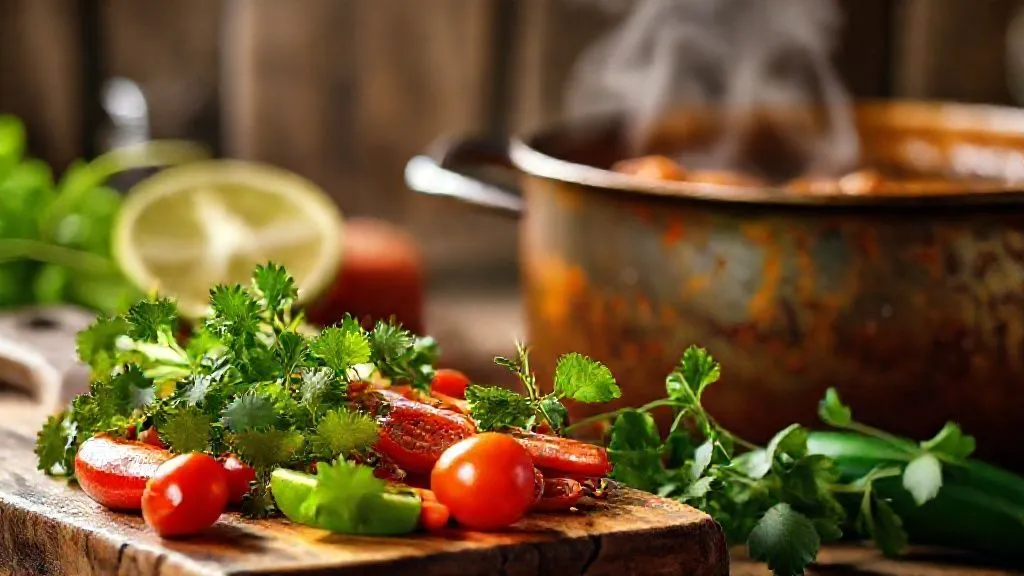
Scotch bonnet peppers are iconic for Caribbean curry goat, providing that characteristic fruity heat. When scaling, it’s crucial to manage their inclusion carefully. I often recommend using a combination of whole peppers (pierced, not chopped, for controlled release) and a precise measure of a homemade scotch bonnet paste or purée. This allows for consistent heat levels without overwhelming the dish. Remember to balance this heat with aromatic elements like fresh ginger, garlic, and scallions, which contribute layers of flavor.
“The secret to truly authentic Caribbean curry goat at scale isn't just more ingredients; it's more *mindful* cooking, more *precise* measurement, and more *respect* for the traditional techniques, even when adapting them.”
Equipment & Kitchen Workflow Optimization
You simply cannot produce large quantities of curry goat using home kitchen equipment. Investing in the right tools and optimizing your kitchen layout are crucial for efficiency and quality.
The Right Tools for the Job: Industrial Cookware
For large catering orders, you need industrial-grade equipment: large capacity stainless steel stockpots (50-100 gallons), steam-jacketed kettles for consistent, gentle heat, commercial-grade food processors for prepping vegetables, and powerful commercial spice grinders. Walk-in refrigerators and freezers are essential for storing large quantities of ingredients and finished product safely. These investments pay off in terms of efficiency, consistency, and food safety, directly impacting your ability to scale authentic Caribbean curry goat for large catering orders profitably.
Streamlining Your Kitchen Layout
Think about your kitchen workflow in terms of zones: a receiving and storage zone, a preparation zone (for meat and vegetables), a cooking zone, and a plating/packaging zone. An optimized layout minimizes unnecessary movement, reduces cross-contamination risks, and enhances overall productivity. Consider a linear or U-shaped flow to keep things moving efficiently from raw ingredients to finished dishes.
Quality Control & Food Safety: Non-Negotiables for Catering
When you're feeding hundreds, the stakes for quality and food safety are incredibly high. One mistake can have severe consequences for your clients and your business. This is where meticulous quality control becomes your best friend.
Temperature Management and Holding
Maintaining proper temperatures at every stage – from thawing and cooking to holding and serving – is critical for food safety. Cook curry goat to an internal temperature of at least 165°F (74°C) and ensure it's held hot above 135°F (57°C) for serving, or rapidly cooled and refrigerated below 40°F (4°C) if being prepared in advance. Utilize professional warming cabinets or chafing dishes for holding. Refer to FDA Food Code guidelines for comprehensive temperature control protocols.
Taste Panels and Feedback Loops
Even with a master recipe, human palates are the ultimate judges. Implement a small 'taste panel' system where 2-3 trusted individuals (including yourself) sample batches before they go out. This ensures consistency in flavor, seasoning, and texture. Establish a feedback loop with your catering clients to continuously refine your product. A simple post-event survey can provide invaluable insights for continuous improvement.
| Checklist Item | Frequency | Action |
|---|---|---|
| Goat meat inspection upon delivery | Every delivery | Verify freshness, temperature, cut uniformity |
| Pre-marinade seasoning consistency | Every batch | Weigh spices, verify marinade coverage |
| Cooking temperature monitoring | Hourly during cooking | Log temperatures, adjust heat as needed |
| Taste panel evaluation | Before packaging | Assess flavor, texture, seasoning |
| Holding temperature check | Every 30 mins during service | Ensure above 135°F (57°C) |
Packaging, Transport, and Presentation for Large Events
The final steps are just as important as the cooking itself. How you package, transport, and present your curry goat can significantly impact the customer's perception and the dish's quality.
Maintaining Temperature and Integrity
For transport, use insulated, food-grade containers that can maintain the curry goat's temperature. If serving hot, ensure the containers are pre-warmed. If transporting chilled for reheating on-site, ensure they remain below 40°F (4°C). Preventing spillage and maintaining the integrity of the sauce and meat during transit are crucial. Remember, the journey from your kitchen to the event site is part of the dining experience.
Elegant Serving Solutions
Even though it's a large catering order, presentation still matters. Provide clear instructions for on-site reheating and serving, if applicable. Chafing dishes are standard, but consider adding fresh garnishes like chopped scallions, fresh thyme sprigs, or a few thin slices of scotch bonnet for visual appeal at the serving station. These small touches elevate the perceived value and authenticity of your Caribbean curry goat, making a lasting impression on your clients and their guests.

Frequently Asked Questions (FAQ)
How do I prevent the curry from becoming watery in large batches? The key is precise liquid management. Excess moisture can come from overcrowding the browning pot, not reducing the liquid enough during simmering, or adding too much water/stock initially. Ensure you brown meat in batches, allow the liquid from the meat to reduce significantly before adding the curry base, and measure all liquids carefully. A final thickening agent (like a cornstarch slurry, though traditionalists prefer reduction) can be a last resort, but proper technique should prevent this.
What's the best way to handle large quantities of goat meat for marination? Marinate goat meat in large, non-reactive containers (stainless steel or food-grade plastic bins). Ensure the marinade thoroughly coats all pieces. For even flavor, I recommend mixing the meat and marinade thoroughly by hand (wearing gloves!) or using a commercial mixer. Marinate for at least 12-24 hours under refrigeration, stirring occasionally if possible to redistribute the marinade.
How do I ensure even spice distribution across a huge pot? This is a common challenge. First, ensure your spice blend is very finely ground and thoroughly mixed before adding to the pot. When incorporating, create a 'slurry' with a small amount of liquid from the pot or warm water to prevent clumps. Add the spice mixture gradually while stirring the pot continuously and thoroughly. Don't dump it all in one spot. Using a large, long-handled paddle is essential for reaching all corners of the pot.
Can I pre-cook and freeze portions? What's the impact on authenticity? Yes, you can pre-cook and freeze curry goat, and it holds up remarkably well. I find that the flavors often meld even further after freezing and reheating. To maintain authenticity, ensure rapid cooling before freezing (e.g., in shallow pans or using a blast chiller) and gentle reheating. The texture of the meat might soften slightly, but the rich flavor should remain intact. Always ensure proper food safety protocols for freezing and thawing. For more on safe food storage, check resources like USDA food safety guidelines on freezing.
What are the critical food safety considerations for high-volume curry goat? Beyond temperature control, critical considerations include preventing cross-contamination (separate cutting boards/utensils for raw meat), proper hand hygiene, using clean and sanitized equipment, and adhering to HACCP principles. Documenting your processes and maintaining logs for temperatures and cleaning schedules are vital. Always consult local health department regulations and obtain necessary certifications. For a comprehensive overview, review the WHO's guidelines on food safety.
Key Takeaways and Final Thoughts
- Standardization is Non-Negotiable: Develop and adhere to a precise master recipe and detailed operational procedures for consistent quality.
- Quality Sourcing Pays Dividends: Build strong relationships with reliable suppliers for consistent, high-quality ingredients, especially your goat meat and fresh spices.
- Optimize Your Workflow: Invest in industrial-grade equipment and design an efficient kitchen layout to handle large volumes seamlessly.
- Master Large-Batch Techniques: Adapt browning, braising, and simmering methods for volume, ensuring even cooking and deep flavor development.
- Prioritize Food Safety: Implement rigorous quality control, temperature management, and hygiene protocols to protect your customers and your business.
Scaling authentic Caribbean curry goat for large catering orders is a journey that demands dedication, precision, and an unwavering commitment to flavor. It's not just about cooking; it's about engineering a culinary experience that remains true to its roots, regardless of the scale. By embracing these expert strategies, you're not just expanding your menu; you're elevating your entire catering operation, ready to bring the vibrant tastes of the Caribbean to any event, big or small. Go forth and cook with confidence!
Recommended Reading
- Achieving Perfect Pan-Seared Fish Crust for Volume: 7 Pro Secrets
- Mastering Hollow Choux: 7 Pro Steps for Perfect Pastry Centers
- 9 Proven Strategies: How to Formulate Appealing Nutrient-Dense Meals for Picky Eaters?
- Unlock the Magic: How to Make Cooking a Fun Learning Activity for Kids!
- Scaling Complex Raw Vegan Recipes for Catering: 7 Expert Strategies
0 Comentários: